
How to Lubricate Air Compressor: Practical Step-by-Step Guide for 2026
Master how to lubricate air compressor pumps and air tools in October 2026 to reduce friction, prevent heat buildup, and protect workshop tools.
 By Tom Scalisi
Updated October 8, 2026
By Tom Scalisi
Updated October 8, 2026
Excessive friction inside a reciprocating pump cylinder generates extreme heat that rapidly degrades internal valves, piston rings, and crankshaft bearings. Understanding how to lubricate air compressor equipment correctly preserves mechanical tolerances and protects cast-iron pumps against premature seizure. Many workshop owners mistakenly assume that all compressors require manual oiling, while others pour standard automotive detergent oil into sensitive pump crankcases with disastrous results. Regular lubrication routines keep piston assemblies running smoothly while preventing high operating temperatures from scorching mechanical seals.
Maintaining proper lubrication extends beyond the pump crankcase because pneumatic tools connected downstream require dedicated lubrication delivery to survive continuous rotation. While routine moisture management aids in keeping moisture out of air compressor tanks, dry compressed air will strip factory grease from air ratchets, impact wrenches, and nailers without an active lubricant source. Selecting the correct ISO-100 or SAE 30W non-detergent lubricant for the compressor pump and installing inline oilers for air tools creates a dependable pneumatic system. Following clean service intervals safeguards both stationary workshop hardware and handheld jobsite tools through heavy duty cycles.
| Award | Product | ACR Score About ACR ScoreThe ACR Score is our own rating from 0 to 10, based on performance, design and build, ease of use, and value. It reflects independent research and is never influenced by manufacturers, retailers, or affiliate commissions. Learn more › | |
|---|---|---|---|
| Best Overall |
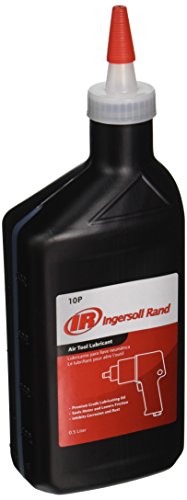
Ingersoll Rand 10P Air Tool Oil, 1 Pint
|
9.2/10 | Buy |
| Best Budget |
 MASITE PCWJ 1/4-Inch NPT In-Line Oiler (2-Pack)
|
8.9/10 | Buy |
| Best Value |
 THB 1/4-Inch Mini Inline Air Tool Lubricator Oiler
|
8.9/10 | Buy |
 Milton 1002 SAE 30W Compressor Oil, 1 Gallon
|
8.8/10 | Buy | |
| Best Premium |
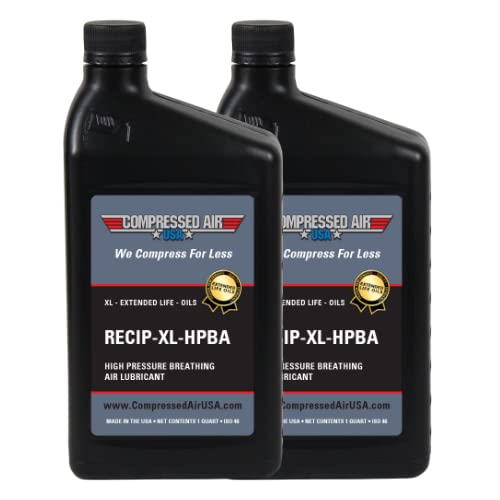 Compressed Air USA Breathing Safe Oil, 2 Quart
|
8.8/10 | Buy |
 Milton 1002-32 ISO-100 Compressor Oil, 32 oz
|
8.4/10 | Buy | |
 Mobil Rarus 427 ISO 100 Compressor Oil, 1 Qt
|
8.3/10 | Buy | |
 TRIAX Kompressor ISO 100 SAE 30 Full Synthetic Air
|
8.3/10 | Buy | |
 Silentaire Synthetic Compressor Oil, 24 oz
|
8.0/10 | Buy | |
 MAG 1 Air Compressor Oil 16 oz
|
7.8/10 | Buy |
Ingersoll Rand 10P Air Tool Oil, 1 Pint
Formulated for pneumatic equipment upkeep, the Ingersoll Rand 10P delivers premium-grade lubrication in a compact one-pint container. It serves as a dependable fluid for mechanics and workshops focused on extending the service life of air-powered tools.
Pros
- Formulated specifically for pneumatic mechanisms
- Compact and easily portable 1-pint bottle
- Lightweight design under one pound
- Official Ingersoll Rand Edge Series lubricant
Cons
- One-pint volume may run out quickly in high-volume shops
- Single-purpose lubricant restricted to pneumatic tool use
MASITE PCWJ 1/4-Inch NPT In-Line Oiler (2-Pack)
Pneumatic tools require consistent lubrication to prevent internal wear, and these compact in-line lubricators automate oil delivery directly through standard 1/4-inch NPT connections. The transparent body lets operators quickly verify fluid levels without interrupting workflow.
Pros
- Transparent housing allows clear fluid level monitoring
- Compact 58mm profile fits into restricted spaces
- Universal 1/4-inch NPT threading fits standard air lines
- Solid brass fittings offer durable long-term service
Cons
- Small reservoir capacity requires frequent manual refills
- Direct inline connection adds rigid length to air tools
- Incompatible with larger diameter air lines without adapters
THB 1/4-Inch Mini Inline Air Tool Lubricator Oiler
The THB 1/4-inch mini inline lubricator delivers continuous oil misting at up to 150 PSI and 52 CFM to protect pneumatic tool motors from internal wear. It is a smart addition for home garage mechanics and workshop DIYers running air ratchets and impact wrenches.
Pros
- High rated airflow of 52 CFM prevents tool starvation on typical 1/4-inch shop air lines
- Includes dedicated wall-mounting bracket for clean and secure workshop installation
- Helps prevent internal motor seizure in impact wrenches, air ratchets, and die grinders
- Handles up to 150 PSI operating pressure, matching most residential and light-commercial compressors
Cons
- Compact 30ml reservoir requires frequent level checks in high-volume, multi-operator shops
- Lines downstream become permanently oiled, requiring dedicated hoses kept separate from paint sprayers or blowguns
- 1/4-inch port size is not intended for heavy industrial 3/8-inch or 1/2-inch main airline drops
Milton 1002 SAE 30W Compressor Oil, 1 Gallon
Milton 1002 is a non-detergent ISO-100 SAE 30W conventional lubricant engineered specifically for reciprocating air compressors. The one-gallon capacity makes it a sensible option for regular workshop equipment upkeep.
Pros
- Non-detergent formula tailored for reciprocating compressors
- Standard ISO-100 SAE 30W viscosity rating
- Generous one-gallon volume covers multiple refills
Cons
- Conventional mineral formula instead of synthetic blend
- Heavy container can be awkward to pour directly
Compressed Air USA Breathing Safe Oil, 2 Quart
Formulated for critical breathing air applications like SCUBA, firefighting, and medical systems, this ISO 100 oil delivers robust wear protection under extreme temperatures and pressures. Its non-toxic composition and high flash point ensure dependable safety for specialized reciprocating compressors.
Pros
- Safe formulation suitable for SCUBA and medical air systems
- High flash and auto-ignition points enhance operational safety
- Resists carbon and varnish buildup under extreme temperatures
- Non-toxic formula provides strong wear and rust protection
Cons
- Restricted to reciprocating units rather than rotary screw systems
- ISO 100 rating unsuitable for low-viscosity compressor setups
Milton 1002-32 ISO-100 Compressor Oil, 32 oz
Formulated specifically for oil-lubricated reciprocating compressors, this ISO-100 non-detergent lubricant shields pumps against wear and deposit buildup. It separates easily from moisture and remains fluid down to -15°F for dependable cold-weather starts.
Pros
- Protects internal components against wear and corrosion
- Non-detergent formula resists foaming and separates water
- Inhibits sludge and carbon deposit formation
- Maintains fluidity in temperatures down to -15°F
Cons
- Designed strictly for reciprocating pump mechanisms
- Conventional oil base rather than full synthetic
Mobil Rarus 427 ISO 100 Compressor Oil, 1 Qt
Mobil Rarus 427 provides an ISO 100 viscosity grade lubricant designed for compressor applications. Packaged in a 1-quart container and made in the United States, it suits routine automotive and shop maintenance jobs.
Pros
- Convenient 1-quart volume for routine top-offs
- Standard ISO 100 viscosity formulation
- Manufactured in the United States
- Lightweight and easy to store
Cons
- Limited 1-quart volume for large compressor reservoirs
- ISO 100 viscosity is not universally compatible with all compressors
TRIAX Kompressor ISO 100 SAE 30 Full Synthetic Air
TRIAX Kompressor ISO 100 SAE 30 is a commercial-grade, full synthetic non-detergent compressor oil formulated for reciprocating, rotary screw, and vane pumps operating across extreme temperature ranges. It is well-suited for shop owners, auto mechanics, and contractors seeking extended service intervals and cooler operating temperatures for their oil-lubricated compressors.
Pros
- True all-season multi-viscosity performance down to -49°F for dependable cold-weather pump startup
- Non-detergent synthetic blend reduces crankcase sludge, carbon deposits, and thermal breakdown
- Rated for up to 20,000 service hours, drastically extending maintenance intervals compared to mineral oils
- Compatible with a wide spectrum of reciprocating, screw, and vane compressor brands
Cons
- Not compatible with oil-free compressor designs or oxygen and liquid natural gas (LNG) equipment
- One-gallon container size may exceed the simple top-off needs of small single-stage portable units
- Carries a higher initial purchase price than basic mineral-based non-detergent compressor oils
Silentaire Synthetic Compressor Oil, 24 oz
Silentaire offers this 24-ounce synthetic lubricant to keep compatible air compressors operating smoothly. The container includes a dedicated pouring tip and cap to assist with clean, precise refills during maintenance.
Pros
- Special pouring tip enables neat dispensing
- Included cap seals bottle securely
- Synthetic formulation suited for compressor upkeep
- Convenient 24-ounce size for standard maintenance
MAG 1 Air Compressor Oil 16 oz
MAG 1 Air Compressor Oil is a specialized 16-ounce petroleum lubricant formulated with anti-foam agents and rust inhibitors to protect oil-lubricated compressor pumps under heavy operating conditions. It offers essential wear protection and thermal stability for home garage hobbyists, auto mechanics, and shop owners maintaining oil-lubricated pneumatic equipment.
Pros
- Formulated specifically for compressor pump crankcases rather than generic detergent automotive motor oils
- Anti-foam chemistry helps prevent oil foaming and maintains steady lubrication under rapid piston strokes
- Helps protect internal metal components against rust and oxidation caused by ambient moisture buildup
- Convenient 16-ounce bottle size fits easily into garage maintenance cabinets and tool chests
Cons
- Not suitable for maintenance-free oil-free air compressors
- A 16-ounce volume may require multiple bottles for larger stationary multi-stage shop compressors with high crankcase capacities
Complete Step-by-Step Guide to Air Compressor and Tool Lubrication
Proper lubrication serves as the frontline defense against mechanical friction, excessive thermal buildup, and catastrophic component failure in pneumatic systems. While reciprocating air pumps rely on crankcase oil to protect wrist pins, connecting rods, and cylinder walls, downstream pneumatic tools require a continuous airborne micro-mist to survive demanding duty cycles. Understanding the technical mechanics of both systems ensures equipment reliability across demanding garage projects and commercial applications.
Distinguishing Oil-Lubricated Pumps From Oil-Free Compressors
Before attempting to add any fluid, equipment owners must determine whether their air compressor pump requires crankcase lubricant. Oil-free air compressors utilize factory-sealed bearings alongside self-lubricating cylinder sleeves coated in polytetrafluoroethylene (PTFE) or specialized composite materials. Introducing liquid oil into an oil-free pump will ruin the low-friction coatings, attract abrasive debris, and quickly destroy the compression seals. Operators can spot an oil-free design by its enclosed shroud, universal motor layout, and complete absence of a dipstick, sight glass, or crankcase drain plug.
Oil-lubricated compressors feature heavy cast-iron or aluminum crankcases with visible cylinder jugs, an oil fill port, and an inspection window or dipstick near the base. These reciprocating units resemble miniature internal combustion engines and require a continuous pool of splash-lubricating oil to bathe the crankshaft journals and piston skirts. If a pump displays heavy mechanical wear, severe scoring, or seized connecting rods due to extended operation without lubricant, workshop owners often find that browsing replacement air compressor pumps is necessary to restore working air delivery. Checking the manufacturer specification plate remains the safest way to confirm whether a pump requires liquid crankcase lubrication.
Selecting the Correct Lubricant Viscosity and Formula
Air compressor pumps generate significant heat during compression cycles, requiring specialized non-detergent oils formulated specifically for industrial air systems. Most reciprocating compressors specify an ISO 100 viscosity grade, which corresponds closely to an SAE 30W weight under standard room-temperature conditions. Dedicated formulas such as Milton 1002 High Performance Conventional Air Compressor Oil provide balanced film strength that resists thermal breakdown under heavy compression loads. Products like MAG 1 Air Compressor Oil also incorporate dedicated anti-foam additives that keep the fluid from aerating during continuous splash lubrication.
Synthetic formulations offer enhanced thermal stability across broader operating envelopes, which benefits unheated garages and severe-duty installations. Industrial fluids like TRIAX Kompressor ISO 100 SAE 30 Full Synthetic provide high load-bearing capacity and maintain fluidity in extreme temperatures ranging from sub-zero environments to blistering heat. Specialized ultra-quiet or dental setups may require targeted fluids such as Silentaire Compressor Oil to match delicate internal valving and close mechanical tolerances. For breathing air installations in medical or SCBA scenarios, high-pressure formulations like Compressed Air USA Breathing Safe Lubricating Oil are engineered specifically to prevent hazardous volatile emissions under intense operating pressures.
The Dangers of Using Automotive Motor Oils in Reciprocating Pumps
One of the most destructive mistakes a compressor owner can make is pouring standard automotive engine oil into an air pump crankcase. Automotive motor oils contain heavy detergent packages designed to suspend combustion blow-by particles and carry soot toward an internal automotive oil filter. Because reciprocating air compressor pumps lack oil filters, these detergent additives hold carbon and moisture in active suspension rather than allowing contaminants to settle harmlessly at the bottom of the sump. Suspended moisture circulates continuously through the pump, accelerating cylinder oxidation, valve plate corrosion, and bearing pitting.
Detergent motor oils also create severe carbon buildup on delicate discharge reed valves due to the high operating temperatures inside the cylinder head. As air compresses to 135 PSI or higher, thermal energy bakes suspended automotive additives onto hot valve discs, causing valve plates to stick open or warp prematurely. This carbonization leads to compression bypass, extended recovery cycles, and dangerous crankcase pressurization. Using a dedicated non-detergent formulation like Mobil Rarus 427 or Milton 1002-32 ensures that moisture cleanly drops out of the lubricant while keeping critical air valves free of sticky deposits.
How to Check and Read Compressor Pump Oil Levels
Accurate oil verification must always take place with the air compressor switched off, resting on a level surface, and fully cooled. Oil levels fluctuate while the crankshaft is spinning, and warm oil expanded by operational heat can produce misleading readings. Most modern reciprocating pumps incorporate a circular sight glass situated near the bottom of the cast-iron crankcase housing. When viewing the sight glass, the oil meniscus should rest directly across the central red indicator dot, representing roughly half to two-thirds of the window height.
Compressors fitted with traditional dipsticks require a careful wiping procedure before taking a valid measurement. Remove the dipstick, wipe the blade clean with a lint-free shop rag, reinsert it fully into the fill neck without cross-threading, and withdraw it to inspect the wet oil line. The fluid line should sit between the minimum crosshatch mark and the full line without creeping into the upper crankcase zone. Running a pump with low oil starves the splash dippers on the connecting rod caps, while overfilling creates excessive hydraulic drag, oil aeration, and severe oil blow-by past the piston rings into the air receiver tank.
Step-by-Step Procedure for Draining and Refilling Crankcase Oil
Draining old compressor oil begins with running the pump under moderate load for approximately five to ten minutes to warm the fluid. Warming the oil reduces its viscosity and suspends settled particulate matter so that contaminants drain out smoothly with the fluid. Disconnect the electrical power cord or isolate the dedicated branch circuit breaker, and pull the tank pressure relief valve ring to verify the system is safely depressurized. Position an oil-safe catch basin directly beneath the square-headed crankcase drain plug located at the lower edge of the pump.
Loosen the drain plug using the correct six-point box wrench or socket to avoid rounding off the brass or cast-iron fitting. Remove the oil fill cap or breather plug from the top of the crankcase to vent the sump, which allows the warm fluid to flow freely into the catch pan. Allow the crankcase to drain completely until the fluid stream tapers to intermittent drips, taking note of any metal flakes or milky moisture discoloration. Inspect the drain plug threads, wrap them with fresh PTFE thread sealant tape if specified by the manufacturer, and tighten the plug securely back into the crankcase casting.
Place a clean funnel into the breather fill port and slowly add fresh ISO 100 non-detergent compressor lubricant in small increments. Pause periodically to let the fluid settle in the sump, checking the level against the sight glass or dipstick to avoid overfilling. Once the oil reaches the center of the sight glass dot, reinstall the crankcase breather cap securely by hand. Reconnect electrical power, start the motor, and let the pump cycle up to cut-out pressure while observing the drain plug for any weeping leaks.
Establishing Routine Maintenance Intervals for Single and Two-Stage Units
Manufacturer guidelines dictate that fresh pumps undergo an initial break-in oil change after the first 20 to 50 hours of operation. During this initial break-in period, minor casting particles and microscopic metal shavings from new piston rings shed into the oil bath. Flushing this initial batch of oil clears abrasive debris before it can score the cylinder sleeves or journal bearings. Following the initial flush, standard conventional lubricants like Milton 1002 should undergo replacement every 300 to 500 operating hours or every three to six months in typical garage workshops.
Commercial workshops that operate large two-stage cast-iron compressors under heavy duty cycles often transition to premium synthetic compressor fluids. Advanced synthetics like TRIAX Kompressor can remain in service for thousands of operating hours when supported by regular air intake filter servicing. However, seasonal weather changes and unheated storage require proactive maintenance regardless of recorded run hours. High humidity environments cause water condensation to pool in the crankcase during inactive periods, necessitating an immediate oil change whenever the fluid takes on a milky, cloudy appearance.
Lubricating Pneumatic Air Tools Versus the Compressor Pump
It is vital to recognize that lubricating an air compressor pump does nothing to lubricate downstream pneumatic tools like impact wrenches, air ratchets, or nailers. Pump crankcase oil remains contained inside the cast-iron housing and should never enter the air delivery lines in significant quantities. Handheld air tools operate via miniature high-speed pneumatic vane motors or reciprocating driver blades that require dedicated pneumatic tool oil. Standard ISO 100 pump oil is far too viscous for these lightweight mechanisms and will gum up tool vanes, reduce tool torque, and foul exhaust passages.
Pneumatic tools require specialized low-viscosity formulas such as Ingersoll Rand 10P Edge Series Premium Air Tool Oil. These specialized fluids contain rust inhibitors and anti-wear compounds engineered to mist smoothly under incoming line pressure without leaving sticky varnishes. For manual lubrication, operators should add three to five drops of dedicated air tool oil directly into the tool inlet fitting before connecting the air hose for a work session. Running the tool for a few seconds immediately after oiling distributes the lubricant across the motor cylinder and internal rotor vanes.
Installing and Adjusting In-Line Micro Lubricators
Manual oiling can prove impractical during production framing, heavy automotive repair, or extended grinding tasks where tools run continuously. Installing an automatic in-line oiler delivers a metered amount of lubricant whenever airflow passes through the line. Compact hardware such as the MASITE PCWJ Mini In-Line Air Compressor Oiler threads directly between the pneumatic tool and the whip hose using standard 1/4-inch NPT connections. Its transparent polycarbonate housing allows technicians to monitor oil reserves visually without disassembling the tool connection during busy workdays.
For stationary workshop layouts, modular lubricator bowls like the THB 1/4-inch Mini Lubricator mount to workshop walls alongside regulators and water separators. Proper air line assembly remains essential here, and referencing a practical tutorial on assembling an air compressor hose helps prevent restrictive leaks at quick-connect fittings. Technicians must calibrate the drip rate screw on modular lubricators to deliver roughly one drop of oil for every 30 to 60 seconds of continuous tool airflow. Dedicated lubricators must never be installed on air lines intended for spray painting, plasma cutting, or air dusting, as airborne oil mists will ruin surface finishes.
Troubleshooting Lubrication Problems, Foaming, and Oil Carryover
When an air compressor exhibits unusual lubrication symptoms, diagnosing the problem promptly prevents catastrophic mechanical seizure. Rapid oil consumption or excessive oil pooling inside the air tank indicates oil carryover past the piston assemblies. Common culprits include severely overfilled crankcase levels, clogged crankcase breathers creating positive internal pressure, or worn compression rings allowing bypass. Inspecting the breather vent for dirt blockages and verifying that the oil level sits at the proper sight glass midpoint resolves many carryover complaints.
Foaming oil represents another serious issue that compromises bearing protection. When fluid foams inside the crankcase, dippers whip air bubbles into the oil film, collapsing hydraulic cushion and accelerating metal-to-metal contact. Foaming commonly results from using non-compressor lubricants, mixing incompatible fluid bases, or running the pump with severe water contamination. Draining the tainted oil completely, wiping out accessible residue, and refilling with fresh anti-foaming oil like MAG 1 restores proper lubricating film strength across all moving components.
Essential Workshop Safety and System Maintenance Practices
Servicing compressor lubrication systems requires strict adherence to workshop safety protocols to avoid high-pressure injuries and electrical accidents. Never loosen an oil fill plug, sight glass, or crankcase bolt while the compressor motor is connected to power or while the air tank holds pressure. Always disconnect electrical power at the wall outlet or breaker panel, and manually vent the air receiver tank to zero PSI through the drain valve before handling tools. Hot oil and high-temperature cylinder heads can cause severe contact burns, making protective gloves and eye protection mandatory during fluid changes.
Daily maintenance should pair oil verification with regular moisture drainage to keep the entire pneumatic system operating reliably. Purging condensation from the bottom of the receiver tank every day prevents moisture from rising toward internal air lines and contaminating downstream tools. Keep spare bottles of manufacturer-approved non-detergent compressor oil and dedicated air tool lubricant on hand so servicing never gets postponed. Proactive fluid management and systematic inspections ensure that both reciprocating pumps and valuable pneumatic tools provide years of consistent, high-output workshop performance.
About the author
Tom Scalisi brings more than two decades of experience in construction, building maintenance, contracting, and hands-on tool use. His practical understanding of power tools, automotive work, repairs, and jobsite equipment helps readers evaluate compressors based on real workloads rather than specifications alone.