
Can I Use Air Compressor Oil in Air Tools: Practical Guide for 2026
Can i use air compressor oil in air tools? Learn why viscosity differences matter and how to protect pneumatic equipment in October 2026.
 By Clint DeBoer
Updated October 8, 2026
By Clint DeBoer
Updated October 8, 2026
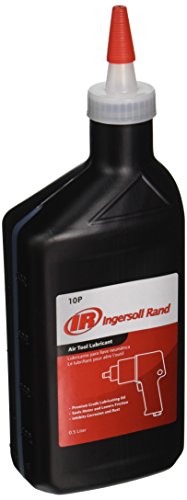
Pneumatic impact wrenches, nailers, and die grinders rely on high-velocity airflow and tight mechanical clearances to generate consistent torque. When an operator reaches for whatever bottle of lubricant sits closest on the workshop shelf, questions immediately arise regarding mechanical safety. Specifically, many mechanics wonder, can i use air compressor oil in air tools without causing damage to internal motor vanes or rubber seals? While both fluids serve vital roles in a compressed air setup, their chemical compositions, viscosity levels, and additive packages address completely different operating conditions. Understanding these core distinctions prevents expensive tool seizures, sluggish air valves, and premature pneumatic motor wear.
Compressor crankcase lubricants face continuous friction inside hot cast-iron cylinders, whereas air tool oils must travel atomized through high-velocity air lines to coat miniature rotor vanes and delicate O-rings. If you routinely service equipment using our piston air compressor oil selection guide, you know that pump crankcases require specialized non-detergent formulas. Applying that same heavy fluid to portable handheld air tools can choke tight mechanical tolerances, cause sticky trigger valves, and trap harmful condensation inside the tool body. Exploring viscosity ratings and lubrication mechanisms helps clarify why dedicated pneumatic oil remains the proper choice for daily maintenance.
| Award | Product | ACR Score About ACR ScoreThe ACR Score is our own rating from 0 to 10, based on performance, design and build, ease of use, and value. It reflects independent research and is never influenced by manufacturers, retailers, or affiliate commissions. Learn more › | |
|---|---|---|---|
| Best Overall |
Ingersoll Rand 10P Air Tool Oil, 1 Pint
|
9.2/10 | Buy |
| Best Value |
 Triax Kompressor ISO 46 SAE 20 Full Synthetic Air
|
9.1/10 | Buy |
| Best Premium |
 Milton 1001 High Performance Air Tool Oil
|
9.1/10 | Buy |
 THB 1/4-Inch Mini Inline Air Tool Lubricator Oiler
|
8.9/10 | Buy | |
 Lucas Oil 10216 Air Tool Lubricant & Tool Box
|
8.8/10 | Buy | |
| Best Budget |
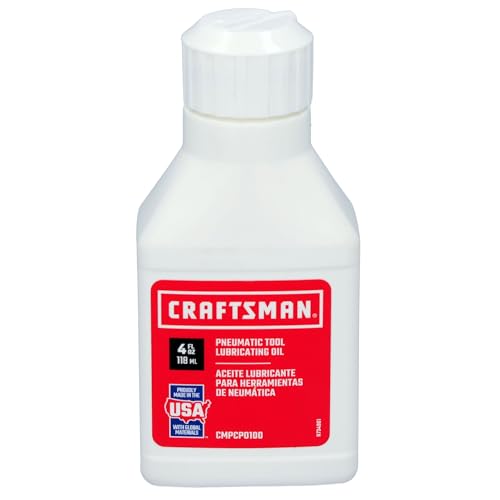 CRAFTSMAN CMPCPO100 Air Tool Oil, 4 oz
|
8.6/10 | Buy |
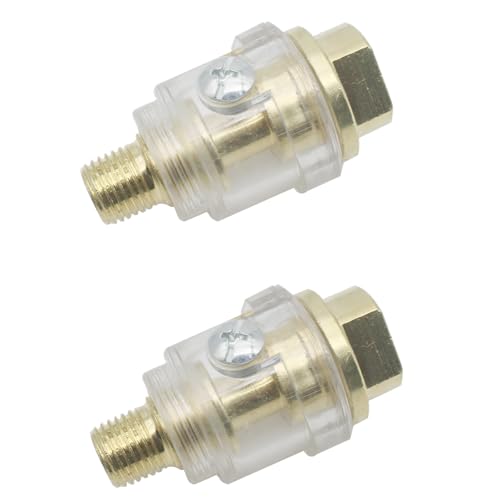 OZXNO 1/4" NPT Mini In-Line Oiler (2-Pack)
|
8.6/10 | Buy | |
 Milton 1001-4 High Performance Air Tool Oil
|
8.4/10 | Buy | |
 Freeman PTTO 8 oz. Air Tool Oil
|
8.3/10 | Buy | |
 3-IN-ONE Pneumatic Tool Oil, 4 oz
|
8.0/10 | Buy |
Ingersoll Rand 10P Air Tool Oil, 1 Pint
Formulated for pneumatic equipment upkeep, the Ingersoll Rand 10P delivers premium-grade lubrication in a compact one-pint container. It serves as a dependable fluid for mechanics and workshops focused on extending the service life of air-powered tools.
Pros
- Formulated specifically for pneumatic mechanisms
- Compact and easily portable 1-pint bottle
- Lightweight design under one pound
- Official Ingersoll Rand Edge Series lubricant
Cons
- One-pint volume may run out quickly in high-volume shops
- Single-purpose lubricant restricted to pneumatic tool use
Triax Kompressor ISO 46 SAE 20 Full Synthetic Air
Triax Kompressor ISO 46 SAE 20 is a commercial-grade, full synthetic non-detergent compressor oil engineered for oil-lubricated reciprocating, rotary screw, and vane pumps operating in temperatures from -49°F to over 140°F. It provides exceptional thermal protection and extended component life for garage mechanics and shop owners maintaining heavy-duty pneumatic systems.
Pros
- Extreme all-weather operating range from -49°F to 140°F+ prevents cold-start motor stalling and high-heat viscosity breakdown
- Non-detergent full synthetic formula protects internal bearings and provides up to 20,000 hours of service longevity
- Lowers operating pump temperatures by 30% and actively sheds condensation to prevent internal crankcase rust
- Compatible with oil-lubricated reciprocating, rotary screw, and rotary vane compressor pumps from major manufacturers
Cons
- Not suitable for oil-free or maintenance-free dual-piston compressor designs that do not use crankcase oil
- Explicitly prohibited for use in breathing air systems, oxygen compressors, or liquid natural gas (LNG) units
- Single-quart volume may require purchasing multiple bottles for larger stationary 60-gallon or 80-gallon shop pump crankcases
Milton 1001 High Performance Air Tool Oil
Milton 1001 is a conventional SAE 10W ISO-32 pneumatic tool lubricant in an economical 1-gallon jug designed for high-volume workshops and automated lubricators. It helps protect internal air tool vanes, seals, and cylinders from friction and moisture, making it a smart maintenance supply for mechanics, woodworkers, and contractors.
Pros
- Economical 1-gallon bulk size lowers maintenance costs for busy commercial garages and woodshops
- SAE 10W ISO-32 viscosity rating ensures smooth flow through automated inline lubricators and tool ports
- Specially formulated to lubricate internal air motor components without deteriorating sensitive rubber seals
- Manufactured in the United States with dependable consistency and quality control
Cons
- Large 1-gallon jug requires decanting into a smaller precision dropper bottle for daily bench use
- Formulated specifically for pneumatic air tools and lubricators, not for air compressor pump crankcases
- Does not include an integrated pour spout or dispensing pump on the bottle
THB 1/4-Inch Mini Inline Air Tool Lubricator Oiler
The THB 1/4-inch mini inline lubricator delivers continuous oil misting at up to 150 PSI and 52 CFM to protect pneumatic tool motors from internal wear. It is a smart addition for home garage mechanics and workshop DIYers running air ratchets and impact wrenches.
Pros
- High rated airflow of 52 CFM prevents tool starvation on typical 1/4-inch shop air lines
- Includes dedicated wall-mounting bracket for clean and secure workshop installation
- Helps prevent internal motor seizure in impact wrenches, air ratchets, and die grinders
- Handles up to 150 PSI operating pressure, matching most residential and light-commercial compressors
Cons
- Compact 30ml reservoir requires frequent level checks in high-volume, multi-operator shops
- Lines downstream become permanently oiled, requiring dedicated hoses kept separate from paint sprayers or blowguns
- 1/4-inch port size is not intended for heavy industrial 3/8-inch or 1/2-inch main airline drops
Lucas Oil 10216 Air Tool Lubricant & Tool Box
Lucas Oil 10216 Air Tool Lubricant is a 16-ounce pneumatic maintenance fluid formulated to protect internal tool mechanisms, displace moisture, and condition O-rings. It provides dependable, cost-effective care for DIYers, carpenters, and mechanics running air nailers, impact wrenches, and ratchets.
Pros
- Generous 16-ounce pint container offers a long-lasting supply for daily pneumatic tool maintenance
- Helps protect internal pneumatic tool vanes, bearings, and O-rings against line moisture and friction
- Versatile formula doubles as an effective general utility lubricant for shop hardware and sticky mechanisms
- Formulated by a reputable lubrication brand known for dependable automotive and workshop fluid products
Cons
- Requires manual application into air tool inlets before work sessions unless an inline lubricator is installed
- Not intended for use as an air compressor pump crankcase oil; formulated strictly for air tools and utility lubrication
- Standard pint bottle may require a separate needle-nose dropper for mess-free oiling of compact finish nailer inlets
CRAFTSMAN CMPCPO100 Air Tool Oil, 4 oz
Routine lubrication keeps pneumatic equipment running smoothly, and this CRAFTSMAN formula protects internal components while guarding against rust. The compact four-ounce bottle suits home mechanics and workshop hobbyists seeking hassle-free tool maintenance.
Pros
- Prevents rust formation inside pneumatic mechanisms
- Protects moving parts to prolong tool life
- Universal compatibility across all air tools
- Compact bottle size fits easily in toolboxes
Cons
- Small 4-ounce volume depletes quickly with frequent use
- Bottle capacity is undersized for high-volume commercial workshops
OZXNO 1/4" NPT Mini In-Line Oiler (2-Pack)
Delivering continuous lubrication directly to pneumatic equipment, these compact oilers help protect internal components from premature wear. A clear reservoir allows quick visual oil checks right at the air inlet.
Pros
- Clear housing enables fast fluid monitoring
- Standard 1/4-inch NPT threads fit most air tools
- Compact footprint adds minimal bulk to setups
- Comes in a practical two-piece set
Cons
- Copper-plated iron instead of solid brass
- Compact oil reservoir requires regular refilling
Milton 1001-4 High Performance Air Tool Oil
Milton 1001-4 High Performance Air Tool Oil is a dedicated SAE 10W, ISO 32 pneumatic lubricant engineered to reduce corrosion, prevent sludge deposits, and extend internal motor life. It is an affordable maintenance essential for DIYers, trim carpenters, and mechanics running air nailers, ratchets, and impact tools.
Pros
- Formulated specifically for pneumatic tools with SAE 10W and ISO 32 viscosity for proper atomization and valve clearance
- Helps protect against moisture-induced corrosion caused by compressed air lines
- Inhibits gummy sludge and varnish deposits that degrade air tool performance
- Convenient 4-ounce size is easy to store in portable nailer cases or mobile toolboxes
- Manufactured in the United States by an established pneumatic equipment brand
Cons
- Compact 4-ounce volume may deplete quickly in busy multi-bay automotive shops or high-production framing crews
- Standard bottle spout may require careful pouring or a needle applicator for deeply recessed pneumatic air inlets
- Formulated strictly for pneumatic air tool lubrication and cannot be used as compressor pump crankcase oil
Freeman PTTO 8 oz. Air Tool Oil
Formulated specifically for daily pneumatic maintenance, Freeman PTTO reduces internal friction while preventing gumming and corrosion inside air tools. It dispenses easily into the air inlet directly or through an in-line lubricator to keep internal components clean.
Pros
- Includes anti-gumming and anti-foaming additives
- Integrated rust inhibitor dissolves interior deposits
- Supports direct inlet or in-line lubricator application
- Reduces friction to extend pneumatic tool lifespan
Cons
- Non-synthetic formulation rather than synthetic blend
- Requires daily manual reapplication for continuous protection
- Compact 8 oz. volume suits light to moderate use
3-IN-ONE Pneumatic Tool Oil, 4 oz
Designed for automotive, marine, and workshop air tools, this lubricant dissolves sludge, gum, and calcium while repelling moisture. Its squeeze bottle and targeted twist spout make it easy to oil equipment ports without messy spills.
Pros
- Precision twist spout targets small tool ports easily
- Waterproof formula prevents rust under extreme moisture
- Effectively removes sludge, gum, and calcium buildup
- Squeeze bottle allows accurate, mess-free dispensing
Cons
- Small 4-ounce size requires frequent replenishment for high-volume use
Understanding Lubricant Compatibility Between Air Compressors and Pneumatic Tools
Using the wrong oil in your pneumatic system can quickly cause sluggish operation or total mechanical failure. The straightforward answer to whether can i use air compressor oil in air tools is generally no, aside from rare temporary emergency situations involving specific light oils. Compressor crankcase lubricants and pneumatic air tool oils are engineered for entirely different mechanical jobs, operating temperatures, and chemical environments. Pouring heavy crankcase fluid into delicate rotary or reciprocating air tools leads to gummed vanes, swollen O-rings, and trapped moisture. Exploring how these two lubricants function reveals why keeping dedicated bottles in your workshop protects your investment.
Mechanical Differences Between Compressor Pumps and Pneumatic Motors
Air compressor pumps and pneumatic power tools operate under completely opposite mechanical conditions. A reciprocating air compressor uses a crankcase where oil pools in a reservoir to lubricate pistons, connecting rods, and crankshaft journals. This fluid must endure continuous mechanical shear, extreme friction, and high cylinder temperatures without thinning out or burning away. Heavy base stocks and specialized anti-foaming chemistry allow compressor pump oils to maintain a durable protective film on hot cylinder walls across thousands of operating hours.
Pneumatic tools function on an entirely different physical principle that involves air expansion rather than air compression. When compressed air enters an impact wrench, ratchet, or die grinder, it immediately expands against composite rotor vanes to generate high-speed rotational movement. This rapid decompression creates a refrigeration effect that drops internal operating temperatures significantly. Handheld pneumatic motors need an oil light enough to atomize instantly in chilled airflow while coating precision tolerances without causing viscous drag.
Viscosity Ratings and Cold-Flow Behavior in Air Lines
Viscosity ratings highlight the most obvious physical difference between pump lubricants and pneumatic motor oils. Typical reciprocating compressor fluids, such as standard non-detergent oils or full synthetic products like TRIAX Kompressor ISO 46, feature viscosities ranging from ISO 46 up to ISO 100, which aligns roughly with SAE 20 to SAE 30 weights. These thicker fluids provide the heavy hydrodynamic barrier required by heavy steel bearings and cast-iron sleeves. Dedicated pneumatic lubricants, such as Milton 1001 or Milton Industries 1001-4, are manufactured at ISO 32 or SAE 10W viscosity.
The heavier viscosity of compressor oil creates severe problems when subjected to the cold airflow inside a pneumatic motor. Because air expansion chills the internal motor components, high-viscosity oil thickens rapidly into a tacky film. This thick fluid creates massive fluid resistance against sliding rotor vanes, which prevents them from extending fully against the motor cylinder. As a consequence, high-torque tools like pneumatic impact wrenches experience severe power drops, while high-RPM tools like die grinders lose substantial operational speed.
Cold-weather operating environments make this viscosity mismatch even more destructive for jobsite crews and garage mechanics. In an unheated workshop or outdoor construction site, heavy ISO 68 or ISO 100 compressor oil becomes so viscous that it can lock rotor vanes inside their slots entirely. When an operator pulls the trigger, air bypasses the jammed motor without turning the drive spindle, creating the false impression of a broken tool. Lightweight ISO 32 pneumatic oil maintains fluid mobility in freezing temperatures, ensuring immediate startup and reliable cycling.
Moisture Encapsulation Versus Water Demulsification
Moisture behavior represents another critical difference between compressor crankcase lubricants and pneumatic air tool oils. Compressing ambient air naturally forces water vapor to condense into liquid droplets, which then travel through hoses and fittings directly toward your pneumatic tools. Quality pneumatic lubricants like 3-IN-ONE Professional Grade Pneumatic Tool Oil are formulated with emulsifying agents that bind directly to moisture droplets. By encapsulating ambient water, the oil allows moisture to pass harmlessly through the exhaust port rather than settling against bare metal.
Compressor pump oils are chemically formulated to achieve the exact opposite reaction through demulsification. In a compressor crankcase, oil must separate from moisture so that liquid water drops to the bottom of the oil pan where it will not interfere with bearing lubrication. When demulsifying compressor oil enters a pneumatic tool, it actively rejects moisture instead of dispersing it. The separated water pools against precision steel rotors, needle bearings, and valve plates, creating flash rust and pitting within days of storage.
Chemical Additives and O-Ring Seal Degradation
Pneumatic tools rely on soft internal elastomers, including Buna-N nitrile O-rings, polyurethane bumpers, and flexible shuttle valve seals, to maintain internal air pressure. Formulations like Freeman PTTO air tool oil and Craftsman air tool oil are carefully engineered to preserve the flexibility and structural integrity of these rubber components. Proper pneumatic oils condition seals without causing chemical shrinkage, swelling, or hardening over extended tool lifespans.
Automotive engine oils and certain industrial gear lubricants contain aggressive chemical detergent packages, zinc anti-wear additives, and sulfur compounds. While non-detergent compressor oils omit harsh engine detergents, heavier industrial formulas can still attack delicate pneumatic seals. Exposure to incompatible additives causes synthetic O-rings to soften, swell, or turn brittle over time. Once an internal seal degrades, air begins leaking past the trigger assembly or piston head, causing continuous hissing, loss of driving pressure, and costly rebuilds.
Practical Consequences in Rotary and Reciprocating Tools
The practical consequences of introducing heavy compressor oil differ between rotary tools and reciprocating nailing equipment. In rotary tools such as cut-off tools and air ratchets, the primary failure mode is vane sticking and gum accumulation. Rotor vanes rely on centrifugal force and tiny leaf springs to ride against the motor housing wall. Heavy oil forms a sticky sludge that captures airborne dust and metal shavings, gluing the vanes into their rotor slots and causing immediate torque failure.
Reciprocating tools like framing nailers, brad nailers, and finish staplers respond to heavy compressor oil with cycling and feeding failures. These tools rely on rapid pressure balance shifts and light mechanical return springs to reset the driver blade after each fastener strike. Thick compressor oil creates high surface tension along the main cylinder wall, slowing the piston return cycle and causing missed nails or double-firing. Furthermore, excessive heavy oil spits through the top exhaust cap, spraying greasy residue across delicate trim work and finished cabinetry.
Emergency Scenarios and Corrective Flushing Procedures
Jobsite conditions occasionally create emergency situations where a mechanic runs completely out of dedicated pneumatic tool oil midway through an urgent repair. If you find yourself in this bind, a non-detergent ISO 32 or SAE 10W oil may serve as a temporary substitute for an hour or two of light work. However, thick multi-grade motor oils, automatic transmission fluids, and heavy SAE 30 compressor fluids should never be used as improvised alternatives. Heavy oils create immediate gumming that takes substantial effort to clean out later.
If heavy oil has accidentally been introduced into a pneumatic tool, executing a quick solvent flush restores proper mechanical operation. Disconnect the air supply and add ten to fifteen drops of dedicated light pneumatic oil, such as Lucas Oil 10216 or 3-IN-ONE pneumatic lubricant, directly into the air inlet. Reconnect the hose, wrap a shop towel loosely around the exhaust port, and cycle the tool freely without load for ten seconds. The light oil dissolves sticky deposits and flushes residual sludge safely out through the exhaust.
Why Pneumatic Tool Oil Must Never Enter a Compressor Crankcase
While using compressor oil in an air tool causes performance drops and sticky valves, doing the reverse is completely fatal to an air compressor pump. Pouring thin ISO 32 pneumatic tool oil into a cast-iron compressor crankcase will quickly destroy the pump mechanism. Reciprocating compressor cylinders generate intense thermal friction that demands substantial hydrodynamic film strength to keep metal components separated under heavy mechanical loads.
Lightweight air tool oil rapidly thins and vaporizes when exposed to high cylinder temperatures, resulting in extreme oil burn-off, smoking, and carbon accumulation on discharge reed valves. Because light oil lacks the viscosity required for heavy bearing journals, the protective boundary layer shears away under continuous compression. Within minutes of running under load, connecting rod bearings overheat, cylinder walls suffer severe scoring, and the pump can seize permanently. Always adhere strictly to the crankcase viscosity specified by your compressor manufacturer.
Application Methods: Manual Drops Versus In-Line Lubricators
Applying pneumatic lubricant correctly is just as important as selecting the appropriate bottle on your workbench. For intermittent tools like finish nailers, impact wrenches, and pneumatic riveters, manual application before each work session is standard practice. Adding three to five drops of oil directly into the male quick-connect coupler before connecting the air line distributes sufficient lubricant across internal seals. Over-oiling simply results in messy exhaust discharge that coats hands, workpieces, and workshop floors.
Continuous-demand tools like dual-action sanders, orbital polishers, and high-CFM die grinders consume lubricant rapidly, making manual drops insufficient. Installing a miniature inline lubricator, such as the THB 1/4-inch mini lubricator or OZXNO automatic oiler, delivers an automatic micro-mist of oil directly into the air flow. Maintaining stable air pressure across these continuous tools is essential; reading our guide to air compressor CFM ratings helps ensure your compressor pump can sustain the airflow these tools require without stalling.
Selecting the Right Dedicated Lubricant for Workshop Demands
Finding the right dedicated pneumatic lubricant depends on your tool types, operating frequency, and shop conditions. Everyday workshop users can rely on proven bottles like Milton Industries 1001-4, Freeman PTTO, or Craftsman air tool oil for general maintenance. If you work on neglected air tools that suffer from sluggish throttle triggers or calcium buildup, formulas like 3-IN-ONE Professional Grade Pneumatic Tool Oil provide active cleaning solvents that dissolve varnish while protecting against moisture.
Busy commercial shops and industrial fabrication facilities should look into bulk options like gallon jugs of Milton 1001 to keep multiple in-line oiler bowls full. Upstream air quality also dictates how long your lubricant lasts inside the tool; our comprehensive air compressor selection guide outlines how pairing proper moisture filtration with correctly sized tanks keeps air lines clean and dry. Keeping dedicated pneumatic oil right beside your air delivery station guarantees that every tool receives the exact formulation required for decades of dependable service.
Pneumatic equipment represents a major investment in workshop capability, and proper maintenance preserves that investment for years of hard use. Resisting the temptation to grab compressor crankcase oil for your handheld tools prevents frustrating power loss, sticky triggers, and premature seal wear. By pairing dedicated ISO 32 pneumatic lubricant with clean, dry air delivery, you ensure every air tool in your collection operates at peak power whenever you pull the trigger.
About the author
Clint DeBoer is an experienced tool-industry specialist with decades of involvement in technical media, hands-on product evaluation, and testing methodology. His focus on performance, practical usability, and data-driven comparisons makes his expertise highly relevant to professional air compressors, pneumatic tools, and workshop equipment.