
Does Dewalt Portable Air Compressor Need Oil?
Does Dewalt portable air compressor need oil? Learn how to check pump type, choose lubricant, and avoid servicing oil-free models in November 2026.
 By Kenny Koehler
Updated November 19, 2026


Oil questions matter before the first start, after a service interval, and whenever a compressor is being moved or stored. The answer to does dewalt portable air compressor need oil depends on the pump design of the specific model: some compressors use oil-free pumps, while other designs require pump lubricant. The brand name alone doesn’t identify which maintenance routine applies, and adding oil to an oil-free pump is not a useful precaution.
Check the model number, pump label, and owner manual before opening a fill port or buying lubricant. The product options below include compressor oils as well as oil-free portable compressors, so they represent different maintenance needs rather than interchangeable products. For broader selection context, see our portable compressor choices for workshop tasks and our guide to understanding compressor ownership costs.
| Award | Product | ACR Score About ACR ScoreThe ACR Score is our own rating from 0 to 10, based on performance, design and build, ease of use, and value. It reflects independent research and is never influenced by manufacturers, retailers, or affiliate commissions. Learn more › | |
|---|---|---|---|
| Best Overall |
Mag 1 1-Gallon Air Compressor Oil
|
9.2/10 | Buy |
| Best Budget |
 Triax Kompressor ISO 46 SAE 20 Full Synthetic Air |
9.1/10 | Buy |
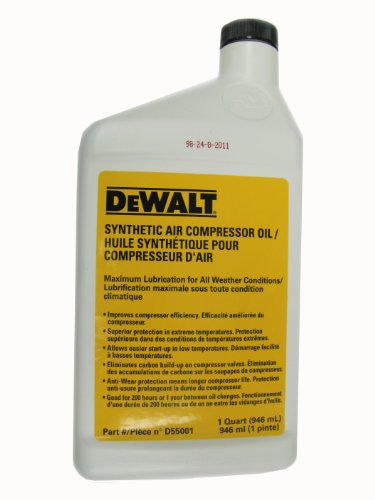 DeWalt D55001 1-Quart Compressor Oil |
9.1/10 | Buy | |
| Best Value |
 Milton 1002 SAE 30W Compressor Oil, 1 Gallon |
8.8/10 | Buy |
| Best Premium |
 ECOMAX 6-Gallon 150 PSI Portable Pancake Air |
8.8/10 | Buy |
 TRIAX Kompressor ISO 68 Full Synthetic Air |
8.6/10 | Buy | |
 Milton 1002-32 ISO-100 Compressor Oil, 32 oz |
8.4/10 | Buy | |
 TRIAX Kompressor ISO 100 SAE 30 Full Synthetic Air |
8.3/10 | Buy | |
 Ingersoll Rand All Season Select Oil, 5L |
8.3/10 | Buy | |
 CRAFTSMAN 8-Gallon 1.8 HP Air Compressor |
8.0/10 | Buy |
Mag 1 1-Gallon Air Compressor Oil
Formulated for reliable workshop maintenance, Mag 1 Air Compressor Oil uses refined petroleum base stocks paired with anti-foam additives to maintain stable lubrication. The generous one-gallon volume makes it a practical choice for keeping reciprocating or stationary compressors running smoothly over time.
Pros
- Anti-foam additives maintain steady lubrication
- Refined petroleum stocks promote smooth operation
- Formula helps extend compressor service life
- Generous 1-gallon volume handles multiple refills
Cons
- Jug weighs 7.25 pounds and can be heavy to pour
- One-gallon size may exceed small top-off needs
Triax Kompressor ISO 46 SAE 20 Full Synthetic Air
Triax Kompressor ISO 46 SAE 20 is a commercial-grade, full synthetic non-detergent compressor oil engineered for oil-lubricated reciprocating, rotary screw, and vane pumps operating in temperatures from -49°F to over 140°F. It provides exceptional thermal protection and extended component life for garage mechanics and shop owners maintaining heavy-duty pneumatic systems.
Pros
- Extreme all-weather operating range from -49°F to 140°F+ prevents cold-start motor stalling and high-heat viscosity breakdown
- Non-detergent full synthetic formula protects internal bearings and provides up to 20,000 hours of service longevity
- Lowers operating pump temperatures by 30% and actively sheds condensation to prevent internal crankcase rust
- Compatible with oil-lubricated reciprocating, rotary screw, and rotary vane compressor pumps from major manufacturers
Cons
- Not suitable for oil-free or maintenance-free dual-piston compressor designs that do not use crankcase oil
- Explicitly prohibited for use in breathing air systems, oxygen compressors, or liquid natural gas (LNG) units
- Single-quart volume may require purchasing multiple bottles for larger stationary 60-gallon or 80-gallon shop pump crankcases
DeWalt D55001 1-Quart Compressor Oil
Formulated for regular air compressor maintenance, the DeWalt D55001 comes in a handy one-quart bottle to keep pump components operating smoothly. It is a solid choice for workshops and job sites running oil-lubricated compressors that require dedicated manufacturer-grade fluid.
Pros
- Convenient 1-quart size for routine maintenance
- OEM formulation from an established tool brand
- Compact bottle design stores easily
Cons
- Not applicable for oil-free compressor models
- May require multiple bottles for high-capacity industrial tanks
Milton 1002 SAE 30W Compressor Oil, 1 Gallon
Milton 1002 is a non-detergent ISO-100 SAE 30W conventional lubricant engineered specifically for reciprocating air compressors. The one-gallon capacity makes it a sensible option for regular workshop equipment upkeep.
Pros
- Non-detergent formula tailored for reciprocating compressors
- Standard ISO-100 SAE 30W viscosity rating
- Generous one-gallon volume covers multiple refills
Cons
- Conventional mineral formula instead of synthetic blend
- Heavy container can be awkward to pour directly
ECOMAX 6-Gallon 150 PSI Portable Pancake Air
The ECOMAX 6-Gallon 150 PSI Pancake Air Compressor delivers portable, low-maintenance pneumatic power with its 1.5 HP oil-free pump, dual quick-connect couplers, and bundled 10-piece accessory kit. Featuring cold-weather starting support and a flip-up handle, it is an accessible choice for DIYers, trim carpenters, and garage tire maintenance.
Pros
- Comes with a 10-piece accessory kit including an air hose, tire chuck, and blow gun ready out of the box
- Dual quick-connect couplers enable two operators to run pneumatic lines simultaneously
- Oil-free pump design requires zero motor oil maintenance and prevents oil discharge into air lines
- Low-voltage and cold-weather startup capability helps ensure reliable motor turnover in chilly garages
- Flip-up carrying handle and built-in cord bracket simplify transport and tidy storage
Cons
- PVC air hose included in the kit can become stiff and difficult to manage in freezing temperatures
- Not intended for continuous high-demand air tools such as rotary sanders or automotive paint sprayers
- Standard universal motor noise level makes hearing protection advisable during indoor use
TRIAX Kompressor ISO 68 Full Synthetic Air
TRIAX Kompressor ISO 68 is a commercial-grade, full synthetic compressor lubricant engineered for oil-lubricated reciprocating, rotary screw, and vane pumps operating between -49°F and 140°F+. It is an excellent maintenance solution for auto mechanics, shop owners, and contractors seeking lower pump operating temperatures and up to 20,000 hours of service life.
Pros
- Extended 20,000-hour service life minimizes routine maintenance intervals on high-demand shop compressors
- All-season stability from -49°F to 140°F+ prevents cold-morning motor drag and high-heat viscosity breakdown
- Non-detergent formulation separates condensation cleanly to safeguard internal crankcase bearings
- Broad compatibility across major reciprocating, rotary screw, and rotary vane compressor manufacturers
Cons
- Not suitable for maintenance-free oil-free compressor designs or oxygen and Liquid Natural Gas (LNG) systems
- One-gallon container size exceeds the immediate refill capacity of small single-stage DIY splash-lube pumps
Milton 1002-32 ISO-100 Compressor Oil, 32 oz
Formulated specifically for oil-lubricated reciprocating compressors, this ISO-100 non-detergent lubricant shields pumps against wear and deposit buildup. It separates easily from moisture and remains fluid down to -15°F for dependable cold-weather starts.
Pros
- Protects internal components against wear and corrosion
- Non-detergent formula resists foaming and separates water
- Inhibits sludge and carbon deposit formation
- Maintains fluidity in temperatures down to -15°F
Cons
- Designed strictly for reciprocating pump mechanisms
- Conventional oil base rather than full synthetic
TRIAX Kompressor ISO 100 SAE 30 Full Synthetic Air
TRIAX Kompressor ISO 100 SAE 30 is a commercial-grade, full synthetic non-detergent compressor oil formulated for reciprocating, rotary screw, and vane pumps operating across extreme temperature ranges. It is well-suited for shop owners, auto mechanics, and contractors seeking extended service intervals and cooler operating temperatures for their oil-lubricated compressors.
Pros
- True all-season multi-viscosity performance down to -49°F for dependable cold-weather pump startup
- Non-detergent synthetic blend reduces crankcase sludge, carbon deposits, and thermal breakdown
- Rated for up to 20,000 service hours, drastically extending maintenance intervals compared to mineral oils
- Compatible with a wide spectrum of reciprocating, screw, and vane compressor brands
Cons
- Not compatible with oil-free compressor designs or oxygen and liquid natural gas (LNG) equipment
- One-gallon container size may exceed the simple top-off needs of small single-stage portable units
- Carries a higher initial purchase price than basic mineral-based non-detergent compressor oils
Ingersoll Rand All Season Select Oil, 5L
Formulated for year-round duty in reciprocating compressors, this OEM synthetic lubricant preserves viscosity through extreme cold and heat while minimizing valve carbon buildup. The 5-liter bottle provides sufficient capacity for complete fluid changes in continuous-duty shop equipment.
Pros
- Stable viscosity across winter cold and summer heat
- Lasts four times longer than petroleum oils
- Minimizes carbon buildup on valves and rings
- Genuine OEM factory-fill formulation
- Sized for full compressor oil changes
Cons
- Ten-pound jug can be awkward to pour directly
- Volume exceeds minor top-off needs
CRAFTSMAN 8-Gallon 1.8 HP Air Compressor
Built with a durable steel horizontal tank and an oil-free motor, this compressor delivers up to 150 PSI for garage projects, framing, and tire inflation. An included 10-piece accessory set and wheeled frame provide an accessible, mobile setup for home workshops.
Pros
- Oil-free pump requires zero regular maintenance
- Fast 45-second tank recovery cycle
- Generous 10-piece pneumatic accessory kit included
- Wheels and handle make transport easy
Cons
- Horizontal tank footprint requires significant floor storage space
- 1.8 HP motor is not intended for continuous industrial tools
How to Tell Whether a DEWALT Portable Compressor Needs Oil
Yes, some DEWALT portable compressors need oil, but others are oil-free. The correct answer comes from the exact model’s pump construction and manufacturer instructions, not from the DEWALT name or from the fact that compressor oil is sold separately. If the manual identifies an oil-lubricated pump and specifies an oil-check or change schedule, follow that schedule. If it identifies the pump as oil-free, do not pour lubricant into the pump.
This distinction is easy to miss because portable compressors share familiar features such as a tank, pressure gauges, a regulator, and quick couplers. Those parts don’t reveal whether the pump uses oil. A compressor can look much like another model while using a different pump design, so appearance and tank size aren’t reliable ways to determine lubrication requirements.
Start with the model number and pump instructions
Locate the model identification label on the compressor and use that exact model number when consulting its manual or DEWALT support information. Search the documentation for terms such as oil-free, oil-lubricated, pump oil, oil level, and oil change. A maintenance section that specifies a sight glass, dipstick, fill opening, oil grade, or service interval is useful evidence that the pump needs oil, but use only the instructions for that model.
If the instructions don’t clearly identify the pump type, pause before adding anything. A fill-looking cap or plug may have a different purpose, and a product listing can be incomplete or imprecise. Confirm the model details through DEWALT documentation or support instead of relying on a generic compressor-oil recommendation.
Don’t use the included accessories as proof of pump type either. A hose, tire chuck, blow gun, or nailer fitting says nothing about lubrication. Likewise, product titles that call a compressor portable, pancake, or jobsite-ready describe configuration or intended use, not necessarily pump maintenance.
Oil-free pumps still have maintenance needs
An oil-free pump doesn’t need oil added to its compression mechanism, but “oil-free” doesn’t mean the entire compressor is maintenance-free. Follow the manual for routine checks, cleaning, tank draining, electrical inspection, and any air-filter care that applies to the model. The precise parts and service intervals vary, so avoid transferring a procedure from a different compressor.
Many buyers favor oil-free designs for simpler lubrication upkeep and less concern about oil spilling during transport. That convenience doesn’t establish that an oil-free pump will last longer, run quieter, or supply more air than an oil-lubricated model. Air delivery, tank capacity, maximum pressure, duty limits, and noise are separate specifications to compare in the actual model documentation.
Oil-free compressors still collect moisture in their tanks as compressed air cools. Drain the tank as directed by the manufacturer, using the specified procedure, and keep the unit disconnected from its power source during maintenance. Tank drainage is different from pump lubrication: draining water does not call for adding oil, and oiling the pump does not replace condensation management.
How to choose oil for a model that requires it
Use the viscosity and type stated in the model’s manual. Compressor oils can differ by viscosity and formulation, and a product marketed for compressors is not automatically suitable for every pump. Do not substitute automotive engine oil unless the manufacturer explicitly directs you to do so; detergents or other formulation differences may make an unapproved substitute inappropriate.
The products listed here illustrate why the label matters. DEWALT Compressor Oil, 1-Quart (D55001) is identified as DEWALT compressor oil, while several other listings describe non-detergent compressor lubricants in different viscosity grades. That information does not establish that every product is approved for every DEWALT compressor. Match the oil’s stated grade to the manual rather than assuming brand, broad compatibility language, or a seller description overrides model-specific instructions.
For example, the supplied product information describes Milton 1002-32 as a non-detergent lubricant for oil-lubricated reciprocating compressors and identifies its viscosity as ISO 100. That can help a buyer understand what the listing claims, but it is not a substitute for checking whether the DEWALT pump calls for that grade. The TRIAX products likewise list specific viscosity grades and compressor types; use those claims only where the compressor documentation supports the match.
Container size is another practical consideration. A small bottle may suit an occasional top-up or service if the manual calls for that oil, while a larger container may be unnecessary for a portable unit that uses little lubricant. Don’t buy extra oil before confirming both the required type and the service amount in the official instructions.
Checking and changing oil without guessing
For an oil-lubricated model, follow the manual’s specified method for checking the level. Depending on the design, the check may involve a sight glass or another indicator, but don’t assume every compressor uses the same method. Place the compressor as directed for the reading, and use the stated fill limit rather than topping up until oil is visible at an arbitrary point.
Change intervals also belong to the manual. The required timing can depend on the compressor and operating conditions, and the available product data doesn’t provide a universal DEWALT service schedule. Record service dates if helpful, but don’t adopt an interval printed for a different model or infer one from an oil seller’s marketing copy.
Before pump maintenance, shut the unit down, disconnect it from electrical power, and follow the manual’s instructions for depressurizing or preparing the compressor. Let hot components cool as directed. Keep hands and clothing away from moving parts, and wear eye protection where maintenance could expose you to debris or pressurized air.
Use the manufacturer’s disposal guidance for used oil and clean spills promptly. Keep lubricant away from the tank and air outlet unless the manual specifically describes a procedure involving those parts. Compressed air can carry contaminants downstream, so avoid improvising by pouring oil into the tank, hose, or tool connection.
Oil loss, leaks, and warning signs
If a confirmed oil-lubricated pump repeatedly needs topping up, look for the cause rather than treating frequent additions as normal. Check the exterior for visible oil and consult the manual’s troubleshooting guidance. A leak, overfill, incorrect level-check method, or internal problem may require qualified service; the available information here isn’t enough to diagnose a specific DEWALT model.
Stop using the compressor if you notice an unusual change in operation, smell, smoke, or a substantial oil leak, and use the manufacturer’s troubleshooting and service channels. Don’t open a pressurized tank, bypass a safety device, or attempt to repair a pressure vessel. If a tank appears damaged or badly corroded, take it out of service and seek manufacturer guidance rather than patching or welding it.
Oil appearing in the air line is also not a reason to pour in more oil. It may indicate a maintenance or pump issue on an oil-lubricated unit, or contamination from another source. Disconnect tools, avoid using potentially contaminated air for sensitive work, and consult the model’s troubleshooting instructions before returning the compressor to service.
Separate pump oil from tank water and tool lubrication
Three different maintenance questions often get mixed together: pump oil, water in the tank, and lubrication required by an air tool. Pump oil is determined by the compressor pump design. Tank water is condensation managed through the drain procedure in the compressor manual. Tool lubrication, if required, is determined by the pneumatic tool’s own instructions.
These systems should not be treated as interchangeable. Adding compressor oil to a tank to stop corrosion is not a tank-maintenance method, and spraying oil into a tool line doesn’t service the compressor pump. Follow each item’s instructions and keep the compressor’s air supply appropriate for the work, particularly when the application is sensitive to oil or moisture.
Tank draining matters even on an oil-free model because moisture can remain after air has been compressed and cooled. Use the drain valve as directed and follow the manufacturer’s safety guidance. Before maintenance or transport, disconnect the power source and depressurize the tank fully according to the manual; never loosen fittings or remove a drain component while the vessel is pressurized.
What the product listings can and cannot tell you
The supplied product selection contains both oils and portable compressors. The ECOMAX six-gallon pancake compressor and the CRAFTSMAN eight-gallon horizontal-tank compressor are explicitly described in their listings as oil-free. Those descriptions can help distinguish those particular products, but they don’t establish the pump type of an unspecified DEWALT model.
Likewise, a DEWALT-branded oil listing shows that compressor lubricant is available, not that every DEWALT portable compressor needs it. A manufacturer can sell oil for compatible oil-lubricated equipment while also offering oil-free units. Product availability is not a maintenance instruction and should not be used to infer an unlisted model specification.
Specifications also need to be kept in their proper categories. A tank’s gallon capacity describes stored air volume, and maximum PSI describes a pressure limit; neither tells you whether the pump needs oil. CFM or SCFM ratings describe air delivery under stated conditions, not lubrication type. If you’re comparing compressors for pneumatic tools, use the tool’s air-demand information and the compressor’s published delivery data separately from the pump-maintenance question.
For related maintenance context, our compressor pump and lubrication overview provides another point of comparison, though industrial rotary-screw equipment is not a substitute for the instructions for a portable DEWALT unit. Keep model-specific documentation at hand, especially when comparing oil grades or service intervals. If the manual is unavailable or ambiguous, ask DEWALT support to confirm the correct procedure before adding lubricant.
A practical decision before the next startup
Before operating a compressor that may require oil, confirm the model, verify the pump type, and check the specified oil level by the method in the manual. Add only the lubricant and amount the manufacturer specifies, and investigate recurring loss rather than repeatedly topping up. If the unit is oil-free, leave the pump oil alone and follow its actual maintenance schedule.
In short, a DEWALT portable air compressor needs oil only if its particular pump is designed for oil lubrication. The model manual is the deciding source; product listings and oil availability are supporting clues, not proof. Confirm first, service according to the documented procedure, and keep tank drainage and pneumatic-tool maintenance as separate tasks.
About the author
Kenny Koehler is a power-tool specialist with more than a decade of hands-on evaluation experience and a science-based approach to product testing. His expertise in repeatable testing, tool performance, impact wrenches, and professional equipment brings a practical, data-focused perspective to compressor and pneumatic-tool comparisons.