
What Oil Do I Use in My Air Compressor: Practical Guide for 2026
Determine what oil do i use in my air compressor choices and viscosity grades for October 2026 to stop valve wear and protect your pump.
 By Clint DeBoer
Updated October 8, 2026
By Clint DeBoer
Updated October 8, 2026

Operating an oil-lubricated compressor pump without the correct lubricant risks severe internal friction, cylinder scoring, and premature reed valve carbonization. Cast-iron reciprocating pumps generate tremendous heat during compression cycles, and using standard automotive motor oil with detergent additives will foam, emulsify with condensed moisture, and coat the valve plates with heavy carbon crusts. Knowing what oil do i use in my air compressor is critical for protecting the pump crankcase, maintaining proper ring seal, and preventing thermal overload during extended continuous runs.
Selecting the proper fluid involves matching the viscosity grade and base stock to your specific equipment architecture, whether you operate single-stage and two-stage pump systems or high-demand rotary screw machines. Dedicated non-detergent ISO 68 or ISO 100 compressor oils and full-synthetic formulations resist thermal breakdown while allowing moisture to separate cleanly at the crankcase bottom. Investing in the correct air compressor lubricant ensures smooth cold-weather starts, steady CFM delivery, and reliable pressure recovery across every demanding workshop project.
| Award | Product | ACR Score About ACR ScoreThe ACR Score is our own rating from 0 to 10, based on performance, design and build, ease of use, and value. It reflects independent research and is never influenced by manufacturers, retailers, or affiliate commissions. Learn more › | |
|---|---|---|---|
| Best Overall |
Ingersoll Rand All Season Select Synthetic
|
9.2/10 | Buy |
| Best Budget |
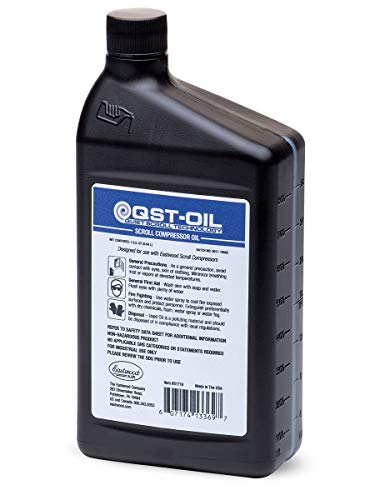 Eastwood Excellent Wear Protection Compressor Oil
|
8.9/10 | Buy |
 Quincy Compressor 112543G100 Quincy Quin-Cip
|
8.9/10 | Buy | |
| Best Premium |
 Breathing Oil for Compressors
|
8.9/10 | Buy |
| Best Value |
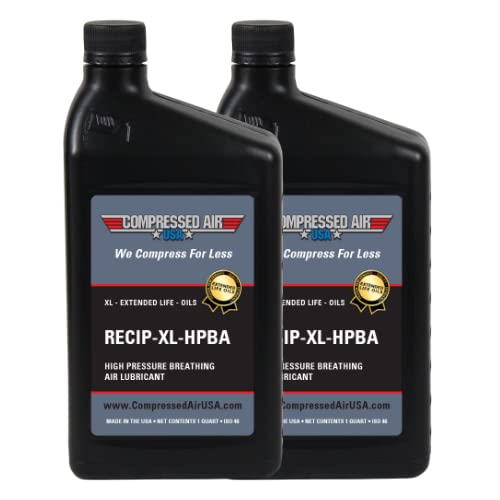 Compressed Air USA Breathing Safe Lubricating Oil
|
8.8/10 | Buy |
 Jenny Ultimate Blue 100% Synthetic Air Compressor
|
8.6/10 | Buy | |
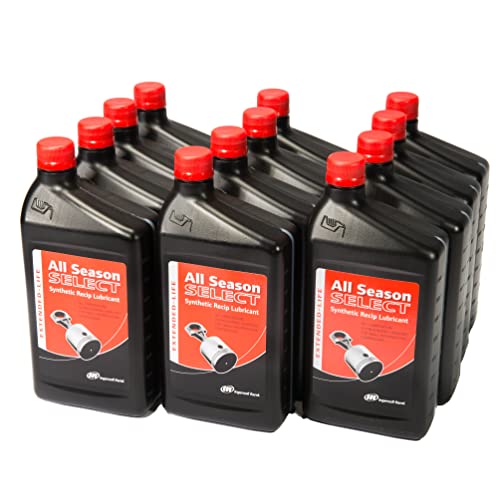 Ingersoll Rand All Season Select Compressor Oil
|
8.4/10 | Buy | |
 Industrial Compressor Supplies-250030-757
|
8.3/10 | Buy | |
 Standard 4000 Hour Rotary Screw Air Compressor
|
8.1/10 | Buy | |
 Ingersoll Rand 38440228 Compressor Oil (3)
|
8.1/10 | Buy |
Comprehensive Guide to Selecting the Right Air Compressor Oil
Choosing the correct lubricant for an air compressor pump directly influences mechanical efficiency, internal operating temperatures, and pump lifespan. Unlike internal combustion engines, an air compressor pump does not generate combustion byproducts, but it must handle extreme compression heat, mechanical friction, and continuous internal moisture condensation. Filling your compressor crankcase with the appropriate non-detergent or synthetic fluid prevents valve carbonization, minimizes piston ring wear, and ensures smooth operation across varying workshop temperatures.
Core Lubrication Requirements: Why Compressor Oil Differs from Motor Oil
Standard automotive engine oils are engineered with heavy detergent packages designed to scrub away carbon byproducts and keep microscopic combustion debris suspended in the fluid. In an air compressor crankcase, these detergent additives create severe operational problems because they foam violently under high-speed reciprocating splash cycles. Foaming collapses the protective hydrodynamic oil wedge between the connecting rod journals and cylinder walls, leading to rapid metal-on-metal contact. Detergents also prevent atmospheric moisture from separating cleanly, turning the oil into an emulsified sludge that accelerates internal pump corrosion.
Compressor pumps require specialized non-detergent lubricants that promote rapid water separation, known as demulsibility. When ambient air is compressed, atmospheric moisture condenses inside the crankcase and settles at the bottom of the oil reservoir where it can be periodically purged. Dedicated compressor oils also feature high flash points and low carbon-forming tendencies, preventing sticky varnish deposits from baking onto hot discharge reed valves. Using conventional motor oil in place of dedicated compressor fluid frequently leads to stuck valves, blown head gaskets, and cylinder scoring.
Understanding Viscosity Ratings: ISO Weight vs. SAE Standards
Compressor manufacturers typically specify lubricant viscosity using either standard SAE automotive weight numbers or industrial ISO viscosity grades. Standard single-stage and two-stage reciprocating pumps commonly specify SAE 30 non-detergent oil for normal ambient shop temperatures, which correlates closely to an ISO 100 industrial lubricant rating. For colder operating conditions where ambient garage temperatures drop near freezing, manufacturers often recommend dropping to an SAE 20 weight or an ISO 68 grade. Matching the exact viscosity ensures the splash dipper on the connecting rod can atomize the oil effectively upon cold motor startup.
Selecting a fluid that is too thick creates excessive drag on the electric motor, causing startup inrush amperage spikes that can trip standard workshop circuit breakers. Conversely, operating with a lubricant that is too thin under heavy summer workloads reduces film strength, resulting in accelerated cylinder wear and increased oil carryover into downstream pneumatic lines. Quality OEM formulations, such as the Quincy Compressor 112543G100 Quincy Quin-Cip SAE 30 oil, provide the precise kinematic viscosity required for reciprocating cast-iron cylinders across standard industrial temperature bands. Always check your pump sight glass and manufacturer specifications before substituting viscosity grades.
Non-Detergent Mineral Oils vs. Full Synthetic Compressor Fluids
Standard mineral-based non-detergent oils are refined petroleum products that provide dependable lubrication for light-duty and intermittent home garage tasks. While mineral oils offer a cost-effective solution for basic workshop maintenance, they break down rapidly when exposed to continuous duty cycles and elevated pump head temperatures. Under heavy use, petroleum basestocks oxidize, forming sludge and varnish on the valve plates and intake disc assemblies. Mineral lubricants generally require replacement every 250 to 500 operating hours to maintain adequate film strength and thermal protection.
Full-synthetic compressor lubricants utilize engineered polyalphaolefin or synthetic ester basestocks that provide exceptional resistance to thermal oxidation. Formulations like Ingersoll Rand All Season Select Synthetic or Jenny Ultimate Blue 100% Synthetic Air Compressor oil hold their viscosity across extreme temperature swings without thinning out or gumming up reed valves. Synthetic lubricants typically extend drain intervals significantly longer than standard mineral oil, often operating reliably between 2,000 and 4,000 operating hours. For high-duty-cycle environments and professional workshops, synthetic lubricants significantly reduce maintenance downtime and component wear.
Lubricant Requirements by Compressor Pump Architecture
Reciprocating piston compressors rely on a splash-lubrication dipper or pressurized oil pump to deliver lubricant to cylinder walls, wrist pins, and crankshaft bearings. These pumps demand robust anti-wear additives and exceptional demulsibility to handle the severe cyclical stresses of back-and-forth piston movement. When planning a permanent stationary workshop compressor installation, matching the lubricant to a cast-iron reciprocating pump protects critical bearing surfaces during extended air-tool cycles. Both single-stage and two-stage reciprocating pumps thrive on heavy-bodied ISO 68 or ISO 100 synthetic or non-detergent mineral oils.
Rotary screw compressors operate under entirely different mechanical principles, injecting fluid directly into the meshing screw rotors to seal, cool, and lubricate the compression chamber. Because rotary screw machines discharge air and oil together at temperatures exceeding 200 degrees Fahrenheit, they require specialized low-foaming fluids with high thermal stability, such as Standard 4000 Hour Rotary Screw Air Compressor oil or Industrial Compressor Supplies-250030-757 replacement fluid. Scroll compressors, by contrast, utilize orbiting scroll spirals that require specialized synthetic scroll lubricants like Eastwood Excellent Wear Protection Compressor Oil to protect delicate spiral seals without leaving gummy residues.
Specialized Lubricants: High-Pressure Breathing Air and Extreme Environments
Compressors utilized for breathing air applications, such as SCUBA diving tanks, firefighting SCBA equipment, and medical air delivery systems, require strictly controlled specialized lubricants. Standard industrial oils release volatile organic compounds and toxic vapors when exposed to high-pressure multi-stage compression heat, which can poison downstream air supplies. Lubricants like Breathing Oil for Compressors and Compressed Air USA Breathing Safe Lubricating Oil are specifically formulated as non-toxic, high-flash-point fluids designed to prevent hazardous vapor release.
These specialized breathing air lubricants undergo rigorous purification to ensure they resist varnish formation, auto-ignition, and toxic chemical off-gassing under multi-stage pressures reaching several thousand PSI. They also provide superior rust and corrosion defense for high-pressure valve components without creating dangerous carbon deposits. Operating breathing air machinery with generic workshop oils represents a severe safety hazard that can compromise air filtration stacks and endanger human life. Never substitute conventional garage compressor oil into any high-pressure system intended for human respiratory support.
How Ambient Temperature and Operating Duty Cycle Dictate Oil Selection
Ambient garage temperatures directly alter fluid viscosity and pump startup behavior. In unheated winter workshops, heavy SAE 30 petroleum oil thickens substantially, creating immense drag that resists electric motor rotation and can trip 15-amp or 20-amp household circuit breakers. Synthetic multi-viscosity blends solve cold-weather starting issues by flowing freely at low temperatures while retaining sufficient boundary lubrication once the pump reaches operating heat. When cold temperatures are unavoidable, synthetic formulations eliminate the need for artificial heating or manual unloader valve venting during startup.
High-humidity summer climates present the opposite challenge by introducing massive quantities of moisture into the pump crankcase. Pumps running low duty cycles never generate enough internal heat to boil off condensed water, causing petroleum lubricants to turn milky and lose protective film strength. Synthetic lubricants resist moisture emulsification far more effectively, allowing water droplets to drop harmlessly to the bottom of the reservoir until drained. Selecting an all-weather synthetic ensures year-round protection, regardless of whether your shop experiences sub-freezing mornings or sweltering summer afternoons.
Step-by-Step Procedure for Checking, Draining, and Refilling Pump Oil
Before performing any maintenance, shut off electrical power at the circuit breaker or disconnect switch and depressurize the air storage tank completely. Following safe protocols for proper air compressor operation and maintenance prevents accidental motor starts or high-pressure blowouts during fluid servicing. Allow the compressor pump to cool down until the crankcase is warm to the touch, as warm fluid drains faster and carries out suspended particulate debris. Position a dedicated drain pan beneath the crankcase drain plug before removing the threaded fitting.
Remove the oil fill cap or breather plug on top of the pump to relieve internal crankcase vacuum and facilitate a smooth, steady drain flow. Inspect the drained fluid for metallic glitter, milky discoloration, or thick sludge, which indicate internal bearing wear or severe water contamination. Clean the magnetic drain plug threads, wrap them with a layer of PTFE thread sealant tape, and thread the plug back into the pump casting securely. Avoid over-tightening the drain plug into aluminum or cast-iron housings to prevent stripping the delicate crankcase threads.
Using a clean funnel, slowly pour the manufacturer-specified non-detergent or synthetic oil into the crankcase fill port. Monitor the oil level sight glass or dipstick continuously during filling to avoid overfilling the reservoir. The correct oil level typically aligns with the center red dot of the glass sight window or reaches the upper crosshatch mark on a metal dipstick. Reinstall the vented breather cap tightly, reconnect power, and run the compressor unpressurized for two minutes to circulate fresh lubricant across all bearing journals.
Recognizing Warning Signs: Oil Breakdown, Contamination, and Carryover
Regular visual inspection of the pump oil sight glass reveals critical insights into internal crankcase health. Healthy compressor lubricant appears clear or amber, retaining translucent clarity throughout its active service life. If the fluid turns milky white or opaque beige, atmospheric water has emulsified with the oil, meaning the pump is not reaching sufficient operating temperature to purge condensation. Operating a pump with water-contaminated fluid causes rapid bearing pitting, crankshaft corrosion, and catastrophic connecting rod failure.
Dark brown or blackened oil indicates severe thermal oxidation and prolonged overheating, signaling that the lubricant has broken down and lost its film strength. Smelling the crankcase breather can also confirm thermal degradation, as burned oil produces an acrid, pungent odor. Furthermore, excessive oil carryover spraying out of downstream pneumatic air hoses often points to either an overfilled crankcase, worn piston rings, or the use of an improper low-viscosity automotive oil that foams uncontrollably. Catching these warning signs early allows you to drain the fluid, inspect internal valves, and restore clean air delivery before permanent mechanical failure occurs.
Establishing a Preventative Maintenance Schedule for Long Pump Life
Establishing a consistent routine ensures your compressor pump delivers steady CFM and maximum working pressure for decades. Check the crankcase oil level before every major work session, ensuring the fluid rests precisely at the midpoint of the sight glass. For busy workshops running multiple reciprocating machines, stocking bulk quantities like the Ingersoll Rand All Season Select Compressor Oil case makes regular top-offs and scheduled fleet maintenance simple and efficient. Clean the external cooling fins and intake air filter regularly to promote proper heat dissipation and prevent abrasive dust from entering the crankcase oil supply.
Change mineral-based compressor oil every 250 to 500 operating hours, or at least every three to six months in moderate workshop environments. High-performance synthetic lubricants should be changed annually or every 2,000 to 4,000 hours, depending on manufacturer recommendations and ambient dust levels. Always log oil service dates and running hours on a tag affixed directly to the compressor tank or frame. Routine fluid maintenance, combined with daily moisture draining from the tank bottom, protects your capital investment and keeps pneumatic tools operating at peak performance.
Selecting the right lubricant for your air compressor protects critical mechanical tolerances and prevents costly downtime in the middle of important projects. Matching pump architecture, operating temperatures, and viscosity requirements ensures dependable pressure buildup and extended valve life. Always consult your manufacturer guidelines, choose dedicated non-detergent or synthetic compressor formulations, and service the crankcase regularly to enjoy reliable pneumatic power for years to come.
About the author
Clint DeBoer is an experienced tool-industry specialist with decades of involvement in technical media, hands-on product evaluation, and testing methodology. His focus on performance, practical usability, and data-driven comparisons makes his expertise highly relevant to professional air compressors, pneumatic tools, and workshop equipment.