
What Oil Should I Use in My Air Compressor: Practical Guide for 2026
Learn what oil should i use in my air compressor to protect pump valves, prevent carbon buildup, and ensure peak performance in October 2026.
 By Tony Carrick
Updated October 8, 2026
By Tony Carrick
Updated October 8, 2026

Operating a reciprocating or rotary screw pump under heavy duty cycles creates tremendous friction and thermal stress across cylinder walls, pistons, and valve plates. Selecting the wrong crankcase lubricant can cause severe carbon accumulation, ring sticking, or catastrophic pump seizure before an operator even realizes the oil has broken down. Many workshop owners wonder what oil should i use in my air compressor when routine maintenance schedules require a crankcase drain and refill. Checking your pump architecture against our detailed air compressor oil selection guide helps identify the precise formulation needed to protect vital pump internals against premature friction wear.
Unlike internal combustion engines, air compressors lack exhaust systems to carry away combustion byproducts, which means conventional motor oils with detergent packages can cause emulsification and valve fouling inside the crankcase. High-pressure pumps generate intense thermal loads that require specialized synthetic or non-detergent petroleum lubricants engineered to shed moisture and resist oxidation. Whether servicing an intermittent garage unit or evaluating a heavy-duty industrial setup using our two-stage air compressor guide, choosing a dedicated compressor lubricant ensures proper splash or pressure lubrication across critical bearings. Using the correct oil viscosity prevents excessive startup drag, lowers operating crankcase temperatures, and keeps pneumatic power delivery stable under demanding shop conditions.
| Award | Product | ACR Score About ACR ScoreThe ACR Score is our own rating from 0 to 10, based on performance, design and build, ease of use, and value. It reflects independent research and is never influenced by manufacturers, retailers, or affiliate commissions. Learn more › | |
|---|---|---|---|
| Best Overall |
Ingersoll Rand All Season Select Synthetic
|
9.2/10 | Buy |
| Best Premium |
 Breathing Oil for Compressors
|
8.9/10 | Buy |
| Best Value |
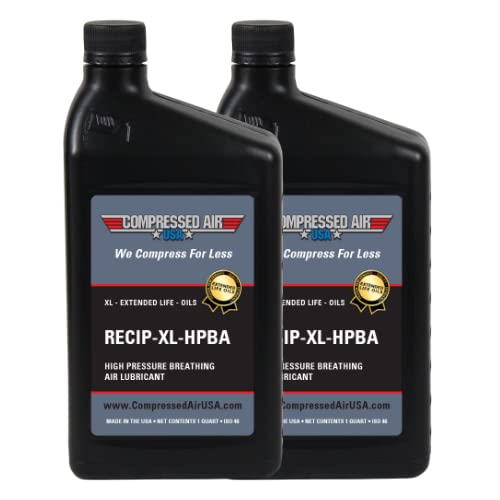 Compressed Air USA Breathing Safe Lubricating Oil
|
8.8/10 | Buy |
| Best Budget |
 HPDMC Air Compressor Oil 4 Liter 100% Synthetic
|
8.6/10 | Buy |
 Jenny Ultimate Blue 100% Synthetic Air Compressor
|
8.6/10 | Buy | |
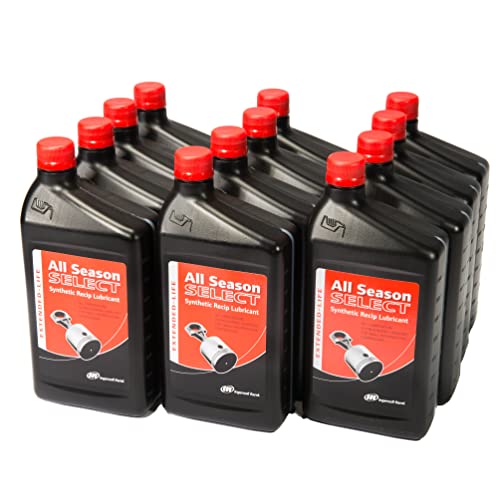 Ingersoll Rand All Season Select Compressor Oil
|
8.4/10 | Buy | |
 Evenoonest Air Compressor Oil Vent
|
8.3/10 | Buy | |
 Industrial Compressor Supplies-250030-757
|
8.3/10 | Buy | |
 Standard 4000 Hour Rotary Screw Air Compressor
|
8.1/10 | Buy | |
 Ingersoll Rand 38440228 Compressor Oil (3)
|
8.1/10 | Buy |
Understanding Compressor Lubrication and Pump Oil Requirements
Every oil-lubricated compressor relies on a dedicated fluid film to minimize friction between pistons, cylinder walls, crankshaft bearings, and connecting rods. Choosing the right lubricant requires matching the pump design to a fluid engineered specifically for gas compression rather than internal combustion. Most single-stage and two-stage reciprocating pumps require high-grade non-detergent mineral oil or full synthetic compressor lubricant rated between ISO 68 and ISO 100. Using standard engine oil or the wrong viscosity grade compromises the internal seals, accelerates valve carbonization, and dramatically reduces pump efficiency over time.
Why Standard Automotive Motor Oil Damages Air Compressor Pumps
Automotive motor oils are formulated with complex detergent additives designed to suspend combustion blow-by, carbon soot, and metallic contaminants in vehicle engines. Because an air compressor operates without fuel combustion, these detergent chemistry packages serve no beneficial purpose inside the crankcase. Instead, detergents absorb ambient condensation drawn into the pump during normal compression cycles, creating a cloudy, milky emulsion that degrades lubricity. This suspended moisture circulates through the connecting rod bearings and cylinder walls, promoting accelerated corrosion and premature mechanical wear.
Operating temperatures inside a reciprocating compressor cylinder head can exceed temperatures found in many combustion engines. Automotive multi-viscosity oils contain polymeric viscosity index improvers that shear and break down under sustained compressor thermal cycling. As these polymers degrade, they bake onto hot discharge reed valves, forming brittle carbon crusts that prevent valves from seating flat against the valve plate. Once reed valves fail to seal, hot pressurized air blows back into the cylinder, causing the pump to run hotter, cycle longer, and eventually overheat.
Non-Detergent Petroleum Versus Full Synthetic Compressor Lubricants
Standard petroleum compressor oils are refined mineral base stocks formulated without detergents, offering dependable splash lubrication for light-duty or intermittent workshop operation. These conventional mineral oils allow moisture to separate cleanly at the bottom of the crankcase rather than holding it in suspension. However, mineral oils break down relatively quickly when subjected to continuous duty cycles and elevated pump head temperatures. Operators running compressors in production shops often find that mineral fluids require frequent changes to prevent crankcase sludging and varnish accumulation.
Full synthetic compressor lubricants utilize engineered polyalphaolefin or ester base stocks that provide exceptional oxidation stability across severe temperature swings. Formulations like Ingersoll Rand All Season Select Synthetic are engineered to deliver up to four times the service life of standard petroleum lubricants. Synthetic blends maintain consistent film thickness during cold garage startups while resisting thermal thinning and carbonization under continuous summer operation. This extended stability protects cylinder walls, preserves reed valve flexibility, and significantly reduces routine maintenance downtime for busy facilities.
Viscosity Grades and Temperature Ratings: ISO 46, ISO 68, ISO 100, and ISO 150
Industrial compressor lubricants are categorized by the International Organization for Standardization (ISO) viscosity grading system rather than standard automotive SAE ratings. An ISO 46 lubricant corresponds roughly to an SAE 20 weight oil, making it suitable for lower ambient temperatures or specialized rotary equipment. The most common grade for general workshop reciprocating pumps is ISO 100, which corresponds closely to an SAE 30 non-detergent oil. Selecting an oil with the proper ISO rating ensures the fluid is thin enough to splash-lubricate bearings during startup yet viscous enough to seal cylinder gaps under pressure.
High-pressure multi-stage pumps and severe-duty units often demand heavier formulations like HPDMC Air Compressor Oil 4 Liter 100% Synthetic, which is rated at ISO 150. Heavy ISO 150 fluids provide higher hydrodynamic film strength to support the intense mechanical loads found in high-pressure reciprocating pumps and vacuum boosters. Conversely, using an ISO 150 oil in a light-duty single-stage pump running in a sub-freezing garage can cause severe startup drag and trip electrical breakers. Matching fluid viscosity to both the pump manufacturer recommendations and the ambient workshop climate prevents motor stalling and component starvation.
Ambient operating temperatures directly influence how quickly oil circulates through the crankcase passages during initial machine startup. In unheated winter garages, heavy oils become thick and sluggish, forcing the electric motor to pull excessive inrush amperage while running dry on the cylinder walls for several seconds. Synthetic all-temperature lubricants resolve this seasonal dilemma by maintaining low pour points in freezing weather while resisting thermal thinning at high operating discharge temperatures. Consulting your equipment manual allows you to adjust viscosity selections between seasonal extremes without sacrificing critical hydrodynamic protection.
Lubrication Demands for Reciprocating Piston Versus Rotary Screw Compressors
Reciprocating piston compressors rely on splash or pressure lubrication within a closed crankcase to protect connecting rods and cylinder walls. In contrast, rotary screw air compressors inject lubricating fluid directly into the compression chamber between the intermeshing helical rotors. This injected fluid acts simultaneously as a mechanical sealant, rotor lubricant, and primary coolant to absorb the heat of compression. Using an ordinary piston oil in a rotary screw machine can destroy internal air-oil separator elements and cause catastrophic air end failure within hours of operation.
Rotary screw systems require specialized fluids like Industrial Compressor Supplies-250030-757 or Standard 4000 Hour Rotary Screw Air Compressor oil. These formulations are rated for 4,000 hours of continuous operation at high discharge temperatures while resisting foaming and rapid oxidative breakdown. Rotary screw lubricants must also separate quickly from compressed air in the separator vessel to prevent excessive downstream oil carryover into delicate pneumatic tools. Understanding whether your shop system utilizes piston compression or rotary screws is essential, particularly when referencing our compressor operating pressure guide to assess continuous duty delivery demands.
Specialized Breathing Air and High-Pressure System Requirements
Compressors dedicated to producing breathing air for diving cylinders, firefighting SCBA packs, or medical respiratory equipment operate under strict environmental and chemical standards. Standard industrial lubricants can off-gas volatile organic compounds, carbon monoxide, or toxic vapors that compromise life-support air purity. Specially formulated products like Breathing Oil for Compressors and Compressed Air USA Breathing Safe Lubricating Oil use non-toxic, non-hazardous base stocks. These lubricants undergo rigorous purification to ensure that downstream breathing air filtration systems can safely remove any trace hydrocarbon vapors.
Breathing air compressors typically operate across multi-stage configurations generating pressures between 3,000 and 5,000 PSI, which creates extraordinary cylinder head temperatures. Lubricants for these severe-service machines feature exceptionally high flash points and auto-ignition thresholds to prevent crankcase detonation under extreme compression loads. In addition, these fluids control varnish formation across microscopic interstage valve passages, ensuring reliable gas flow across each compression cycle. Never substitute general workshop oils into any compressor connected to life-support breathing systems, regardless of the pump size or temporary maintenance convenience.
The Critical Role of Crankcase Breather Vents and Pressure Relief Caps
Crankcase pressure management is just as crucial to pump health as the chemical composition of the lubricant inside the reservoir. During normal reciprocating motion, small amounts of pressurized air slip past the piston rings, creating positive pressure within the sealed crankcase cavity. If this crankcase pressure cannot escape, it forces oil past the crankshaft oil seals, causing persistent leaks and dangerous oil aeration. Installing a dedicated breather vent like the Evenoonest Air Compressor Oil Vent allows crankcase air to expand and vent safely without blowing out seals.
A high-quality 15.5mm breather vent incorporates internal baffling or splash deflector plates to stop liquid oil droplets from escaping during operation. At the same time, the vent prevents airborne shop dust, grit, and ambient moisture from entering the crankcase and contaminating the lubricant. Inspecting the breather cap during every oil change ensures that dirt or dried oil residue has not clogged the ventilation passage. If the vent becomes obstructed, crankcase pressures will spike, resulting in foaming oil, erratic level readings on the sight glass, and premature seal failure.
Step-by-Step Procedure for Checking, Topping Off, and Changing Compressor Oil
Servicing compressor oil begins with safety preparation and verifying that the machine is completely disconnected from electrical power. Disconnect the main power plug or switch off the dedicated circuit breaker, and pull the ASME safety relief valve ring to ensure the tank contains zero stored pressure. Before draining the crankcase, running the pump for several minutes under moderate load warms the oil, allowing contaminants and settled sludge to drain freely. If your shop installation runs on higher electrical demand, consulting our air compressor electrical circuit sizing guide helps verify circuit stability before powering on for warm-up.
Position a clean drain pan beneath the crankcase drain plug, remove the plug slowly, and allow all used fluid to drain completely into the pan. Inspect the magnetic drain plug tip for heavy metallic shavings, which can indicate bearing failure, while wiping the drain threads clean before reinstalling. Remove the oil fill plug or breather cap, and slowly pour fresh synthetic or non-detergent lubricant into the crankcase opening using a clean funnel. Monitor the oil level sight glass or dipstick carefully during filling, stopping as soon as the fluid reaches the center red dot or full indicator line.
Overfilling the crankcase is a widespread mistake that causes serious operational issues, including oil foaming and heavy oil discharge through the air lines. When the oil level is too high, the connecting rod splash dippers slap the fluid surface with excessive force, aerating the oil into a frothy lather. Aerated oil loses its hydrodynamic cushioning ability, which leads to metal-on-metal contact across crank journals and cylinder walls. After reaching the exact level mark, securely tighten the fill plug, reconnect power, and let the pump cycle to cut-out pressure while checking for leaks around the drain plug.
Diagnosing Lubrication Failures, Foaming, and Oil Carryover Symptoms
Monitoring lubricant color and clarity through the sight glass provides immediate insight into the internal condition of your compressor pump. Fresh compressor oil is typically amber or light blue, maintaining clear transparency across several hundred operating hours. If the fluid turns milky white or beige, ambient humidity has condensed inside the crankcase faster than the pump can vaporize and vent it. Running the compressor for longer duty cycles can help warm the crankcase enough to burn off light condensation, but heavily emulsified oil must be changed immediately.
Black or darkened oil accompanied by an acrid burnt odor indicates severe thermal breakdown and excessive valve head operating temperatures. In severe cases, degraded oil thins out and blows past worn piston rings into the air tank, coating the inside of air hoses and ruining downstream pneumatic paint sprayers. If you notice an oily residue spraying from quick-connect couplers or excessive oil consumption between routine checks, inspect the pump for worn oil scraper rings or clogged intake filters. Replacing contaminated oil and resolving ring blow-by stops downstream tool damage and restores efficient air delivery.
Recommended Maintenance Intervals and Warranty Preservation Practices
Establishing a rigid maintenance schedule ensures long pump life and protects equipment warranties from being voided by manufacturer claims of neglect. New cast-iron reciprocating pumps typically require an initial break-in oil change after the first 20 to 50 operating hours to purge manufacturing debris and wear metal. Following initial break-in, conventional non-detergent petroleum oils require replacement every 250 to 500 operating hours, or at least every three months in active commercial shops. Premium synthetic lubricants like Jenny Ultimate Blue 100% Synthetic Air Compressor extend drain intervals up to 1,000 or 2,000 hours, depending on operating severity.
Commercial facilities running multiple service bays often benefit from ordering lubricant in bulk cases like the Ingersoll Rand All Season Select Compressor Oil 12-pack or multi-quart packs such as Ingersoll Rand 38440228 Compressor Oil (3). Maintaining consistent OEM-specified lubricants across your entire equipment fleet streamlines routine service logging and prevents accidental cross-contamination with incompatible fluids. Keeping detailed records of every oil change and fluid level inspection provides documented proof of proper maintenance if a warranty claim arises. Routine lubrication management represents the single most cost-effective practice for avoiding costly pump replacements and maintaining uninterrupted pneumatic air production.
Selecting the correct compressor oil requires looking past generic automotive fluids and prioritizing non-detergent, ISO-rated formulas engineered for gas compression. Whether maintaining a compact single-stage workshop compressor with high-grade synthetic fluid or servicing an industrial rotary screw system with a dedicated 4,000-hour blend, correct lubrication protects your investment. Always depressurize the tank, inspect the crankcase breather vent, and maintain the fluid level squarely at the center of the sight glass. Following these practical maintenance guidelines ensures reliable air tool power, quiet pump operation, and dependable service life across every project.
About the author
Tony Carrick is an experienced product researcher and writer specializing in tools, home improvement, automotive maintenance, and consumer equipment. With extensive experience reviewing tools and tackling hands-on renovation projects, he brings a buyer-focused perspective to compressor performance, usability, and overall value.