
What Oil to Use for Air Compressor: Practical Guide for 2026
Learn what oil to use for air compressor units in October 2026, covering non-detergent ISO ratings, synthetic blends, and pump protection.
 By Bob Beacham
Updated October 8, 2026
By Bob Beacham
Updated October 8, 2026
Piston pumps in workshop air compressors generate intense thermal loads and mechanical friction across cylinder walls, making proper lubrication vital for equipment longevity. When determining what oil to use for air compressor pumps, matching the exact viscosity and additive profile protects internal connecting rods and valve plates from premature failure. Standard automotive lubricants might seem convenient in an emergency, but their detergent chemistry can severely damage reciprocating pumps over time. Understanding the mechanical distinction between detergent motor oils and non-detergent machine lubricants helps prevent costly pump replacements. You can review our detailed breakdown on using motor oil in air compressors to see why automotive formulations create serious operational hazards.
Selecting the correct lubricant requires evaluating whether your pump needs an ISO 46, ISO 68, or ISO 100 weight fluid to match ambient shop temperatures. Modern full synthetic compressor oils maintain a stable hydrodynamic film during heavy duty cycles, whereas conventional mineral oils provide dependable protection in moderate operating environments. High-quality air compressor lubricants also feature anti-foaming agents that prevent air bubbles from collapsing protective oil films on high-speed crankshaft bearings. Taking time to inspect your pump sight glass and choosing a dedicated non-detergent oil keeps your compressor operating smoothly for years.
| Award | Product | ACR Score About ACR ScoreThe ACR Score is our own rating from 0 to 10, based on performance, design and build, ease of use, and value. It reflects independent research and is never influenced by manufacturers, retailers, or affiliate commissions. Learn more › | |
|---|---|---|---|
| Best Overall |
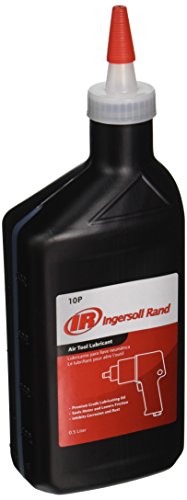
Ingersoll Rand 10P Edge Series Premium Air Tool
|
9.2/10 | Buy |
| Best Value |
 Mag 1 Air Compressor Oil 1 Gallon (Pack of 1)
|
9.2/10 | Buy |
| Best Budget |
 TRIAX Kompressor ISO 46 SAE 20, Full Synthetic
|
9.1/10 | Buy |
| Best Premium |
 Quincy Compressor 112543G100 Quincy Quin-Cip
|
8.9/10 | Buy |
 Milton 1002 High Performance Conventional Air
|
8.8/10 | Buy | |
 TRIAX Kompressor ISO 46 SAE 20, Full Synthetic
|
8.8/10 | Buy | |
 TRIAX Kompressor ISO 68, Full Synthetic
|
8.6/10 | Buy | |
 Ingersoll Rand All Season Select Synthetic Air
|
8.6/10 | Buy | |
 Milton 1002-32 High Performance Conventional Air
|
8.4/10 | Buy | |
 Mobil - 100870 Rarus 427, Compressor, 1 qt, ISO100
|
8.3/10 | Buy |
Essential Guidelines on Compressor Lubrication and Pump Oils
Pneumatic compressor pumps operate under sustained thermal stress and tight mechanical clearances, demanding lubricants specifically formulated for compression cycles. Selecting the correct pump oil requires evaluating base stock chemistry, viscosity ratings, and anti-foaming additives that match your specific operating environment. Pouring the wrong fluid into a crankcase can quickly lead to valve carbonization, seal degradation, or total mechanical seizure. Understanding the core lubrication principles outlined below will help you protect your investment and maintain reliable air pressure for all your pneumatic tools.
The Critical Role of Non-Detergent Formulations in Compressor Pumps
Standard automotive engine oils contain aggressive detergent packages engineered to scour combustion byproducts and hold carbon particles in suspension. Internal combustion engines utilize replaceable spin-on oil filters to capture those suspended contaminants before they circulate back through crankshaft journals. Air compressor pumps lack internal combustion cycles and rarely feature pressurized oil filtration systems. Circulating suspended particulates through splash-lubricated compressor bearings causes abrasive scouring on connecting rods and cylinder walls.
Atmospheric moisture naturally enters the pump crankcase during every compression cycle as air heats and cools. A non-detergent lubricant allows condensation and heavy debris to separate quickly from the oil and settle directly to the bottom of the sump. This rapid gravity separation prevents moisture from turning into an acidic sludge that corrodes internal iron surfaces. Clean oil remains near the surface where splash dippers can distribute it freely to wrist pins and cylinders.
Compressor pumps also whip the oil reservoir violently, which demands specialized anti-foaming chemistry to prevent air bubbles from collapsing the oil film. High-grade conventional options such as Milton 1002 High Performance Conventional Air and Mag 1 Air Compressor Oil 1 Gallon (Pack of 1) rely on refined petroleum stocks that resist foaming under high-speed agitation. These non-detergent formulas separate from water cleanly and prevent sticky carbon deposits from building up on delicate exhaust reed valves. Keeping valve plates free of carbon buildup ensures tight sealing and prevents rapid pressure drop.
Understanding Viscosity Ratings: ISO 46, ISO 68, and ISO 100
Industrial machinery lubricants measure fluid thickness using the International Organization for Standardization (ISO) viscosity grade scale rather than standard automotive ratings. An ISO 46 lubricant aligns closely with an SAE 20 weight motor oil, offering excellent cold-weather fluidity. An ISO 68 fluid provides an intermediate profile comparable to a light SAE 30 oil. Industrial ISO 100 formulations mirror a straight SAE 30 weight oil, delivering a thick hydrodynamic wedge under extreme operating heat.
Operating an air compressor inside an unheated workshop during cold winter months often calls for a lighter ISO 46 or SAE 20 lubricant. Thicker oils become excessively viscous at low temperatures, creating massive drag against the crankshaft during initial electric motor startup. This mechanical resistance spikes starting inrush amperage and can repeatedly trip standard 15-amp or 20-amp household circuit breakers. A lighter fluid allows the motor to spin freely and reach operational RPM before the unloader valve closes.
Continuous industrial workloads and high ambient summer temperatures demand the load-bearing strength of an ISO 100 or SAE 30 fluid. Heavy-duty choices such as Quincy Compressor 112543G100 Quincy Quin-Cip and Mobil – 100870 Rarus 427, Compressor, 1 qt, ISO100 provide exceptional film strength when pumps run near maximum duty cycle. These heavier viscosity grades prevent metal-to-metal boundary contact when cylinder temperatures spike under demanding tool draw. The robust fluid layer also helps seal the tiny clearance between compression rings and cylinder walls.
Synthetic Compressor Lubricants versus Conventional Mineral Oils
Conventional mineral compressor oils work reliably for intermittent hobby tasks, but continuous workloads can break down standard petroleum molecules. As mineral base oils face prolonged thermal stress, they oxidize quickly and leave baked-on carbon crust along discharge ports. This carbon accumulation restricts air passage and prevents reed valves from seating flat against the valve plate. Upgrading to a synthetic compressor oil significantly enhances thermal stability and keeps pump internals cleaner across long operating intervals.
Fully synthetic base stocks maintain a steady viscosity index across both sub-freezing mornings and scorching summer afternoons. Factory-engineered fluids like Ingersoll Rand All Season Select Synthetic Air are formulated to resist thermal thinning while maintaining smooth cold-weather pump starts. This all-temperature stability eliminates the need to change oil grades between seasons. Synthetic fluids also exhibit lower volatility, which reduces oil mist carryover into your downstream air lines and filters.
Multi-viscosity synthetic fluids provide outstanding protection for both reciprocating and rotary compressor mechanisms. Premium products like TRIAX Kompressor ISO 46 SAE 20, Full Synthetic and TRIAX Kompressor ISO 46 SAE 20, Full Synthetic offer high load-bearing capacity while actively repelling moisture. These synthetic formulations help pumps run noticeably cooler by reducing internal fluid friction. For heavier commercial duty cycles, TRIAX Kompressor ISO 68, Full Synthetic provides balanced film protection for extended operating hours.
Reciprocating Piston Pumps versus Rotary Screw Compressors
The mechanical architecture of your air compressor pump determines how the lubricant interacts with internal moving parts. Most residential garage and jobsite models use reciprocating piston pumps driven by a splash-lubricated crankshaft. Small dippers attached to the bottom of the connecting rods scoop into the oil reservoir, splashing oil onto cylinder walls and wrist pins. Because the fluid remains confined inside the crankcase, mechanical shearing forces remain moderate compared to continuous commercial systems.
Understanding the internal engineering behind how air compressors work helps clarify why different pump designs generate contrasting thermal loads. Rotary screw compressors inject oil directly into the compression chamber between precision meshing helical rotors. The oil seals rotor clearances, cools the compressed air charge, and lubricates drive bearings before passing into an air-oil separator tank. This direct contact with compressed air demands superior anti-foaming stability and rapid air release properties.
While reciprocating units operate dependably on mineral oils with frequent change intervals, rotary screw compressors require specialized synthetic fluids. Pouring standard reciprocating pump oil into a rotary screw machine can foam the oil bath and saturate the separator element. Conversely, using a multi-application synthetic fluid in a reciprocating piston pump provides superior protection and extended service intervals. Always confirm that your chosen lubricant lists compatibility with your specific pump design before filling.
Air Tool Oil versus Compressor Pump Oil: Critical Distinctions
A widespread mistake among workshop owners is confusing pneumatic air tool oil with air compressor crankcase pump oil. Premium air tool oils, including Ingersoll Rand 10P Edge Series Premium Air Tool, serve an entirely different mechanical role than pump lubricants. Air tool oil is a lightweight, low-viscosity fluid formulated to lubricate the sliding vanes, O-rings, and planetary gears inside pneumatic tools. It enters through the tool air inlet to prevent rust caused by moisture traveling through pneumatic hoses.
Pouring lightweight air tool oil into an air compressor crankcase will cause rapid mechanical damage within minutes of startup. Tool lubricants lack the high film strength and thermal resistance required to protect crankshaft bearings and piston skirts under compression loads. Under crankcase operating temperatures, low-viscosity tool oil will quickly thin out, vaporize, and trigger severe metal-to-metal galling. The resulting friction can score cylinder walls, overheat connecting rods, and seize the pump entirely.
Conversely, introducing thick ISO 100 compressor crankcase oil into your air tools creates severe operational sluggishness. Heavy pump oils gum up the tiny directional valves, return springs, and exhaust mufflers inside framing nailers and impact wrenches. This thick fluid creates internal drag that slows down rotational speed and leads to inconsistent fastener driving. Keeping dedicated bottles of crankcase pump oil and pneumatic tool oil clearly labeled in your shop prevents accidental mix-ups.
Temperature Swings and Operating Environment Considerations
Ambient shop temperatures directly influence how quickly oil circulates across moving pump parts during initial cold starts. When unheated garages drop below freezing, conventional mineral oils thicken significantly and resist splash distribution across cylinder walls. This cold sluggishness starves upper wrist pins and cylinder sleeves of lubrication during the critical initial seconds after startup. Excessive mechanical drag also forces electric motors to draw high startup current, which frequently trips household breakers.
Summer heat and enclosed compressor closets present the opposite challenge by inducing severe oil thinning. When ambient shop air exceeds ninety degrees, crankcase temperatures rise rapidly under sustained continuous duty cycles. Overly thin oil creates an insufficient hydrodynamic barrier between moving parts, accelerating bearing wear and increasing ring blow-by. Reviewing manufacturer guidelines on proper compressor pump lubrication helps you select synthetic multi-viscosity blends that withstand extreme seasonal temperature swings.
High humidity levels also cause significant condensation buildup inside the crankcase during cool-down periods. Quality mineral formulations like Milton 1002-32 High Performance Conventional Air are engineered to operate in cold conditions down to fifteen degrees below zero while separating moisture rapidly. Checking the oil sight glass for a cloudy, milky appearance provides immediate warning of excess water contamination. Draining the crankcase whenever emulsion appears protects precision iron surfaces from pitting and internal corrosion.
Step-by-Step Compressor Oil Inspection and Changing Routine
Establishing a consistent oil change routine is the most reliable way to extend the lifespan of an oil-lubricated compressor pump. Before servicing the pump, switch off the power supply, unplug the electrical cord, and depressurize the air tank completely by opening the tank drain valve. Servicing a pressurized air system presents severe hazards if a fitting or plug is accidentally dislodged. Allowing the pump to cool down for several minutes prevents contact burns from hot cylinder heads.
Locate the crankcase drain plug at the base of the pump casting, position a catch pan underneath, and unthread the plug to drain the old fluid. Inspecting the drained oil under bright light helps diagnose pump health before adding fresh lubricant. Watch for dark black discoloration from valve carbon, fine metallic flakes from bearing wear, or a milky emulsion caused by unpurged moisture. Wipe the drain plug clean, apply fresh thread sealant if required, and thread the plug back into the crankcase securely.
Remove the oil fill breather cap and slowly pour fresh, manufacturer-approved non-detergent oil into the crankcase opening. Monitor the sight glass or dipstick continuously during the filling process to avoid overfilling the reservoir. The proper oil level should sit squarely in the center of the sight glass indicator or between the dipstick hash marks. Overfilling the pump causes splash dippers to aerate the oil into foam and forces excess oil vapor into your discharge air line.
Practical Verification and Long-Term Pump Protection
Once you have refilled the crankcase, reinsert the breather plug and wipe away any spilled oil before testing the machine. Plug the compressor back into its dedicated branch circuit and run the pump with the tank drain valve slightly open for two minutes. This zero-pressure run allows fresh oil to circulate freely across all bearing journals without placing heavy mechanical loads on the pump. Close the drain valve and observe the pump as it pressurizes smoothly to its factory cut-out threshold.
Developing a regular inspection habit prevents unexpected mechanical failures during critical workshop projects. Inspect the crankcase oil level through the sight glass before every major work session, keeping the fluid level steady with the same formulation. Pair your oil inspection with daily moisture purging through the bottom tank drain valve to remove accumulated water. Draining the air receiver tank prevents internal tank rust and minimizes the moisture vapor that can travel back toward pump exhaust valves.
Selecting the right lubricant comes down to matching your compressor pump design with clean, non-detergent fluid of the correct viscosity grade. Investing in dedicated synthetic or conventional compressor lubricants protects precision cast-iron cylinders, wrist pins, and crankshaft bearings against premature failure. Avoiding automotive detergent motor oils and keeping air tool lubricants separate guarantees reliable pneumatic power for framing, automotive repairs, and woodworking tasks. A properly lubricated compressor pump runs cooler, holds pressure consistently, and delivers dependable performance year after year.
About the author
Bob Beacham is an experienced tools and workshop writer with deep knowledge of power equipment, mechanical systems, and practical DIY applications. His coverage of air compressors, welding equipment, saws, and workshop tools helps translate technical specifications into useful guidance for homeowners and serious DIYers.