
What Oil Can I Use in Air Compressor: A Practical Guide for 2026
What Oil Can I Use In Air Compressor safely by checking pump viscosity and additives. Review top non-detergent and synthetic oils for October 2026.
 By Kenny Koehler
Updated October 8, 2026
By Kenny Koehler
Updated October 8, 2026

Friction, intense compression heat, and moisture buildup inside a reciprocating pump crankcase quickly punish moving components if the crankcase lacks the right fluid. When determining what oil can i use in air compressor pumps, many workshop owners mistakenly assume standard automobile fluids will protect their equipment. However, reciprocating cast-iron and aluminum pumps experience radically different operating pressures, heat cycles, and moisture conditions than automotive engines. Learning about using standard motor oil in a compressor reveals why automotive additive chemistry can quickly damage cylinder valves and pump bearings.
Compressor crankcases require dedicated lubricants formulated specifically without detergents to avoid harmful foaming and carbon accumulation on discharge valves. Choosing the correct viscosity grade, whether a standard ISO 100 mineral lubricant or a multi-viscosity full synthetic fluid, ensures steady lubrication across hot summer duty cycles and cold winter garage startups. Modern formulations from manufacturers like Milton, Campbell Hausfeld, and Triax provide targeted anti-wear protection and moisture demulsibility for diverse workshop applications. Reviewing compatible fluid options and viscosity standards helps you preserve pump life, maintain steady CFM delivery, and avoid expensive cylinder rebuilds.
| Award | Product | ACR Score About ACR ScoreThe ACR Score is our own rating from 0 to 10, based on performance, design and build, ease of use, and value. It reflects independent research and is never influenced by manufacturers, retailers, or affiliate commissions. Learn more › | |
|---|---|---|---|
| Best Overall |
Mag 1 1-Gallon Air Compressor Oil
|
9.2/10 | Buy |
| Best Budget |
 Triax Kompressor ISO 46 SAE 20 Full Synthetic Air
|
9.1/10 | Buy |
 Campbell Hausfeld 16 oz Non-Detergent 30W ISO-100
|
8.8/10 | Buy | |
| Best Premium |
 Milton 1002 SAE 30W Compressor Oil, 1 Gallon
|
8.8/10 | Buy |
 TRIAX Kompressor ISO 46 SAE 20 Full Synthetic Air
|
8.8/10 | Buy | |
 Campbell Hausfeld ST1253 Compressor Oil (16 oz)
|
8.6/10 | Buy | |
| Best Value |
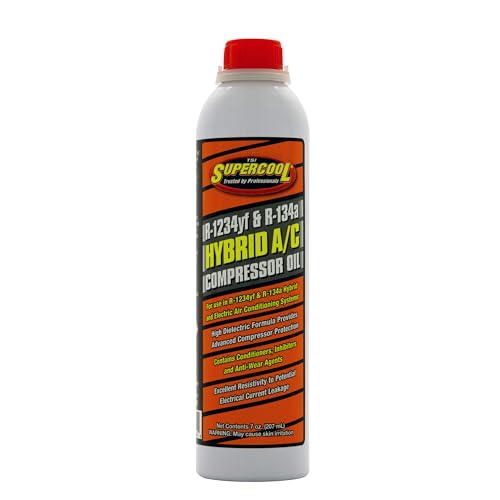 TSI Supercool 24940 Synthetic Hybrid A/C
|
8.6/10 | Buy |
 TRIAX Kompressor ISO 68 Full Synthetic Air
|
8.6/10 | Buy | |
 Milton 1002-32 ISO-100 Compressor Oil, 32 oz
|
8.4/10 | Buy | |
 EMAX Smart Oil 1-Quart Synthetic Piston Compressor
|
8.3/10 | Buy |
Mag 1 1-Gallon Air Compressor Oil
Formulated for reliable workshop maintenance, Mag 1 Air Compressor Oil uses refined petroleum base stocks paired with anti-foam additives to maintain stable lubrication. The generous one-gallon volume makes it a practical choice for keeping reciprocating or stationary compressors running smoothly over time.
Pros
- Anti-foam additives maintain steady lubrication
- Refined petroleum stocks promote smooth operation
- Formula helps extend compressor service life
- Generous 1-gallon volume handles multiple refills
Cons
- Jug weighs 7.25 pounds and can be heavy to pour
- One-gallon size may exceed small top-off needs
Triax Kompressor ISO 46 SAE 20 Full Synthetic Air
Triax Kompressor ISO 46 SAE 20 is a commercial-grade, full synthetic non-detergent compressor oil engineered for oil-lubricated reciprocating, rotary screw, and vane pumps operating in temperatures from -49°F to over 140°F. It provides exceptional thermal protection and extended component life for garage mechanics and shop owners maintaining heavy-duty pneumatic systems.
Pros
- Extreme all-weather operating range from -49°F to 140°F+ prevents cold-start motor stalling and high-heat viscosity breakdown
- Non-detergent full synthetic formula protects internal bearings and provides up to 20,000 hours of service longevity
- Lowers operating pump temperatures by 30% and actively sheds condensation to prevent internal crankcase rust
- Compatible with oil-lubricated reciprocating, rotary screw, and rotary vane compressor pumps from major manufacturers
Cons
- Not suitable for oil-free or maintenance-free dual-piston compressor designs that do not use crankcase oil
- Explicitly prohibited for use in breathing air systems, oxygen compressors, or liquid natural gas (LNG) units
- Single-quart volume may require purchasing multiple bottles for larger stationary 60-gallon or 80-gallon shop pump crankcases
Campbell Hausfeld 16 oz Non-Detergent 30W ISO-100
Campbell Hausfeld 30-weight ISO-100 non-detergent air compressor oil (model MATST125312AV) protects reciprocating pumps and air tools from premature wear and carbon buildup. Packaged in a 16-ounce bottle and made in the USA, it provides essential protection for garage mechanics and shop owners running oil-lubricated compressors.
Pros
- High-grade 30-weight ISO-100 non-detergent formulation resists valve carbon buildup
- Dual-purpose utility for both compressor crankcases and pneumatic tool maintenance
- Packaged in a convenient 16-ounce pour bottle that fits neatly on shop shelves
- Compatible with synthetic compressor oil lubrication systems
- Manufactured in the USA by a long-standing pneumatic equipment brand
Cons
- Not intended for modern oil-free compressor pumps that require zero crankcase lubrication
- Bottle lacks an elongated spout or funnel attachment for recessed oil fill ports
- 16-ounce volume may require multiple bottles for large commercial stationary pump oil changes
Milton 1002 SAE 30W Compressor Oil, 1 Gallon
Milton 1002 is a non-detergent ISO-100 SAE 30W conventional lubricant engineered specifically for reciprocating air compressors. The one-gallon capacity makes it a sensible option for regular workshop equipment upkeep.
Pros
- Non-detergent formula tailored for reciprocating compressors
- Standard ISO-100 SAE 30W viscosity rating
- Generous one-gallon volume covers multiple refills
Cons
- Conventional mineral formula instead of synthetic blend
- Heavy container can be awkward to pour directly
TRIAX Kompressor ISO 46 SAE 20 Full Synthetic Air
TRIAX Kompressor ISO 46 SAE 20 is a commercial-grade, full-synthetic non-detergent lubricant engineered for oil-lubricated reciprocating, rotary screw, and vane air compressors. It provides reliable extreme-temperature wear protection and multi-viscosity all-season performance, making it an excellent maintenance choice for auto shops, contractors, and home garage workshops.
Pros
- Full synthetic non-detergent formulation extends pump life across severe operating conditions
- True all-season multi-viscosity rating maintains fluid flow from -49 deg F up to 140 deg F+
- Formulated to lower operating temperatures by up to 30% and eliminate oil vapor odor
- Compatible with a wide array of compressor pumps including reciprocating and rotary screw designs
Cons
- Not formulated for oil-free air compressors, breathing air systems, oxygen setups, or LPG gas pipelines
- Users must verify whether their pump manufacturer specifically calls for ISO 46 (SAE 20) rather than heavier ISO 68 or ISO 100 weights
- Requires careful manual crankcase draining and filling without an included pour spout
Campbell Hausfeld ST1253 Compressor Oil (16 oz)
Formulated for workshop and industrial setups, this 30-weight lubricant protects compressor pumps against rust, sludge, and component wear. The compact 16-ounce bottle makes routine top-offs and crankcase servicing straightforward.
Pros
- Formulated specifically for compressor pumps and motors
- 30-weight viscosity helps minimize component wear
- Inhibits rust, sludge, and internal corrosion
- Compact bottle enables controlled, mess-free pouring
Cons
- 16-ounce volume may require multiple bottles for large units
- Single 30-weight viscosity is not suitable for all models
TSI Supercool 24940 Synthetic Hybrid A/C
TSI Supercool 24940 is a specialized synthetic lubricant engineered for electric hybrid air conditioning compressors, featuring high dielectric resistivity to prevent electrical leakage. It provides essential anti-wear protection for automotive mechanics and DIYers servicing high-voltage automotive A/C systems.
Pros
- Engineered with high dielectric resistivity to safeguard high-voltage vehicle electrical systems against current leakage
- Proprietary blend of conditioners, inhibitors, and anti-wear additives helps extend internal compressor life
- Durable aluminum can protects the synthetic fluid from contamination and moisture prior to installation
- Convenient 7 oz container size supports precise measuring for routine maintenance top-offs and system recharges
Cons
- Specialized formulation is intended strictly for hybrid electric A/C compressors, not for standard shop air tools or pneumatic compressors
- Injecting lubricant into sealed automotive A/C lines requires compatible manifold gauges or dedicated oil injector tools
- Total volume of 7 ounces may require multiple cans depending on the specific vehicle manufacturer oil capacity specification
TRIAX Kompressor ISO 68 Full Synthetic Air
TRIAX Kompressor ISO 68 is a commercial-grade, full synthetic compressor lubricant engineered for oil-lubricated reciprocating, rotary screw, and vane pumps operating between -49°F and 140°F+. It is an excellent maintenance solution for auto mechanics, shop owners, and contractors seeking lower pump operating temperatures and up to 20,000 hours of service life.
Pros
- Extended 20,000-hour service life minimizes routine maintenance intervals on high-demand shop compressors
- All-season stability from -49°F to 140°F+ prevents cold-morning motor drag and high-heat viscosity breakdown
- Non-detergent formulation separates condensation cleanly to safeguard internal crankcase bearings
- Broad compatibility across major reciprocating, rotary screw, and rotary vane compressor manufacturers
Cons
- Not suitable for maintenance-free oil-free compressor designs or oxygen and Liquid Natural Gas (LNG) systems
- One-gallon container size exceeds the immediate refill capacity of small single-stage DIY splash-lube pumps
Milton 1002-32 ISO-100 Compressor Oil, 32 oz
Formulated specifically for oil-lubricated reciprocating compressors, this ISO-100 non-detergent lubricant shields pumps against wear and deposit buildup. It separates easily from moisture and remains fluid down to -15°F for dependable cold-weather starts.
Pros
- Protects internal components against wear and corrosion
- Non-detergent formula resists foaming and separates water
- Inhibits sludge and carbon deposit formation
- Maintains fluidity in temperatures down to -15°F
Cons
- Designed strictly for reciprocating pump mechanisms
- Conventional oil base rather than full synthetic
EMAX Smart Oil 1-Quart Synthetic Piston Compressor
EMAX Smart Oil is a specialized 1-quart 30W synthetic lubricant engineered to reduce friction, lower operating temperatures, and extend reciprocating pump life up to 2X. It serves as an ideal maintenance fluid for auto mechanics, woodworkers, and contractors operating oil-lubricated piston air compressors after the initial break-in period.
Pros
- Engineered specifically to reduce friction and operating temperatures in reciprocating piston compressor pumps
- Manufacturer-rated to extend pump operational lifespan by up to 2X compared to standard petroleum oils
- Promotes quieter pump cycles and provides up to 15% energy efficiency savings under regular shop use
- Convenient 1-quart packaging matches standard crankcase fluid capacities for single oil change intervals
Cons
- Cannot be used as a break-in oil on new or recently overhauled compressor pumps
- Incompatible with oil-free or maintenance-free compressor architectures
- Carries a higher cost per quart compared to generic non-synthetic petroleum lubricants
Complete Guide to Air Compressor Lubrication and Oil Compatibility
Selecting the correct pump lubricant directly determines how long an air compressor runs before suffering valve failure, thermal shutdown, or worn piston rings. Understanding what oil can i use in air compressor systems begins with one primary rule: oil-lubricated pumps require non-detergent lubricants engineered specifically for air compression equipment. While automotive fluids, hydraulic oils, and generic machine lubricants may appear similar in the bottle, their chemical additive packages behave completely differently under pneumatic heat and pressure. Using dedicated conventional or synthetic compressor oils keeps valves clean, minimizes carbon buildup, and prevents destructive mechanical wear.
Understanding Non-Detergent Formulations Versus Automotive Motor Oils
The single most dangerous misconception among compressor owners is that standard motor oil from an automobile can be poured into a compressor crankcase. Internal combustion engines produce soot, unburned fuel, and combustion byproducts that require chemical detergents to keep contaminants suspended in the oil until the oil filter traps them. Air compressors lack internal combustion, but they compress ambient atmospheric air and create intense localized heat at the valve plates. Understanding how reciprocating air compressors operate clarifies why detergent additives create severe problems on cylinder heads and discharge ports.
Detergents in automotive oils hold microscopic debris in suspension while also foaming under the violent splash lubrication of a compressor crankshaft. As foaming oil coats the cylinder walls and reaches the hot exhaust valves, the suspended detergents bake into hard carbon crusts on the thin steel reed valves. These carbon deposits prevent valves from sealing completely, which causes air leakage, reduced CFM output, and extreme heat cycles that can warp cylinder heads. Non-detergent oils, such as conventional mineral blends and dedicated compressor formulas, allow heavy particles and water droplets to drop harmlessly to the bottom of the crankcase sump.
Matching ISO Viscosity Ratings to Operating Temperatures
Viscosity measures fluid resistance to flow, and air compressors rely on specific industrial viscosity grades rather than multi-grade automotive ratings. The International Organization for Standardization rates industrial oils using ISO viscosity grades, with ISO 68 and ISO 100 being the two most prevalent grades in reciprocating workshops. An ISO 100 compressor oil corresponds closely to an SAE 30-weight non-detergent oil, which serves as the standard factory recommendation for ambient workshop temperatures above 32 degrees Fahrenheit. Products like Milton 1002 High Performance Conventional Oil and Campbell Hausfeld ST1253 supply this ISO 100 viscosity to maintain a resilient hydrodynamic film across hot cast-iron cylinder walls.
Cold-weather workshop operation introduces a different lubrication challenge because thick oils resist flow during motor startup. When ambient temperatures drop below freezing, ISO 100 oil thickens significantly, increasing startup drag on the electric motor and frequently tripping standard 15-amp or 20-amp household circuit breakers. In cold garages or unheated jobsite trailers, switching to an ISO 46 or ISO 68 lubricant, equivalent to SAE 20-weight, reduces rotational resistance and ensures immediate splash coverage. Multi-viscosity synthetic fluids like TRIAX Kompressor ISO 46 SAE 20 solve this seasonal conflict by maintaining fluid pumpability in freezing conditions while retaining strong thermal film strength during prolonged compression cycles.
Synthetic Versus Conventional Compressor Oils for Reciprocating Pumps
Workshop mechanics and contractors must choose between conventional petroleum-based lubricants and advanced synthetic formulations. Conventional oils, such as Mag 1 Air Compressor Oil, use highly refined mineral basestocks enriched with anti-foam agents to deliver dependable, cost-effective lubrication for standard duty cycles. These petroleum oils perform reliably in residential garages where tools run intermittently for tire inflation, brad nailing, or brief ratchet work. However, conventional mineral oils begin to break down, oxidize, and form varnish when subjected to continuous high-heat workloads from rotary sanders or spray equipment.
Synthetic compressor lubricants utilize engineered synthetic hydrocarbon basestocks that resist thermal oxidation far better than petroleum basestocks. Formulations such as TRIAX Kompressor ISO 68 and EMAX Smart Oil operate cleanly at elevated discharge temperatures without scorching or evaporating. Synthetic oils also offer superior film strength, which prevents metal-on-metal contact between the connecting rod journal and crankshaft during heavy commercial use. Because synthetic molecules resist breakdown, they typically extend oil drain intervals significantly beyond the standard 100-hour or 200-hour service schedules required by conventional mineral oils.
Piston compressor owners must observe critical manufacturer guidelines regarding new pump break-in periods before switching to synthetic lubricants. For example, manufacturer specifications for EMAX Smart Oil clearly state that the lubricant cannot be used as an initial break-in fluid. Fresh cast-iron cylinder walls require a controlled amount of microscopic friction during their first several hours of operation so piston rings can seat properly against the honed cylinder surface. Running high-lubricity synthetic oil during initial startup can prevent piston rings from seating, causing permanent ring blow-by and oil consumption. Always complete the manufacturer recommended break-in run with standard conventional oil before filling the crankcase with synthetic fluid.
Distinguishing Workshop Air Compressor Oil from Automotive Refrigerant Lubricants
Confusion often arises when equipment owners search for compressor oil and encounter automotive air conditioning lubricants. Products such as TSI Supercool 24940 Hybrid A/C Compressor Oil are engineered exclusively for automotive climate control systems, specifically electric and hybrid vehicle A/C compressors. These specialty fluids feature high dielectric protection designed to resist electrical current leakage in high-voltage sealed refrigerant loops. They are chemically formulated to mix directly with refrigerants like R-134a or R-1234yf in closed hermetic environments.
Pouring an automotive A/C lubricant into a workshop pneumatic compressor crankcase can quickly destroy the pump. Refrigerant oils are often polyolester or polyalkylene glycol fluids that actively absorb ambient atmospheric moisture, leading to internal corrosion and acid formation in open-vented crankcases. Open-air pneumatic pumps lack the sealed, moisture-free conditions of vehicle air conditioning systems. Workshop pneumatic compressors must receive dedicated non-detergent petroleum or industrial synthetic compressor oil, never automotive refrigerant oil.
Rotary Screw and Vane Lubrication Requirements
While home garages and small shops primarily operate reciprocating piston pumps, industrial environments frequently utilize rotary screw and vane compressors. Rotary compressors do not splash oil in a crankcase; instead, they inject fluid directly into the compression chamber between rotating helical screws. This injected fluid seals clearances between the meshing rotors, cools the compressed air, and lubricates the high-speed rotor bearings. Because rotary units run at continuous 100 percent duty cycles, the lubricant must endure intense hydrodynamic shear and continuous exposure to hot, compressed air.
Rotary screw applications require specialized multi-viscosity fluids with exceptional demulsibility and foam suppression. Formulations like TRIAX Kompressor ISO 46 and ISO 68 are engineered to handle the severe-duty demands of rotary, vane, and screw units in addition to heavy reciprocating pumps. These industrial-grade fluids feature anti-wear chemistry and rapid air-release properties that prevent foam buildup in the oil-air separator element. If foam enters the separator element, oil bypasses the filter media and contaminates downstream workshop air delivery lines, ruining spray paint finishes and gumming up pneumatic tools.
How to Safely Check, Drain, and Refill Compressor Oil
Maintaining proper crankcase oil levels requires a simple, methodical routine to protect the pump from dry running or overfilling. Before servicing any pneumatic pump, disconnect the electrical power supply and open the tank drain valve to vent all compressed air completely. Never perform maintenance on a pressurized system or while the motor can cycle unexpectedly. Once the machine is safe, inspect the oil level through the transparent crankcase sight glass or by removing the dipstick. The fluid level should sit precisely at the center red dot of the sight glass or between the marked crosshatches on the dipstick.
Draining the old lubricant involves placing a catch pan directly below the lower crankcase drain plug. Running the compressor for five to ten minutes beforehand warms the fluid, allowing suspended contaminants and sediment to drain out smoothly. Loosen the drain plug using the correct wrench size, taking care not to strip soft brass or aluminum threads. Allow the old oil to drain completely, and inspect the discharged fluid for signs of metallic glitter or milky discoloration that indicate internal wear or water contamination. Once empty, clean the magnetic drain plug if equipped, reinstall it securely, and wipe away residual fluid.
Refilling the crankcase requires pouring fresh oil through the top oil fill port or crankcase breather opening. Use a clean, narrow-neck funnel to avoid spills, and add fluid slowly to allow air bubbles to escape from the sight glass passage. Overfilling a compressor pump creates excessive crankcase pressure, which forces oil past piston rings and into downstream air lines while straining the electric motor. Stop pouring when the oil level reaches the center of the sight glass red indicator, replace the breather cap securely, and run the pump for several minutes to verify smooth operation.
Managing Condensation, Emulsification, and Oil Carryover
Moisture is an unavoidable byproduct of air compression because ambient humidity condenses into liquid water inside the pump cylinder and crankcase. In humid workshop environments or during short run cycles where the pump never reaches operating temperature, water vapor settles into the oil reservoir. Quality compressor oils, including Milton 1002-32 and Campbell Hausfeld formulas, feature superior water demulsibility that forces moisture to separate from the oil rather than mixing into a creamy emulsion. If you notice a milky, frothy appearance in your sight glass, the oil has emulsified with water and must be replaced immediately to prevent bearing rust.
Oil carryover represents another critical issue where lubricating oil travels past the piston rings and enters the compressed air stream. Worn piston rings, clogged air intake filters, or overfilled crankcases all increase the amount of oil aerosol entering the air tank. While pneumatic nailers and impact wrenches benefit from light lubrication, oil carryover ruins automotive paint finishes, wood finishes, and plasma cutting operations. Regular oil level checks, timely oil changes, and the installation of a coalescing filter on your discharge line keep workshop air clean and usable.
Recognizing Symptoms of Incorrect or Degraded Lubricant
Operating an air compressor with the wrong fluid or worn-out oil produces clear mechanical warning signs that require immediate intervention. A strong burning oil odor or visible smoke rising from the pump breather indicates that the lubricant has oxidized and is scorching under high cylinder temperatures. Excessive clattering or rattling during compression cycles points to inadequate film strength, worn wrist pin bushings, or low oil levels. If the pump takes noticeably longer to recover from cut-in to cut-out pressure, carbon deposits from detergent oils may be preventing reed valves from seating properly.
When an operator mistakenly fills the crankcase with detergent motor oil, the pump must be flushed before serious damage occurs. Drain the contaminated fluid completely while the pump is warm, then refill the crankcase with fresh, non-detergent ISO 100 or ISO 68 compressor oil. Run the compressor without load for ten to fifteen minutes by leaving the tank drain valve open, allowing the fresh oil to wash residual detergents and carbon particles into the sump. Drain this flushing oil completely, replace the plug, and refill with clean oil to establish proper lubrication and protect internal cylinder surfaces.
Selecting the Right Lubricant for Your Equipment Setup
Matching the lubricant to your specific compressor architecture and workshop workload ensures optimal efficiency and maximum equipment longevity. Conventional non-detergent ISO 100 oils, such as Campbell Hausfeld ST1253 and Milton 1002, deliver dependable, economical protection for standard single-stage cast-iron pumps operating in climate-controlled garages. For high-demand applications, extreme temperatures, or commercial two-stage pumps, synthetic formulations like TRIAX Kompressor or EMAX Smart Oil provide superior thermal resilience, cleaner valve operation, and extended service intervals. Reviewing our comprehensive guide to proper compressor lubricant selection helps clarify exact viscosity thresholds across different workshop environments.
Maintaining the proper fluid level and adhering to a consistent seasonal maintenance schedule prevents premature pump wear and costly repairs. Always consult your equipment manufacturer manual for exact crankcase fluid capacity and viscosity recommendations before purchasing replacement oil. By choosing dedicated non-detergent mineral or synthetic compressor lubricants instead of automotive motor oils, you ensure smooth motor starts, clean valve operation, and reliable pneumatic power for years of workshop productivity.
About the author
Kenny Koehler is a power-tool specialist with more than a decade of hands-on evaluation experience and a science-based approach to product testing. His expertise in repeatable testing, tool performance, impact wrenches, and professional equipment brings a practical, data-focused perspective to compressor and pneumatic-tool comparisons.