
What Oil to Use in Air Compressor: A Practical Guide for 2026
Learn what oil to use in air compressor specifications, viscosity grades, and non-detergent formulas to protect your workshop pump in October 2026.
 By Tony Carrick
Updated October 8, 2026
By Tony Carrick
Updated October 8, 2026
Cast-iron and aluminum compressor pumps generate intense heat and mechanical friction every time air is drawn in and compressed to high pressure. Without the correct crankcase lubrication, reciprocating pistons, connecting rods, and crankshaft bearings experience rapid metal-to-metal wear that can destroy a workshop machine. Determining what oil to use in air compressor pumps is one of the most critical decisions an equipment owner faces when seeking to prevent premature mechanical breakdown. Selecting an appropriate lubricant keeps internal temperatures under control while maintaining high volumetric compression efficiency across demanding workshop cycles.
Standard automotive motor oils contain specific chemical detergents and additives that can severely damage pneumatic pump valves and leave behind heavy carbon varnish. Understanding specific manufacturer recommendations and reviewing our compressor pump oil requirements helps clarify why dedicated non-detergent lubricants are necessary for long-term reliability. Equipment manufacturers frequently formulate proprietary fluids, such as Milton, Ingersoll Rand, and Campbell Hausfeld compressor oils, to resist thermal breakdown under continuous compression loads. Making an informed choice protects your equipment investment and ensures consistent pneumatic power for all your garage and jobsite tools.
| Award | Product | ACR Score About ACR ScoreThe ACR Score is our own rating from 0 to 10, based on performance, design and build, ease of use, and value. It reflects independent research and is never influenced by manufacturers, retailers, or affiliate commissions. Learn more › | |
|---|---|---|---|
| Best Overall |
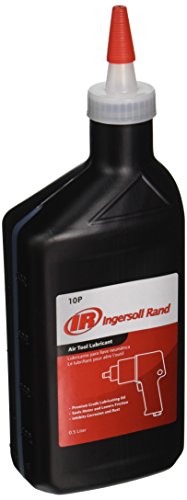
Ingersoll Rand 10P Air Tool Oil, 1 Pint
|
9.2/10 | Buy |
| Best Premium |
 Mag 1 1-Gallon Air Compressor Oil
|
9.2/10 | Buy |
| Best Budget |
 Triax Kompressor ISO 46 SAE 20 Full Synthetic Air
|
9.1/10 | Buy |
 Milton 1002 SAE 30W Compressor Oil, 1 Gallon
|
8.8/10 | Buy | |
 Campbell Hausfeld ST1253 Compressor Oil (16 oz)
|
8.6/10 | Buy | |
| Best Value |
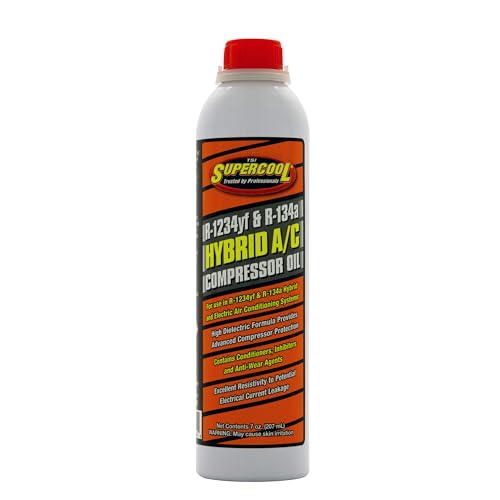 TSI Supercool 24940 Synthetic Hybrid A/C
|
8.6/10 | Buy |
 TRIAX Kompressor ISO 68 Full Synthetic Air
|
8.6/10 | Buy | |
 Ingersoll Rand All Season Select Lubricant, 1L
|
8.6/10 | Buy | |
 Milton 1002-32 ISO-100 Compressor Oil, 32 oz
|
8.4/10 | Buy | |
 3-IN-ONE Pneumatic Tool Oil, 4 oz
|
8.0/10 | Buy |
Ingersoll Rand 10P Air Tool Oil, 1 Pint
Formulated for pneumatic equipment upkeep, the Ingersoll Rand 10P delivers premium-grade lubrication in a compact one-pint container. It serves as a dependable fluid for mechanics and workshops focused on extending the service life of air-powered tools.
Pros
- Formulated specifically for pneumatic mechanisms
- Compact and easily portable 1-pint bottle
- Lightweight design under one pound
- Official Ingersoll Rand Edge Series lubricant
Cons
- One-pint volume may run out quickly in high-volume shops
- Single-purpose lubricant restricted to pneumatic tool use
Mag 1 1-Gallon Air Compressor Oil
Formulated for reliable workshop maintenance, Mag 1 Air Compressor Oil uses refined petroleum base stocks paired with anti-foam additives to maintain stable lubrication. The generous one-gallon volume makes it a practical choice for keeping reciprocating or stationary compressors running smoothly over time.
Pros
- Anti-foam additives maintain steady lubrication
- Refined petroleum stocks promote smooth operation
- Formula helps extend compressor service life
- Generous 1-gallon volume handles multiple refills
Cons
- Jug weighs 7.25 pounds and can be heavy to pour
- One-gallon size may exceed small top-off needs
Triax Kompressor ISO 46 SAE 20 Full Synthetic Air
Triax Kompressor ISO 46 SAE 20 is a commercial-grade, full synthetic non-detergent compressor oil engineered for oil-lubricated reciprocating, rotary screw, and vane pumps operating in temperatures from -49°F to over 140°F. It provides exceptional thermal protection and extended component life for garage mechanics and shop owners maintaining heavy-duty pneumatic systems.
Pros
- Extreme all-weather operating range from -49°F to 140°F+ prevents cold-start motor stalling and high-heat viscosity breakdown
- Non-detergent full synthetic formula protects internal bearings and provides up to 20,000 hours of service longevity
- Lowers operating pump temperatures by 30% and actively sheds condensation to prevent internal crankcase rust
- Compatible with oil-lubricated reciprocating, rotary screw, and rotary vane compressor pumps from major manufacturers
Cons
- Not suitable for oil-free or maintenance-free dual-piston compressor designs that do not use crankcase oil
- Explicitly prohibited for use in breathing air systems, oxygen compressors, or liquid natural gas (LNG) units
- Single-quart volume may require purchasing multiple bottles for larger stationary 60-gallon or 80-gallon shop pump crankcases
Milton 1002 SAE 30W Compressor Oil, 1 Gallon
Milton 1002 is a non-detergent ISO-100 SAE 30W conventional lubricant engineered specifically for reciprocating air compressors. The one-gallon capacity makes it a sensible option for regular workshop equipment upkeep.
Pros
- Non-detergent formula tailored for reciprocating compressors
- Standard ISO-100 SAE 30W viscosity rating
- Generous one-gallon volume covers multiple refills
Cons
- Conventional mineral formula instead of synthetic blend
- Heavy container can be awkward to pour directly
Campbell Hausfeld ST1253 Compressor Oil (16 oz)
Formulated for workshop and industrial setups, this 30-weight lubricant protects compressor pumps against rust, sludge, and component wear. The compact 16-ounce bottle makes routine top-offs and crankcase servicing straightforward.
Pros
- Formulated specifically for compressor pumps and motors
- 30-weight viscosity helps minimize component wear
- Inhibits rust, sludge, and internal corrosion
- Compact bottle enables controlled, mess-free pouring
Cons
- 16-ounce volume may require multiple bottles for large units
- Single 30-weight viscosity is not suitable for all models
TSI Supercool 24940 Synthetic Hybrid A/C
TSI Supercool 24940 is a specialized synthetic lubricant engineered for electric hybrid air conditioning compressors, featuring high dielectric resistivity to prevent electrical leakage. It provides essential anti-wear protection for automotive mechanics and DIYers servicing high-voltage automotive A/C systems.
Pros
- Engineered with high dielectric resistivity to safeguard high-voltage vehicle electrical systems against current leakage
- Proprietary blend of conditioners, inhibitors, and anti-wear additives helps extend internal compressor life
- Durable aluminum can protects the synthetic fluid from contamination and moisture prior to installation
- Convenient 7 oz container size supports precise measuring for routine maintenance top-offs and system recharges
Cons
- Specialized formulation is intended strictly for hybrid electric A/C compressors, not for standard shop air tools or pneumatic compressors
- Injecting lubricant into sealed automotive A/C lines requires compatible manifold gauges or dedicated oil injector tools
- Total volume of 7 ounces may require multiple cans depending on the specific vehicle manufacturer oil capacity specification
TRIAX Kompressor ISO 68 Full Synthetic Air
TRIAX Kompressor ISO 68 is a commercial-grade, full synthetic compressor lubricant engineered for oil-lubricated reciprocating, rotary screw, and vane pumps operating between -49°F and 140°F+. It is an excellent maintenance solution for auto mechanics, shop owners, and contractors seeking lower pump operating temperatures and up to 20,000 hours of service life.
Pros
- Extended 20,000-hour service life minimizes routine maintenance intervals on high-demand shop compressors
- All-season stability from -49°F to 140°F+ prevents cold-morning motor drag and high-heat viscosity breakdown
- Non-detergent formulation separates condensation cleanly to safeguard internal crankcase bearings
- Broad compatibility across major reciprocating, rotary screw, and rotary vane compressor manufacturers
Cons
- Not suitable for maintenance-free oil-free compressor designs or oxygen and Liquid Natural Gas (LNG) systems
- One-gallon container size exceeds the immediate refill capacity of small single-stage DIY splash-lube pumps
Ingersoll Rand All Season Select Lubricant, 1L
Engineered as an all-weather OEM fluid, this synthetic lubricant protects reciprocating compressors during continuous duty while resisting carbon buildup on critical valves. It is a solid pick for equipment owners who want fewer oil changes and reliable year-round operation.
Pros
- Maintains stable viscosity in hot and cold seasons
- Lasts four times longer than petroleum oil
- Keeps valves and rings free of carbon deposits
- Protects bearings under continuous duty cycles
Cons
- Formulated specifically for reciprocating compressor systems
- One-liter bottle requires buying multiples for large pumps
Milton 1002-32 ISO-100 Compressor Oil, 32 oz
Formulated specifically for oil-lubricated reciprocating compressors, this ISO-100 non-detergent lubricant shields pumps against wear and deposit buildup. It separates easily from moisture and remains fluid down to -15°F for dependable cold-weather starts.
Pros
- Protects internal components against wear and corrosion
- Non-detergent formula resists foaming and separates water
- Inhibits sludge and carbon deposit formation
- Maintains fluidity in temperatures down to -15°F
Cons
- Designed strictly for reciprocating pump mechanisms
- Conventional oil base rather than full synthetic
3-IN-ONE Pneumatic Tool Oil, 4 oz
Designed for automotive, marine, and workshop air tools, this lubricant dissolves sludge, gum, and calcium while repelling moisture. Its squeeze bottle and targeted twist spout make it easy to oil equipment ports without messy spills.
Pros
- Precision twist spout targets small tool ports easily
- Waterproof formula prevents rust under extreme moisture
- Effectively removes sludge, gum, and calcium buildup
- Squeeze bottle allows accurate, mess-free dispensing
Cons
- Small 4-ounce size requires frequent replenishment for high-volume use
Essential Principles of Air Compressor Lubrication
Choosing the proper lubricant for an oil-lubricated compressor pump directly impacts pump longevity, thermal management, and air delivery performance. Unlike internal combustion engines, air compressor pump crankcases operate without an active oil filter or fuel combustion processes. Because of these distinct mechanical operating conditions, reciprocating and rotary air pumps require specially formulated non-detergent fluids rather than standard automotive engine oils. Knowing the exact fluid specifications, viscosity ratings, and chemical compositions suited for your pump ensures smooth operation and prevents catastrophic pump seizure.
Why Dedicated Compressor Pump Oil Matters
Air compressor pumps undergo severe mechanical stress, generating friction along cylinder walls, wrist pins, and crankshaft journals. High compression ratios generate substantial internal heat that can rapidly shear weak lubricants and break down unrefined base stocks. Dedicated compressor oils utilize robust base stocks enriched with anti-foam agents to sustain a durable lubricating film under heavy mechanical loads. Without this specialized barrier protection, metal surfaces experience direct friction that accelerates ring wear and decreases maximum tank pressure output over time.
Moisture management represents another fundamental reason why compressor-specific lubricants are essential in everyday operation. As ambient air is drawn into the cylinder, atmospheric moisture condenses directly inside the crankcase during cooling cycles. High-grade compressor lubricants are engineered to separate from water cleanly rather than forming an unstable, milky emulsion. This rapid demulsification allows moisture to settle harmlessly at the bottom of the sump where it can be drained off during routine maintenance.
The Critical Danger of Detergent-Based Automotive Motor Oils
One of the most widespread mistakes among workshop operators is pouring leftover multi-grade automotive engine oil into an air compressor crankcase. Automotive oils contain heavy detergent packages designed to scrub combustion byproducts, soot, and acid from vehicle cylinders. In an automobile engine, these suspended particles are continuously carried through a pressurized paper oil filter that captures contaminants before fluid returns to bearings. Air compressor pumps lack oil filters, meaning detergents hold abrasive particulate matter in perpetual suspension throughout the pump crankcase.
When detergent-laden oil circulates repeatedly across hot compressor cylinders, the suspended contaminants form a sticky abrasive compound. This slurry scours precision-machined bearing surfaces, accelerates cylinder wall scoring, and bakes onto hot exhaust reed valves. As carbon builds up along valve plates, the valves fail to seal flat, forcing the pump to run longer to reach cut-out pressure. Foamed lubricant cannot maintain hydraulic film strength, leading to sudden localized friction spikes and motor thermal overload trips on standard workshop circuits.
Viscosity Grades Explained: ISO Ratings and SAE Equivalents
Selecting the appropriate viscosity rating ensures that oil flows freely during cold starts while maintaining sufficient film thickness at full operating temperatures. Industrial compressor fluids typically use the International Organization for Standardization (ISO) viscosity grading system rather than automotive SAE designations. An ISO 100 lubricant equates roughly to an SAE 30 weight oil, which serves as the standard factory fill for most single-stage reciprocating pumps. Conventional formulations like Milton 1002 High Performance Conventional Air compressor oil and Campbell Hausfeld ST1253 Air Compressor Oil represent classic examples of reliable 30-weight non-detergent fluids.
In colder environments or unheated garages, a heavy 30-weight oil can thicken significantly, creating severe viscous drag on pump crankshafts. This resistance increases electric motor inrush amperage during startup, which can easily trip a standard 15-amp household circuit breaker. For cooler operating conditions, an ISO 46 or ISO 68 lubricant, roughly equivalent to an SAE 20 weight, provides easier cold-weather starting and rapid splash lubrication. Formulations such as TRIAX Kompressor ISO 46 SAE 20 offer multi-viscosity performance engineered to flow smoothly in frigid conditions down to sub-zero temperatures.
Conventional Mineral Oil Versus Full Synthetic Formulations
Conventional mineral compressor oils, including Mag 1 Air Compressor Oil and Milton 1002-32, are refined directly from petroleum crude base stocks. These conventional lubricants provide reliable boundary protection, excellent anti-wear characteristics, and natural demulsibility for light to medium workshop duties. They serve hobbyists and DIY mechanics well when equipment runs intermittently for tire inflation or light pneumatic nailing. However, conventional mineral oils oxidize and degrade more rapidly under continuous compression cycles, necessitating more frequent crankcase oil changes to avoid sludge buildup.
Full synthetic compressor lubricants utilize chemically engineered synthetic base stocks that deliver superior thermal stability and resistance to carbon formation. Products such as Ingersoll Rand All Season Select Synthetic Air lubricant are formulated specifically to withstand high operating temperatures without breaking down into heavy sludge. Synthetic fluids maintain a stable viscosity index across a wide temperature spectrum, allowing the same fluid to perform reliably across winter freezes and summer heat waves. Commercial products like TRIAX Kompressor ISO 68 full synthetic lubricant demonstrate high load-bearing capacity designed to support severe-duty rotary screw, vane, and reciprocating pumps.
Air Compressor Pump Oil Versus Pneumatic Air Tool Lubricant
Workshop owners often confuse compressor pump crankcase oil with pneumatic air tool oil, assuming that all air-related lubricants are interchangeable. In reality, these two fluids serve completely different mechanical functions and feature radically distinct chemical compositions. Compressor pump oil is formulated with high viscosity and thermal resistance to withstand intense cylinder temperatures and maintain a thick hydrodynamic film in the crankcase. Pouring thin air tool oil into a compressor pump crankcase will result in rapid oil vaporization, bearing failure, and pump seizure.
Air tool oils, such as Ingersoll Rand 10P Edge Series Premium Air Tool oil and 3-IN-ONE Professional Grade Pneumatic Tool Oil, are ultra-light fluids designed for pneumatic motors. These lubricants contain rust inhibitors, anti-gumming solvents, and moisture-scavenging additives that clean internal vanes and o-rings inside air tools. They are dispensed in small daily doses directly into the tool inlet fitting or through an inline airline lubricator. When running nailers or air wrenches, maintaining proper compressor setup and operation ensures that pneumatic tools receive correct lubrication without contaminating clean tank air reserves.
Specialized Lubricants: Refrigeration and Automotive Systems
Specialized compression equipment outside the realm of pneumatic workshop tools requires uniquely tailored synthetic chemical formulations. For instance, automotive air conditioning systems utilize closed-loop compressors that circulate refrigerant under high pressure alongside specialized synthetic oils. Products like TSI Supercool 24940 Hybrid A/C Compressor Oil are specifically engineered with high dielectric protection for electric and hybrid vehicle air conditioning systems. This high dielectric resistivity prevents dangerous electrical current leakage through the compressor housing in high-voltage automotive platforms.
These refrigeration and hybrid air conditioning lubricants must never be introduced into standard workshop pneumatic air compressors. A/C compressor oils are highly hygroscopic and chemically formulated to mix directly with specific refrigerants rather than ambient atmospheric air. Introducing a specialized A/C lubricant into a shop pump crankcase would result in rapid moisture absorption from incoming air and premature pump corrosion. Always ensure that the lubricant you purchase corresponds specifically to open-atmospheric reciprocating or rotary pneumatic pumps rather than closed-loop refrigeration machinery.
How Operating Temperature Influences Oil Breakdown and Selection
Ambient workshop temperature and duty cycle intensity dictate how rapidly compressor oil degrades and when seasonal viscosity adjustments are necessary. In unheated winter garages, heavy single-grade oils become thick and viscous, resisting flow through internal splash channels during startup. This initial fluid starvation can cause momentary metal-to-metal contact on cylinder walls before the crankcase warms up. When operating in cold climates, reviewing your workshop electrical supply considerations is helpful because thick oil significantly increases starting amp draw on garage circuits.
High ambient summer temperatures present the opposite mechanical challenge, causing low-viscosity oils to thin out excessively under prolonged operating duty cycles. When crankcase temperatures climb, a light oil can fall below its required minimum lubricating film thickness, allowing accelerated ring and cylinder wear. Furthermore, intense compression heat accelerates base oil oxidation, leading to the formation of harmful acidic compounds and dark crankcase sludge. Selecting an all-season multi-viscosity synthetic fluid or switching seasonally between SAE 20 and SAE 30 oil stabilizes pump lubrication throughout the year.
Inspecting Oil Levels and Detecting Contamination
Routine visual inspection of your compressor crankcase oil is essential for preventing catastrophic pump failure and maintaining high compression output. Most modern oil-lubricated pumps feature an acrylic or glass sight glass located near the bottom of the crankcase sump. Before starting the motor, verify that the oil level sits directly in the center of the sight glass or at the red fill indicator dot. Running a pump with low oil leads to immediate bearing starvation, while overfilling causes excessive splash turbulence, oil foaming, and unwanted oil carryover into air lines.
Evaluating the visual appearance of the oil reveals critical information regarding internal mechanical wear and atmospheric moisture contamination. Fresh compressor oil displays a clear, amber, or golden tint that allows easy viewing of internal crankcase surfaces through the glass. If the lubricant appears milky, cloudy, or frothy, water has emulsified with the oil due to high humidity or short operating cycles that fail to vaporize condensation. When severe discoloration, milkiness, or metallic debris is observed, the crankcase must be drained, flushed, and refilled with fresh non-detergent oil immediately.
Step-by-Step Oil Change and Crankcase Maintenance Routine
Performing scheduled oil changes is a straightforward maintenance task that pays massive dividends in compressor reliability and operating lifespan. Before initiating an oil change, disconnect the compressor from its electrical power source and depressurize the air storage tank completely. Warm oil drains much faster and carries suspended contaminants out of the crankcase more thoroughly than cold, sluggish oil. Running the compressor for five to ten minutes prior to maintenance warms the fluid, ensuring that sediment in the sump is fully suspended and flushed away.
Position a suitable oil drain pan beneath the crankcase drain plug, which is typically located at the base of the pump casting. Using an appropriately sized wrench, carefully unthread the drain plug and allow the old, warm lubricant to drain completely into your collection container. Inspect the drain plug threads and clean away any metallic sludge or debris that may have adhered to the tip. Once the crankcase has drained fully, reinstall the drain plug securely, applying fresh thread sealant or a new crush washer to prevent future leaks.
Remove the oil fill plug or crankcase breather cap located on top of the pump housing to prepare for refilling. Using a clean funnel, slowly pour in the recommended non-detergent compressor oil while monitoring the sight glass indicator closely. Stop filling once the oil level reaches the center of the sight glass red dot, and reinstall the breather cap firmly to keep workshop dust out. Run the unit unpressurized for two minutes to distribute fresh oil across cylinder walls, then verify the final level before placing the compressor back into full service.
Verifying Proper Lubrication and Preserving Pump Service Life
Establishing a disciplined inspection and maintenance routine is the most reliable method for maximizing pump service life and preventing unexpected breakdowns. Check the crankcase oil sight glass prior to every major work session, ensuring the fluid level remains precisely at the target fill mark. For light workshop use with conventional mineral oils, change the crankcase lubricant every three to six months or after approximately one hundred operating hours. If you utilize high-performance full synthetic fluids, service intervals can often be safely extended according to manufacturer specifications.
Selecting the correct non-detergent oil tailored to your pump design and workshop climate protects internal components from severe thermal and mechanical wear. Whether you choose a proven conventional 30-weight lubricant or an advanced multi-viscosity full synthetic fluid, avoiding detergent automotive motor oils is essential. Keeping clean, properly matched oil in your compressor crankcase ensures reliable pressure recovery, cooler operating temperatures, and dependable service. Consistent maintenance safeguards your equipment investment, ensuring that dependable compressed air is always ready whenever your workshop projects demand it.
About the author
Tony Carrick is an experienced product researcher and writer specializing in tools, home improvement, automotive maintenance, and consumer equipment. With extensive experience reviewing tools and tackling hands-on renovation projects, he brings a buyer-focused perspective to compressor performance, usability, and overall value.