
What Type of Oil Goes in a Air Compressor: Practical Guide for 2026
Understanding what type of oil goes in a air compressor prevents pump wear and valve failure. Compare ISO viscosities, synthetic formulas, and non-detergent oils for October 2026.
 By Glenda Taylor
Updated October 8, 2026
By Glenda Taylor
Updated October 8, 2026

Piston pumps generate immense friction and compression heat inside cast-iron cylinders, placing extreme mechanical demands on crankcase fluid. Using the wrong fluid can lead to heavy carbon accumulation on reed valves, oil foaming, and premature pump seizure. Determining what type of oil goes in a air compressor requires understanding that pneumatic pumps lack oil filters and combustion chambers, meaning automotive motor oils with standard detergent packages can quickly ruin internal components. For workshop owners weighing pump longevity against maintenance convenience, reviewing our oil versus oil-free air compressor comparison highlights how dedicated lubrication fundamentally protects cast-iron cylinders.
Air compressor pumps rely almost exclusively on splash lubrication, where a dipper slaps the oil reservoir to disperse a protective mist across bearings and wrist pins. Because moisture naturally condenses inside the crankcase during compression cooling cycles, using specialized non-detergent oil allows water to separate cleanly rather than creating an abrasive, emulsified sludge. Consulting a detailed compressor lubrication guide ensures you match the correct ISO viscosity grade and base stock to your specific equipment and ambient working temperatures. Selecting the proper lubricant protects critical intake valves, stabilizes cylinder temperatures, and keeps your pneumatic tools receiving clean, pressurized air.
| Award | Product | ACR Score About ACR ScoreThe ACR Score is our own rating from 0 to 10, based on performance, design and build, ease of use, and value. It reflects independent research and is never influenced by manufacturers, retailers, or affiliate commissions. Learn more › | |
|---|---|---|---|
| Best Overall |
Mag 1 1-Gallon Air Compressor Oil
|
9.2/10 | Buy |
| Best Budget |
 Triax Kompressor ISO 46 SAE 20 Full Synthetic Air
|
9.1/10 | Buy |
 Campbell Hausfeld 16 oz Non-Detergent 30W ISO-100
|
8.8/10 | Buy | |
| Best Premium |
 Milton 1002 SAE 30W Compressor Oil, 1 Gallon
|
8.8/10 | Buy |
 TRIAX Kompressor ISO 46 SAE 20 Full Synthetic Air
|
8.8/10 | Buy | |
 Campbell Hausfeld ST1253 Compressor Oil (16 oz)
|
8.6/10 | Buy | |
| Best Value |
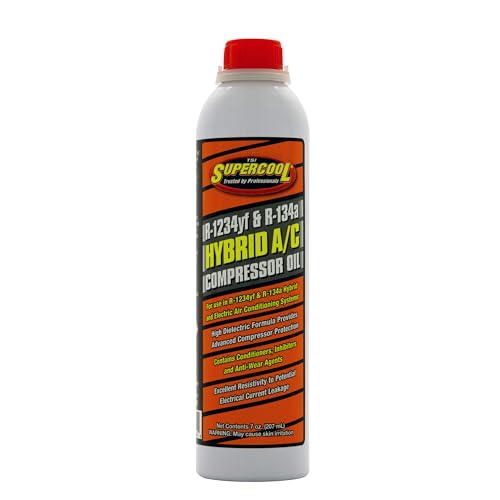 TSI Supercool 24940 Synthetic Hybrid A/C
|
8.6/10 | Buy |
 TRIAX Kompressor ISO 68 Full Synthetic Air
|
8.6/10 | Buy | |
 Ingersoll Rand All Season Select Lubricant, 1L
|
8.6/10 | Buy | |
 Milton 1002-32 ISO-100 Compressor Oil, 32 oz
|
8.4/10 | Buy |
Mag 1 1-Gallon Air Compressor Oil
Formulated for reliable workshop maintenance, Mag 1 Air Compressor Oil uses refined petroleum base stocks paired with anti-foam additives to maintain stable lubrication. The generous one-gallon volume makes it a practical choice for keeping reciprocating or stationary compressors running smoothly over time.
Pros
- Anti-foam additives maintain steady lubrication
- Refined petroleum stocks promote smooth operation
- Formula helps extend compressor service life
- Generous 1-gallon volume handles multiple refills
Cons
- Jug weighs 7.25 pounds and can be heavy to pour
- One-gallon size may exceed small top-off needs
Triax Kompressor ISO 46 SAE 20 Full Synthetic Air
Triax Kompressor ISO 46 SAE 20 is a commercial-grade, full synthetic non-detergent compressor oil engineered for oil-lubricated reciprocating, rotary screw, and vane pumps operating in temperatures from -49°F to over 140°F. It provides exceptional thermal protection and extended component life for garage mechanics and shop owners maintaining heavy-duty pneumatic systems.
Pros
- Extreme all-weather operating range from -49°F to 140°F+ prevents cold-start motor stalling and high-heat viscosity breakdown
- Non-detergent full synthetic formula protects internal bearings and provides up to 20,000 hours of service longevity
- Lowers operating pump temperatures by 30% and actively sheds condensation to prevent internal crankcase rust
- Compatible with oil-lubricated reciprocating, rotary screw, and rotary vane compressor pumps from major manufacturers
Cons
- Not suitable for oil-free or maintenance-free dual-piston compressor designs that do not use crankcase oil
- Explicitly prohibited for use in breathing air systems, oxygen compressors, or liquid natural gas (LNG) units
- Single-quart volume may require purchasing multiple bottles for larger stationary 60-gallon or 80-gallon shop pump crankcases
Campbell Hausfeld 16 oz Non-Detergent 30W ISO-100
Campbell Hausfeld 30-weight ISO-100 non-detergent air compressor oil (model MATST125312AV) protects reciprocating pumps and air tools from premature wear and carbon buildup. Packaged in a 16-ounce bottle and made in the USA, it provides essential protection for garage mechanics and shop owners running oil-lubricated compressors.
Pros
- High-grade 30-weight ISO-100 non-detergent formulation resists valve carbon buildup
- Dual-purpose utility for both compressor crankcases and pneumatic tool maintenance
- Packaged in a convenient 16-ounce pour bottle that fits neatly on shop shelves
- Compatible with synthetic compressor oil lubrication systems
- Manufactured in the USA by a long-standing pneumatic equipment brand
Cons
- Not intended for modern oil-free compressor pumps that require zero crankcase lubrication
- Bottle lacks an elongated spout or funnel attachment for recessed oil fill ports
- 16-ounce volume may require multiple bottles for large commercial stationary pump oil changes
Milton 1002 SAE 30W Compressor Oil, 1 Gallon
Milton 1002 is a non-detergent ISO-100 SAE 30W conventional lubricant engineered specifically for reciprocating air compressors. The one-gallon capacity makes it a sensible option for regular workshop equipment upkeep.
Pros
- Non-detergent formula tailored for reciprocating compressors
- Standard ISO-100 SAE 30W viscosity rating
- Generous one-gallon volume covers multiple refills
Cons
- Conventional mineral formula instead of synthetic blend
- Heavy container can be awkward to pour directly
TRIAX Kompressor ISO 46 SAE 20 Full Synthetic Air
TRIAX Kompressor ISO 46 SAE 20 is a commercial-grade, full-synthetic non-detergent lubricant engineered for oil-lubricated reciprocating, rotary screw, and vane air compressors. It provides reliable extreme-temperature wear protection and multi-viscosity all-season performance, making it an excellent maintenance choice for auto shops, contractors, and home garage workshops.
Pros
- Full synthetic non-detergent formulation extends pump life across severe operating conditions
- True all-season multi-viscosity rating maintains fluid flow from -49 deg F up to 140 deg F+
- Formulated to lower operating temperatures by up to 30% and eliminate oil vapor odor
- Compatible with a wide array of compressor pumps including reciprocating and rotary screw designs
Cons
- Not formulated for oil-free air compressors, breathing air systems, oxygen setups, or LPG gas pipelines
- Users must verify whether their pump manufacturer specifically calls for ISO 46 (SAE 20) rather than heavier ISO 68 or ISO 100 weights
- Requires careful manual crankcase draining and filling without an included pour spout
Campbell Hausfeld ST1253 Compressor Oil (16 oz)
Formulated for workshop and industrial setups, this 30-weight lubricant protects compressor pumps against rust, sludge, and component wear. The compact 16-ounce bottle makes routine top-offs and crankcase servicing straightforward.
Pros
- Formulated specifically for compressor pumps and motors
- 30-weight viscosity helps minimize component wear
- Inhibits rust, sludge, and internal corrosion
- Compact bottle enables controlled, mess-free pouring
Cons
- 16-ounce volume may require multiple bottles for large units
- Single 30-weight viscosity is not suitable for all models
TSI Supercool 24940 Synthetic Hybrid A/C
TSI Supercool 24940 is a specialized synthetic lubricant engineered for electric hybrid air conditioning compressors, featuring high dielectric resistivity to prevent electrical leakage. It provides essential anti-wear protection for automotive mechanics and DIYers servicing high-voltage automotive A/C systems.
Pros
- Engineered with high dielectric resistivity to safeguard high-voltage vehicle electrical systems against current leakage
- Proprietary blend of conditioners, inhibitors, and anti-wear additives helps extend internal compressor life
- Durable aluminum can protects the synthetic fluid from contamination and moisture prior to installation
- Convenient 7 oz container size supports precise measuring for routine maintenance top-offs and system recharges
Cons
- Specialized formulation is intended strictly for hybrid electric A/C compressors, not for standard shop air tools or pneumatic compressors
- Injecting lubricant into sealed automotive A/C lines requires compatible manifold gauges or dedicated oil injector tools
- Total volume of 7 ounces may require multiple cans depending on the specific vehicle manufacturer oil capacity specification
TRIAX Kompressor ISO 68 Full Synthetic Air
TRIAX Kompressor ISO 68 is a commercial-grade, full synthetic compressor lubricant engineered for oil-lubricated reciprocating, rotary screw, and vane pumps operating between -49°F and 140°F+. It is an excellent maintenance solution for auto mechanics, shop owners, and contractors seeking lower pump operating temperatures and up to 20,000 hours of service life.
Pros
- Extended 20,000-hour service life minimizes routine maintenance intervals on high-demand shop compressors
- All-season stability from -49°F to 140°F+ prevents cold-morning motor drag and high-heat viscosity breakdown
- Non-detergent formulation separates condensation cleanly to safeguard internal crankcase bearings
- Broad compatibility across major reciprocating, rotary screw, and rotary vane compressor manufacturers
Cons
- Not suitable for maintenance-free oil-free compressor designs or oxygen and Liquid Natural Gas (LNG) systems
- One-gallon container size exceeds the immediate refill capacity of small single-stage DIY splash-lube pumps
Ingersoll Rand All Season Select Lubricant, 1L
Engineered as an all-weather OEM fluid, this synthetic lubricant protects reciprocating compressors during continuous duty while resisting carbon buildup on critical valves. It is a solid pick for equipment owners who want fewer oil changes and reliable year-round operation.
Pros
- Maintains stable viscosity in hot and cold seasons
- Lasts four times longer than petroleum oil
- Keeps valves and rings free of carbon deposits
- Protects bearings under continuous duty cycles
Cons
- Formulated specifically for reciprocating compressor systems
- One-liter bottle requires buying multiples for large pumps
Milton 1002-32 ISO-100 Compressor Oil, 32 oz
Formulated specifically for oil-lubricated reciprocating compressors, this ISO-100 non-detergent lubricant shields pumps against wear and deposit buildup. It separates easily from moisture and remains fluid down to -15°F for dependable cold-weather starts.
Pros
- Protects internal components against wear and corrosion
- Non-detergent formula resists foaming and separates water
- Inhibits sludge and carbon deposit formation
- Maintains fluidity in temperatures down to -15°F
Cons
- Designed strictly for reciprocating pump mechanisms
- Conventional oil base rather than full synthetic
Complete Guide to Air Compressor Oils, Viscosity Grades, and Lubrication Maintenance
Reciprocating air compressor pumps generally require a dedicated non-detergent compressor lubricant rated at ISO 100 or SAE 30 weight for standard room temperatures. Rotary screw units, vane compressors, and cold-weather workshop setups frequently specify lower-viscosity fluids such as ISO 46 or ISO 68 synthetic blends to facilitate smooth motor startup. Choosing the correct formulation protects internal connecting rods, wrist pins, and cylinder sleeves from metal-to-metal contact during demanding compression cycles. Reviewing pump specifications and ambient room conditions ensures your pneumatic system maintains reliable air delivery without overheating or fouling internal valve plates.
Why Standard Automotive Motor Oil Ruins Reciprocating Pumps
Many compressor owners mistakenly pour standard automotive motor oil into their pump crankcase because the fluid sits readily available on a garage shelf. Modern automobile engine oils contain heavy detergent additive packages formulated to keep combustion soot and particulate matter in suspension until reaching an oil filter. Air compressor pumps do not have combustion chambers or pressurized oil filters, meaning these detergent packages actively cause operational harm. When suspended particles circulate repeatedly through small splash-lubricated journals, they create abrasive wear on bronze bearings and cylinder walls.
Detergent motor oils also create severe carbonization problems when exposed to the high temperatures generated around compressor discharge ports. Heat breaks down detergent additives, baking sticky carbon deposits directly onto delicate reed valves and valve plates. Once carbon accumulates on the valve seats, the pump cannot maintain an airtight seal, resulting in air leakage, sluggish tank recovery times, and intense pump overheating. Using non-detergent formulations specifically engineered for air compressors prevents this rapid carbon buildup and keeps intake passages clean.
Understanding ISO Viscosity Grades and SAE Equivalents
Industrial lubricants follow the International Organization for Standardization viscosity rating system, commonly designated as ISO VG. Most single-stage and two-stage reciprocating air compressors in home garages and light industrial shops specify ISO 100 oil, which corresponds closely to an SAE 30 weight fluid. Products such as Campbell Hausfeld ST1253 and Milton 1002 provide this classic 30-weight non-detergent profile, offering balanced film strength for cast-iron cylinders operating between 40 and 100 degrees Fahrenheit. The heavier film thickness cushions reciprocating connecting rods against repetitive stroke shocks under heavy tool loads.
Lighter viscosity ratings become necessary when compressors operate in unheated spaces or inside continuous-duty commercial equipment. An ISO 46 lubricant corresponds approximately to an SAE 20 weight fluid, offering superior fluidity and reduced flow resistance during cold-weather startups. Multi-viscosity synthetic formulas like TRIAX Kompressor ISO 46 provide this lower drag characteristic while maintaining protective film stability under high operating temperatures. Operating an oil with the incorrect viscosity grade can either starve splash dippers of oil in cold weather or cause severe hydrodynamic shearing under intense heat.
Conventional Mineral Oil Versus Full Synthetic Formulations
Petroleum-based mineral oils represent the traditional, economical choice for light-duty garage compressors and hobbyist workshops. Blends like Mag 1 Air Compressor Oil utilize highly refined petroleum base stocks enriched with anti-foam agents to ensure smooth operation in intermittent tasks. Mineral oils provide excellent baseline protection against rust and mechanical scuffing when changed at regular operating intervals. However, standard mineral stocks tend to oxidize more rapidly when subjected to sustained operating temperatures above 200 degrees Fahrenheit, leading to varnish deposits on cylinder walls.
Full synthetic lubricants provide significantly greater resistance to thermal breakdown, oxidation, and oil burnoff under severe shop conditions. Fluids like Ingersoll Rand All Season Select Synthetic Lubricant feature engineered synthetic base stocks designed to withstand continuous duty cycles without forming sludge. The manufacturer specifies this formulation to deliver up to four times the operational life of petroleum oils, drastically reducing maintenance frequency and pump downtime. Synthetic oils maintain their molecular shear stability across a much broader temperature envelope, protecting crankshaft bearings through winter morning starts and sweltering summer afternoons.
Pump Architecture Demands: Reciprocating Pistons Versus Rotary Screws
Piston-driven reciprocating air compressors operate using an open crankcase design that relies almost entirely on splash lubrication. As the crankshaft rotates, small metal dippers attached to the bottom of the connecting rods slice into the oil reservoir, splashing droplets upward into the cylinder bore and wrist pins. Because there is no mechanical oil pump providing continuous pressure, the lubricant must possess anti-foaming agents to prevent oil froth from starving critical journals. Oils from brands like Milton and Campbell Hausfeld are specifically engineered for this dynamic, splash-intensive environment.
Rotary screw air compressors utilize an entirely different lubrication mechanism where oil is injected directly into the compression chamber between interlocking helical rotors. The oil serves three simultaneous purposes: sealing the clearance between rotor lobes, lubricating bearing assemblies, and absorbing compression heat. Rotary screw systems require exceptional demulsibility, meaning the fluid must separate cleanly from condensed air moisture inside an oil separator tank. Multi-viscosity industrial fluids like TRIAX Kompressor ISO 46 are formulated to handle both rotary screw and reciprocating duty, delivering non-detergent protection across diverse pump architectures.
Special Fluid Distinctions: Workshop Pumps Versus Automotive Refrigerant Units
Confusion occasionally arises when searching for compressor lubricants because automotive air conditioning systems also utilize specialized compressor oils. Products such as TSI Supercool 24940 Hybrid A/C Compressor Oil are specifically engineered for automotive vehicle air conditioning systems that contain chemical refrigerants. These specialized lubricants feature high dielectric protection designed to prevent dangerous electrical current leakage in high-voltage electric vehicle air conditioning circuits. Pouring an automotive refrigerant lubricant into a workshop pneumatic compressor crankcase would cause rapid mechanical failure due to insufficient film strength.
Automotive air conditioning oils utilize polyalkylene glycol or polyolester chemistries engineered to dissolve directly into chemical refrigerants under pressurized sealed conditions. Workshop air compressors, by contrast, ingest atmospheric air filled with dust, humidity, and variable ambient temperatures. These open pneumatic pumps demand mineral or synthetic hydrocarbon lubricants formulated with anti-wear, rust-inhibiting, and demulsifying additives rather than refrigerant-miscible chemistries. Keeping these two product categories separate is vital for avoiding costly equipment damage and ensuring workshop safety.
Managing Moisture Condensation and Crankcase Emulsification
Water condensation represents an unavoidable physical byproduct of compressed air generation that directly threatens pump lubrication. As intake air is drawn into the pump cylinder, atmospheric humidity compresses and heats up before cooling down inside the storage reservoir and pump sump. Following our practical air compressor moisture prevention guide helps operators manage condensation before it contaminates the oil supply or corrodes internal tank walls. High humidity environments accelerate this process, requiring operators to inspect crankcase fluid clarity on a weekly basis.
High-quality non-detergent oils feature specialized demulsifying additives that actively repel water and force moisture to settle at the base of the sump. When an operator runs the compressor for short periods, the pump oil may not reach the 180-degree threshold needed to boil off trapped water vapor. This trapped moisture slowly accumulates over several weeks of intermittent runtime, presenting as a yellowish or milky appearance through the oil sight glass. If milky fluid appears in the sight glass, the oil has lost its load-bearing capacity and must be drained immediately.
Step-by-Step Oil Change and Sight Glass Verification Procedure
Changing the pump oil at scheduled maintenance intervals is the most effective way to extend the operating lifespan of an air compressor. Before servicing the pump, run the machine for approximately ten minutes to warm the oil, which suspends contaminants and allows the fluid to flow freely. Next, shut off the electric motor, disconnect the unit from all power sources, and pull the ASME safety relief valve ring to depressurize the air tank completely. Working on a fully depressurized machine prevents accidental pressurized discharge while removing fittings or plugs.
Locate the crankcase drain plug at the base of the pump, position a catch basin underneath, and carefully remove the threaded plug. Allow the hot oil to drain thoroughly until the stream slows to occasional drops, ensuring old sludge and water droplets exit the sump completely. Inspect the drain plug for fine metal shavings, clean the threads thoroughly, apply a small amount of thread sealant if specified, and rethread the plug securely into the pump base. Avoid over-torquing the drain plug to prevent stripping the cast-iron or aluminum threads.
Remove the top oil fill breather cap and slowly pour the fresh non-detergent or synthetic oil into the reservoir using a narrow-spout funnel. Monitor the clear sight glass on the side of the crankcase, filling the reservoir until the oil level rests precisely at the center red dot. Overfilling the pump causes severe oil foaming, high crankcase pressure, and excessive oil discharge through the breather port or air lines. Once the level stabilizes at the center mark, reinstall the breather cap, reconnect electrical power, and run the pump unloaded for a brief verification cycle.
Cold-Weather Startup Challenges and Multi-Viscosity Solutions
Cold garage temperatures present significant operational challenges for oil-lubricated compressor pumps during winter months. Standard ISO 100 or SAE 30 mineral oils thicken dramatically when ambient temperatures fall below 40 degrees Fahrenheit, resembling thick syrup inside the crankcase. When the electric motor attempts to spin the pump against this viscous drag, startup inrush amperage spikes sharply. On standard 15-amp or 20-amp household branch circuits, this electrical load spike frequently trips circuit breakers before the pump reaches operating speed.
Thickened oil also creates severe mechanical boundary friction during the initial seconds of operation because splash dippers cannot circulate the heavy fluid. To combat cold-weather starting resistance, manufacturers formulate synthetic and multi-viscosity fluids capable of remaining fluid at extreme sub-zero temperatures. For example, Milton 1002-32 conventional compressor oil provides certified pour characteristics down to -15 degrees Fahrenheit, while TRIAX Kompressor ISO 46 performs in conditions as frigid as -49 degrees Fahrenheit. These advanced fluid chemistries allow the crankshaft to turn smoothly without placing excessive starting torque on the motor windings.
Delivering Clean Air Downstream to Sensitive Pneumatic Tools
Proper crankcase lubrication directly influences the purity and quality of the compressed air delivered through your hoses. During high-temperature operation, inferior oils can vaporize and travel past worn piston rings, contaminating the air stream with aerosolized oil droplets. Following our practical pneumatic nail gun setup guide demonstrates why clean, regulated air is essential for preventing tool seal degradation and maintaining consistent fastener drive depth. Oil-laden air damages internal O-rings in finish nailers and completely ruins automotive paint finishes when using HVLP spray guns.
Utilizing high-performance synthetic lubricants reduces vapor carryover significantly because synthetic molecules resist thermal volatilization inside the cylinder head. In addition, installing a dedicated particulate filter and coalescing oil separator at the compressor discharge manifold traps residual oil aerosols before they enter downstream air lines. For woodworkers and mechanics operating fine air tools, maintaining the correct crankcase oil level prevents oil foaming that forces liquid droplets into the discharge stream. Keeping the oil clean and properly regulated ensures both your pump and your air tools operate reliably for years to come.
Selecting the right lubricant for your air compressor comes down to matching your pump architecture, typical workload, and garage environment. Reciprocating pumps perform best with non-detergent ISO 100 or all-season synthetic oils that shed moisture and resist carbon formation on reed valves. Commercial rotary units and cold-weather shops benefit from lower-viscosity synthetic formulas like ISO 46 or ISO 68 that ensure effortless motor startup and high-temperature film strength. Regular sight-glass checks, annual oil flushes, and proper fluid selection form the foundation of dependable pneumatic workshop performance.
About the author
Glenda Taylor has extensive experience in residential construction, remodeling, home improvement, and tool use. Her practical approach to equipment evaluation focuses on usability, performance, safety, and value—helping DIYers and workshop users make better-informed decisions about compressors and related tools.