
Why Is My Air Compressor Leaking Water: Causes and Solutions for 2026
Learn why is my air compressor leaking water and how to fix moisture issues using proper filtration and tank maintenance in October 2026.
 By Clint DeBoer
Updated October 8, 2026
By Clint DeBoer
Updated October 8, 2026

Pneumatic spray equipment sputtering or droplets spraying from an air blow gun can instantly ruin an automotive painting project or woodworking finish. When moisture begins pooling under the receiver tank or spraying out of quick-connect fittings, many garage owners naturally wonder why is my air compressor leaking water. While liquid dripping from your compressor system might look like a severe mechanical breakdown, condensation is actually a natural byproduct of air compression. Ambient air always holds water vapor, and compressing that air concentrates the moisture until it drops out as liquid inside your tank and supply lines.
Neglecting that accumulated water can quickly rust your air receiver tank from the inside out and send abrasive rust scale through your pneumatic tools. Addressing the issue requires a clear understanding of daily tank drainage practices alongside effective point-of-use filtration components like particulate traps, coalescing filters, and desiccant dryers. With the right moisture management strategy, you can protect your air tools, maintain consistent line pressure, and prevent messy water leaks across your shop floor.
Top Products
| Award | Product | ACR Score About ACR ScoreThe ACR Score is our own rating from 0 to 10, based on performance, design and build, ease of use, and value. It reflects independent research and is never influenced by manufacturers, retailers, or affiliate commissions. Learn more › | |
|---|---|---|---|
| Best Overall |
RVMARINEPAT 1/2-Inch 4-Stage Air Drying System
|
9.2/10 | Buy |
| Best Budget |
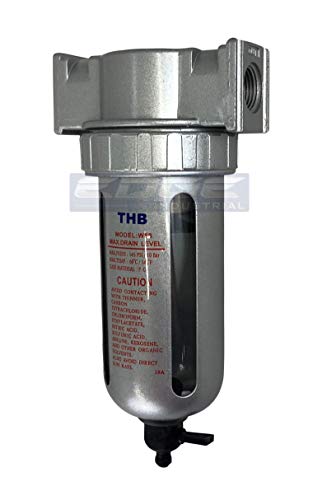 THB 1/2-Inch NPT Compressed Air Moisture Filter
|
9.1/10 | Buy |
| Best Value |
 DAIERTEK 1/2" NPT 3-Stage Air Dryer
|
9.1/10 | Buy |
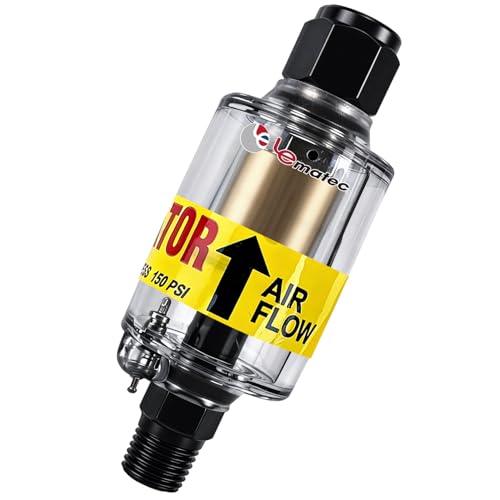 LE LEMATEC 1/4" NPT Inline Air Dryer
|
8.9/10 | Buy | |
 CAtArt 1/2-Inch 4-Stage Air Dryer Filter
|
8.3/10 | Buy | |
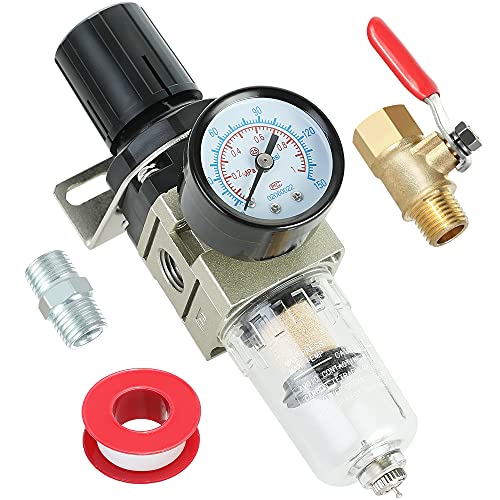 Hromee AW2000-02 1/4-Inch Filter Regulator
|
8.1/10 | Buy | |
| Best Premium |
 RVMARINEPAT 1/2-Inch 3-Stage Air Drying System
|
8.1/10 | Buy |
RVMARINEPAT 1/2-Inch 4-Stage Air Drying System
Built for moisture-critical tasks like spray painting and plasma cutting, this 4-stage system combines particulate, coalescing, and desiccant filtration with an integrated 0-240 PSI regulator. It includes replacement elements and an automatic drain to maintain clean air lines with minimal maintenance.
Pros
- Filters particulates and oil aerosols down to 0.01 microns
- Automatic drain valve minimizes routine maintenance
- Includes spare filter elements and extra desiccant packs
- Pop-up indicator signals when coalescing element needs replacement
Cons
- Desiccant beads require periodic replacement or regeneration
- Multi-stage configuration requires considerable wall mounting space
THB 1/2-Inch NPT Compressed Air Moisture Filter
The THB 1/2-inch NPT particulate filter and moisture trap delivers clean, dry compressed air with a generous 106 CFM flow rating, 5-micron particulate filtration, and a 175 PSI maximum input tolerance. It is a dependable addition to any home garage, automotive workshop, or woodworking setup looking to safeguard pneumatic tools against moisture and line scale.
Pros
- High 106 CFM flow capacity prevents severe pressure drops on high-demand pneumatic tools.
- 5-micron element traps up to 95 percent of liquid moisture, scale, and pipe debris.
- Semi-automatic drain allows easy manual purges under pressure and drains automatically when the line depressurizes.
- Metal bowl guard adds structural protection to the 5-ounce polycarbonate reservoir.
- Standard 1/2-inch NPT female ports suit mid-sized and primary workshop air drops.
Cons
- Polycarbonate bowl requires caution around harsh aerosol solvents and synthetic compressor oils.
- Requires adapter bushings if connecting directly to common 1/4-inch or 3/8-inch air fittings.
- Maximum regulated output is capped at 145 PSI, which may limit specialized ultra-high-pressure applications.
DAIERTEK 1/2" NPT 3-Stage Air Dryer
Designed for moisture-critical tasks like spray painting and plasma cutting, this 3-stage filtration unit combines particulate, coalescing, and desiccant drying with integrated pressure regulation. Durable metal bowls and color-changing media make routine monitoring straightforward in workshop setups.
Pros
- Comprehensive three-stage filtration delivers dry, clean air
- Durable metal bowl construction for workshop environments
- Color-changing desiccant beads simplify maintenance tracking
- Generous bundle includes spare filters and fittings
Cons
- Requires vertical mounting for proper auto-drain operation
- Desiccant media requires regular maintenance and replacement
LE LEMATEC 1/4" NPT Inline Air Dryer
Built for spray painting and plasma cutting setups, this compact inline separator captures oil and moisture down to 1 micron across a 2-150 PSI range. Its standard 1/4-inch NPT threading and built-in check valve help protect downstream pneumatic equipment from contamination.
Pros
- Filters oil and moisture down to 1 micron
- Wide operating range from 2 to 150 PSI
- Integrated one-way valve prevents backflow
- Standard 1/4-inch NPT fitting
- Extremely lightweight and compact profile
Cons
- Requires adapters for larger air line sizes
- Drain requires manual clearing and maintenance
CAtArt 1/2-Inch 4-Stage Air Dryer Filter
Designed for pneumatic systems requiring clean and moisture-free air, this four-stage assembly regulates pressure up to 240 PSI while stripping water, oil, and fine particulates. Color-changing desiccant beads and an automatic drain ensure straightforward ongoing monitoring for busy workshops.
Pros
- Comprehensive filtration down to 0.01 microns
- Clear visual indicators for media and filter replacement
- Automatic drain simplifies routine moisture disposal
- Locking knob prevents unwanted pressure drift
- Wide operating pressure range up to 240 PSI
Cons
- Requires regular desiccant replacement to maintain performance
- Bulky multi-stage frame requires significant mounting space
Hromee AW2000-02 1/4-Inch Filter Regulator
Designed for compact workspaces, this piggyback system integrates moisture filtration and pressure regulation into a single unit. Its brass filter element helps protect pneumatic tools from water and debris, while the included bracket and shutoff valve simplify setup.
Pros
- Durable brass filter element resists wear over time
- Dual-unit gauge provides clear pressure readings
- Compact piggyback design suits space-constrained setups
- Includes shutoff valve, bracket, and seal tape
Cons
- Requires manual operation to drain collected fluids
- Pressure capacity is capped at 150 PSI
RVMARINEPAT 1/2-Inch 3-Stage Air Drying System
Built for moisture-sensitive jobs like spray painting and sandblasting, this three-stage system combines particulate filtration, coalescing oil removal, and a desiccant dryer. Its integrated 0-240 PSI regulator and generous set of replacement filters make it a comprehensive air management solution for workshops.
Pros
- Complete kit includes spare filters, fittings, and sealing tape
- 0.01-micron stage effectively captures oil aerosols and fine moisture
- Visual indicators simplify maintenance for both filter and desiccant
- Durable metal bowl construction suited for industrial workspaces
Cons
- Auto drain requires strictly vertical mounting to function properly
- Desiccant beads require ongoing replacement as they saturate
- Bulky multi-stage assembly demands ample vertical installation space
Understanding Compressor Moisture and Effective Drainage Solutions
Discovering water dripping from an air compressor tank or spraying through a hose nozzle often triggers immediate concern about equipment failure. Fortunately, water generation is an unavoidable physical consequence of compressing ambient atmosphere rather than an internal mechanical flaw. Understanding why this liquid forms allows you to identify whether your unit is simply performing normal moisture collection or suffering from a compromised valve or clogged separation trap. Managing this fluid effectively keeps your pneumatic tools running smoothly and ensures your air receiver remains safe for years to come.
The Thermodynamic Reality of Air Compression and Condensation
Ambient air always contains a measurable amount of moisture known as relative humidity. When an air compressor pump draws in cubic feet of atmospheric air, it also ingests the suspended water vapor floating within that room. The intake stroke pulls in this humid air, while the compression stroke squeezes that volume into a fraction of its original physical space. Compressing the gas generates significant mechanical heat, which temporarily allows the compressed air to retain that moisture in a gaseous state.
Once that hot, pressurized air moves through the discharge tube and enters the storage receiver, it begins to cool toward ambient room temperature. Cool air has a much lower saturation threshold than hot air, meaning it cannot physically hold the same volume of water vapor. As the temperature drops below the dew point, the moisture undergoes a rapid phase transition from vapor to liquid. This condensation collects along the cold inner walls of the steel receiver and runs down to settle at the lowest point of the tank.
A compressor operating in an unconditioned garage during a humid summer afternoon will generate vastly more water than one running in a dry, heated winter workshop. Higher ambient humidity and continuous duty-cycle workloads accelerate this condensation rate exponentially. Because the pump continuously brings in fresh moisture-laden air with every recovery cycle, liquid water will inevitably pool inside the tank bottom. Understanding that liquid production is pure physics helps you focus your attention on proper drainage rather than worrying about pump defects.
Identifying Where the Water Leak Is Actually Occurring
Pinpointing the exact physical location of the water helps separate routine condensation discharge from faulty hardware. If you notice a puddle forming directly underneath the vertical or horizontal tank belly, the moisture is almost certainly escaping from the bottom drain valve. A loose valve seat, damaged threads, or an accumulation of rust scale inside the drain opening can prevent the valve from sealing completely. This allows pressurized water and small amounts of air to seep continuously onto the shop floor.
Moisture emerging from quick-connect couplers, manifold fittings, or hose ends points to an entirely different issue. When water spits directly out of air tools or leaks past threaded hose connections, the internal tank buffer has become overwhelmed with liquid. Water that is not drained from the receiver will eventually rise to the level of the internal outlet tube. Once the water level reaches that height, the pressurized discharge forces liquid water straight into your air supply line.
Inspect the pressure switch unloader valve and the pressure regulator assembly during daily operation. If you observe water misting from the unloader port when the motor shuts off, water has migrated into the electrical control manifold. Similarly, leaking water around a pressure regulator housing indicates that downstream filtration is either absent or completely saturated. Isolating whether the leak originates at the tank floor, the regulator body, or the tool outlet clarifies your corrective path.
The Hidden Hazards of Moisture Buildup in Tanks and Pneumatic Tools
Allowing liquid water to sit indefinitely inside a steel compressor tank creates serious long-term structural hazards. Water pooling at the bottom of the receiver combines with atmospheric oxygen and residual pump oil to form a corrosive acidic mixture. This sludgy fluid aggressively attacks the raw steel interior of the vessel, thinning the tank walls over time. Because pressure vessels operate under high stress, severe internal rust weakens the tank integrity and can lead to dangerous pinhole leaks or structural failure.
Downstream pneumatic tools suffer rapid mechanical deterioration when exposed to water-laden air lines. Tools like impact wrenches, pneumatic ratchets, and die grinders rely on fine internal clearances and light oil lubrication to prevent friction. When pressurized water blasts through the motor housing, it washes away lubricating oils and leaves bare metal exposed to oxidation. Moisture causes internal rotor vanes to swell, corrodes steel ball bearings, and rapidly ruins expensive pneumatic equipment.
Moisture creates severe consequences for finish applications such as spray painting and plasma cutting. A single water droplet passing through an HVLP spray gun nozzle will create fish-eyes, bubbling, and poor adhesion in automotive clear coats. For plasma cutters, moisture inside the compressed air line disrupts the electrical arc, causes nozzle turbulence, and rapidly erodes copper consumables. Clean, dry air is an absolute operational necessity for anyone performing precision surface finishing or metal fabrication.
Daily Maintenance Routines: How and When to Drain the Receiver Tank
Establishing a disciplined draining routine is the single most effective way to eliminate standing moisture and prevent rust. You should make it a mandatory habit to drain your air compressor receiver at the end of every single work session. If you run high-draw continuous tools in hot, humid weather, opening the drain valve mid-day provides essential protection. Leaving water trapped inside the tank between weekend projects guarantees that corrosion will silently eat away at the vessel floor.
Executing a proper manual tank drain requires a safe and controlled approach. Begin by powering down the compressor motor to prevent unexpected cycling while you work beneath the unit. You do not need to dump all stored air before opening the valve; leaving approximately ten to twenty PSI in the receiver helps blow stubborn liquid out of the orifice. Slowly open the bottom valve while holding a rag or collection pan beneath the port to catch the discharging mist.
Continue to vent the drain until the discharging stream transitions from milky, rust-tinted water to pure pressurized air. Once all liquid has evacuated, close the valve firmly without over-tightening the mechanical threads. Wipe down the underside of the receiver tank to remove any oily moisture residue that could attract grime. Taking two minutes to complete this simple purge routine preserves the usable lifespan of your entire compressed air system.
First Line of Defense: Particulate Water Traps and Regulators
While manual tank draining removes the bulk liquid resting at the bottom of the vessel, it cannot stop airborne water droplets from entering your delivery hose. Installing a dedicated particulate filter and water separator directly downstream of the receiver provides your primary line of defense. These inline filter units utilize centrifugal internal baffles to spin the incoming air stream, forcing heavy moisture droplets and rust scale outward against the bowl walls. Capturing these contaminants before they reach your regulator stabilizes downstream pressure delivery.
Once water droplets collide with the bowl wall, gravity pulls the liquid down into a quiet sump zone beneath a baffle plate. The air then passes inward through a porous filter element, typically rated at five microns, which captures particulate debris and remaining water particles. Many modular filter units combine this filtration stage with an adjustable pressure regulator, enabling you to dial in consistent working pressure while maintaining clean airflow. Brass filter elements provide durable, reusable performance that resists corrosion far better than basic fiber cartridges.
Choosing between a transparent polycarbonate bowl with a protective metal guard and a solid metal bowl depends on your working environment. Transparent filter cups allow you to visually monitor liquid collection levels so you know when manual draining is required. Units equipped with semi-automatic overnight drains will hold liquid under operating pressure and automatically vent the bowl once line pressure drops to zero. This setup prevents forgotten moisture from stagnating inside your filtration bowls between shop sessions.
Advanced Multi-Stage Drying: Coalescing Filters and Desiccant Systems
Standard particulate filters work well for basic nailing and tire inflation, but moisture-sensitive applications demand advanced multi-stage drying. Fine water aerosols and atomized pump oil droplets are often small enough to pass straight through five-micron mechanical filters. To capture these microscopic contaminants, workshops incorporate secondary coalescing filters featuring ultra-fine elements rated down to 0.01 microns. These dense fibrous elements force tiny liquid aerosols to merge into larger drops that fall into a collection drain.
Eliminating remaining water vapor down to sub-zero dew points requires passing the air through an inline desiccant dryer stage. Desiccant dryers contain porous silica gel beads that physically adsorb water molecules from the passing compressed air stream. Most commercial desiccant beads feature color-indicating chemicals that shift from vibrant blue to light pink as they become saturated with moisture. Once the beads turn pink, they must be regenerated or replaced to restore deep drying performance.
A comprehensive four-stage filtration setup combines a particulate filter regulator, a coalescing filter, and a dual-bowl desiccant drying chamber. In this sequence, the five-micron pre-filter captures bulk water and heavy debris, protecting the delicate 0.01-micron coalescing element from premature clogging. The desiccant bed then polishes the air stream to near-zero humidity, delivering pristine air suitable for professional paint booths and sensitive plasma tables. Visible sight glasses and replacement pop-up indicators ensure you can monitor element health without disassembling the system.
Diagnosing and Fixing Leaking Drain Valves and Float Mechanisms
If your air compressor leaks water continuously even when you attempt to close the drain, the valve mechanism itself has likely failed. Factory thumb petcocks frequently suffer from accumulated rust scale and grit that lodge between the brass needle and the valve seat. Forcing a clogged petcock closed often scores the brass surface, preventing an airtight and watertight seal. In other instances, internal rubber seals degrade over time from exposure to synthetic pump oils and moisture.
Automatic drain valves can also malfunction if they are subjected to excessive dirt or improper physical orientation. Many float-style auto-drains require strict vertical mounting to allow internal gravity floats to seat and unseat correctly. If the filter bowl tilts or fine rust particulates jam the pilot orifice, the valve will either stick open and hiss air or refuse to release collected liquid. Cleaning the internal float chamber with warm water and mild solvent often restores proper mechanical operation.
Replacing a defective factory petcock with a quarter-turn brass ball valve is one of the most practical upgrades you can make. Before servicing any valve, verify that the compressor is unplugged and the tank is completely depressurized to zero PSI. Thread the old fitting out of the bottom tank bung, clean the female threads thoroughly, and apply quality PTFE thread sealant tape. Installing an extended pipe nipple and an accessible brass ball valve makes future draining fast, clean, and reliable.
Workshop Piping Strategies to Keep Moisture Out of Tool Lines
The physical arrangement of your workshop air lines plays a massive role in whether water reaches your tools. Mounting a water separator directly onto the compressor tank discharge port often yields disappointing results. Because air exiting the pump head is hot, much of the moisture remains in a vapor state and passes right through the filter element. Placing your primary filtration unit twenty to thirty feet down the line gives the air sufficient pipe distance to cool and condense into filterable liquid droplets.
Installing dedicated drop legs with manual drain valves along your shop wall provides natural moisture traps for condensation. Run your main overhead air line with a slight downward slope away from the compressor toward an end-of-line drain drop. When branching off to feed individual tool drops, always pull air from the top of the main supply pipe using an inverted tee fitting. This geometry forces condensed water running along the bottom of the pipe to bypass the tool drop and fall safely into the bottom drain leg.
Combining rigid shop piping layout with point-of-use mini separators guarantees optimal protection for sensitive pneumatic tools. Small disposable or mini inline dryers installed right at the base of an HVLP spray gun capture any micro-droplets that form inside flexible rubber hoses. Rubber and PVC air hoses can generate localized condensation as expanding air cools rapidly near high-flow tool exhausts. Using multiple defense tiers ensures that moisture is captured both at the central manifold and right at the tool trigger.
Practical Verification and Long-Term Condensation Management
After cleaning your drain valves or installing modular filtration equipment, always run a systematic operational check. Pressurize the tank to its rated cut-out threshold and inspect all threaded pipe joints using a soapy water leak-detection solution. Ensure that auto-drain valves seal firmly under pressure and that no faint hissing escapes from bowl seals or drain bungs. Observe the sight glasses on your filter bowls during continuous tool operation to verify that centrifugal baffles are actively stripping water.
Long-term moisture management requires keeping replacement filter elements and fresh desiccant on hand for timely maintenance. When the pressure differential across a 5-micron or 0.01-micron filter element increases, flow restriction can starve high-demand pneumatic tools of CFM. Inspect desiccant beads monthly, replacing or regenerating them the moment their color shifts from blue to pink. Consistent attention to these small maintenance items guarantees reliable air delivery and prevents unexpected water damage across every project.
Dealing with water in your compressed air system is a standard part of workshop ownership rather than a sign of irreversible equipment failure. By combining a strict daily tank draining habit with multi-stage inline filtration, you eliminate the root causes of line moisture and puddle formation. Whether you are running light nailers or operating a precision paint spray gun, taking control of condensation protects your tools, your workpiece finishes, and your air receiver tank for years of dependable service.
About the author
Clint DeBoer is an experienced tool-industry specialist with decades of involvement in technical media, hands-on product evaluation, and testing methodology. His focus on performance, practical usability, and data-driven comparisons makes his expertise highly relevant to professional air compressors, pneumatic tools, and workshop equipment.