
Where to Put Oil in Air Compressor: Practical Guide for 2026
Understand where to put oil in air compressor correctly in October 2026 with pump crankcase steps, oil fill port locations, and proper tool lubrication guidelines.
 By Bob Beacham
Updated October 8, 2026
By Bob Beacham
Updated October 8, 2026
Splash-lubricated air compressor pumps rely on clean oil within the crankcase to cool reciprocating pistons, lubricate connecting rod bearings, and seal cylinder rings under heavy compression loads. Without proper lubrication, friction rapidly generates destructive thermal buildup, leading to scored cylinder walls, blown gaskets, or complete motor seizure during extended duty cycles. Discovering exactly where to put oil in air compressor is one of the most critical maintenance steps for keeping a reciprocating pump running smoothly in your home garage or workshop. Many equipment owners mistakenly introduce oil into air intake filters or air tanks, creating severe contamination downstream that damages pneumatic hoses and ruins delicate paint finishes. Understanding basic air compressor operation ensures that every droplet of lubricant reaches the mechanical components engineered to receive it.
Lubrication requirements also differ drastically depending on whether a unit features an oil-lubricated cast-iron pump or an oil-free dual-piston design. Units such as the Klutch 20-Gallon Air Compressor feature oil-free pump mechanisms that require zero crankcase fluid, meaning adding oil to the pump housing will cause immediate mechanical damage. Conversely, traditional reciprocating units require dedicated non-detergent oils poured directly into the designated pump crankcase fill port. Furthermore, pneumatic air tools require their own separate lubrication line rather than sharing fluid with the compressor pump itself. Navigating these distinctions protects your equipment investment, preserves regulated line pressure, and ensures your pneumatic workshop system operates reliably for years.
| Award | Product | ACR Score About ACR ScoreThe ACR Score is our own rating from 0 to 10, based on performance, design and build, ease of use, and value. It reflects independent research and is never influenced by manufacturers, retailers, or affiliate commissions. Learn more › | |
|---|---|---|---|
| Best Overall |
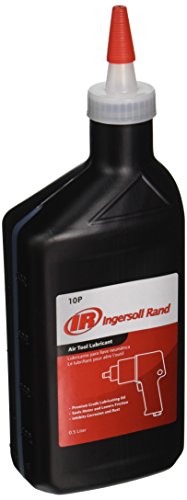
Ingersoll Rand 10P Air Tool Oil, 1 Pint
|
9.2/10 | Buy |
| Best Premium |
 Mag 1 1-Gallon Air Compressor Oil
|
9.2/10 | Buy |
| Best Budget |
 Triax Kompressor ISO 46 SAE 20 Full Synthetic Air
|
9.1/10 | Buy |
 MASITE PCWJ 1/4-Inch NPT In-Line Oiler (2-Pack)
|
8.9/10 | Buy | |
| Best Value |
 THB 1/4-Inch Mini Inline Air Tool Lubricator Oiler
|
8.9/10 | Buy |
 Milton 1002 SAE 30W Compressor Oil, 1 Gallon
|
8.8/10 | Buy | |
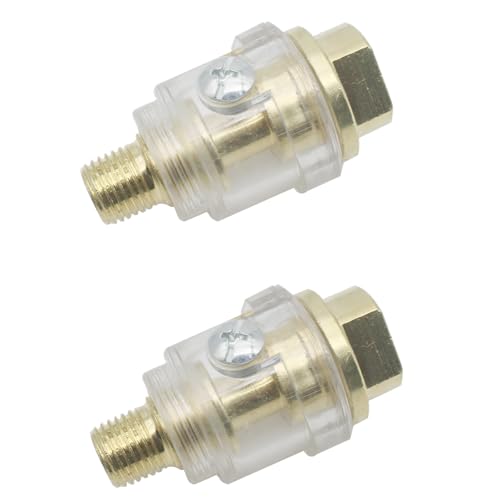 OZXNO 1/4" NPT Mini In-Line Oiler (2-Pack)
|
8.6/10 | Buy | |
 Ingersoll Rand All Season Select Lubricant, 1L
|
8.6/10 | Buy | |
 Milton 1002-32 ISO-100 Compressor Oil, 32 oz
|
8.4/10 | Buy | |
 Klutch 20-Gallon Portable Air Compressor
|
8.4/10 | Buy |
Ingersoll Rand 10P Air Tool Oil, 1 Pint
Formulated for pneumatic equipment upkeep, the Ingersoll Rand 10P delivers premium-grade lubrication in a compact one-pint container. It serves as a dependable fluid for mechanics and workshops focused on extending the service life of air-powered tools.
Pros
- Formulated specifically for pneumatic mechanisms
- Compact and easily portable 1-pint bottle
- Lightweight design under one pound
- Official Ingersoll Rand Edge Series lubricant
Cons
- One-pint volume may run out quickly in high-volume shops
- Single-purpose lubricant restricted to pneumatic tool use
Mag 1 1-Gallon Air Compressor Oil
Formulated for reliable workshop maintenance, Mag 1 Air Compressor Oil uses refined petroleum base stocks paired with anti-foam additives to maintain stable lubrication. The generous one-gallon volume makes it a practical choice for keeping reciprocating or stationary compressors running smoothly over time.
Pros
- Anti-foam additives maintain steady lubrication
- Refined petroleum stocks promote smooth operation
- Formula helps extend compressor service life
- Generous 1-gallon volume handles multiple refills
Cons
- Jug weighs 7.25 pounds and can be heavy to pour
- One-gallon size may exceed small top-off needs
Triax Kompressor ISO 46 SAE 20 Full Synthetic Air
Triax Kompressor ISO 46 SAE 20 is a commercial-grade, full synthetic non-detergent compressor oil engineered for oil-lubricated reciprocating, rotary screw, and vane pumps operating in temperatures from -49°F to over 140°F. It provides exceptional thermal protection and extended component life for garage mechanics and shop owners maintaining heavy-duty pneumatic systems.
Pros
- Extreme all-weather operating range from -49°F to 140°F+ prevents cold-start motor stalling and high-heat viscosity breakdown
- Non-detergent full synthetic formula protects internal bearings and provides up to 20,000 hours of service longevity
- Lowers operating pump temperatures by 30% and actively sheds condensation to prevent internal crankcase rust
- Compatible with oil-lubricated reciprocating, rotary screw, and rotary vane compressor pumps from major manufacturers
Cons
- Not suitable for oil-free or maintenance-free dual-piston compressor designs that do not use crankcase oil
- Explicitly prohibited for use in breathing air systems, oxygen compressors, or liquid natural gas (LNG) units
- Single-quart volume may require purchasing multiple bottles for larger stationary 60-gallon or 80-gallon shop pump crankcases
MASITE PCWJ 1/4-Inch NPT In-Line Oiler (2-Pack)
Pneumatic tools require consistent lubrication to prevent internal wear, and these compact in-line lubricators automate oil delivery directly through standard 1/4-inch NPT connections. The transparent body lets operators quickly verify fluid levels without interrupting workflow.
Pros
- Transparent housing allows clear fluid level monitoring
- Compact 58mm profile fits into restricted spaces
- Universal 1/4-inch NPT threading fits standard air lines
- Solid brass fittings offer durable long-term service
Cons
- Small reservoir capacity requires frequent manual refills
- Direct inline connection adds rigid length to air tools
- Incompatible with larger diameter air lines without adapters
THB 1/4-Inch Mini Inline Air Tool Lubricator Oiler
The THB 1/4-inch mini inline lubricator delivers continuous oil misting at up to 150 PSI and 52 CFM to protect pneumatic tool motors from internal wear. It is a smart addition for home garage mechanics and workshop DIYers running air ratchets and impact wrenches.
Pros
- High rated airflow of 52 CFM prevents tool starvation on typical 1/4-inch shop air lines
- Includes dedicated wall-mounting bracket for clean and secure workshop installation
- Helps prevent internal motor seizure in impact wrenches, air ratchets, and die grinders
- Handles up to 150 PSI operating pressure, matching most residential and light-commercial compressors
Cons
- Compact 30ml reservoir requires frequent level checks in high-volume, multi-operator shops
- Lines downstream become permanently oiled, requiring dedicated hoses kept separate from paint sprayers or blowguns
- 1/4-inch port size is not intended for heavy industrial 3/8-inch or 1/2-inch main airline drops
Milton 1002 SAE 30W Compressor Oil, 1 Gallon
Milton 1002 is a non-detergent ISO-100 SAE 30W conventional lubricant engineered specifically for reciprocating air compressors. The one-gallon capacity makes it a sensible option for regular workshop equipment upkeep.
Pros
- Non-detergent formula tailored for reciprocating compressors
- Standard ISO-100 SAE 30W viscosity rating
- Generous one-gallon volume covers multiple refills
Cons
- Conventional mineral formula instead of synthetic blend
- Heavy container can be awkward to pour directly
OZXNO 1/4" NPT Mini In-Line Oiler (2-Pack)
Delivering continuous lubrication directly to pneumatic equipment, these compact oilers help protect internal components from premature wear. A clear reservoir allows quick visual oil checks right at the air inlet.
Pros
- Clear housing enables fast fluid monitoring
- Standard 1/4-inch NPT threads fit most air tools
- Compact footprint adds minimal bulk to setups
- Comes in a practical two-piece set
Cons
- Copper-plated iron instead of solid brass
- Compact oil reservoir requires regular refilling
Ingersoll Rand All Season Select Lubricant, 1L
Engineered as an all-weather OEM fluid, this synthetic lubricant protects reciprocating compressors during continuous duty while resisting carbon buildup on critical valves. It is a solid pick for equipment owners who want fewer oil changes and reliable year-round operation.
Pros
- Maintains stable viscosity in hot and cold seasons
- Lasts four times longer than petroleum oil
- Keeps valves and rings free of carbon deposits
- Protects bearings under continuous duty cycles
Cons
- Formulated specifically for reciprocating compressor systems
- One-liter bottle requires buying multiples for large pumps
Milton 1002-32 ISO-100 Compressor Oil, 32 oz
Formulated specifically for oil-lubricated reciprocating compressors, this ISO-100 non-detergent lubricant shields pumps against wear and deposit buildup. It separates easily from moisture and remains fluid down to -15°F for dependable cold-weather starts.
Pros
- Protects internal components against wear and corrosion
- Non-detergent formula resists foaming and separates water
- Inhibits sludge and carbon deposit formation
- Maintains fluidity in temperatures down to -15°F
Cons
- Designed strictly for reciprocating pump mechanisms
- Conventional oil base rather than full synthetic
Klutch 20-Gallon Portable Air Compressor
Featuring a 2.0 HP 120V motor and a 20-gallon tank, the Klutch portable air compressor delivers a rated 4.2 SCFM at 90 PSI for versatile workshop air. Its oil-free pump and wheeled design make it a dependable choice for garage mechanics, woodworkers, and serious DIYers needing steady air storage.
Pros
- Generous 20-gallon air storage capacity provides a substantial buffer for intermittent shop tools
- Delivers a listed 4.2 SCFM at 90 PSI, outperforming smaller pancake compressors for workshop chores
- Oil-free pump design eliminates messy oil changes and allows clean, upright transport
- Rugged rubber wheels and built-in ergonomic handle make moving the 90-pound frame manageable
- Integrated thermal overload protection helps prevent motor burnout during demanding cycles
Cons
- Substantial 90-pound weight makes lifting into truck beds or carrying up stairs difficult without assistance
- Oil-free motor configurations generally produce noticeable operating noise compared to low-RPM lubricated units
- At 4.2 SCFM at 90 PSI, high-draw continuous air tools like sanders or grinders will require recovery pauses
Comprehensive Guide to Air Compressor Lubrication Ports and Maintenance
Locating the correct port to add oil to an air compressor prevents severe pump damage and ensures that compressed air systems deliver stable pressure without mechanical friction. Reciprocating air compressor pumps house moving connecting rods, wrist pins, and crankshaft bearings that require an exact fluid reservoir inside their lower crankcase. Pouring lubricant into the wrong opening can ruin intake air filters, contaminate pressurized air storage tanks, or cause dangerous hydrodynamic lock in the compression cylinders. Taking a few moments to understand how air compressor pumps work makes identifying the correct fill locations intuitive and straightforward across different workshop machinery configurations.
Identifying Your Pump Architecture: Oil-Lubricated Versus Oil-Free Designs
Before searching for an oil fill plug, you must verify whether your compressor actually requires crankcase lubrication. Many modern consumer and portable jobsite compressors utilize permanently lubricated, oil-free pump mechanisms. For example, the Klutch 20-Gallon Air Compressor operates with an oil-free dual-piston pump that utilizes self-lubricating composite piston rings. These oil-free systems do not have an oil reservoir, meaning attempting to pour oil into their housings will ruin the cooling airflow passages and damage internal electric motor windings.
Traditional workshop compressors feature splash-lubricated cast-iron or aluminum pumps that rely on a dedicated oil bath. These machines are easily identified by a rectangular or cylindrical crankcase sitting directly below the finned cylinder head assembly. You will clearly see a fill cap on top of the pump base, a drain plug along the bottom rim, and a visual sight glass or dipstick along the side. If your compressor pump features these external castings, it requires routine oil monitoring and periodic fluid changes to prevent catastrophic bearing failure.
Locating the Crankcase Oil Fill Port and Breather Plug
On an oil-lubricated reciprocating compressor, the oil fill port is located on the upper surface of the pump crankcase, usually positioned adjacent to the cylinder base. This port is sealed with either a threaded plastic hex plug, a knurled metal cap, or a combination oil fill breather cap. The breather cap contains small atmospheric vent holes that allow internal crankcase pressure to escape as the pistons move up and down. Without this ventilation, internal air pressure would force oil past the crankshaft seals and cause continuous external oil leaks.
Under no circumstances should oil ever be poured into the air intake filter housing or the black intake silencer canister. The air intake port draws atmospheric air directly into the compression valves, so adding oil there will foul the reed valves and cause severe carbon accumulation. Similarly, you must never add oil to the air tank bung ports or the pressure switch manifold fittings. The crankcase fill hole is exclusively situated on the cast pump housing where the internal crankshaft rotates.
Reading the Oil Sight Glass and Dipstick for Accurate Levels
Accurate fluid measurement prevents both under-lubrication and severe overfilling inside the pump reservoir. Most commercial and stationary air compressors incorporate a clear acrylic or glass sight gauge positioned low on the side of the crankcase. This sight glass typically features a distinct red circular target mark or a central horizontal indicator line. The correct resting oil level should sit precisely at the center of the red dot when the compressor is parked on a level floor and powered off.
Some portable reciprocating models utilize a traditional pull-out dipstick integrated directly into the breather cap rather than a side glass window. When checking dipsticks, remove the plug, wipe the blade clean with a lint-free cloth, reinsert it fully without cross-threading, and withdraw it to inspect the wet oil line. The fluid must register between the minimum add hash mark and the maximum full indicator. Allowing oil to drop below the minimum threshold starves the connecting rod splash dippers, while overfilling creates excessive hydraulic drag and forces oil aerosol past the piston rings into the air tank.
Draining Old Fluid Before Adding Fresh Lubricant
Adding fresh lubricant to degraded, sludge-filled oil reduces pumping efficiency and accelerates mechanical bearing wear. Before topping up or refilling, inspect the condition of the fluid through the sight window. If the liquid appears dark brown, black, or milky from trapped atmospheric condensation, complete drainage is necessary. The crankcase drain port is located at the absolute base of the pump casting, directly opposite or below the fill plug.
Always disconnect electrical power and depressurize the air tank completely before loosening any crankcase hardware. Running the compressor for five to ten minutes beforehand warms the oil, allowing particulate contaminants and moisture to drain out smoothly. Place a shallow oil pan beneath the lower drain hex bolt and remove the plug carefully to direct the stream away from vibration mounts. Once the crankcase has emptied, clean the magnetic tip of the drain plug, inspect the sealing washer, and tighten the bolt securely before introducing fresh fluid through the top port.
Selecting the Correct Pump Oil: Non-Detergent Formulations
Using the proper lubricant formulation is just as crucial as pouring it into the correct crankcase port. Standard automotive motor oils must never be used in reciprocating air compressors because automotive fluids contain detergent additives. Detergent chemicals are designed to keep carbon particles suspended in engine oil until trapped by an automotive oil filter. Because air compressor pumps lack oil filters, detergents cause particles to circulate continuously between the cylinder walls and piston skirts, causing rapid abrasion.
Reciprocating pumps require dedicated non-detergent air compressor oils that resist thermal breakdown, prevent foaming, and separate cleanly from atmospheric moisture. Products like Milton 1002 High Performance Conventional Air Compressor Oil and Milton 1002-32 provide ISO-100 SAE 30W non-detergent lubrication specifically formulated for reciprocating cast-iron pumps. Petroleum blends such as Mag 1 Air Compressor Oil enrich refined petroleum stocks with anti-foam agents to ensure that splash dippers do not whip the oil into an ineffective froth.
In extreme operating climates or continuous industrial operations, full synthetic oils deliver superior protection against valve carbonization and thermal oxidation. TRIAX Kompressor ISO 46 SAE 20 Full Synthetic Oil provides wide-temperature stability across cold winter starts and hot shop environments while repelling moisture. Similarly, Ingersoll Rand All Season Select Synthetic Air Compressor Lubricant is formulated to reduce carbon buildup on reed valves and extend fluid service intervals across heavy-duty reciprocating pumps. Always consult your pump manual to match the recommended viscosity grade to your workspace ambient temperature.
Step-by-Step Procedure for Adding Oil to the Compressor Pump
Adding oil requires a methodical process to avoid overfilling, spills, and atmospheric contamination inside the pump crankcase. First, position the air compressor on a solid, completely level workspace so that visual fluid gauges provide an accurate reading. Disconnect the main power cord from the wall receptacle or switch off the dedicated circuit breaker to prevent unexpected motor starts. Wipe down the entire exterior surface of the pump crankcase with a clean rag to ensure that abrasive garage grit does not fall into the fill opening.
Next, carefully unscrew the crankcase breather cap or oil fill plug using an appropriate wrench or by hand. Insert a narrow, clean funnel directly into the fill hole to guide the fluid past the threaded opening. Pour your chosen non-detergent oil slowly, pausing every few ounces to let the liquid settle into the lower sump. Because cold oil moves slowly through internal crankcase baffles, rapid pouring often leads to accidental overfilling before the sight glass displays the true level.
Stop pouring as soon as the fluid meniscus reaches the exact center of the sight glass red target or reaches the top fill line on the dipstick. Remove the funnel, wipe any drips off the casting, and inspect the breather cap vent holes to confirm they are completely clear of dust or debris. Thread the breather cap back into the fill port and tighten it firmly without overtightening plastic threads. Reconnect electrical power and allow the machine to run for two minutes while observing the sight glass to confirm stable operating levels.
Air Tool Lubrication: Why Tool Oil Never Enters the Compressor Pump
A common mistake among pneumatic tool operators is confusing air compressor pump oil with pneumatic air tool oil. Pneumatic tools like impact wrenches, air ratchets, and framing nailers contain delicate rotor vanes, O-rings, and miniature shuttle valves that require specialized light-viscosity lubricants. Products such as Ingersoll Rand 10P Edge Series Premium Air Tool Oil are engineered to dissolve moisture, lubricate high-speed motor vanes, and exit harmlessly through tool exhausts.
Air tool oil must never be added to your compressor pump crankcase because its low viscosity cannot support heavy crankshaft and connecting rod loads. Conversely, heavy ISO-100 or SAE 30W pump oil must never be injected into pneumatic tools because thick compressor oil gums up miniature tool valves and causes sluggish pneumatic firing. To lubricate individual air tools, place two to four drops of dedicated tool oil directly into the tool male air inlet fitting immediately prior to attaching the hose.
Installing In-Line Oilers and Lubricators on Air Lines
Workshops operating continuous pneumatic equipment frequently automate tool lubrication using in-line oilers instead of applying manual daily drops. Compact units such as the THB 1/4″ Mini Lubricator or the MASITE PCWJ Mini In-Line Air Compressor Oiler install directly into the pneumatic delivery piping. When connecting pneumatic attachments, these compact lubricators use the downstream venturi effect to atomize a fine oil mist into passing air streams. Transparent housings, like those found on OZXNO Mini In-Line Oilers, allow operators to monitor internal fluid reserves at a glance.
In-line lubricators must always be placed downstream from the compressor tank and pressure regulator, mounted directly at the tool whip hose connection. Never place an in-line oiler before an air storage tank or upstream of lines used for spray painting, plasma cutting, or automotive tire inflation. Oil atomized into general workshop hoses will permanently contaminate lines and ruin spray finishes with fish-eyes and blistering. Maintaining dedicated lubricated hoses for mechanical impact tools alongside clean, oil-free hoses for finishing work preserves pneumatic versatility.
Recognizing Common Mistakes and Preventing System Damage
Pouring lubricant into the wrong port or using incorrect fluids causes immediate operational disruptions across your compressed air system. Introducing oil into the air intake port coats intake silencer media and gums up delicate reed valves, drastically restricting incoming airflow and prolonging tank recovery times. Similarly, pouring oil into the pressurized air tank does nothing to protect the pump crankcase, instead filling the tank floor with sludgy emulsion that discharges into your tools.
Operating a pump with too much oil creates excessive crankcase pressure that forces oil mist past the piston compression rings into downstream air piping. This excessive oil carryover fouls pneumatic regulators, clogs in-line moisture separators, and creates smoky shop exhaust. On the other hand, running a splash-lubricated pump with low oil starves the wrist pin bearings and cylinder walls, leading to rapid metallic scoring and eventual motor seizure. Routinely checking the exterior sight glass before flipping the power switch completely prevents these costly mechanical failures.
Verification, Break-In Cycles, and Ongoing Maintenance Schedules
After adding or replacing pump oil, performing a structured verification procedure confirms proper lubrication before putting the compressor under heavy load. If you are servicing a brand-new pump or refilling after an overhaul, open the bottom tank drain valve completely and allow the motor to run unloaded for fifteen minutes. This zero-pressure break-in period allows splash dippers to distribute fluid across the entire cylinder bore, seating piston rings without subjecting mechanical components to high compression pressures.
Following the zero-pressure cycle, close the tank drain valve, allow the unit to build pressure up to its factory cut-out threshold, and shut down the motor. Re-inspect the oil level in the sight window after five minutes of cooling to verify that the fluid rests dead-center on the indicator dot. Check around the crankcase drain plug and breather fitting to ensure there are no active oil drips or weeping gaskets. Maintaining a written logbook of oil changes alongside daily tank condensation draining guarantees that your air compressor delivers dependable pneumatic power across every workshop project.
About the author
Bob Beacham is an experienced tools and workshop writer with deep knowledge of power equipment, mechanical systems, and practical DIY applications. His coverage of air compressors, welding equipment, saws, and workshop tools helps translate technical specifications into useful guidance for homeowners and serious DIYers.