
What Size Air Compressor Is Needed for an Impact Wrench: Sizing Guide for 2026
Determine what size air compressor is needed for an impact wrench by matching CFM ratings and tank volume for garage projects in October 2026.
 By Bob Beacham
Updated October 8, 2026
By Bob Beacham
Updated October 8, 2026
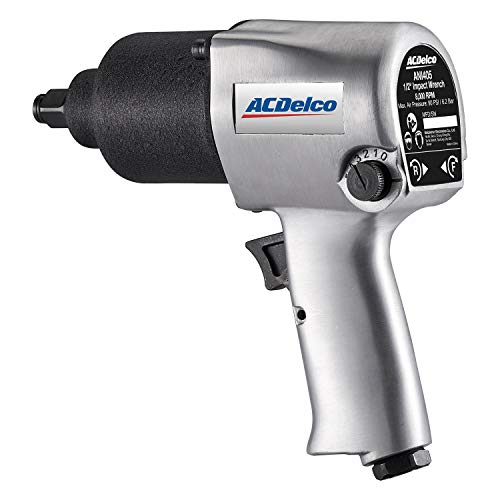
Stalling an impact gun halfway through removing a stubborn lug nut is one of the most frustrating experiences in an automotive workspace. Pneumatic impact wrenches require a sudden rush of high-pressure air followed by steady volume to spin their internal hammers effectively. Understanding what size air compressor is needed for an impact wrench requires looking beyond raw horsepower ratings and focusing closely on air delivery volume at working pressure. When planning out your automotive air compressor applications, matching the pneumatic motor’s volumetric intake to the compressor pump output ensures you do not end up with an underpowered wrench.
Many DIY mechanics assume any unit with an air hose can bust loose rusted suspension bolts, but tank volume and flow rate dictate actual tool performance. While a small three gallon air compressor limits runtime to brief, intermittent bursts, prolonged automotive work demands a far larger air reservoir. Inadequate air delivery starves pneumatic mechanisms of momentum, dropping loosening torque well below manufacturer ratings and cycling the motor incessantly. Evaluating continuous cubic feet per minute alongside tank storage capacity helps you avoid breaker trips, tool starvation, and premature pump wear in your garage.
| Award | Product | ACR Score About ACR ScoreThe ACR Score is our own rating from 0 to 10, based on performance, design and build, ease of use, and value. It reflects independent research and is never influenced by manufacturers, retailers, or affiliate commissions. Learn more › | |
|---|---|---|---|
| Best Overall |
ACDelco ANI405A Heavy Duty Twin Hammer ½” 500
|
9.2/10 | Buy |
| Best Premium |
 Ingersoll Rand 231C 1/2" Drive Air Impact Wrench
|
8.9/10 | Buy |
 DYNAMIC POWER 50 Pieces Air Tool Kit. 1-1/2''
|
8.8/10 | Buy | |
| Best Budget |
 AEROPRO TOOLS 1/2-Inch Air Impact Wrench
|
8.6/10 | Buy |
| Best Value |
 AEROPRO TOOLS 1/2-Inch Aluminum Air Impact Wrench
|
8.6/10 | Buy |
 AEROPRO TOOLS 3/8" Professional Air Ratchet Wrench
|
8.3/10 | Buy | |
 BESWELL® BW-112BN 1/2-Inch Air Impact Wrench
|
8.3/10 | Buy | |
 AEROPRO TOOLS 1/2-Inch Aluminum Air Impact
|
8.3/10 | Buy | |
 Trivd Frol Air Impact Wrench 1/2“
|
8.3/10 | Buy | |
 Ingersoll Rand 231HA-2 1/2"-Drive Air Impact
|
8.3/10 | Buy |
Sizing an Air Compressor for an Impact Wrench: Complete Guide
Pneumatic impact wrenches demand substantial airflow to spin internal twin-hammer mechanisms and deliver peak breakaway torque. To run a standard half-inch pneumatic impact wrench reliably, you need an air compressor that delivers at least 4 to 5 CFM at 90 PSI paired with a tank of at least 20 to 30 gallons for continuous automotive tasks. While smaller portable units can break free a single lug nut, they rapidly lose working pressure during multi-lug wheel rotations or heavy suspension work. Matching your compressor output to the dynamic air consumption of your specific tool ensures consistent performance and prevents frustrating tool stalls. Investing in an adequately sized compressor guarantees your impact gun reaches its full rated torque every time you pull the trigger.
Understanding Air Delivery: Why CFM at 90 PSI Matters Most
Cubic feet per minute, commonly abbreviated as CFM, measures the actual volume of compressed air that a pump produces under steady working pressure. Most pneumatic impact wrenches operate at a standardized pressure rating of 90 PSI, where their high-speed air motors spin rapidly to drive internal hammer mechanisms. Tool manufacturers frequently advertise an average CFM rating based on an assumed 25 percent duty cycle, which calculates consumption as if the tool runs for only fifteen seconds out of every full minute. If a buyer relies strictly on that average figure, they risk purchasing an undersized compressor that runs out of breath during heavy-duty mechanical repairs. Checking the continuous consumption figure provides a far more accurate baseline for workshop planning.
Continuous CFM consumption for a standard half-inch air impact wrench typically ranges between 15 and 20 CFM when the trigger is held wide open. Portable compressors rated around 2 to 3 CFM at 90 PSI cannot sustain this rate of flow indefinitely, which causes discharge pressure to drop steeply within seconds. Once air pressure falls below the tool’s 90 PSI threshold, the impact gun loses substantial kinetic energy and fails to loosen seized bolts. Evaluating continuous volumetric demand rather than optimistic manufacturer averages helps prevent severe operational bottlenecks in your garage. A compressor with robust flow delivery keeps the tool firing smoothly through stubborn fasteners.
Air Tank Size Considerations for Intermittent Versus Continuous Fastening
The compressor receiver tank functions as a pressurized energy buffer, bridging the gap between instantaneous tool demand and continuous pump production. When an impact wrench consumes 15 CFM during a ten-second bolt-busting cycle, a small tank empties in moments, dragging line pressure down. A tank size between 20 and 30 gallons provides sufficient reserve volume to remove four or five lug nuts on a wheel before the pump must cycle. Smaller six-gallon pancake units force the operator to pause between individual fasteners while waiting for the pump to rebuild cut-out pressure. That constant waiting disrupts workflow and turns simple maintenance jobs into tedious chores.
Larger workshop reservoirs, such as 60-gallon vertical stationary tanks, eliminate the problem of air starvation completely for heavy shop use. These large tanks hold enough volume to buffer extended wrenching sessions without experiencing sudden pressure drops at the tool regulator. They also minimize the total number of pump motor start cycles, which prevents excessive electrical heat buildup and extends component service life. If your mechanical projects involve farm machinery, heavy truck chassis, or structural steel, an oversized storage tank remains essential. A large reservoir also allows you to run multiple air tools intermittently without dropping shop line pressure.
How Drive Size Alters Tool Air Consumption
The physical drive size of your impact tool directly dictates how much pneumatic volume is necessary to spin the motor. Compact three-eighths-inch impact wrenches and air ratchets generally consume between 2.5 and 4 CFM under normal fastening loads. Because these smaller tools feature lighter rotor assemblies, a modest 10-gallon compressor delivering around 3.5 CFM at 90 PSI can handle most light assembly tasks. Automotive body shops often use these lighter setups for interior fasteners and compact engine bay repairs without straining shop utilities. They deliver agile performance in tight quarters where large half-inch guns cannot physically reach.
Half-inch drive tools represent the standard across automotive repair, balancing high loosening torque with practical handling. High-torque models, such as those reaching over 1,000 foot-pounds of loosening torque, utilize larger internal cylinders that demand more immediate volume. Running these tools requires a compressor capable of supplying at least 5 CFM at 90 PSI, alongside an adequate buffer tank. Attempting to power a high-output half-inch wrench with an entry-level trim carpentry compressor will leave heavy suspension bolts completely untouched. Proper volume matching allows the twin-hammer assembly to strike with maximum inertia.
Heavy-duty three-quarter-inch and one-inch impact wrenches used on commercial vehicles operate on an entirely different scale of air demand. These massive pneumatic guns commonly require 10 to 12 CFM at 90 PSI, with wide-open continuous demands exceeding 35 CFM. Powering tools of this caliber requires a stationary two-stage commercial compressor with an 80-gallon tank or a dedicated gas-powered wheelbarrow unit. Running industrial fasteners on standard single-stage home garage compressors will stall the tool almost instantly and risk motor thermal shutdown. Commercial fleet maintenance demands industrial-grade compressor displacement to maintain productivity.
Operating Pressure and Dynamic Line Loss Across Hoses and Fittings
Working pressure and airflow volume work together to determine the ultimate output of any pneumatic wrench. Most impact guns are engineered for 90 PSI dynamic operating pressure, meaning the air pressure measured at the tool inlet while running. If your compressor regulator is set to 90 PSI, friction across the hose and couplers will cause the dynamic pressure to drop into the 70s. Setting your regulator slightly higher, between 100 and 110 PSI, compensates for dynamic line loss and maintains true working pressure at the motor. That extra margin prevents the tool from bogging down during stubborn bolt extractions.
Air hose diameter plays an equally critical role in delivering adequate air volume to the tool mechanism. Standard quarter-inch inner diameter air hoses create massive friction restrictions, choking the air supply before it reaches the wrench cylinder. Switching to a three-eighths-inch or half-inch inner diameter hose allows uninhibited airflow, unlocking the full breakaway torque of the tool. High-flow couplers and fittings also reduce internal bottlenecks, ensuring your compressor investment translates directly into mechanical power. Eliminating plumbing restrictions is one of the cheapest ways to restore lost tool torque.
Pump Mechanism Longevity: Oil-Free Convenience Versus Oil-Lubricated Durability
Compressor pump architecture impacts both the initial air delivery and the long-term duty cycle of your pneumatic system. Oil-free pumps utilize Teflon-coated piston rings and operate at higher rotational speeds to generate necessary CFM output. While these models require zero lubricant maintenance and start easily in cold weather, their limited duty cycles make them loud and prone to heat buildup during prolonged use. They work adequately for occasional DIY tire changes, but frequent automotive work will shorten their operational lifespan. Frequent cycling on an oil-free unit can wear down piston seals quickly.
Cast-iron, oil-lubricated pumps remain the preferred choice for serious automotive enthusiasts and professional mechanics alike. These pumps run at lower RPMs, dissipating heat effectively through thick cylinder cooling fins and circulating oil. Following proper air compressor pump oil guidelines preserves valve reed integrity and prevents piston scoring across thousands of operating hours. Splash-lubricated pumps deliver consistent volumetric efficiency, meaning they maintain their rated CFM output even after hours of continuous garage service. Regular oil maintenance keeps internal components operating smoothly under heavy compression loads.
Managing Workshop Power: Electrical Circuits, Duty Cycles, and Tandem Setups
Compressors capable of delivering 5 to 6 CFM at 90 PSI draw significant electrical current during startup and continuous operation. Single-stage 120-volt motors frequently draw 14 to 15 running amps, which can easily trip a shared household 15-amp branch circuit. Running your workshop compressor on a dedicated 20-amp circuit prevents nuisance breaker trips, particularly during cold-weather motor starts. Stationary models producing 10 CFM or more typically require dedicated 240-volt electrical wiring to support their true continuous running horsepower. Verifying garage electrical capacity before purchasing an air compressor prevents expensive wiring headaches later.
Compressor duty cycle defines the percentage of time a pump can run safely within a ten-minute window without overheating. Standard consumer units carry a 50 percent duty cycle rating, requiring five minutes of cooling rest for every five minutes of active compression. Commercial cast-iron units frequently offer 75 to 100 percent duty cycle ratings, allowing them to cycle continuously during busy workdays. Pushing a consumer compressor beyond its duty cycle limit will trigger thermal overload protection and accelerate ring wear. Monitoring operating cycles protects the motor and pump heads from irreversible heat damage.
If your existing compressor lacks the CFM output needed for a stubborn impact job, combining resources can provide a practical workaround. By connecting two compressors in tandem, you can double your available CFM delivery while combining their tank storage reserves into a single line. This setup allows two modest portable compressors to power a heavy-duty impact wrench without investing immediately in a large stationary workshop unit. Just ensure each compressor operates on an independent electrical circuit to avoid tripping garage breakers under combined inrush current. Tandem setups offer flexible air power for occasional heavy automotive jobs.
Common Pitfalls That Starve Air Impact Guns of Torque
Many mechanics mistakenly blame their impact wrench for lacking power when the pneumatic delivery system is actually at fault. Neglecting to drain accumulated water from the receiver tank reduces the usable air volume and introduces corrosive moisture into the tool motor. Stiff needle petcocks often discourage daily draining, leading to water buildup that robs the system of storage buffer. Installing an accessible quarter-turn brass ball valve encourages routine draining, preserving tank capacity and preventing internal corrosion. Keeping the receiver dry ensures the pneumatic motor receives full volumetric airflow.
Another frequent error is running long, undersized electrical extension cords to the compressor motor instead of using longer air hoses. Long electrical cords cause significant voltage drop, starving the electric motor of power and leading to overheating or stalled starts. It is always safer to plug the compressor directly into a wall receptacle and run 50 to 100 feet of wide-diameter air hose to your workspace. Air pressure drop across a wide hose is far easier to manage than electrical motor damage from low supply voltage. Protecting the motor from electrical starvation ensures steady air output at all times.
Recommended Compressor Configurations Based on Frequency of Use
Choosing the ideal setup ultimately depends on how frequently and intensely you plan to operate your impact wrench. For occasional home maintenance like seasonal wheel swaps, a 15 to 20-gallon portable horizontal or vertical compressor delivering 4 CFM at 90 PSI offers an excellent balance of mobility and output. This setup handles lug nuts in controlled sequences while fitting neatly into standard garage footprints without requiring specialized 240-volt wiring. It also leaves enough floor space for other tools while remaining easy to wheel around driveway work areas. Home DIYers find this configuration practical for general automotive upkeep.
For active restoration projects, suspension rebuilding, or semi-regular body shop tasks, a 30 to 60-gallon cast-iron stationary compressor is strongly recommended. A delivery rate of 6 to 10 CFM at 90 PSI ensures you can operate impact wrenches, ratchets, and blow guns without waiting on pump recovery cycles. Investing in sufficient air delivery from the outset eliminates tool performance bottlenecks and provides the dependable pneumatic muscle needed to complete tough automotive repairs. A capable compressor setup turns stubborn, rusted fasteners into quick, effortless work.
Selecting the right air compressor for an impact wrench comes down to balancing air volume, tank storage capacity, and garage power infrastructure. While high-torque pneumatic guns boast impressive breakaway torque figures on paper, they rely entirely on the volume and pressure your air system delivers. Sizing your system for at least 4 to 5 CFM at 90 PSI with a 20-gallon or larger tank ensures reliable, stall-free operation across common automotive tasks. Taking the time to pair wide-diameter hoses and proper circuit capacity with your compressor guarantees dependable fastening power whenever you tackle challenging automotive repairs.
About the author
Bob Beacham is an experienced tools and workshop writer with deep knowledge of power equipment, mechanical systems, and practical DIY applications. His coverage of air compressors, welding equipment, saws, and workshop tools helps translate technical specifications into useful guidance for homeowners and serious DIYers.