
What Oil to Put in Air Compressor: Practical Guide for 2026
See what oil to put in air compressor pumps to protect valves and bearings in this October 2026 maintenance guide covering viscosities and synthetics.
 By Bob Beacham
Updated October 8, 2026
By Bob Beacham
Updated October 8, 2026
Reciprocating compressor pumps generate immense friction and thermal stress inside the cylinder walls whenever they compress atmospheric air. Using an incorrect lubricant can trigger rapid carbon fouling on reed valves, create heavy sludge, or even lead to catastrophic piston seizure during extended duty cycles. Figuring out what oil to put in air compressor requires understanding the exact mechanical demands of your pump crankcase, especially since conventional automotive motor oils contain detergent packages that destroy splash-lubricated compressor components over time. Checking the pump specifications and matching viscosity ratings prevents unnecessary mechanical wear while keeping internal tolerances operating smoothly under heavy workshop use.
Most oil-lubricated reciprocating pumps depend on dedicated non-detergent compressor oil formulated with anti-wear agents, anti-foam additives, and oxidation inhibitors. Choosing the right fluid ensures that suspended moisture separates cleanly in the crankcase rather than forming an emulsified sludge that starves wrist pins and bearings. Before pouring any liquid into your fill port, reviewing fundamental compressor oil selection guidelines will help you distinguish between synthetic all-season blends, conventional petroleum lubricants, and specialized pneumatic tool oils. Taking a few moments to verify the correct oil weight and pump chemistry protects your equipment investment and ensures reliable pneumatic pressure delivery for years to come.
| Award | Product | ACR Score About ACR ScoreThe ACR Score is our own rating from 0 to 10, based on performance, design and build, ease of use, and value. It reflects independent research and is never influenced by manufacturers, retailers, or affiliate commissions. Learn more › | |
|---|---|---|---|
| Best Overall |
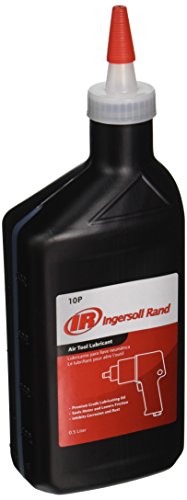
Ingersoll Rand 10P Air Tool Oil, 1 Pint
|
9.2/10 | Buy |
| Best Premium |
 Mag 1 1-Gallon Air Compressor Oil
|
9.2/10 | Buy |
| Best Budget |
 Triax Kompressor ISO 46 SAE 20 Full Synthetic Air
|
9.1/10 | Buy |
 MASITE PCWJ 1/4-Inch NPT In-Line Oiler (2-Pack)
|
8.9/10 | Buy | |
 Milton 1002 SAE 30W Compressor Oil, 1 Gallon
|
8.8/10 | Buy | |
 TRIAX Kompressor ISO 46 SAE 20 Full Synthetic Air
|
8.8/10 | Buy | |
 Campbell Hausfeld ST1253 Compressor Oil (16 oz)
|
8.6/10 | Buy | |
| Best Value |
 TRIAX Kompressor ISO 68 Full Synthetic Air
|
8.6/10 | Buy |
 Ingersoll Rand All Season Select Lubricant, 1L
|
8.6/10 | Buy | |
 Milton 1002-32 ISO-100 Compressor Oil, 32 oz
|
8.4/10 | Buy |
Ingersoll Rand 10P Air Tool Oil, 1 Pint
Formulated for pneumatic equipment upkeep, the Ingersoll Rand 10P delivers premium-grade lubrication in a compact one-pint container. It serves as a dependable fluid for mechanics and workshops focused on extending the service life of air-powered tools.
Pros
- Formulated specifically for pneumatic mechanisms
- Compact and easily portable 1-pint bottle
- Lightweight design under one pound
- Official Ingersoll Rand Edge Series lubricant
Cons
- One-pint volume may run out quickly in high-volume shops
- Single-purpose lubricant restricted to pneumatic tool use
Mag 1 1-Gallon Air Compressor Oil
Formulated for reliable workshop maintenance, Mag 1 Air Compressor Oil uses refined petroleum base stocks paired with anti-foam additives to maintain stable lubrication. The generous one-gallon volume makes it a practical choice for keeping reciprocating or stationary compressors running smoothly over time.
Pros
- Anti-foam additives maintain steady lubrication
- Refined petroleum stocks promote smooth operation
- Formula helps extend compressor service life
- Generous 1-gallon volume handles multiple refills
Cons
- Jug weighs 7.25 pounds and can be heavy to pour
- One-gallon size may exceed small top-off needs
Triax Kompressor ISO 46 SAE 20 Full Synthetic Air
Triax Kompressor ISO 46 SAE 20 is a commercial-grade, full synthetic non-detergent compressor oil engineered for oil-lubricated reciprocating, rotary screw, and vane pumps operating in temperatures from -49°F to over 140°F. It provides exceptional thermal protection and extended component life for garage mechanics and shop owners maintaining heavy-duty pneumatic systems.
Pros
- Extreme all-weather operating range from -49°F to 140°F+ prevents cold-start motor stalling and high-heat viscosity breakdown
- Non-detergent full synthetic formula protects internal bearings and provides up to 20,000 hours of service longevity
- Lowers operating pump temperatures by 30% and actively sheds condensation to prevent internal crankcase rust
- Compatible with oil-lubricated reciprocating, rotary screw, and rotary vane compressor pumps from major manufacturers
Cons
- Not suitable for oil-free or maintenance-free dual-piston compressor designs that do not use crankcase oil
- Explicitly prohibited for use in breathing air systems, oxygen compressors, or liquid natural gas (LNG) units
- Single-quart volume may require purchasing multiple bottles for larger stationary 60-gallon or 80-gallon shop pump crankcases
MASITE PCWJ 1/4-Inch NPT In-Line Oiler (2-Pack)
Pneumatic tools require consistent lubrication to prevent internal wear, and these compact in-line lubricators automate oil delivery directly through standard 1/4-inch NPT connections. The transparent body lets operators quickly verify fluid levels without interrupting workflow.
Pros
- Transparent housing allows clear fluid level monitoring
- Compact 58mm profile fits into restricted spaces
- Universal 1/4-inch NPT threading fits standard air lines
- Solid brass fittings offer durable long-term service
Cons
- Small reservoir capacity requires frequent manual refills
- Direct inline connection adds rigid length to air tools
- Incompatible with larger diameter air lines without adapters
Milton 1002 SAE 30W Compressor Oil, 1 Gallon
Milton 1002 is a non-detergent ISO-100 SAE 30W conventional lubricant engineered specifically for reciprocating air compressors. The one-gallon capacity makes it a sensible option for regular workshop equipment upkeep.
Pros
- Non-detergent formula tailored for reciprocating compressors
- Standard ISO-100 SAE 30W viscosity rating
- Generous one-gallon volume covers multiple refills
Cons
- Conventional mineral formula instead of synthetic blend
- Heavy container can be awkward to pour directly
TRIAX Kompressor ISO 46 SAE 20 Full Synthetic Air
TRIAX Kompressor ISO 46 SAE 20 is a commercial-grade, full-synthetic non-detergent lubricant engineered for oil-lubricated reciprocating, rotary screw, and vane air compressors. It provides reliable extreme-temperature wear protection and multi-viscosity all-season performance, making it an excellent maintenance choice for auto shops, contractors, and home garage workshops.
Pros
- Full synthetic non-detergent formulation extends pump life across severe operating conditions
- True all-season multi-viscosity rating maintains fluid flow from -49 deg F up to 140 deg F+
- Formulated to lower operating temperatures by up to 30% and eliminate oil vapor odor
- Compatible with a wide array of compressor pumps including reciprocating and rotary screw designs
Cons
- Not formulated for oil-free air compressors, breathing air systems, oxygen setups, or LPG gas pipelines
- Users must verify whether their pump manufacturer specifically calls for ISO 46 (SAE 20) rather than heavier ISO 68 or ISO 100 weights
- Requires careful manual crankcase draining and filling without an included pour spout
Campbell Hausfeld ST1253 Compressor Oil (16 oz)
Formulated for workshop and industrial setups, this 30-weight lubricant protects compressor pumps against rust, sludge, and component wear. The compact 16-ounce bottle makes routine top-offs and crankcase servicing straightforward.
Pros
- Formulated specifically for compressor pumps and motors
- 30-weight viscosity helps minimize component wear
- Inhibits rust, sludge, and internal corrosion
- Compact bottle enables controlled, mess-free pouring
Cons
- 16-ounce volume may require multiple bottles for large units
- Single 30-weight viscosity is not suitable for all models
TRIAX Kompressor ISO 68 Full Synthetic Air
TRIAX Kompressor ISO 68 is a commercial-grade, full synthetic compressor lubricant engineered for oil-lubricated reciprocating, rotary screw, and vane pumps operating between -49°F and 140°F+. It is an excellent maintenance solution for auto mechanics, shop owners, and contractors seeking lower pump operating temperatures and up to 20,000 hours of service life.
Pros
- Extended 20,000-hour service life minimizes routine maintenance intervals on high-demand shop compressors
- All-season stability from -49°F to 140°F+ prevents cold-morning motor drag and high-heat viscosity breakdown
- Non-detergent formulation separates condensation cleanly to safeguard internal crankcase bearings
- Broad compatibility across major reciprocating, rotary screw, and rotary vane compressor manufacturers
Cons
- Not suitable for maintenance-free oil-free compressor designs or oxygen and Liquid Natural Gas (LNG) systems
- One-gallon container size exceeds the immediate refill capacity of small single-stage DIY splash-lube pumps
Ingersoll Rand All Season Select Lubricant, 1L
Engineered as an all-weather OEM fluid, this synthetic lubricant protects reciprocating compressors during continuous duty while resisting carbon buildup on critical valves. It is a solid pick for equipment owners who want fewer oil changes and reliable year-round operation.
Pros
- Maintains stable viscosity in hot and cold seasons
- Lasts four times longer than petroleum oil
- Keeps valves and rings free of carbon deposits
- Protects bearings under continuous duty cycles
Cons
- Formulated specifically for reciprocating compressor systems
- One-liter bottle requires buying multiples for large pumps
Milton 1002-32 ISO-100 Compressor Oil, 32 oz
Formulated specifically for oil-lubricated reciprocating compressors, this ISO-100 non-detergent lubricant shields pumps against wear and deposit buildup. It separates easily from moisture and remains fluid down to -15°F for dependable cold-weather starts.
Pros
- Protects internal components against wear and corrosion
- Non-detergent formula resists foaming and separates water
- Inhibits sludge and carbon deposit formation
- Maintains fluidity in temperatures down to -15°F
Cons
- Designed strictly for reciprocating pump mechanisms
- Conventional oil base rather than full synthetic
Complete Air Compressor Lubrication Guide and Selection Principles
Selecting the correct lubricant for an air compressor crankcase directly determines how effectively the pump dissipates heat, minimizes mechanical friction, and resists harmful deposits over thousands of operating hours. When an electric motor drives the pump under continuous load, the compression cylinder generates extreme thermal energy that rapidly breaks down improper fluids. Pouring the wrong liquid into the crankcase can trigger severe carbon fouling on precision reed valves, create heavy sludge, or even lead to catastrophic piston seizure. Taking time to inspect your pump architecture and match fluid specifications protects internal tolerances and keeps your pneumatic system operating smoothly.
Why Reciprocating Compressor Pumps Require Non-Detergent Formulations
The single most common mistake equipment owners make involves pouring standard automotive motor oil directly into a reciprocating compressor crankcase. Passenger car motor oils contain specialized detergent additives specifically engineered to keep soot, combustion blow-by, and particulate matter suspended in fluid so a vehicle oil filter can capture them. Reciprocating air compressor pumps operate without internal combustion and generally lack pressurized filtration systems or automotive spin-on filters. When detergent oils cycle through a splash-lubricated compressor pump, the chemical detergents hold microscopic wear debris and moisture in permanent suspension rather than allowing foreign matter to settle harmlessly on the sump floor.
Suspended particulate matter acts like liquid abrasive paper, continuously scouring crankshaft journals, cylinder walls, and piston rings as the connecting rod dipper splashes through the oil bath. Detergent chemistry also creates excessive foaming when whipped by rapidly spinning internal counterweights, forming air pockets that starve critical friction points of necessary hydrodynamic lubrication. In addition, moisture drawn in from humid ambient air gets emulsified by detergent packages, transforming clean oil into a cloudy, acidic sludge that corrodes internal steel components. Dedicated non-detergent lubricants like Milton 1002 High Performance Conventional Air fluid allow water and abrasive sediment to drop cleanly to the reservoir base, keeping critical bearing surfaces protected.
Navigating Viscosity Grades Across ISO and SAE Weight Ratings
Compressor lubricants use two primary viscosity rating scales that frequently create confusion among workshop owners: the industrial International Organization for Standardization viscosity grade and the Society of Automotive Engineers weight designation. In typical warm-weather or climate-controlled workshop environments, most reciprocating compressor manufacturers specify an ISO 100 lubricant, which equates closely to a conventional SAE 30 non-detergent weight. Formulations such as the Milton 1002-32 High Performance Conventional Air lubricant and Campbell Hausfeld ST1253 Air Compressor Oil utilize this ISO 100 viscosity to establish a durable hydrodynamic film across piston rings and cast-iron cylinder liners. This robust oil film prevents blow-by and sustains peak compression output even when the pump head reaches elevated working temperatures.
For unheated garages or cold-weather outdoor jobsites, a lighter viscosity fluid becomes necessary to avoid motor stalling and tripped electrical breakers. Cold ambient conditions cause thick ISO 100 fluids to become viscous and sluggish, which dramatically spikes initial motor startup inrush amperage and places heavy mechanical drag on aluminum connecting rods. In sub-freezing weather, switching to an ISO 46 or ISO 68 grade, which corresponds roughly to SAE 20 weight, provides the necessary fluidity for instantaneous splash lubrication. Products like TRIAX Kompressor ISO 46 SAE 20, Full Synthetic oil remain fluid at sub-zero temperatures, allowing electric motors to achieve operational speed without triggering thermal overload resets.
Synthetic Lubricants Versus Conventional Mineral Base Stocks
Selecting between conventional mineral oils and high-grade full synthetic lubricants involves balancing operational duty cycles against maintenance frequency and overall equipment longevity. Standard petroleum-based compressor lubricants, such as Mag 1 Air Compressor Oil 1 Gallon (Pack of 1), use highly refined mineral base stocks blended with anti-wear and anti-foam additives to provide solid protection for intermittent residential and light commercial use. These conventional oils deliver dependable lubrication when pump duty cycles remain within standard parameters, usually around fifty percent run time. However, mineral oils naturally oxidize and break down much faster when exposed to the continuous high-temperature discharge cycles typical of demanding workshop air tools.
Full synthetic air compressor lubricants, such as Ingersoll Rand All Season Select Synthetic Air lubricant and TRIAX Kompressor ISO 68, Full Synthetic fluid, utilize engineered synthetic base stocks designed specifically to resist thermal breakdown. Synthetic fluids maintain a remarkably stable viscosity index across broad temperature extremes, preventing the thinning that commonly occurs during sustained compression cycles. Because synthetic oils lack the volatile light hydrocarbons present in standard petroleum, they exhibit significantly lower oil carryover into the compressed air line, keeping downstream air hoses cleaner. This reduced volatility also drastically diminishes carbon deposits on intake and exhaust reed valves, which preserves maximum CFM pump output and extends service intervals.
Distinguishing Compressor Pump Oil From Pneumatic Air Tool Lubricant
A frequent point of confusion among pneumatic equipment operators is the critical difference between compressor pump crankcase lubricant and specialized air tool oil. Compressor crankcase oil is designed exclusively for the mechanical pump that compresses atmospheric air inside the tank, operating within a sealed or vented sump to lubricate crankshaft bearings, wrist pins, and cylinders. Air tool oil, by contrast, is formulated specifically to be introduced downstream directly into the compressed air stream or tool intake port to lubricate high-speed pneumatic vanes, planetary gears, and impact mechanisms. Pouring thick compressor pump oil into an air tool or running thin pneumatic tool oil inside a compressor crankcase can quickly destroy both pieces of equipment.
Pneumatic air tools, including die grinders, impact wrenches, and framing nailers, require lightweight lubricants such as Ingersoll Rand 10P Edge Series Premium Air Tool oil that atomize readily inside fast-moving compressed air streams. These specialized tool oils feature low-viscosity formulations enriched with moisture-scavenging additives, rust inhibitors, and seal conditioners that protect delicate synthetic O-rings from drying out or stiffening. Automated devices like the Mini In-Line Air Compressor Oiler install directly into the pneumatic air line, metering tiny droplets of lubricant into the tool mechanism with every burst of pressurized air. Feeding heavy SAE 30 compressor oil into pneumatic air tools causes internal motor vanes to gum up, severely reducing tool torque and causing sluggish trigger response.
Temperature Extremes and Operating Environment Demands
The ambient environment surrounding an air compressor exerts a tremendous influence on how the lubricant performs, degrades, and protects internal components. Compressors situated in humid, unconditioned garages pull enormous volumes of atmospheric water vapor into the pump with every intake stroke, where condensation mixes directly with crankcase oil. High-humidity conditions demand non-detergent oils with superior demulsibility, meaning the fluid actively forces suspended water to separate out rather than emulsifying into a destructive paste. Regular inspection of the oil sight glass helps operators detect moisture contamination early, which appears as a milky or frothy discoloration indicating the need for an immediate fluid change.
Extreme temperature fluctuations between summer and winter seasons create distinct challenges for standard conventional lubricants. During hot summer months, ambient temperatures exceeding ninety degrees Fahrenheit combined with continuous pump compression heat can push crankcase temperatures beyond two hundred degrees. Under these extreme conditions, ISO 100 conventional oil or high-temperature ISO 68 synthetic oil provides the robust film thickness necessary to protect bearings from direct metal contact. In contrast, operating the same unit in an unheated winter garage requires a multi-viscosity or synthetic ISO 46 fluid to prevent excessive viscous drag that trips 15-amp branch circuit breakers upon motor startup.
Step-by-Step Oil Changing and Level Verification Procedure
Performing routine oil changes on an air compressor pump requires strict adherence to safety protocols to prevent injury from stored pneumatic pressure or hot mechanical surfaces. Before touching any tools, disconnect the compressor from its electrical power source or remove the spark plug wire on gas-powered models to prevent accidental motor cycling. Open the bottom tank drain valve completely to vent all pressurized air from the storage reservoir, ensuring that both line and tank pressure gauges read exactly zero PSI. Never attempt to service the crankcase or loosen oil plugs while the pump is pressurized, as trapped head pressure or unloader line pressure can create significant safety hazards.
Once the compressor has cooled slightly, place a suitable drain pan beneath the pump crankcase drain plug and unscrew the plug to let the old fluid drain thoroughly. After reinstalling and securely tightening the drain plug, pour your chosen non-detergent or synthetic compressor oil slowly into the fill port using a clean, narrow-spout funnel. Monitor the oil level carefully using either the built-in sight glass or the crankcase dipstick, stopping when the fluid reaches precisely the center red dot of the glass. Overfilling the crankcase is just as damaging as running it low, because excess oil gets whipped violently by the crankshaft, resulting in heavy oil mist blowing past piston rings into your downstream air lines.
Matching Lubricant Selection to Single-Stage and Two-Stage Duty Cycles
Single-stage and two-stage reciprocating compressors subject their pump lubricants to substantially different mechanical loads, operating pressures, and thermal stress profiles. In a single-stage compressor, atmospheric air is drawn into one or more cylinders and compressed directly to final line pressure, usually between 125 and 150 PSI, in a single piston stroke. Exploring our single-stage and two-stage air compressor guide clarifies why single-stage units running intermittent duty cycles perform reliably with standard ISO 100 non-detergent petroleum oils. These pumps generate moderate cylinder temperatures that standard mineral lubricants can handle effectively without premature thermal breakdown.
Two-stage industrial compressors function by compressing intake air to an intermediate pressure in a large low-pressure cylinder before passing it through an intercooler into a smaller high-pressure cylinder that achieves 175 PSI. For two-stage pumps supporting heavy continuous air tools, high-performance full synthetic fluids like TRIAX Kompressor ISO 46 SAE 20, Full Synthetic oil or synthetic ISO 68 formulations are strongly recommended by equipment manufacturers. Furthermore, when sizing an air compressor for pneumatic tools that run continuously, such as dual-action sanders or paint spray guns, the pump operates near its maximum duty cycle for extended durations. Upgrading to a premium full synthetic non-detergent compressor oil ensures that bearing surfaces remain fully separated by a durable hydrodynamic fluid film, protecting your workshop equipment during the most demanding continuous pneumatic tasks.
Understanding precisely what oil to put in an air compressor pump protects the internal mechanical assembly from the severe thermal and frictional stresses generated during air compression. By consistently selecting non-detergent mineral oils or high-performance synthetic fluids that match your ambient climate and pump duty cycle, you prevent carbon sludge, minimize ring wear, and avoid expensive downtime. Checking the oil sight glass before every major work session and executing regular fluid changes according to manufacturer guidelines guarantees that your reciprocating pump delivers dependable pneumatic power for every project in your garage or workshop.
About the author
Bob Beacham is an experienced tools and workshop writer with deep knowledge of power equipment, mechanical systems, and practical DIY applications. His coverage of air compressors, welding equipment, saws, and workshop tools helps translate technical specifications into useful guidance for homeowners and serious DIYers.