
Is It Ok to Leave Air in an Air Compressor: Practical Workshop Guide for 2026
Understanding whether is it ok to leave air in an air compressor protects your tools and tank from rust in October 2026.
 By Kenny Koehler
Updated October 7, 2026
By Kenny Koehler
Updated October 7, 2026

Finishing a long woodworking session or automotive repair job often leaves you standing in front of a pressurized tank with tired hands. Switching off the power switch is quick, but releasing dozens of gallons of compressed air seems wasteful when you plan to resume work the following morning. Many DIYers and workshop mechanics wonder if is it ok to leave air in an air compressor between weekend tasks. While keeping pressure stored in the tank for a brief lunch break causes no immediate mechanical damage, allowing air to remain trapped for days or weeks introduces severe long-term maintenance hazards. The real danger does not stem from pressurized air alone, but from the liquid water that condenses inside the vessel during every compression cycle.
Ambient air contains invisible water vapor that rapidly drops out of suspension when squeezed by reciprocating pistons, pooling directly at the bottom of the steel receiver tank. When pressurized air remains trapped inside an unvented tank, this moisture stays pinned against the bare metal walls under sustained pressure, accelerating internal tank corrosion and pitting. Over time, neglected moisture degrades pneumatic line regulators, ruins internal check valve seals, and can eventually compromise structural vessel integrity. Understanding the difference between short-term storage and harmful long-term neglect will keep your equipment operating safely and maximize the lifespan of your pump.
| Award | Product | ACR Score About ACR ScoreThe ACR Score is our own rating from 0 to 10, based on performance, design and build, ease of use, and value. It reflects independent research and is never influenced by manufacturers, retailers, or affiliate commissions. Learn more › | |
|---|---|---|---|
| Best Overall |
California Air Tools 2010A 2-Gallon Compressor
|
9.1/10 | Buy |
| Best Premium |
 California Air Tools CAT-4610S Ultra-Quiet 1.0 HP
|
9.1/10 | Buy |
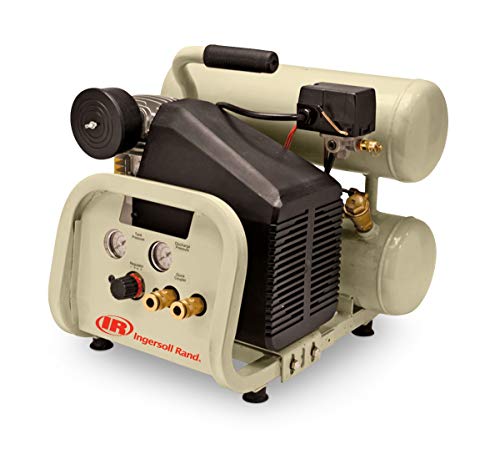 Ingersoll Rand 42672949 Twin-Stack Compressor
|
9.1/10 | Buy | |
| Best Budget |
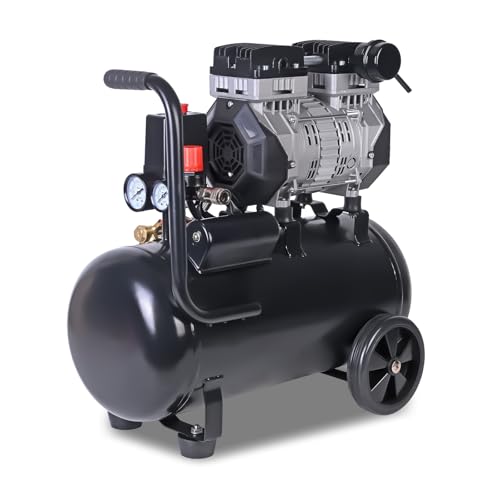 AAIN 6.3-Gallon 1.5HP Air Compressor
|
8.8/10 | Buy |
| Best Value |
 MZB MZB-1100H-50 13.2-Gallon Air Compressor
|
8.8/10 | Buy |
 CRAFTSMAN 1.5 HP Wall Mount Air Compressor
|
8.3/10 | Buy | |
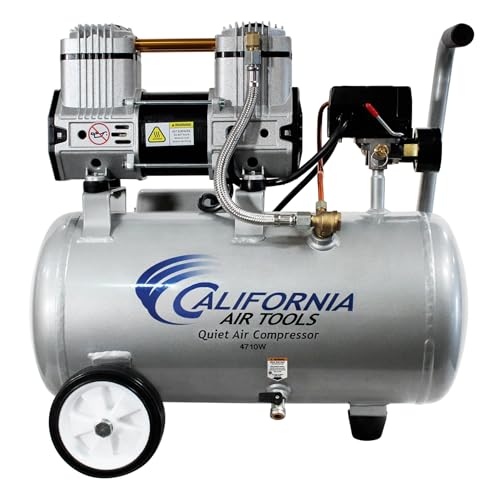 California Air Tools CAT-4710W 4.7-Gal Compressor
|
8.3/10 | Buy | |
 Ingersoll Rand 2475N7.5 7.5 HP 80-Gallon Two-Stage
|
8.1/10 | Buy |
California Air Tools 2010A 2-Gallon Compressor
Operating at just 60 decibels, this compact unit delivers reliable airflow with minimal noise disruption. Its rust-free aluminum tank and oil-free dual-piston pump make it well suited for indoor trim work and noise-sensitive spaces.
Pros
- Exceptionally quiet operation at only 60 decibels
- Lightweight rust-free aluminum tank design
- Low-maintenance oil-free dual-piston system
- Quick 14-second recovery time between cycles
Cons
- Modest 2-gallon tank limits continuous heavy tool use
- 120 PSI maximum pressure is below heavy-duty standards
- Air output is insufficient for sustained high-demand air tools
California Air Tools CAT-4610S Ultra-Quiet 1.0 HP
The California Air Tools CAT-4610S delivers a remarkably quiet 60 dB sound profile with 2.20 CFM at 90 PSI from an oil-free dual-piston pump and a 4.6-gallon steel twin tank. Drawing only 8.5 amps, it is an excellent pneumatic choice for trim carpenters, woodworkers, and garage hobbyists working in noise-sensitive spaces.
Pros
- Ultra-quiet 60 dB sound level allows normal conversation while the pump runs
- Low 8.5-amp electrical draw prevents nuisance circuit breaker trips on 110V household lines
- Oil-free dual-piston pump requires no crankcase oil changes and boasts a 3000-plus hour life cycle
- Durable 4.6-gallon steel twin-tank configuration delivers steady air storage for sequential fastening
Cons
- Rated 2.20 CFM @ 90 PSI is insufficient for continuous-demand pneumatic tools like sanders or paint sprayers
- Weighs 56.2 pounds without transport wheels, requiring a solid two-handed carry between work areas
Ingersoll Rand 42672949 Twin-Stack Compressor
Built for job sites and workshops needing reliable air delivery, this unit provides 3.2 CFM at 90 PSI with a 100 percent continuous duty rating. Dual quick disconnect couplers allow two operators to run tools simultaneously, though its 77 pound frame requires deliberate effort to transport.
Pros
- 100 percent continuous duty rating prevents downtime
- Dual couplers enable simultaneous two tool operation
- Long 2,000 hour oil change intervals
- User friendly front control panel design
Cons
- Heavy 77 pound weight limits easy mobility
- 79 dBA noise level remains loud indoors
- Extended warranty requires proprietary synthetic lubricant
AAIN 6.3-Gallon 1.5HP Air Compressor
Delivering up to 6 CFM at 116 PSI, this unit fills its 6.3-gallon tank in under three minutes while running at an unobtrusive 70 dB. Its oil-free motor makes it a low-maintenance setup for garage tire inflation and light pneumatic chores.
Pros
- Quiet operation rated at only 70 dB
- Fast tank fill time under three minutes
- Oil-free pump eliminates messy maintenance
- Solid airflow delivery up to 6 CFM
Cons
- Maximum working pressure capped at 116 PSI
- Heavy to move around at 46.3 pounds
- Limited to short-duty runs with air tools
MZB MZB-1100H-50 13.2-Gallon Air Compressor
Designed for indoor workshops and residential garages, this compressor keeps operating noise down to a manageable 70 decibels. Its 13.2-gallon steel tank and wheeled frame suit DIY woodworkers, painters, and mechanics needing reliable airflow without regular pump maintenance.
Pros
- Quiet 70dB sound level ideal for indoor spaces
- Maintenance-free oil-free pump design
- Large 13.2-gallon durable steel tank
- Wheels and handle make transport manageable
Cons
- Hefty 72-pound weight makes vehicle loading difficult
- 115 PSI maximum pressure is modest for heavy-duty pneumatic tools
CRAFTSMAN 1.5 HP Wall Mount Air Compressor
Designed for home garages and workshops, this 1.5 HP unit mounts to the wall to free up floor space while delivering up to 125 PSI for inflation and light pneumatic tasks. The built-in 30-foot retractable hose and oil-free motor offer low-maintenance convenience for daily utility jobs.
Pros
- Space-saving wall-mount setup with retractable hose
- Low-maintenance oil-free motor starts easily in cold weather
- Relatively quiet 73 dB operating sound level
- Fast 20-second tank recovery time
Cons
- Small 0.5-gallon tank limits sustained high-demand air tools
- Does not include inflation nozzles or accessory attachments
- Relatively heavy for frequent portable use at 21 pounds
California Air Tools CAT-4710W 4.7-Gal Compressor
Built for garage workshops and DIY tasks, this mobile unit features an oil-free dual-piston pump that fills its 4.7-gallon steel tank in 78 seconds. Its low 7.5-amp motor draw ensures smooth startups on standard household circuits without tripping breakers.
Pros
- Fast 78-second tank fill time from empty
- Low 7.5-amp draw prevents tripped breakers
- Low-maintenance oil-free pump operation
- Wheels and pull handle ease transport at 35 pounds
Cons
- Delivers only 2.2 CFM at 90 PSI for demanding tools
- Steel tank construction is heavier than aluminum alternatives
Ingersoll Rand 2475N7.5 7.5 HP 80-Gallon Two-Stage
The Ingersoll Rand 2475N7.5 is an industrial-grade 7.5 HP two-stage stationary air compressor pairing an 80-gallon ASME receiver tank with a rugged cast-iron pump rated for 100% continuous duty at up to 175 psig. It provides dependable, high-capacity air storage for professional auto mechanics, commercial garages, and demanding fabrication shops.
Pros
- Durable solid cast-iron two-stage pump engineered for over 15,000 hours of heavy-duty shop service
- True 100% continuous duty rating supports non-stop production in multi-bay automotive and fabrication environments
- Spacious 80-gallon ASME-certified vertical receiver tank stores ample air volume at up to 175 psig
- Extended 2,000-hour oil service intervals when utilizing All Season Select synthetic lubricant
- Individual cylinder casting and one-piece connecting rod simplify preventative maintenance and component access
Cons
- Substantial 611-pound dry weight requires dedicated floor anchoring, mechanical lifting gear for positioning, and a permanent shop footprint
- Demands high-power dedicated electrical service and professional stationary hardwiring rather than standard outlet convenience
- Extended two-year pump warranty coverage requires the separate purchase of the official lubricant start-up kit
The Mechanics, Risks, and Best Practices of Storing Air in a Compressor
Every pneumatic compression cycle fundamentally alters the thermodynamic state of the atmospheric air entering the machine. Squeezing ambient air into a rigid pressure vessel generates significant heat while concentrating ambient humidity, turning clean intake air into a hot, moisture-saturated mixture. Deciding whether to leave that pressure locked inside your receiver tank depends on how long the system sits idle, the metal composition of the tank, and your operating environment. Examining the physical forces and mechanical components at work reveals why regular depressurization remains the cornerstone of proper pneumatic maintenance.
Short-Term Pauses Versus Extended Receiver Storage
Leaving pressurized air in your compressor during an active workday is standard practice across home garages and jobsites. If you step away for lunch, pause to cut framing lumber, or take a short phone call, there is no need to vent the system. Modern pressure switches, tank fittings, and relief valves easily withstand static pressures between 100 PSI and 175 PSI. Venting the tank to zero during short breaks causes unnecessary pump runtime and wastes electrical power when refilling.
Problems begin when a short pause stretches into overnight storage, several days of inactivity, or months of seasonal neglect. Ambient temperature drops at night, causing the warm compressed air inside the vessel to cool rapidly. This cooling lowers the moisture capacity of the air, forcing condensation to pool at the bottom of the tank floor. Leaving pressure stored over days keeps that pooled water pinned under pressure against bare internal metal surfaces.
Unattended pressurized compressors also introduce safety risks if the master power switch remains in the auto-on position. Minor leaks around quick-connect couplers, regulator threads, or hose fittings can slowly bleed tank pressure over several hours. Once pressure drops below the cut-in threshold, the motor can suddenly start up without warning in an empty garage. Switching off the power and relieving stored pressure prevents unexpected motor cycling and stops continuous strain on seals.
The Physics of Moisture Condensation Under Pressure
Air compressors do not generate water out of nothing, but they concentrate moisture naturally present in the atmosphere. When a pump draws in atmospheric air through intake filters, it also pulls in whatever relative humidity exists in the room. As pistons compress that air into a fraction of its original volume, the dew point rises above ambient temperature. Because tank walls remain cooler than hot discharge air leaving the pump, water vapor condenses rapidly against the internal shell.
The total volume of water accumulated inside a compressor depends directly on humidity and tank size. Compact units with fast recovery cycles, such as the AAIN Ultra Quiet 6.3-gallon model or the MZB 13.2-gallon unit, draw in large volumes of fresh air during extended painting or sanding projects. A significant fraction of that humidity falls out as liquid water before the air reaches your pneumatic tools. In humid environments, an active compressor can generate several ounces of liquid water after a few hours of use.
When you leave air in the compressor, that pooled moisture cannot evaporate or escape into the atmosphere. Sustained internal pressure keeps the liquid trapped against the welded bottom seams and lower inspection areas of the vessel. This combination of standing water, atmospheric oxygen, and elevated pressure creates ideal conditions for aggressive oxidation. Venting the receiver tank allows this moisture to escape before it has time to attack the metal substrate.
Mechanical Strain on Gaskets, Check Valves, and Regulators
Storing air in the tank keeps multiple mechanical components under constant stress long after work stops. The internal brass check valve mounted on the tank inlet bung relies on a spring-loaded disc or flexible rubber flapper to prevent stored air from leaking back into the pump head. When the tank sits fully pressurized for weeks, that sealing disc remains under continuous compression. Over time, heat and pressure can deform the seal, causing high-pressure air to back-leak through the unloader valve.
Pressure switches and distribution manifolds also experience unnecessary wear when subjected to constant static pressure. The pressure switch uses an internal elastomeric diaphragm to sense tank pressure and trigger electrical contacts at cut-in and cut-out thresholds. Leaving the tank permanently energized keeps that diaphragm stretched taut, which can lead to material fatigue and inaccurate switching thresholds over time. Similarly, manifold pressure regulators contain fine adjustment springs and rubber O-rings that degrade faster when left under full line pressure.
Auxiliary pneumatic accessories connected to the manifold also suffer from continuous pressure exposure. Rubber air hoses, quick-disconnect couplers, and inline moisture traps are subjected to continuous tension when left pressurized overnight. Hose casings can develop blisters, and rubber coupler gaskets dry out prematurely when held under constant mechanical load. Depressurizing the entire manifold protects these delicate seals and ensures consistent regulated pressure during your next work session.
Tank Corrosion Risks and Structural Safety Hazards
Internal tank rust is particularly insidious because it develops completely out of sight. A compressor may look pristine on the outside, with glossy powder-coated paint and zero visible scratches, while rust quietly eats away at the bottom metal from the inside. When moisture sits trapped under pressure, iron oxide scales flake off the interior walls, thinning the steel receiver shell. This corrosion typically concentrates along the lowest longitudinal weld seam where gravity forces water to settle.
Compressed air acts like a giant mechanical spring, storing immense potential kinetic energy inside the tank. Unlike hydraulic pressure vessels that simply leak water when a wall fails, a pressurized pneumatic vessel can rupture violently if the metal thins past its critical limit. Catastrophic tank rupture can spray metal shrapnel across a workshop, posing severe safety hazards to anyone nearby. Regular draining prevents the localized pitting and scale buildup that lead to structural failure.
Every commercial and consumer air compressor includes an ASME-certified safety relief valve designed to pop open if internal pressure exceeds safe design limits. However, safety relief valves only guard against operational over-pressurization caused by a stuck pressure switch. A relief valve cannot prevent a tank failure if internal corrosion has thinned the steel shell until it cannot hold normal working pressure. Emptying the air and purging standing water after every work session remains the only way to safeguard structural integrity.
Aluminum Versus Steel Tank Material Vulnerabilities
The severity of leaving air inside your compressor depends heavily on the specific metallurgical construction of your air tank. Traditional portable compressors, such as the California Air Tools CAT-4610S with its 4.6-gallon twin tanks or the CRAFTSMAN wall-mount unit, utilize durable Q235B carbon steel for structural rigidity. Steel tanks are economical and withstand high cyclic fatigue, but bare carbon steel reacts aggressively with condensed water and dissolved atmospheric oxygen. Without frequent draining, steel tanks inevitably develop rust flakes that clog valves and erode wall thickness.
Compressors engineered with aluminum tanks provide superior resistance to moisture-induced degradation. The California Air Tools 2010A features a 2.0-gallon rust-free aluminum tank that generates an insoluble aluminum oxide passivation layer when exposed to moisture. This chemical barrier prevents progressive flaking and protects the structural core of the vessel from common rust. For users working in coastal areas or unheated damp basements, an aluminum receiver tank offers substantial protection against accidental moisture exposure.
Even though aluminum will not rust like carbon steel, leaving compressed air and pooled water inside an aluminum vessel is still poor practice. Stagnant water creates galvanic corrosion where brass drain valves and steel pipe fittings thread into the aluminum bungs. Furthermore, water trapped inside the tank inevitably gets swept into your downstream air lines when you start using tools. Moisture blowing through hoses ruins automotive paint jobs, washes away factory grease inside pneumatic nailers, and causes abrasive tool wear.
The Role of Drain Valves in Preventing Moisture Trapping
The physical design of your tank drain valve plays a major role in whether you drain your compressor regularly or leave air trapped inside. Many economy compressors feature a recessed, threaded needle petcock valve that requires finger strength to turn. These tiny brass petcocks often seize up from mineral deposits and rust sediment, turning a simple maintenance task into a frustrating chore. When a drain valve is painful to operate, users are far more likely to leave the tank pressurized between jobs.
Modern prosumer compressors frequently incorporate accessible quarter-turn brass ball valves on the bottom of the receiver. A quarter-turn lever valve provides immediate mechanical feedback and offers a wider orifice that easily flushes out accumulated sludge. Models like the California Air Tools CAT-4710W allow operators to reach the underside valve quickly, making daily draining a natural end to every project. If your unit has a stiff needle petcock, replacing it with an aftermarket brass ball valve can dramatically improve your maintenance routine.
Purging your tank should be done with care to avoid personal injury and valve damage. Opening a drain valve while the tank sits at full 120 PSI or 175 PSI creates a deafening noise blast and can erode the valve seat with high-velocity debris. The ideal method involves reducing tank pressure down to approximately 10 to 20 PSI before cracking the drain valve. This low residual pressure provides plenty of force to blow out condensed water without damaging the valve mechanism or launching dangerous debris.
Differences Between Oil-Free and Oil-Lubricated Compressor Systems
The type of pump mechanism operating on your compressor also affects what happens when moisture collects inside the tank. Oil-free compressors, including the AAIN Ultra Quiet and the California Air Tools lineup, utilize Teflon or PTFE piston rings that require zero crankcase oil. Because the pump produces completely oil-free air, the condensation that collects inside the receiver tank consists of pure, uninhibited water. Pure water has high surface tension and reacts rapidly with exposed carbon steel, accelerating rust formation if left undisturbed.
Oil-lubricated compressors, such as the Ingersoll Rand 42672949 twin-stack and the heavy-duty Ingersoll Rand 2475N7.5 stationary unit, operate with an oil-filled crankcase and splash lubrication. Even with efficient oil control rings, microscopic amounts of synthetic compressor oil pass by the piston rings and travel into the receiver tank. This oil mist mixes with condensed moisture to create an oily emulsion at the bottom of the tank. While a light oily film might slightly delay initial rust formation, water remains heavier than oil and settles directly against the bottom welds.
Leaving air and condensation trapped inside an oil-lubricated compressor creates unique contamination problems. Over time, standing moisture and oil vapor break down into an acidic sludge that coats internal check valves and clogs fine drain ports. In commercial applications where compressors run under continuous duty, failing to purge this sludge forces oily, water-laden air into spray guns and pneumatic sanders. Draining both oil-free and lubricated compressors daily ensures that your air supply remains clean and your tank remains free of corrosive residue.
Safe Depressurization and Long-Term Storage Routines
Developing a consistent end-of-day shutdown routine protects your pneumatic investment and guarantees reliable performance for years to come. When you finish using your compressor for the day, start by switching the power toggle to the off position. Unplug the unit from the wall outlet or disconnect the battery to eliminate any risk of accidental motor engagement. Disconnect all air hoses and pneumatic tools from the quick-connect couplers to relieve tension on external lines and fittings.
Next, bleed the bulk of the air pressure through a clean blowgun or by pulling the manual ring on the ASME safety relief valve until tank pressure drops to around 15 PSI. Place a small catch tray or shop rag underneath the tank drain valve to capture liquid discharge. Slowly open the bottom drain valve and allow the remaining low-pressure air to expel all pooled water and sediment until the discharge hisses completely dry. Once the tank is entirely depressurized, close the valve snugly to keep dust and shop debris from entering the orifice.
If you plan to store your compressor away for several weeks or over an entire winter season, consider leaving the drain valve cracked open slightly. Storing an empty tank with an open drain valve allows air to circulate, preventing condensation buildup caused by seasonal temperature swings in an unheated garage. Store the machine in a dry, covered indoor space away from caustic chemicals or fertilizer dust. Following this simple shutdown routine ensures that your compressor starts smoothly, builds pressure efficiently, and delivers clean air whenever you need it.
About the author
Kenny Koehler is a power-tool specialist with more than a decade of hands-on evaluation experience and a science-based approach to product testing. His expertise in repeatable testing, tool performance, impact wrenches, and professional equipment brings a practical, data-focused perspective to compressor and pneumatic-tool comparisons.