
Is Compressor Oil the Same as Air Tool Oil? Practical Guide and Differences for 2026
Is Compressor Oil The Same As Air Tool Oil? Review viscosity and additive differences in October 2026 to protect pneumatic pumps and air tools from costly damage.
 By Kenny Koehler
Updated October 8, 2026
By Kenny Koehler
Updated October 8, 2026
Pneumatic machinery relies on specialized lubrication to manage severe friction, prevent internal corrosion, and dissipate thermal energy under pressure. Many garage mechanics and workshop operators often wonder is compressor oil the same as air tool oil when reaching for a bottle on the maintenance shelf. While both fluids share petroleum or synthetic origins, they are engineered for entirely distinct mechanical operating conditions. Putting the wrong lubricant into a reciprocating pump crankcase or a high-speed pneumatic motor can lead to sluggish motor operation, carbon buildup on valve plates, or sudden mechanical failure.
Air compressor pumps generate significant operational heat while compressing ambient air, requiring non-detergent oils with specific thermal stability and anti-foaming properties. In contrast, pneumatic air tools require light, low-viscosity formulas that atomize easily in the airflow to coat rotary vanes without gumming delicate trigger valves. Calculating total air demand with an air compressor CFM sizing guide ensures sufficient airflow, but using the correct oil keeps that equipment operating at factory tolerances. Understanding the fundamental chemistry, viscosity ratings, and mechanical functions of each lubricant prevents costly workshop downtime.
| Award | Product | ACR Score About ACR ScoreThe ACR Score is our own rating from 0 to 10, based on performance, design and build, ease of use, and value. It reflects independent research and is never influenced by manufacturers, retailers, or affiliate commissions. Learn more › | |
|---|---|---|---|
| Best Overall |
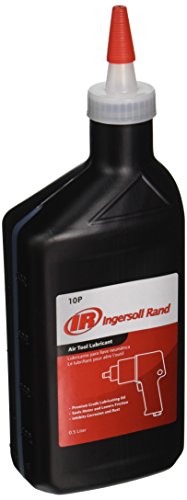
Ingersoll Rand 10P Air Tool Oil, 1 Pint
|
9.2/10 | Buy |
| Best Premium |
 Mag 1 1-Gallon Air Compressor Oil
|
9.2/10 | Buy |
| Best Value |
 Triax Kompressor ISO 46 SAE 20 Full Synthetic Air
|
9.1/10 | Buy |
 Milton 1001 High Performance Air Tool Oil
|
9.1/10 | Buy | |
| Best Budget |
 MASITE PCWJ 1/4-Inch NPT In-Line Oiler (2-Pack)
|
8.9/10 | Buy |
 Marvel Air Tool Oil 4 oz 2-Pack Pneumatic Tool
|
8.9/10 | Buy | |
 Lucas Oil 10216 Air Tool Lubricant & Tool Box
|
8.8/10 | Buy | |
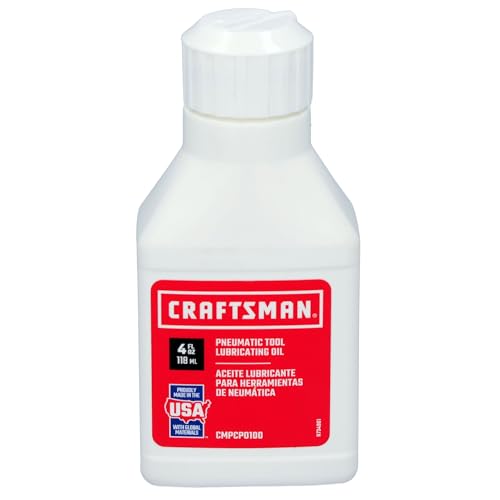 CRAFTSMAN CMPCPO100 Air Tool Oil, 4 oz
|
8.6/10 | Buy | |
 Ingersoll Rand All Season Select Lubricant, 1L
|
8.6/10 | Buy | |
 Milton 1001-4 High Performance Air Tool Oil
|
8.4/10 | Buy |
Ingersoll Rand 10P Air Tool Oil, 1 Pint
Formulated for pneumatic equipment upkeep, the Ingersoll Rand 10P delivers premium-grade lubrication in a compact one-pint container. It serves as a dependable fluid for mechanics and workshops focused on extending the service life of air-powered tools.
Pros
- Formulated specifically for pneumatic mechanisms
- Compact and easily portable 1-pint bottle
- Lightweight design under one pound
- Official Ingersoll Rand Edge Series lubricant
Cons
- One-pint volume may run out quickly in high-volume shops
- Single-purpose lubricant restricted to pneumatic tool use
Mag 1 1-Gallon Air Compressor Oil
Formulated for reliable workshop maintenance, Mag 1 Air Compressor Oil uses refined petroleum base stocks paired with anti-foam additives to maintain stable lubrication. The generous one-gallon volume makes it a practical choice for keeping reciprocating or stationary compressors running smoothly over time.
Pros
- Anti-foam additives maintain steady lubrication
- Refined petroleum stocks promote smooth operation
- Formula helps extend compressor service life
- Generous 1-gallon volume handles multiple refills
Cons
- Jug weighs 7.25 pounds and can be heavy to pour
- One-gallon size may exceed small top-off needs
Triax Kompressor ISO 46 SAE 20 Full Synthetic Air
Triax Kompressor ISO 46 SAE 20 is a commercial-grade, full synthetic non-detergent compressor oil engineered for oil-lubricated reciprocating, rotary screw, and vane pumps operating in temperatures from -49°F to over 140°F. It provides exceptional thermal protection and extended component life for garage mechanics and shop owners maintaining heavy-duty pneumatic systems.
Pros
- Extreme all-weather operating range from -49°F to 140°F+ prevents cold-start motor stalling and high-heat viscosity breakdown
- Non-detergent full synthetic formula protects internal bearings and provides up to 20,000 hours of service longevity
- Lowers operating pump temperatures by 30% and actively sheds condensation to prevent internal crankcase rust
- Compatible with oil-lubricated reciprocating, rotary screw, and rotary vane compressor pumps from major manufacturers
Cons
- Not suitable for oil-free or maintenance-free dual-piston compressor designs that do not use crankcase oil
- Explicitly prohibited for use in breathing air systems, oxygen compressors, or liquid natural gas (LNG) units
- Single-quart volume may require purchasing multiple bottles for larger stationary 60-gallon or 80-gallon shop pump crankcases
Milton 1001 High Performance Air Tool Oil
Milton 1001 is a conventional SAE 10W ISO-32 pneumatic tool lubricant in an economical 1-gallon jug designed for high-volume workshops and automated lubricators. It helps protect internal air tool vanes, seals, and cylinders from friction and moisture, making it a smart maintenance supply for mechanics, woodworkers, and contractors.
Pros
- Economical 1-gallon bulk size lowers maintenance costs for busy commercial garages and woodshops
- SAE 10W ISO-32 viscosity rating ensures smooth flow through automated inline lubricators and tool ports
- Specially formulated to lubricate internal air motor components without deteriorating sensitive rubber seals
- Manufactured in the United States with dependable consistency and quality control
Cons
- Large 1-gallon jug requires decanting into a smaller precision dropper bottle for daily bench use
- Formulated specifically for pneumatic air tools and lubricators, not for air compressor pump crankcases
- Does not include an integrated pour spout or dispensing pump on the bottle
MASITE PCWJ 1/4-Inch NPT In-Line Oiler (2-Pack)
Pneumatic tools require consistent lubrication to prevent internal wear, and these compact in-line lubricators automate oil delivery directly through standard 1/4-inch NPT connections. The transparent body lets operators quickly verify fluid levels without interrupting workflow.
Pros
- Transparent housing allows clear fluid level monitoring
- Compact 58mm profile fits into restricted spaces
- Universal 1/4-inch NPT threading fits standard air lines
- Solid brass fittings offer durable long-term service
Cons
- Small reservoir capacity requires frequent manual refills
- Direct inline connection adds rigid length to air tools
- Incompatible with larger diameter air lines without adapters
Marvel Air Tool Oil 4 oz 2-Pack Pneumatic Tool
The Marvel Air Tool Oil 2-Pack delivers specialized pneumatic lubrication formulated to dissolve gum, prevent sludge, and maintain smooth tool startup. It is an essential, budget-friendly maintenance accessory for garage mechanics, finish carpenters, and woodworkers using air compressors.
Pros
- Formulated to dissolve sticky gum and sludgy buildup inside pneumatic tool motors
- Convenient two-pack keeps one bottle in the shop and one in the travel toolbox
- Broad compatibility across nailers, impact wrenches, ratchets, and air grinders
- Compact bottle size provides easy, mess-free dispensing into tool air inlets
Cons
- Small four-ounce volume requires periodic replenishment in high-demand commercial shops
- Formulated strictly for pneumatic air tools and cannot be used as compressor pump crankcase oil
- Requires manual routine application before use unless an inline automatic lubricator is installed
Lucas Oil 10216 Air Tool Lubricant & Tool Box
Lucas Oil 10216 Air Tool Lubricant is a 16-ounce pneumatic maintenance fluid formulated to protect internal tool mechanisms, displace moisture, and condition O-rings. It provides dependable, cost-effective care for DIYers, carpenters, and mechanics running air nailers, impact wrenches, and ratchets.
Pros
- Generous 16-ounce pint container offers a long-lasting supply for daily pneumatic tool maintenance
- Helps protect internal pneumatic tool vanes, bearings, and O-rings against line moisture and friction
- Versatile formula doubles as an effective general utility lubricant for shop hardware and sticky mechanisms
- Formulated by a reputable lubrication brand known for dependable automotive and workshop fluid products
Cons
- Requires manual application into air tool inlets before work sessions unless an inline lubricator is installed
- Not intended for use as an air compressor pump crankcase oil; formulated strictly for air tools and utility lubrication
- Standard pint bottle may require a separate needle-nose dropper for mess-free oiling of compact finish nailer inlets
CRAFTSMAN CMPCPO100 Air Tool Oil, 4 oz
Routine lubrication keeps pneumatic equipment running smoothly, and this CRAFTSMAN formula protects internal components while guarding against rust. The compact four-ounce bottle suits home mechanics and workshop hobbyists seeking hassle-free tool maintenance.
Pros
- Prevents rust formation inside pneumatic mechanisms
- Protects moving parts to prolong tool life
- Universal compatibility across all air tools
- Compact bottle size fits easily in toolboxes
Cons
- Small 4-ounce volume depletes quickly with frequent use
- Bottle capacity is undersized for high-volume commercial workshops
Ingersoll Rand All Season Select Lubricant, 1L
Engineered as an all-weather OEM fluid, this synthetic lubricant protects reciprocating compressors during continuous duty while resisting carbon buildup on critical valves. It is a solid pick for equipment owners who want fewer oil changes and reliable year-round operation.
Pros
- Maintains stable viscosity in hot and cold seasons
- Lasts four times longer than petroleum oil
- Keeps valves and rings free of carbon deposits
- Protects bearings under continuous duty cycles
Cons
- Formulated specifically for reciprocating compressor systems
- One-liter bottle requires buying multiples for large pumps
Milton 1001-4 High Performance Air Tool Oil
Milton 1001-4 High Performance Air Tool Oil is a dedicated SAE 10W, ISO 32 pneumatic lubricant engineered to reduce corrosion, prevent sludge deposits, and extend internal motor life. It is an affordable maintenance essential for DIYers, trim carpenters, and mechanics running air nailers, ratchets, and impact tools.
Pros
- Formulated specifically for pneumatic tools with SAE 10W and ISO 32 viscosity for proper atomization and valve clearance
- Helps protect against moisture-induced corrosion caused by compressed air lines
- Inhibits gummy sludge and varnish deposits that degrade air tool performance
- Convenient 4-ounce size is easy to store in portable nailer cases or mobile toolboxes
- Manufactured in the United States by an established pneumatic equipment brand
Cons
- Compact 4-ounce volume may deplete quickly in busy multi-bay automotive shops or high-production framing crews
- Standard bottle spout may require careful pouring or a needle applicator for deeply recessed pneumatic air inlets
- Formulated strictly for pneumatic air tool lubrication and cannot be used as compressor pump crankcase oil
The Mechanical and Chemical Differences Between Compressor and Air Tool Oil
Compressor oil is not the same as air tool oil, and treating them as interchangeable can cause immediate performance issues and long-term mechanical breakdown. While both products are lubricants designed for pneumatic equipment, they perform entirely different tasks inside a workshop air system. Air compressor pump oil lubricates high-friction pistons, crankshafts, and cylinders operating under intense heat in an enclosed crankcase. Air tool oil travels through high-velocity compressed air streams to protect precision rotary vanes, internal triggers, and rubber seals. Using the correct fluid in each application ensures your pneumatic equipment runs smoothly and lasts for years.
Many operators assume that any generic lubricant labeled for air equipment will suffice across both machines. However, the physical and chemical requirements of an air compressor pump differ drastically from the requirements of a handheld pneumatic tool. A compressor pump functions much like an internal combustion engine without combustion, generating substantial internal heat and mechanical friction during air compression. A handheld air tool relies on dynamic air expansion, which creates a rapid cooling effect while driving small internal components at thousands of revolutions per minute. Failing to recognize these opposing environments often results in damaged pumps or seized pneumatic tools.
Viscosity Differences and Fluid Flow Dynamics
Fluid thickness represents one of the most critical distinctions between compressor pump oil and air tool oil. Viscosity measures a fluid resistance to flow, and air tools require a much lighter oil than reciprocating compressor pumps. Most air tools require a low-viscosity oil rated at ISO 22 or ISO 32, which roughly corresponds to an SAE 5W or SAE 10W weight. Products such as Milton® 1001 High Performance Air Tool Oil and Milton Industries High Performance Air Tool Oil are formulated at SAE 10W and ISO 32 specifically to ensure rapid fluid dispersion. This low viscosity allows the oil to atomize instantly in the high-speed air stream and coat internal surfaces without creating mechanical drag.
In contrast, oil-lubricated compressor pumps demand heavier fluid to maintain a durable hydrodynamic wedge between moving metal surfaces. Compressor crankcase oils typically carry viscosity ratings of ISO 68 or ISO 100, which align with standard SAE 20 or SAE 30 non-detergent weights. Multi-viscosity synthetic formulas such as TRIAX Kompressor ISO 46 SAE 20, Full Synthetic provide a balance of cold-weather flow and thermal stability under heavy load. If a fluid is too thin, it cannot support the physical loads placed on compressor crankshaft journals and cylinder walls. Conversely, if a fluid is too thick, it will choke the rapid movement of pneumatic tool vanes.
Dynamic air expansion also impacts how viscosity behaves in pneumatic tools compared to compressor pumps. When compressed air discharges through an air motor, the sudden drop in pressure causes the air temperature to drop substantially due to thermodynamic expansion. A heavy oil would congeal or thicken under these chilly conditions, creating severe drag and preventing the tool from reaching its rated operating speed. Dedicated air tool lubricants are engineered to remain fluid and sprayable even when subjected to chilled exhaust air. Compressor pump oils are engineered for the opposite condition, maintaining sufficient film strength when pump cylinder heads reach elevated operating temperatures.
Additive Chemistries: Demulsifiers Versus Emulsifiers
The chemical additive packages blended into compressor oils and air tool oils serve completely opposite moisture-handling objectives. When an air compressor draws in ambient air, it naturally compresses atmospheric moisture alongside oxygen and nitrogen. Inside the hot pump crankcase, this moisture condenses against metal walls and mixes with the oil reserve. Compressor crankcase oils are formulated with demulsifying agents that force water droplets to separate from the oil rather than mixing into a milky emulsion. This separation allows clean oil to lubricate the bearings while moisture settles harmlessly at the bottom of the oil sump until drained.
Crankcase lubricants also incorporate anti-foaming agents to maintain continuous lubrication under violent mechanical agitation. Blends such as Mag 1 Air Compressor Oil 1 Gallon (Pack of 1) feature petroleum base stocks enriched with anti-foam additives to prevent air bubbles from displacing the protective oil film. If an oil foams in a compressor pump, the oil pump or splash dippers circulate air pockets instead of liquid lubricant, causing metal-to-metal contact. Handheld air tools operate under entirely different moisture conditions because downstream compressed air carries trace humidity directly into the tool casing.
Air tool lubricants contain emulsifying additives and rust inhibitors designed to bond with tiny water droplets and carry them out through the exhaust port. Without these specialized additives, water passing through an air hose would strip away bare oil films and cause rapid oxidation on precision steel rotors and bearings. Furthermore, specialized formulations like Marvel Air Tool Oil 4 oz Bottles contain gentle solvents that dissolve gummy varnish and sludge buildup left behind by atmospheric debris. These solvent properties help restore tool speed and free sticky throttle valves, whereas putting solvent-rich oil into a compressor pump crankcase could ruin bearing surfaces.
Thermal Demands and Carbon Buildup in Compressor Pumps
Reciprocating compressor pumps subject lubricating oil to extreme thermal cycles that handheld tools never encounter. As pistons compress air inside cast-iron or aluminum cylinders, the mechanical work converts directly into intense friction and heat. Cylinder temperatures frequently climb past two hundred degrees Fahrenheit, placing significant stress on the chemical bonds of the lubricant. If an unstable oil is used in this environment, the fluid oxidizes rapidly and forms sticky carbon deposits on the discharge valve plates. Over time, carbon buildup prevents the reed valves from sealing properly, resulting in lost compression and excessive pump cycling.
High-quality compressor oils utilize non-detergent base stocks to prevent suspended particles from circulating through unfiltered crankcases. Automotive engine oils contain heavy detergents meant to suspend soot and debris until captured by an oil filter. Because most small and mid-sized compressor pumps lack active oil filters, detergent oils would keep metal wear particles suspended in circulation, scouring the cylinder walls and wrist pins. Non-detergent compressor lubricants allow solid contaminants to settle harmlessly to the bottom of the crankcase pan, keeping the circulating oil clean. Premium full synthetics such as Ingersoll Rand All Season Select Synthetic Air are specifically engineered to resist carbonization across thousands of operational hours.
The thermal breakdown of oil in a compressor pump also creates dangerous vapor hazards that do not exist inside pneumatic tools. When an inadequate lubricant burns on hot valve plates, it creates volatile oil vapors that enter the compressed air storage tank. These vapors degrade downstream air hoses, contaminate pneumatic paint sprayers, and can even ignite under high compression pressures. Using a dedicated compressor oil with a high flash point ensures that the lubricant remains stable under continuous compression cycles. This thermal stability protects internal components while preserving clean, oil-mist-free air delivery downstream.
Operational Consequences of Putting Compressor Oil in Air Tools
Introducing thick compressor pump oil into a handheld air tool creates immediate mechanical resistance inside the pneumatic motor. Most pneumatic tools, including impact wrenches, die grinders, and orbital sanders, rely on thin composite or phenolic vanes that slide freely in rotor slots. When heavy SAE 30 or ISO 100 compressor oil enters these tight clearances, the viscous fluid prevents the vanes from extending outward under centrifugal force. The air motor struggles to spin, resulting in a dramatic loss of rotational speed, sluggish acceleration, and significantly reduced torque output.
Beyond reducing motor performance, heavy compressor oils accumulate inside tiny internal air passages and trigger mechanisms. The thick fluid traps ambient dust and particulate matter, forming a gummy residue that prevents spring-loaded throttle valves from seating properly. Operators often notice that air tools fail to shut off completely or experience sticky triggers after receiving heavy pump oil. Cleaning this gummy buildup requires disassembling the tool casing and flushing the internal chamber with specialized solvent flushes. Sticking with lightweight options such as Ingersoll Rand 10P Edge Series Premium Air Tool avoids these frustrating downtime issues entirely.
Heavy crankcase oil also degrades internal rubber components and creates messy exhaust conditions during workshop use. Pneumatic tools contain delicate O-rings and dynamic lip seals made from synthetic elastomers designed specifically for low-viscosity tool oils. The heavy additive package in certain compressor lubricants can cause these rubber seals to swell, harden, or leak prematurely. Additionally, because compressor oil does not atomize cleanly, unburned oil spits heavily from the tool exhaust port onto workpieces, clothing, and shop floors. This oil mist is particularly destructive if you work near woodworking finishes or automotive paint prep areas.
Catastrophic Hazards of Putting Air Tool Oil in a Compressor Pump
Pouring lightweight air tool oil into an air compressor pump crankcase is one of the fastest ways to cause catastrophic pump failure. Because air tool oil is engineered at a thin ISO 32 or SAE 10W viscosity, it lacks the hydrodynamic film strength needed to support reciprocating pump loads. Under standard operating temperatures, the heat generated by the pump thins the oil even further, causing the protective fluid film to collapse completely. Metal surfaces grind directly against each other, leading to severe scuffing on cylinder walls, scored connecting rod bearings, and ruined wrist pins.
The low flash point of air tool oil presents an even more severe danger inside high-pressure compressor cylinders. Compressor pumps operate at temperatures that can cause lightweight, solvent-infused tool lubricants to vaporize or smoke inside the crankcase. As oil vapors bypass the piston rings into the compression chamber, the intense heat of compression can cause the atomized oil to ignite in a phenomenon known as dieseling. Dieseling creates sudden pressure spikes that can shatter valve plates, warp cylinder heads, and blow out head gaskets. Even if the oil does not ignite, rapid vaporization causes the pump to run dry and seize up in a matter of hours.
In addition to thermal breakdown, air tool oil emulsifies moisture inside the pump crankcase rather than separating it. Instead of water settling to the bottom where it can be drained, the emulsified fluid turns into a frothy, acidic sludge that circulates through all pump bearings. This circulating moisture accelerates internal corrosion on steel crankshaft journals and cast-iron cylinder liners. Once internal rust begins pitting these polished surfaces, the compressor loses mechanical efficiency and requires an expensive pump rebuild or complete replacement. Dedicated compressor lubricants prevent this destruction by separating water and maintaining film integrity.
Proper Application Methods for Air Tool Lubrication
Maintaining pneumatic hand tools requires regular, controlled application of dedicated air tool lubricant rather than random soaking. For intermittent tools like brad nailers, impact wrenches, and ratchet drivers, adding two to five drops of oil directly into the male air inlet before daily use provides ideal protection. Products like CRAFTSMAN Air Tool Oil, Pneumatic Tool Oil and Lucas Oil 10216 Air Tool Lubricant & Tool Box come in convenient dispensing bottles designed for precise application. After placing the drops in the inlet, connecting the air line and cycling the tool for a few seconds distributes the oil across all internal vanes and seals.
High-demand tools that run continuously, such as pneumatic die grinders, cutoff wheels, and dual-action sanders, benefit greatly from automated lubrication systems. Installing a Mini In-Line Air Compressor Oiler near the tool inlet delivers a consistent microscopic mist of oil into the air stream during operation. These compact brass lubricators eliminate the guesswork of manual oiling and prevent tools from running dry during extended work sessions. However, in-line lubricators should always be installed on dedicated whip hoses rather than your main distribution lines. If an air hose becomes coated with interior oil mist, that hose can never be used for applications requiring uncontaminated air.
Air tool lubrication must never be introduced into pneumatic lines used for paint spraying, automotive refinishing, sandblasting, or tire inflation. Spray guns require completely dry, oil-free compressed air because even a single microscopic droplet of oil will cause fisheyes, blistering, and adhesion failure in paint finishes. To prevent cross-contamination, many professional workshops maintain separate color-coded air lines for oiled air tools and clean breathing or painting lines. Using high-efficiency coalescing filters and dedicated regulators ensures that oil mist remains strictly confined to the pneumatic tools that need it.
Compressor Pump Oil Selection and Maintenance Protocols
Maintaining an oil-lubricated compressor pump starts with verifying the oil level before every major work session. Most reciprocating compressors feature an acrylic sight glass on the lower crankcase or a threaded dipstick with clear fill indicators. The oil level should sit squarely in the center of the sight glass red dot when the compressor is resting on a level floor. Allowing the oil level to drop below the sight glass exposes the splash dippers to air, preventing lubrication from reaching the upper cylinder walls. Conversely, overfilling the crankcase causes the crankshaft to whip the oil into a froth, triggering excessive oil blow-by past the piston rings.
Compressor pump oil change intervals depend on whether you use conventional petroleum base stocks or modern full-synthetic formulas. Standard mineral-based compressor oils generally require replacement every two hundred to three hundred operating hours, or at least twice per year in typical workshop environments. Advanced full-synthetic lubricants like Ingersoll Rand All Season Select Synthetic Air can extend service intervals significantly while providing dependable cold-weather starting protection. Regardless of the oil formulation you select, performing an initial oil change after the first twenty to fifty break-in hours flushes away manufacturing debris and seating wear metals, ensuring long pump longevity.
Managing moisture accumulation is just as critical as checking oil levels in maintaining overall compressor health. Every time an air compressor runs, water condenses inside the steel receiver tank and must be purged through the bottom drain valve daily. When deciding between different workshop configurations, comparing portable compressor tank sizes can help clarify how reserve capacity influences condensation buildup and duty cycles. Water left inside the tank corrodes steel walls and sends moisture down the line, diluting pneumatic tool oils and washing away vital protective coatings.
Workshop Air Delivery and System Sizing Considerations
Lubrication issues often highlight deeper problems with workshop air system setup, pneumatic air delivery, and duty cycle balance. When an undersized air compressor runs continuously to keep up with high-CFM pneumatic tools, the pump runs significantly hotter than intended. Excessive heat breaks down crankcase oil rapidly, degrades anti-foam additives, and accelerates mechanical wear on valve plates. Consulting a comprehensive workshop air compressor selection guide helps ensure your compressor pump delivers sufficient airflow without exceeding its rated fifty or seventy percent duty cycle limits.
Air piping layout also affects how lubricants interact with tools and downstream equipment across a shop. Metal piping that slopes gently backward toward moisture drop legs prevents condensed water and stray oil droplets from traveling into your flexible whip hoses. Installing filter-regulator-lubricator units at specific tool stations ensures that regulated pressure and metered lubrication arrive together at the tool inlet. When air pressure drops due to undersized piping or clogged filters, operators often increase regulator pressure, which only forces tools to work harder and consume more lubricant. Properly sized supply lines maintain stable pressure while minimizing fluid waste.
Choosing between oil-free and oil-lubricated compressor models also influences your long-term maintenance requirements and workshop noise levels. Oil-free pancake and quiet twin-stack compressors utilize Teflon-coated piston sleeves that eliminate crankcase oil maintenance entirely, making them ideal for mobile contractors and finish carpenters. However, for stationary automotive shops running continuous die grinders, sanders, and impact wrenches, cast-iron oil-lubricated pumps offer superior thermal dissipation and rebuildable longevity. Knowing whether your compressor requires crankcase oil changes prevents costly mistakes when replenishing shop consumables.
Key Lubrication Best Practices for Pneumatic Systems
Keeping dedicated bottles of compressor pump oil and pneumatic tool lubricant clearly labeled and separated on your workshop shelves is the best defense against accidental cross-contamination. Never substitute motor oil, hydraulic fluid, transmission fluid, or vegetable-based oils for dedicated pneumatic lubricants, as these fluids contain incompatible detergent packages and chemical additives. Always inspect your compressor pump oil sight glass regularly, purge receiver tank condensation after every work session, and add a few drops of air tool lubricant to pneumatic motors before each use. Following these simple maintenance routines protects your pneumatic power investment and ensures peak tool performance on every project.
Taking a moment to verify fluid viscosity and additive specifications before filling any reservoir saves hundreds of dollars in repair costs and equipment downtime. Whether you operate a compact portable compressor on a jobsite or maintain a two-stage cast-iron pump in a dedicated auto shop, using the correct lubricant engineered for the specific task keeps internal parts protected against friction, heat, and moisture. Respecting the distinct roles of compressor pump oil and air tool oil guarantees smooth operation and dependable air power whenever you pull the trigger.
About the author
Kenny Koehler is a power-tool specialist with more than a decade of hands-on evaluation experience and a science-based approach to product testing. His expertise in repeatable testing, tool performance, impact wrenches, and professional equipment brings a practical, data-focused perspective to compressor and pneumatic-tool comparisons.