
How to Oil an Air Compressor: Practical Workshop Guide for 2026
Learn how to oil an air compressor properly for October 2026 to prevent pump wear, protect valves, and keep pneumatic shop tools running reliably.
 By Tony Carrick
Updated October 8, 2026
By Tony Carrick
Updated October 8, 2026
Reciprocating cast-iron pump cylinders generate intense thermal friction during heavy pneumatic cycles, making proper fluid maintenance essential for workshop reliability. Without adequate lubrication, piston rings score cylinder walls, valve plates build heavy carbon deposits, and electric drive motors risk thermal shutdown under trapped mechanical drag. Understanding how to oil an air compressor ensures that your pump crankcase maintains stable hydrodynamic film strength across demanding duty cycles. Regular inspection of your pump oil sight glass or dipstick prevents catastrophic pump seizure before high-demand pneumatic tools stall your project.
Many garage owners and field contractors also confuse pump crankcase lubrication with the separate task of oiling downstream pneumatic tools. While reciprocating compressor pumps require specialized non-detergent or synthetic machine oils, pneumatic impact wrenches and framing nailers demand light mineral-based tool oils applied through inlets or in-line lubricators. Consulting our guide on choosing the correct compressor lubricant helps clarify viscosity grades like ISO 46, ISO 68, and ISO 100. Establishing a disciplined lubrication schedule keeps your compressed air system operating cleanly while extending the service life of critical internal pump components.
| Award | Product | ACR Score About ACR ScoreThe ACR Score is our own rating from 0 to 10, based on performance, design and build, ease of use, and value. It reflects independent research and is never influenced by manufacturers, retailers, or affiliate commissions. Learn more › | |
|---|---|---|---|
| Best Overall |
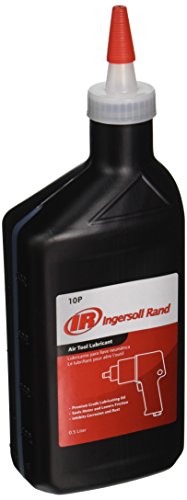
Ingersoll Rand 10P Edge Series Premium Air Tool
|
9.2/10 | Buy |
| Best Budget |
 TRIAX Kompressor ISO 46 SAE 20, Full Synthetic
|
9.1/10 | Buy |
 Mini In-Line Air Compressor Oiler
|
8.9/10 | Buy | |
| Best Premium |
 Milton 1002 High Performance Conventional Air
|
8.8/10 | Buy |
 OZXNO 2 Pcs Automatic Mini
|
8.6/10 | Buy | |
 TRIAX Kompressor ISO 68, Full Synthetic
|
8.6/10 | Buy | |
 Ingersoll Rand All Season Select Synthetic Air
|
8.6/10 | Buy | |
| Best Value |
 Milton 1002-32 High Performance Conventional Air
|
8.4/10 | Buy |
 Freeman PTTO Air Tool Oil, 8 oz.
|
8.3/10 | Buy | |
 Mobil - 100870 Rarus 427, Compressor, 1 qt, ISO100
|
8.3/10 | Buy |
Complete Workshop Guide on How to Oil an Air Compressor and Pneumatic Tools
Maintaining proper lubrication throughout a pneumatic air setup requires understanding the distinct mechanical demands of both the air pump and downstream tools. A reciprocating compressor pump operates under high compression pressures and elevated temperatures that degrade fluid over time. Following a disciplined procedure for inspecting fluid levels, flushing contaminants, and replenishing with the correct non-detergent lubricant protects your workshop machinery.
Distinguishing Between Compressor Pump Crankcases and Pneumatic Air Tools
Workshop operators frequently confuse servicing an air compressor pump with the daily routine of oiling pneumatic hand tools. An air compressor crankcase houses the crankshaft, connecting rods, and cylinder splash pins that lubricate the reciprocating piston assembly. Downstream air tools rely instead on lightweight pneumatic oil introduced directly into the airflow to protect internal spinning motor vanes and impact mechanisms.
Pouring pneumatic air tool oil into a compressor pump crankcase causes rapid fluid breakdown, cylinder wear, and potential pump seizure under load. Similarly, injecting thick ISO 100 compressor oil directly into an impact wrench or finish nailer gums up sensitive directional valves. Dedicated products like Freeman PTTO Air Tool Oil or Ingersoll Rand 10P Edge Series Premium Air Tool are formulated specifically for tool misting rather than crankcase splash baths.
Recognizing the physical separation between pump mechanisms and air delivery lines is essential for reliable workshop maintenance. The pump crankcase maintains an isolated oil bath that should never migrate past piston rings into compressed air lines. Understanding this mechanical division ensures that both your stationary compressor pump and high-torque shop tools receive appropriate lubrication without risking contaminated air lines.
Identifying Whether Your Air Compressor Requires Oil
Before attempting any fluid servicing, verify whether your specific air compressor pump is an oil-lubricated or an oil-free design. Many lightweight portable units, including modern consumer pancake and hot dog compressors, feature permanently sealed Teflon piston sleeves that require zero crankcase oil. Evaluating our detailed guide on oil-free versus oil-lubricated pump designs helps determine which pump architecture suits your working requirements.
Oil-lubricated compressors typically feature a cast-iron or aluminum crankcase equipped with a clear acrylic sight glass, a threaded dipstick, and a breather cap. These pumps rely on traditional splash lubrication to coat bearing surfaces, connecting rod journals, and cylinder walls during rotation. Checking the manufacturer equipment plate or instruction manual confirms exact pump specifications before you open drain plugs or fill ports.
Step-by-Step Process for Changing and Adding Oil to a Compressor Pump
Beginning an oil change requires thorough safety preparation to eliminate electrical and pneumatic hazards around the machine. Disconnect the compressor from electrical power by unplugging the cord or switching off the branch circuit breaker. Pull the ring on the ASME safety relief valve and open the bottom tank drain valve to vent all stored pressure down to zero PSI. Allow the pump to cool until the crankcase is warm to the touch, which helps suspended contaminants drain freely.
Position an oil drain pan beneath the crankcase drain plug at the base of the pump casting. Loosen and remove the threaded drain plug with a box wrench, taking care not to damage soft brass threads. Remove the crankcase breather cap from the top of the pump to permit atmospheric venting and prevent vacuum lock while draining. Once old fluid drains completely, wipe the drain port clean, apply fresh PTFE thread tape if necessary, and tighten the plug securely.
Insert a clean funnel into the crankcase fill port to prevent oil spills across the motor housing and drive belt shroud. Slowly pour fresh, non-detergent compressor oil into the port, pausing periodically to allow the fluid to settle into the lower sump. Monitor the external acrylic sight glass to track the rising fluid level accurately. The ideal oil level rests precisely at the center red dot of the sight glass on level ground.
Inspect the crankcase breather cap to ensure its internal venting passages remain clear of dust and dried sludge. Thread the breather cap back into the fill port by hand, tightening it snugly without over-torquing the threads. Wipe away stray oil droplets from the pump exterior with clean shop rags to prevent dirt accumulation. Reconnect electrical power and close the tank drain valve once all fittings are securely in place.
Understanding Compressor Oil Grades: ISO 46, ISO 68, and ISO 100
Selecting the correct viscosity grade directly influences how effectively your compressor starts in cold ambient temperatures and protects bearings under continuous duty. Compressor lubricants are classified by ISO viscosity grades, which reflect kinematic viscosity measured at standard operating temperatures. Lighter grades like TRIAX Kompressor ISO 46 SAE 20, Full Synthetic offer balanced fluidity across broad temperature ranges while maintaining durable boundary film protection under load.
Larger single-stage and two-stage reciprocating cast-iron pumps typically specify heavier lubricants like ISO 68 or ISO 100, which correspond roughly to SAE 30 weight oils. Heavy-duty options such as Milton 1002 High Performance Conventional Air or Milton 1002-32 High Performance Conventional Air provide the robust film strength needed for high-pressure cycles. Synthetic options like TRIAX Kompressor ISO 68, Full Synthetic and Mobil – 100870 Rarus 427, Compressor, 1 qt, ISO100 offer high thermal stability that resists oil oxidation and deposit formation under continuous workloads.
Synthetic compressor lubricants offer notable performance advantages for workshops subjected to wide seasonal temperature swings. Formulas such as Ingersoll Rand All Season Select Synthetic Air maintain stable viscosity through freezing winter morning starts and hot summer afternoons. Synthetic base stocks resist thermal breakdown, prevent carbon varnish on discharge reed valves, and separate condensed atmospheric water rapidly. Consulting our workshop air compressor selection guide helps match proper maintenance practices to specific compressor configurations.
Why Automotive Engine Oil Must Never Be Used in an Air Compressor
Pouring standard automotive engine oil into an air compressor crankcase is a widespread mistake that causes premature pump failure. Motor oils contain detergent additives engineered to hold combustion soot, carbon particles, and moisture in suspension. In an air compressor without an oil filter, these detergents circulate abrasive particulates continuously across precision bearing journals. Suspended moisture also fails to separate into the bottom sump, resulting in milky, emulsified oil that provides poor lubrication.
Automotive motor oils also contain additives that promote foaming when subjected to the rapid splash pins of a compressor crankshaft. Aerated oil foam cannot support hydrodynamic bearing loads, leading to localized metal scuffing, elevated cylinder head temperatures, and accelerated ring wear. Under high discharge temperatures, motor oil detergents vaporize and form hard carbon crusts on delicate reed valves, causing pressure drops and extended motor runtimes.
How to Lubricate Downstream Pneumatic Air Tools Correctly
Proper pneumatic equipment maintenance requires lubricating individual air tools at regular working intervals alongside pump crankcase care. Tools like impact wrenches, die grinders, and pneumatic nailers experience rapid internal friction inside their spinning air motors and reciprocating pistons. Applying three to five drops of lightweight air tool oil directly into the male quick-connect inlet before each work session provides essential boundary lubrication. Connecting the air hose and cycling the tool briefly distributes lubricant across internal cylinder vanes.
Pneumatic tool oils like Freeman PTTO Air Tool Oil are formulated with low kinematic viscosity and specialized anti-gumming agents to ensure smooth internal movement. These lightweight fluids contain rust inhibitors and demulsifiers that break down sticky deposits without degrading internal nitrile O-rings or seals. Using penetrating oils or automotive fluids in tool inlets softens rubber seals, attracts airborne dust, and eventually causes internal vanes to stick.
Implementing In-Line Automatic Lubricators for Continuous Air Tool Operation
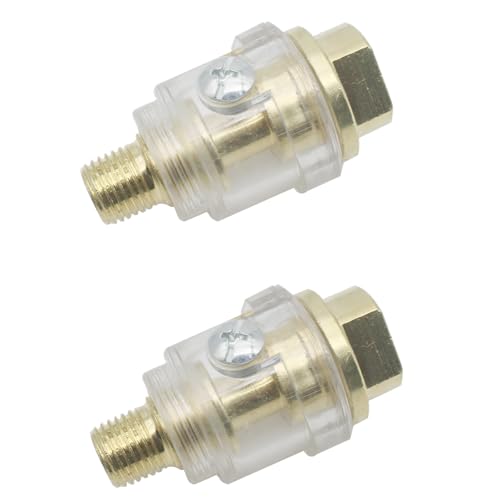
For tradespeople and mechanics operating continuous pneumatic equipment like die grinders, sanders, or production nailers, manual drop application can prove inconvenient during long workdays. Installing compact accessories like the Mini In-Line Air Compressor Oiler or the OZXNO 2 Pcs Automatic Mini directly between the air hose and the tool provides automated lubrication. These brass fittings feature a transparent reservoir that allows operators to monitor fluid levels visually while working. As compressed air flows through the unit, an internal pressure differential meters a fine oil mist into incoming air to lubricate moving parts continuously.
While in-line automatic lubricators provide convenience for high-wear pneumatic tools, they must never be connected to air lines used for paint spraying or tire inflation. Once an air hose carries atomized oil from an in-line lubricator, internal rubber walls retain oily residue that will ruin automotive paint finishes. Professional shops maintain separate, clearly labeled air hoses dedicated solely to oiled pneumatic tools and dry air applications. Placing the mini lubricator directly at the tool whip hose ensures that main workshop distribution lines remain entirely oil-free.
Routine Inspection Schedules, Oil Sight Glass Reading, and Condensation Control
Establishing a consistent visual inspection schedule prevents catastrophic pump failures resulting from low fluid levels or undetected crankcase leaks. Check your compressor oil sight glass before every major work session, ensuring the fluid rests centered in the viewing window on level ground. Clean compressor oil appears amber and transparent; if the oil looks dark brown or black, oxidized contaminants warrant an immediate fluid change. If the sight glass displays a milky white emulsion, ambient moisture has condensed inside the crankcase, requiring a full fluid flush.
Most manufacturers recommend performing a complete compressor pump oil change every 100 to 300 operating hours, or at least once per year for occasional users. Newly installed pumps require an initial break-in fluid change after approximately 20 to 50 hours of operation to purge microscopic metal casting debris. Alongside crankcase monitoring, always purge atmospheric condensation from your air storage tank daily by opening the underside tank drain valve after every project. Releasing liquid water prevents rust scale from accumulating inside the tank and protects downstream pneumatic lines.
Key Verification Steps After Completing an Oil Change
After completing an oil change, executing a brief verification procedure confirms that your pump operates smoothly without leaks or abnormal mechanical friction. Reconnect the power supply, close the tank drain petcock, and allow the compressor to run through a full pressurization cycle until it reaches automatic cut-out pressure. Listen carefully to the pump sound under compression load, checking for knocking sounds, abnormal vibration, or erratic motor hum that could indicate dry bearing contact. Once the compressor cycles off, inspect the crankcase drain plug, fill port, and sight glass gasket for any signs of fluid seepage.
Confirm that the pressure switch properly actuates the unloader valve with a crisp hiss of vented head pressure upon motor shutdown, verifying that internal backpressure is relieved. Re-check the fluid level on the sight glass after the pump rests for ten minutes, topping off slightly if internal cavities absorbed fluid during circulation. Recording the service date, operating hours, and oil viscosity grade on a maintenance tag affixed to the tank establishes a dependable service record for future workshop maintenance. Keeping your reciprocating pump clean, properly oiled, and free of moisture guarantees consistent air delivery whenever your pneumatic tools demand power.
About the author
Tony Carrick is an experienced product researcher and writer specializing in tools, home improvement, automotive maintenance, and consumer equipment. With extensive experience reviewing tools and tackling hands-on renovation projects, he brings a buyer-focused perspective to compressor performance, usability, and overall value.