
How Many Watts Does a 2 Hp Air Compressor Use: Practical Electrical Guide for 2026
Learn how many watts does a 2 hp air compressor use, including running draw, startup surge watts, and circuit breaker needs for October 2026.
 By Bob Beacham
Updated October 8, 2026
By Bob Beacham
Updated October 8, 2026

Tripping a standard 15-amp garage circuit breaker right as an electric motor spools up remains one of the most frustrating hurdles when operating pneumatic power equipment. Calculating how many watts does a 2 hp air compressor use requires looking far beyond a simple horsepower conversion equation. While pure mechanical physics defines two horsepower as approximately 1,492 electrical watts, real-world induction motors demand substantial efficiency overhead and massive startup inrush current. If you plan to power tools off the grid, reviewing our guide on generator sizing for portable air compressors highlights how surge loads drastically alter power requirements.
Running a heavy-duty single-stage pump means accounting for continuous running wattage between 1,800 and 2,200 watts on standard alternating current circuits. Startup surge draw can easily spike to three times that continuous figure during initial tank pressurization. Pairing motor horsepower with proper tank capacity also prevents excessive cycling, which our air compressor tank sizing guide explores in practical workshop detail. Understanding these distinct power draws protects residential branch circuits, prevents nuisance breaker trips, and preserves motor windings during demanding shop tasks.
| Award | Product | ACR Score About ACR ScoreThe ACR Score is our own rating from 0 to 10, based on performance, design and build, ease of use, and value. It reflects independent research and is never influenced by manufacturers, retailers, or affiliate commissions. Learn more › | |
|---|---|---|---|
| Best Overall |
10Gallon Ultra Quiet Air Compressor with Two Quick
|
9.2/10 | Buy |
| Best Value |
 Stealth Air Compressor 2 Gallon
|
9.2/10 | Buy |
| Best Budget |
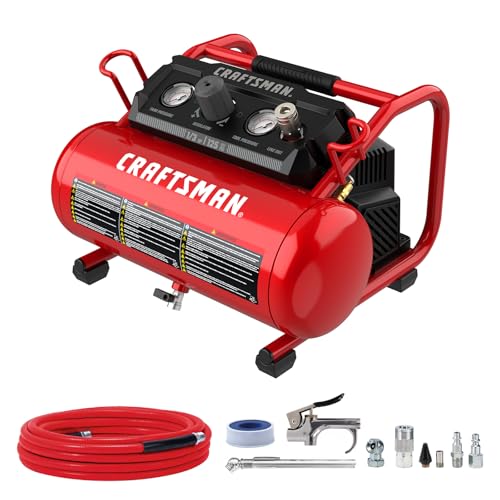 CRAFTSMAN Air Compressor
|
9.1/10 | Buy |
 California Air Tools 2010A 1.0 HP Ultra Quiet
|
9.1/10 | Buy | |
| Best Premium |
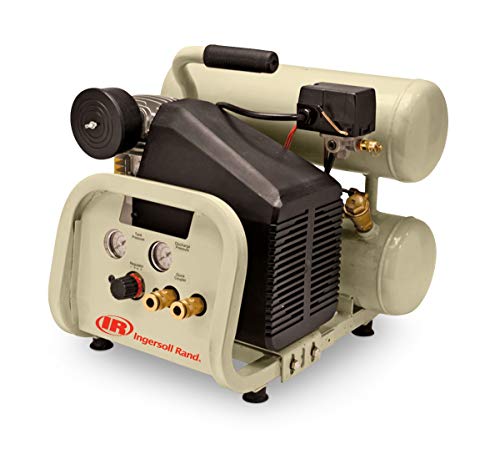 Ingersoll Rand 42672949 2 HP Portable Twin-Stack
|
9.1/10 | Buy |
 VEVOR 6.3 Gallon 2 HP Air Compressor, Max 116PSI
|
8.8/10 | Buy | |
 Metabo HPT Pancake Air Compressor
|
8.6/10 | Buy | |
 Craftsman 2 Gallon Portable Air Compressor
|
8.4/10 | Buy | |
 Klutch 20-Gallon Air Compressor, 2 HP, 120V
|
8.4/10 | Buy | |
 14Gallon Ultra Quiet Air Compressor with Two Quick
|
8.1/10 | Buy |
Electrical Power Dynamics of 2 HP Air Compressors
Understanding the exact electrical footprint of an air compressor prevents costly breaker trips, protects workshop wiring, and ensures reliable pneumatic performance. A standard 2 horsepower compressor represents a significant electrical consumer in any home garage or commercial facility. While theoretical physics provides a baseline formula, real mechanical inefficiencies and heavy startup demands dramatically shape actual utility usage.
Theoretical Horsepower versus Real-World Electrical Watts
Pure electrical conversion establishes that one mechanical horsepower equals exactly 746 watts. Following this baseline mathematical formula, a two-horsepower motor should theoretically consume roughly 1,492 watts of electrical energy. However, electric induction motors never operate at perfect theoretical efficiency in mechanical workshop environments. Mechanical friction, magnetic resistance inside the stator, and heat generation during compression consume additional electrical energy before pressurized air ever reaches the receiver tank.
Most consumer and prosumer compressor motors achieve an operating efficiency rating between 70 and 85 percent under full load. Because the motor must pull extra energy from the supply line to overcome these internal losses, real running wattage typically lands between 1,800 and 2,200 watts. For example, specific units like the VEVOR 6.3 Gallon 2 HP Air Compressor explicitly designate a 1,450-watt oil-free electric motor configuration. In contrast, heavier continuous-duty cast-iron options like the Ingersoll Rand 2 HP portable twin-stack compressor feature robust industrial motors that regularly draw closer to 1,900 or 2,000 running watts under heavy load.
Running Watts versus Starting Inrush Current
The most critical distinction when evaluating compressor power consumption lies between continuous running wattage and initial startup surge. An electric motor at rest acts as a dead electrical short circuit for a fraction of a second until rotation begins. This initial spike, commonly known as locked rotor amperage or inrush current, demands massive energy to overcome rotational inertia and mechanical pump resistance. A typical 2 HP air compressor can easily demand between 4,500 and 6,000 surge watts for several seconds during startup.
This brief power surge explains why compressors frequently cause workshop lights to dim or standard circuit breakers to trip instantaneously. Once the crankshaft achieves operating speed, internal centrifugal switches disengage the startup capacitor and transfer operation to the continuous run circuit. Running wattage then stabilizes back down to standard operating levels until the pressure switch terminates the compression cycle. If your power supply cannot satisfy this intense momentary inrush demand, the electric motor will hum, overheat, and stall.
The 120-Volt versus 240-Volt Circuit Dilemma
Electrical wattage represents the direct mathematical product of circuit voltage multiplied by operating amperage. When operating a 2 HP compressor on a standard 120-volt alternating current line, pulling 1,800 to 2,200 running watts requires 15 to 18.3 continuous amps. Standard residential branch circuits are typically protected by 15-amp circuit breakers wired with 14-gauge copper conductors. Attempting to draw continuous operating current near or above 15 amps on a shared circuit guarantees thermal breaker tripping.
Operating a true 2 HP motor on 120-volt electricity generally mandates a dedicated 20-amp branch circuit wired with heavy 12-gauge conductors. Connecting that same mechanical workload to a 240-volt single-phase power supply fundamentally changes the electrical equation. Because the supply voltage doubles to 240 volts, continuous current draw drops in half to roughly 7.5 to 9.2 amps for the same 1,800-watt output. Lower amperage generates significantly less resistive heat within workshop electrical cables and eliminates nuisance tripping on residential electrical panels.
True Continuous Running Horsepower versus Inflated Marketing Ratings
Consumer air compressor marketing has a long history of presenting confusing horsepower specifications on retail product labels. Manufacturers historically advertised peak surge horsepower, which represents the theoretical power generated at the exact millisecond a motor stalls. A standard 120-volt, 15-amp wall receptacle can deliver a maximum continuous threshold of approximately 1,800 watts before breaker failure. Any portable compressor claiming five or six horsepower from a standard household plug relies on misleading marketing rather than measurable continuous mechanical output.
True continuous running horsepower corresponds directly to physical cylinder displacement and verified air delivery ratings. Reliable two-horsepower machines, such as the Klutch 20-Gallon model featuring a 2.0 HP series motor, deliver approximately 4.2 SCFM at 90 PSI. Smaller displacement units, such as the California Air Tools 2010A with its 1.0 HP motor or the compact Craftsman 1/3 HP models, draw substantially fewer watts while producing proportionally lower airflow. Checking the rated full-load amperage on the motor nameplate remains the most reliable method for determining authentic horsepower and electrical consumption.
Operating Under Pressure: How Tank PSI Influences Wattage Consumption
An air compressor motor does not consume a fixed, uniform amount of electrical wattage throughout its complete pumping cycle. When an empty receiver tank sits at zero PSI, the compressor pistons experience minimal backpressure against the cylinder discharge valves. The electric motor operates under relatively light mechanical resistance during this initial stage, drawing lower baseline wattage from the wall circuit. As pressure builds within the steel reservoir, each successive piston stroke requires greater mechanical force to push air into the vessel.
Wattage consumption climbs steadily as internal tank pressure approaches the upper cut-out limit, often reaching 115 to 135 PSI. Maximum electrical draw occurs during the final twenty seconds before the automatic pressure switch cuts power to the motor. Units engineered for quiet operation, detailed further in our quiet workshop air compressor guide, often use balanced dual-piston configurations to smooth out mechanical resistance spikes. Consistent compression loading prevents extreme current fluctuations that can degrade motor windings and stress electrical components.
Generator Sizing and Off-Grid Electrical Requirements
Operating an electric air compressor on a jobsite using portable generator power requires careful capacity calculation. Many operators assume a 2,500-watt portable generator can easily run a 2 HP air compressor rated at 1,800 running watts. This calculation ignores the massive startup inrush current necessary to spin the pump up to operating speed under load. Attempting to start a two-horsepower compressor on an undersized generator will instantly trigger the generator overload circuit or stall its engine.
Sizing a portable generator for dependable compressor startup requires providing at least 5,000 to 6,000 surge starting watts alongside 3,000 continuous running watts. Clean sine wave inverter output also protects sensitive motor capacitors and electronic pressure controls from voltage distortion. Keeping the engine throttle set to full operating speed rather than economy mode ensures immediate governor response when the compressor cycles on. Adequate electrical headroom prevents severe voltage sags that can burn out compressor motor windings during cold mornings.
Extension Cords, Voltage Drop, and Thermal Motor Damage
Connecting high-draw pneumatic equipment to lightweight extension cords is one of the most common causes of premature motor failure. Long electrical conductors create electrical resistance, which causes an immediate reduction in supply voltage under heavy motor draw. When an induction motor receives lower voltage, internal magnetic flux drops and the motor must draw higher current to produce necessary torque. This compounding electrical cycle produces excessive heat inside the stator windings and trips internal thermal overload protectors.
Operators should avoid using standard 16-gauge or 14-gauge household extension cords with any two-horsepower compressor. If relocating the compressor closer to a dedicated wall receptacle is impossible, use a heavy-duty 10-gauge or 12-gauge cord limited to twenty-five feet in length. An even safer practice involves leaving the compressor plugged directly into the wall receptacle and extending reach using longer pneumatic air hoses. Air hoses handle distance without creating electrical hazards or choking critical motor voltage.
Mechanical Components That Impact Electrical Load
Several mechanical subsystems directly influence how many electrical watts a compressor draws during daily operation. The unloader valve releases pressurized air trapped in the pump cylinder head whenever the motor shuts down. If this valve sticks or fails, the electric motor must attempt its next startup against full tank backpressure. Starting against trapped head pressure spikes locked rotor amperage beyond normal thresholds, virtually guaranteeing tripped circuit breakers or blown fuses.
Clogged intake air filters also force the pump cylinders to work harder, extending recovery times and increasing cumulative power consumption. Similarly, neglected moisture inside the receiver tank robs valuable storage volume and forces the motor to cycle repeatedly. Incorporating proper techniques for preventing moisture in air lines protects pneumatic tools while ensuring the compressor maintains its designed recovery cycle. Regular valve inspection and tank draining prevent mechanical friction from driving up your electrical utility bill.
Practical Steps to Verify Your Compressor’s Actual Power Draw
Determining the exact power consumption of your specific air compressor requires taking direct measurements under real operating conditions. A digital clamp meter placed around the hot electrical conductor reveals real-time amperage during both startup and maximum tank pressure. Multiplying this measured amperage by supply voltage yields the actual running wattage your machine draws from the circuit. Plug-in electrical power meters also provide convenient digital displays showing instantaneous wattage and cumulative kilowatt-hour consumption.
Inspecting the factory data plate stamped onto the electric motor housing provides essential baseline specifications before connecting test equipment. Look closely for the Full Load Amps rating, designated operating voltage, and rated frequency specifications. Comparing these factory numbers against your live measurements helps identify potential electrical problems before motor damage occurs. Proper electrical verification ensures your compressor operates safely within the capacity of your workshop wiring.
Accurately estimating wattage requirements allows you to install appropriate branch circuit wiring, choose compatible backup power sources, and avoid frustrating job interruptions. While a nominal 2 HP air compressor requires around 1,800 to 2,200 continuous running watts, preparing for a 5,000 to 6,000 watt starting surge remains essential for dependable operation. Maintaining mechanical components, using dedicated heavy-gauge circuits, and monitoring operational backpressure ensures your pneumatic power equipment delivers reliable airflow for years to come.
About the author
Bob Beacham is an experienced tools and workshop writer with deep knowledge of power equipment, mechanical systems, and practical DIY applications. His coverage of air compressors, welding equipment, saws, and workshop tools helps translate technical specifications into useful guidance for homeowners and serious DIYers.