
How Big Air Compressor: Practical Sizing Guide for 2026
Learn how big air compressor needs for pneumatic tools and garage workshops in this October 2026 sizing guide covering CFM, PSI, and tank sizes.
 By Bob Beacham
Updated October 8, 2026
By Bob Beacham
Updated October 8, 2026

Starting a pneumatic project only to have your air tools stall mid-cut or sputter under low line pressure is a frustrating setback. Many garage mechanics and DIY woodworkers struggle to determine how big air compressor they need to keep tools operating efficiently without constantly tripping household circuit breakers. While tank gallon capacity often grabs the spotlight, delivered airflow volume measured in cubic feet per minute dictates whether your equipment can maintain steady operational pressure. Choosing an undersized compressor leads to motor overheating and rapid pressure drop, while buying an oversized machine wastes valuable workshop floor space and electrical amperage.
Understanding your actual air consumption patterns makes sizing your setup straightforward and reliable. Intermittent tools like finish nailers run smoothly on compact portable tanks, but continuous-draw equipment such as orbital sanders and paint sprayers demand substantial pump output. Reviewing matching compressor size to air tools helps clarify the exact CFM delivery needed before you purchase new shop equipment. Balancing delivered volume at 90 PSI with tank storage capacity and realistic operational noise levels ensures you invest in a pneumatic system that handles your projects with ease.
| Award | Product | ACR Score About ACR ScoreThe ACR Score is our own rating from 0 to 10, based on performance, design and build, ease of use, and value. It reflects independent research and is never influenced by manufacturers, retailers, or affiliate commissions. Learn more › | |
|---|---|---|---|
| Best Overall |
VIAIR TLC BOOST XL Portable Air Compressor
|
9.1/10 | Buy |
| Best Budget |
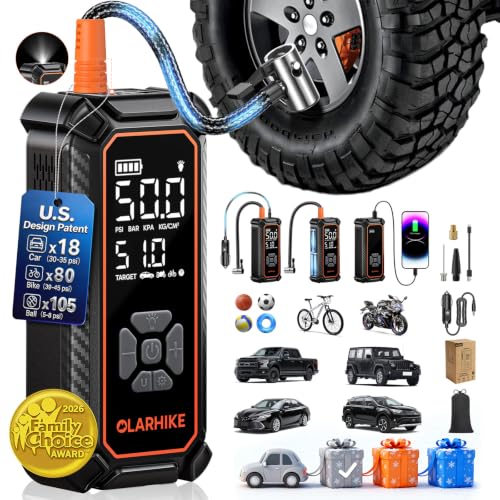 OlarHike Tire Inflator Portable Air
|
8.8/10 | Buy |
 GSPSCN Digital Tire Inflator 12V Heavy Duty Metal
|
8.8/10 | Buy | |
| Best Value |
 ECOMAX Air Compressor 6 Gallon 150 PSI Pancake
|
8.8/10 | Buy |
 Metabo HPT Pancake Air Compressor
|
8.6/10 | Buy | |
| Best Premium |
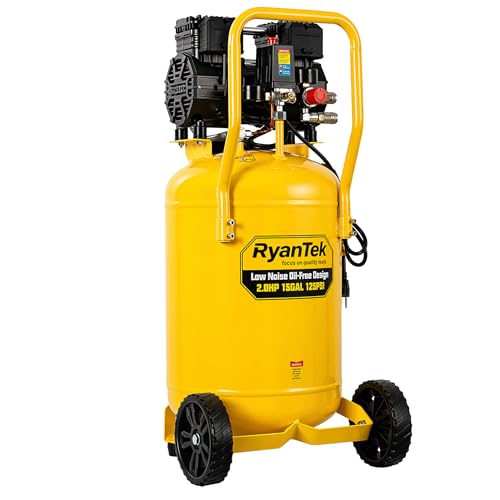 RyanTek 15-Gallon Air Compressor, 2HP, Quiet 66dB
|
8.6/10 | Buy |
 Klutch 20-Gallon Air Compressor, 2 HP, 120V
|
8.4/10 | Buy | |
 OlarHike 12000mAh Heavy Duty Tire Inflator
|
8.3/10 | Buy | |
 AstroAI L7 Tire Inflator Portable Air
|
8.0/10 | Buy | |
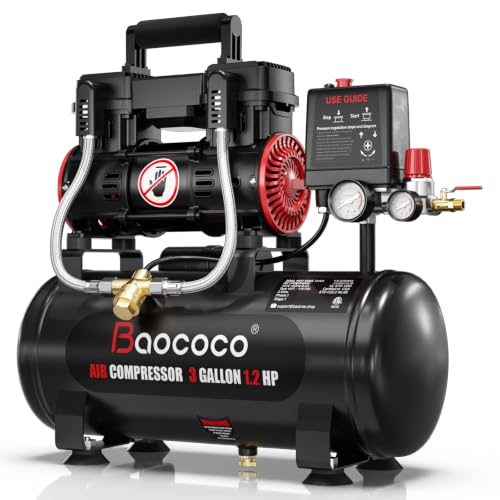 3Gallon Ultra Quiet Air Compressor with Two Quick
|
7.8/10 | Buy |
Understanding Compressor Sizing: CFM, Tank Capacity, and Practical Air Demands
Determining the correct compressor dimensions requires balancing air volume delivery against tool consumption rates rather than simply looking at tank gallon capacity. Many workshop owners mistakenly prioritize tank dimensions only to discover that continuous tools quickly deplete the storage buffer. Air volume measured in cubic feet per minute at operating pressure dictates whether a machine can support continuous pneumatic operations. Evaluating how your tools draw compressed air prevents premature pump wear and unexpected pressure loss during critical jobs.
Why CFM Delivery Matters More Than Physical Tank Capacity
Cubic feet per minute, specifically rated at 90 PSI, represents the true working capacity of any pneumatic power system. While an air tank acts as a temporary reservoir, the compressor pump must replenish that volume as fast as your tools consume it. If a pneumatic tool requires more volume than the pump produces, the tank pressure drops steadily until the tool stalls. Looking at the delivered CFM rating at 90 PSI ensures you choose equipment capable of sustaining your workload.
Standard pneumatic ratings often cite SCFM, which stands for standard cubic feet per minute corrected for temperature and barometric pressure. Single-stage consumer units commonly deliver between 2.0 and 5.0 CFM at 90 PSI, which suits light to moderate tasks. For example, the Metabo HPT EC711S supplies 2.8 CFM at 90 PSI and 3.7 CFM at 40 PSI, illustrating the typical drop in air delivery as operating pressure increases. Understanding this relationship helps you avoid sizing an air source based solely on maximum tank pressure ratings.
A common mistake involves assuming a large tank compensates for a low-output pump on continuous-duty tools. A compact pump attached to a large reservoir merely takes longer to fill the tank initially and longer to recover once pressure falls below the cut-in threshold. If you run high-demand pneumatic equipment, adding an auxiliary air storage tank can extend short bursts, but pump output remains the ultimate limiting factor. Matching the pump delivery volume directly to your tool specifications prevents frequent motor cycling and excessive internal heat buildup.
Intermittent Fastening Versus Continuous Pneumatic Air Consumption
Pneumatic equipment falls into two distinct operational categories: intermittent-demand tools and continuous-draw equipment. Intermittent tools, such as brad nailers, finish staplers, and framing nailers, consume brief bursts of air per actuation. A standard finish nailer might consume less than 0.5 CFM when operated at moderate firing rates. Because of this intermittent pattern, even smaller units like the ECOMAX 6-gallon pancake compressor can support trim carpentry without dropping below regulated line pressure.
Continuous air tools place vastly higher demands on pneumatic delivery systems. Rotary sanders, die grinders, cut-off tools, and HVLP paint spray guns draw air non-stop while the trigger remains depressed. A typical random orbital sander can easily demand 6 to 9 CFM at 90 PSI, while HVLP sprayers often require 8 to 12 CFM for consistent atomization. Running continuous tools on an undersized compressor leads to severe pressure drops, uneven paint patterns, and frequent pump overheating.
Calculating your necessary air capacity requires multiplying the highest tool consumption rating by a practical safety margin. Many mechanics recommend adding roughly 25 to 30 percent to the tool consumption figure to account for line restrictions and minor leaks. If your most demanding continuous tool requires 4 CFM at 90 PSI, sizing an air compressor that delivers at least 5 to 5.5 CFM ensures dependable operation. This safety buffer keeps the pump from running constantly at its thermal threshold during prolonged shop projects.
Evaluating Tank Volume and Usable Air Buffer Reserves
Air tank gallon capacity determines the duration of air tool operation before the pressure switch triggers the electric motor. When air pressure inside the vessel falls to the cut-in pressure, typically between 90 and 105 PSI, the pump activates to refill the tank back to its cut-out setting. A larger tank provides a substantial cushion that protects against rapid pressure drops during brief spikes in air demand. For garage tire service or short impact wrench bursts, a medium tank buffer prevents erratic tool torque.
Small tanks between 1 and 3 gallons, such as the VIAIR TLC BOOST XL with its 2-gallon tank or the Baococo 3-gallon unit, excel at high-mobility applications. These compact reservoirs provide enough stored volume for quick tire inflations, bicycle tubeless seating, and light brad nailing. However, their limited storage capacity causes the motor to cycle frequently when operating high-volume accessories like blow guns. Choosing a smaller tank represents a deliberate tradeoff where portability takes priority over extended air storage.
Mid-sized reservoirs ranging from 6 to 20 gallons bridge the gap between portable jobsite equipment and stationary shop installations. Models such as the RyanTek 15-gallon vertical compressor and the Klutch 20-gallon unit offer 4.2 to 4.5 CFM at 90 PSI with ample storage buffers. These larger tanks maintain stable regulated pressure through multiple fastening cycles or moderate automotive repair sessions. For shops running multi-stage air tools or specialized equipment, evaluating a two-stage air compressor provides insight into higher operating pressures and specialized air delivery architectures.
Motor Horsepower and Household Electrical Circuit Limits
Electric motor horsepower ratings directly influence pump displacement, but marketing labels can create confusion between peak and running power. Manufacturers sometimes advertise peak surge horsepower, which represents the brief power draw during motor startup rather than sustained output. Continuous running horsepower provides the true measurement of mechanical work delivered to the pump cylinders. A reliable 120-volt compressor typically produces between 1.0 and 2.0 continuous running horsepower under standard electrical loads.
Standard residential garages are usually wired with 120-volt electrical circuits rated for 15 or 20 amperes. Compressors with 1.5 to 2.0 horsepower motors, such as the Klutch 20-gallon or RyanTek 15-gallon models, draw significant current during initial startup. When an electric motor starts against cold oil or high residual head pressure, inrush current can briefly spike well above normal running amperage. Operating a heavy-draw compressor on a shared 15-amp breaker often leads to nuisance circuit tripping, especially if other garage appliances share the line.
Preventing electrical issues requires paying careful attention to circuit capacity and extension cord selection. Using long, undersized extension cords causes voltage drops that starve the electric motor of power and cause thermal overload protectors to trip. Most manufacturers recommend plugging the compressor directly into a dedicated 20-amp wall outlet and extending your working reach with additional air hose instead. Adding extra lengths of 3/8-inch air hose maintains pneumatic flexibility without jeopardizing electrical motor reliability or blowing household fuses.
Noise Ratings and Workspace Environment Considerations
Operational sound levels represent a major factor when choosing equipment for basements, attached garages, or indoor finish carpentry. Traditional oil-free air compressors utilize high-RPM universal motors that often generate noise levels between 78 and 85 decibels. In an enclosed garage or residential workshop, this piercing clatter can quickly cause operator fatigue and disturb family members. Fortunately, modern compressor designs feature low-RPM induction motors that dramatically lower acoustic output.
Ultra-quiet compressor options, such as the RyanTek 15-gallon unit rated at 66 dBA or the Baococo 3-gallon model operating around 70 dBA, utilize dual-cylinder balanced pumps. These pumps spin at approximately 1,750 RPM compared to the 3,400 RPM speeds found on standard high-noise jobsite compressors. The lower rotational speed reduces mechanical vibration, internal friction, and high-frequency intake noise without sacrificing air output. Working alongside a 66 dBA machine allows normal conversation without requiring heavy hearing protection during intermittent tasks.
Tire inflators and portable 12-volt compressors also exhibit noticeable differences in sound management and mechanical balance. The GSPSCN heavy-duty metal tire inflator features a dual-cylinder core and rubber vibration-damping feet designed to operate around 70 dBA. By minimizing vibration transfer to concrete floors or vehicle trunks, weighted bases prevent the unit from bouncing during high-pressure inflation. Assessing the acoustic footprint of your compressed air setup ensures comfortable operation in close-quarter working environments.
Sizing Options for Jobsite Portability and Garage Workshops
Jobsite contractors and mobile repair specialists require compact form factors that can withstand tough transportation demands. Pancake compressors like the Metabo HPT EC711S weigh under 40 pounds and feature protective steel roll cages that shield sensitive pressure gauges. Their compact footprint fits easily in truck beds or utility trailers while supplying enough air for multiple finish nailers. Ergonomic carrying handles and balanced centers of gravity make these units practical for carpenters moving between different building levels.
Handheld 12-volt and battery-powered inflators represent the ultimate lightweight solution for roadside tire emergencies and outdoor recreation. Devices such as the AstroAI L7 cordless inflator and OlarHike tire inflators weigh only a few pounds and fit in glove compartments or backpacks. These compact pumps lack storage tanks and cannot run pneumatic tools, but their precision digital sensors inflate tires and sports gear reliably. Knowing when you only need tire pressure top-offs prevents overspending on heavy stationary garage tanks.
Fixed workshop settings benefit from upright vertical tank designs that maximize storage capacity without consuming valuable garage floor space. A vertical 15-gallon or 20-gallon tank occupies a minimal footprint while providing enough air volume for impact wrenches, air ratchets, and paint spray guns. Integrated wheels and tall transport handles allow users to tilt and roll these heavier units across shop floors when necessary. Choosing an upright tank configuration balances large air storage reserves with manageable garage organization.
Managing Moisture Condensation and Tank Pressure Maintenance
Compressing atmospheric air naturally generates heat and squeezes ambient moisture out of suspension, leading to water accumulation inside the steel tank. Over time, uncollected condensation causes internal tank oxidation and sends moisture droplets through air hoses into pneumatic tools. Water vapor degrades pneumatic lubricants, damages sensitive nailer O-rings, and ruins paint finishes when applying spray coatings. Developing a routine moisture draining habit protects both your pneumatic tools and the structural integrity of your air tank.
Modern air compressors feature drain valves positioned at the lowest point of the tank to facilitate condensation removal. Traditional threaded needle petcocks can be stiff to turn and prone to clogging, which often discourages regular maintenance. Compressors equipped with quarter-turn brass ball valves make daily draining quick, simple, and mess-free. Depressurizing the tank partially and opening the bottom drain valve after each workday expels pooled water and prevents internal corrosion from compromising tank wall thickness.
Regular maintenance also involves inspecting safety relief valves, cleaning air intake filters, and checking manifold couplers for pressure leaks. Pulling the ring on the ASME safety valve confirms that the spring-loaded relief mechanism moves freely and vents pressure during an over-pressurization event. Keeping foam intake filters free from sawdust and shop debris ensures unrestricted airflow into the pump cylinders, preventing motor strain and slow recovery times. Simple preventative checks keep your compressor operating efficiently and safely across years of workshop projects.
Matching air compressor dimensions to your specific pneumatic tools ensures dependable airflow without overloading household circuits or taking up excessive garage space. By calculating continuous CFM requirements at 90 PSI, selecting appropriate tank reserve buffers, and considering operational noise levels, you can confidently invest in the right setup. Whether your projects call for a lightweight 12-volt inflator, a jobsite pancake compressor, or a high-capacity vertical workshop tank, proper sizing keeps your pneumatic tools running smoothly and reliably.
About the author
Bob Beacham is an experienced tools and workshop writer with deep knowledge of power equipment, mechanical systems, and practical DIY applications. His coverage of air compressors, welding equipment, saws, and workshop tools helps translate technical specifications into useful guidance for homeowners and serious DIYers.