
Can an Air Compressor Get Rained On: Practical Safety Guide for 2026
Wondering can an air compressor get rained on? Learn the electrical shock risks, IP54 ratings, and recovery protocols for November 2026.
 By Tom Scalisi
Updated November 10, 2026

Outdoor construction projects and automotive driveway repairs frequently force power equipment into unpredictable weather environments. Working outside presents constant challenges when unexpected rain showers suddenly roll over a jobsite. Many operators wonder whether can an air compressor get rained on safely while running pneumatic tools or storing equipment between shifts. Operating standard electric compressors in wet weather introduces serious electrical and mechanical dangers that can permanently ruin your machinery. Moisture threatens internal motor windings, pressure switch contacts, and pump intake ports long before visible rust forms on the steel tank.
Water intrusion does not just damage external paint; it compromises delicate air valves and electrical safety devices designed strictly for dry conditions. When moisture bypasses protective covers, internal condensation accelerates inside the air reservoir, underscoring the necessity of replacing an air compressor drain valve if factory petcocks seize or leak. Standard workshop models lack weatherproof enclosures and require immediate shelter to prevent life-threatening electrical shocks. Understanding the exact boundaries between moisture-resistant equipment and indoor-only compressors helps you preserve your tools while keeping your jobsite safe.
| Award | Product | ACR Score About ACR ScoreThe ACR Score is our own rating from 0 to 10, based on performance, design and build, ease of use, and value. It reflects independent research and is never influenced by manufacturers, retailers, or affiliate commissions. Learn more › | |
|---|---|---|---|
| Best Overall |
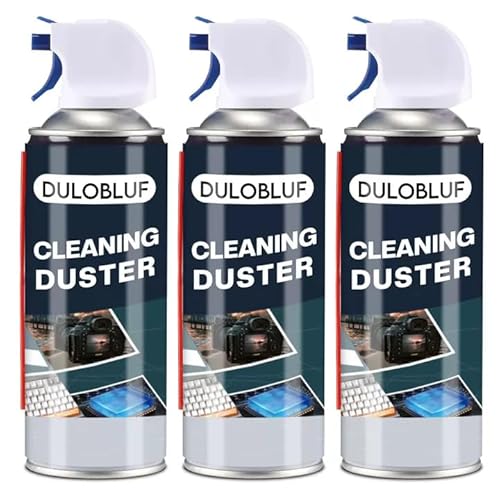
DULOBLUF Compressed Air Duster Can with Precision
|
9.1/10 | Buy |
| Best Value |
 MZB MZB-900H-24 6.4-Gallon Air Compressor |
8.6/10 | Buy |
| Best Premium |
 VIAIR 150 PSI On-Board Air Source Kit |
8.6/10 | Buy |
 SKYULE RS40 Cordless Electric Air Duster |
8.3/10 | Buy | |
| Best Budget |
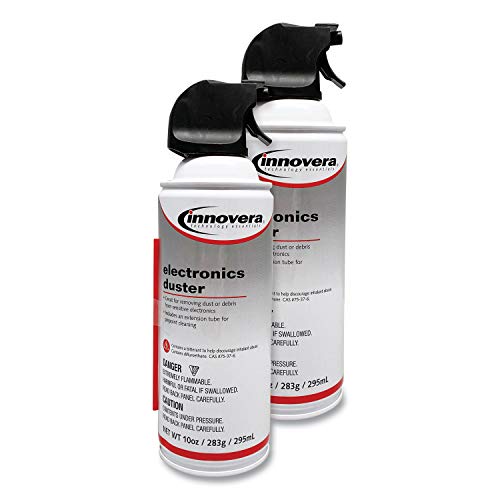 Innovera IVR10012 10 oz Air Duster, 2 Pack |
7.8/10 | Buy |
 MZB MZB-1100H-24 6.4-Gallon Air Compressor |
7.8/10 | Buy |
DULOBLUF Compressed Air Duster Can with Precision
The DULOBLUF Compressed Air Duster delivers a targeted blast of pressurized gas to clear dust and debris from keyboards, delicate circuit boards, and automotive crevices. It is a practical, portable solution for electronics hobbyists, mechanics, and home office users who need quick, residue-free benchtop dusting without firing up an electric air compressor.
Pros
- Concentrated air blast reaches deep into tight spaces like keyboard switches and automotive vents
- Equipped with an extension straw and safety catch to direct airflow precisely and prevent accidental discharge
- Leaves zero chemical residue or lingering odor on delicate electronic components and camera lenses
- Compact, portable canister requires no cords, batteries, or noisy compressor pumps
Cons
- Canister chills down during prolonged continuous spraying, which temporarily reduces blast pressure
- Consumable aerosol design eventually depletes, unlike an electric compressor or continuous shop blower
- Not intended for heavy pneumatic tool operations such as driving nailers or high-volume shop floor sweeping
MZB MZB-900H-24 6.4-Gallon Air Compressor
Delivering 5.65 CFM at 115 psi, this 1.2 HP oil-free unit rapidly pressurizes its 6.4-gallon tank in about one minute while maintaining a low 70-decibel noise output. It serves well for home garages and workshops handling nail guns, air tools, and light painting.
Pros
- Quiet 70 dB operating volume
- Fast tank recovery under 65 seconds
- Generous 5.65 CFM output at 115 psi
- Low-maintenance oil-free motor design
- Integrated wheels assist mobility
Cons
- Steel construction adds significant carrying weight
- Tank capacity limits continuous heavy spraying sessions
- Corded operation requires standard electrical outlet
VIAIR 150 PSI On-Board Air Source Kit
The VIAIR 150 PSI Air Source Kit combines a 280C electric compressor with a 2-gallon, 5-port air tank to deliver a 1.59 CFM flow rate and quick recovery times. Built with an IP54 weather rating for internal or chassis mounting, it serves as a dependable onboard pneumatic supply for air horns, suspension leveling, and emergency tire top-offs.
Pros
- Pre-assembled compressor and 2-gallon tank package significantly cuts down on custom fabrication and wiring setup time
- IP54-rated environmental sealing protects electrical and mechanical parts from road dust, splash, and weather when chassis-mounted
- Five dedicated tank ports offer convenient routing options for safety relief valves, drain lines, pressure switches, and air accessories
- Swift tank recovery cycle fills the reservoir from 0 to 145 PSI in under 4 minutes
Cons
- Rated at 1.59 CFM with a 30 percent duty cycle, making it unsuitable for continuous high-demand air tools like sanders or grinders
- Not intended for airing up completely flat large truck tires from zero, functioning primarily as an auxiliary supply and top-off system
- Requires regular manual access to the bottom drain cock to purge condensation and prevent internal tank rust
SKYULE RS40 Cordless Electric Air Duster
The SKYULE RS40 is a compact cordless electric air duster featuring a 40mm brushless motor that produces up to 260 MPH air velocity and 640g of blowing force. It offers a reusable, freeze-free alternative to canned air for DIYers, woodworkers, and garage hobbyists looking to clear sawdust and debris from workbenches, tool crevices, and electronics.
Pros
- Generates strong 260 MPH air velocity and 640g thrust from a compact 40mm brushless motor
- Rechargeable 10,000mAh battery eliminates ongoing costs and waste associated with disposable canned air
- Informative HD display keeps speed selection and remaining battery capacity clearly visible
- Lightweight 0.9-pound build allows easy single-handed maneuvering in tight machine cabinets and vehicle interiors
- Includes 5 cleaning accessories and a travel pouch for versatile dusting tasks
Cons
- Designed solely for air dusting and cannot drive pneumatic nailers, air ratchets, or paint equipment
- Continuous Max Turbo operation reduces battery runtime to approximately 23 minutes before requiring a recharge
- Lacks pressure regulation or tank storage for continuous high-PSI pneumatic applications
Innovera IVR10012 10 oz Air Duster, 2 Pack
This two-pack of Innovera IVR10012 compressed air dusters delivers moisture-free, ozone-safe cleaning for delicate electronics and tight spaces. Each 10-ounce can includes a removable straw for targeted dusting and bitterant to discourage inhalant misuse.
Pros
- Moisture-free formula safe for sensitive equipment
- 100 percent ozone safe
- Removable straw for pinpoint cleaning
- Includes bitterant to discourage inhalant abuse
MZB MZB-1100H-24 6.4-Gallon Air Compressor
Built with an oil-free 1.5 HP motor and a 6.4-gallon steel tank, this compressor delivers 7.41 CFM at 115 PSI while keeping operating noise down to 70 decibels. It is a solid choice for workshops, auto detailing, and spray painting where quick recovery and quiet operation matter.
Pros
- Fast 60-second tank recovery time
- Quiet 70 dB operation with dual silencers
- High 7.41 CFM output at 115 PSI
- Low-maintenance oil-free motor design
- Durable three-layer coated steel tank
Cons
- Maximum 115 PSI limits high-pressure tools
- Steel tank adds weight compared to aluminum
Weather Resistance, Water Ingress, and Safe Compressor Operation
Exposing pneumatic machinery to rain introduces severe hazards that threaten both operator safety and mechanical longevity. Electric compressors rely on open ventilation louvers and sensitive electrical switches that cannot tolerate liquid water intrusion. While certain heavy-duty steel tanks look impervious to weather, the motors and pumps mounted above them require dry conditions to operate properly. Understanding the critical differences between standard workshop compressors and weather-resistant units ensures your tools remain functional and safe.
The Direct Answer: Why Standard Compressors Cannot Get Rained On
Standard electric workshop air compressors must never be operated or left outside in the rain. Most consumer and garage units feature open-drip motor housings that allow ambient cooling air to circulate across electrical windings. Rainwater quickly penetrates these open ventilation slots, creating direct electrical paths for short circuits and dangerous ground faults. Attempting to run a wet electric compressor poses an immediate risk of catastrophic motor burnout, blown shop breakers, and severe electrical shock to the equipment operator.
Even brief exposure to a sudden passing rain shower can trigger serious mechanical and pneumatic component failures. Moisture seeps past plastic switch shrouds and condenses inside pressure regulators, unloader valves, and manifold gauges. While the thick steel air storage tank resists direct physical impact, the electronic and pneumatic control components mounted above remain completely unprotected from water. Only specialized compressors with certified weather-resistant enclosures can safely tolerate outdoor precipitation without immediate damage.
Critical Electrical Shock Hazards and Motor Burnout
The most dangerous consequence of outdoor rain exposure involves the high-voltage electrical components mounted directly to the machine. Standard 110V or 120V electric motors draw significant amperage, especially during initial startup inrush cycles when overcoming static head pressure. When rainwater bridges electrical contacts inside the pressure switch or terminal junction box, electrical current escapes along unintended conductive paths. This condition immediately trips household circuit breakers or blows internal thermal overload protection mechanisms on the motor.
Water also penetrates the motor start and run capacitors housed beneath external metal or plastic covers. Capacitors store substantial electrical energy and can fail violently or rupture when contaminated with conductive rainwater. Corrosion forms rapidly on internal copper wiring terminals, causing high electrical resistance and intermittent power failure during future compression cycles. Operating damp electrical equipment without dedicated ground fault circuit interrupter protection can prove hazardous or fatal to the operator.
Air Intake Ingestion and Pump Cylinder Damage
Pneumatic pumps generate compressed air by drawing massive volumes of ambient atmospheric air through an intake filter. If rain falls near the compressor pump, the intake port acts as an active vacuum pulling moisture directly into the machine. Standard paper or foam air filter elements quickly become waterlogged, choking off vital airflow to the compression cylinders. Saturated filters collapse inward under high suction pressure, allowing unmetered water droplets to enter the compression chambers without restriction.
Liquid water entering a high-pressure compression cylinder creates severe mechanical stress known as hydraulic lock. Because liquids do not compress like gases, trapped water puts immense physical strain on reciprocating pistons, connecting rods, and thin metal reed valves. Reed valves can bend, crack, or corrode within hours of moisture ingestion. Once internal valve plates lose their airtight seal, the pump can no longer build target pressure or recover efficiently between pneumatic tool cycles.
Lubrication Failure in Splash-Lubricated and Oil-Free Pumps
Oil-lubricated compressors face distinct lubrication failures when exposed to direct rainwater on outdoor jobsites. Water entering the crankcase through vented oil breather caps mixes violently with non-detergent compressor oil during pump operation. This agitation turns clean lubricating oil into a milky, emulsified sludge that completely fails to protect metal surfaces. Crankcase bearings, wrist pins, and cylinder sleeves quickly suffer catastrophic friction wear without proper lubricating oil films separating moving parts.
Oil-free compressors suffer different but equally severe mechanical consequences from ambient rain exposure. These models rely on specialized Teflon or PTFE piston ring sleeves and coated cylinders that require a bone-dry operating environment. Rainwater washes abrasive airborne grit past saturated intake filters into the piston bore, scouring the delicate PTFE coatings. Readers evaluating different pump designs can consult our belt-drive versus direct-drive guide to understand how mechanical layouts handle operational stress and regular maintenance.
Tank Integrity and Accelerated Corrosion Risks
Compressed air storage tanks naturally accumulate internal moisture during normal operation due to atmospheric humidity condensation. Rain exposure dramatically multiplies this problem by introducing exterior water pools around structural seams and underside drain ports. Consumer steel tanks, such as those made from structural Q235B carbon steel, rely on protective powder coatings that can chip during regular jobsite transport. Exposed bare steel beneath damaged paint oxidizes rapidly when subjected to standing rainwater on wet ground.
Exterior rust weakens the structural integrity of pressurized air vessels over extended operating periods. Moisture accumulating around welded mounting brackets and tank bungs creates crevice corrosion that is difficult to inspect visually. A compromised tank operating under 115 to 150 PSI of compressed air represents a major safety hazard for any workshop. Neglecting rain protection forces tanks into premature retirement long before their design lifespan expires, creating unnecessary equipment replacement costs.
Ingress Protection Ratings: Standard Units Versus IP54 Enclosures
Understanding formal Ingress Protection ratings clarifies why standard workshop units fail outdoors while specialized systems survive. Most residential garage compressors carry no formal IP rating, meaning they provide zero certified defense against water spray or airborne moisture. By contrast, specialized mobile equipment like the VIAIR 150 PSI High-Flow Air Source Kit features a verified IP54 rating. This certification indicates substantial protection against airborne dust and complete protection against splashing water from any direction under normal use.
An IP54 rating allows rugged onboard air systems to be safely mounted in open truck beds or underneath vehicle chassis rails. These units feature sealed motor housings, weather-resistant wire looms, and remote intake air filters positioned away from road splash. However, an IP54 enclosure is strictly splash-resistant and must never be submerged under water or blasted with high-pressure washers. Knowing the precise environmental rating of your compressor prevents costly misunderstandings about weather durability during wet outdoor conditions.
Step-by-Step Recovery Protocol for Rain-Exposed Compressors
If your air compressor gets caught in an unexpected rainstorm, immediate and careful action can often save the machinery. The very first step requires disconnecting the electrical supply at the wall outlet or circuit breaker panel without touching wet metal surfaces. Never attempt to flip the compressor power switch or unplug the cord while standing in puddles of water. Once power is safely isolated, carry or roll the unit into a dry, warm, and well-ventilated structure immediately.
Completely depressurize the air tank by pulling the safety relief valve ring or opening regulated air delivery ports. Remove the plastic motor shroud and intake filter assembly to expose wet components to ambient air. Allow the entire machine to dry out thoroughly for at least 24 to 48 hours before attempting any diagnostic reconnection. Placing an electric household fan blowing directly across the exposed motor windings significantly speeds up moisture evaporation inside tight enclosures.
Before reconnecting electrical power, perform thorough fluid and mechanical inspections across all critical assemblies. Open the bottom tank drain valve completely to expel any water and debris that settled inside the reservoir. Check the oil sight glass on lubricated models; if the fluid appears milky or cloudy, drain the crankcase completely and refill it with fresh non-detergent compressor oil. Finally, connect the machine to a GFCI-protected outlet and test for smooth startup without motor hum, electrical sparking, or burning odors.
Safe Outdoor Operation Strategies and Air Line Extension
You do not need to subject your air compressor to outdoor weather to run pneumatic equipment on a roof, driveway, or patio. The safest and most professional strategy keeps the compressor securely inside a garage or covered shed while extending air delivery lines outdoors. Modern rubber or hybrid polymer air hoses maintain excellent flexibility across wide temperature ranges and handle outdoor dampness with zero electrical risk. Extending air hose reach eliminates the need to run hazardous electrical extension cords through wet grass or damp gravel.
Running undersized electrical extension cords across outdoor jobsites causes dangerous voltage drops that burn out compressor motors. In contrast, running fifty to one hundred feet of 3/8-inch air hose preserves full motor voltage at the wall while delivering ample airflow to your tools. For operators deciding on workshop hardware, our single-stage and two-stage compressor comparison explains how air volume reserve impacts continuous pneumatic tool performance. Keeping the compressor pump sheltered ensures optimal machine longevity while providing all the outdoor air power you require.
Jobsite Shelters, Ventilation, and Weather Protection
When outdoor positioning is unavoidable on large framing or roofing sites, proper temporary shelters are mandatory. Erecting a sturdy pop-up canopy or lean-to roof keeps direct rainfall away from the compressor chassis and intake assemblies. Position the shelter on elevated ground or wooden pallets to prevent standing rainwater from pooling around the compressor base and wheels. Never drape a plastic tarp directly over an active compressor, as pumps generate intense heat that requires unobstructed ambient airflow for cooling.
Restricted airflow causes electric motors to overheat and triggers thermal overload switches within minutes of operation. A proper shelter must provide at least two feet of open clearance on all sides to allow fresh cooling air to circulate freely. Ensure that the shelter roof slopes away from the machine so that runoff does not drip onto electrical cords or manifold gauges. When the workday concludes, store portable compressors inside a dry trailer or locked tool shed to avoid overnight dew condensation.
Routine Moisture Management and Air System Maintenance
Outdoor operation exposes equipment to high ambient humidity, which dramatically increases internal tank condensation rates. Every gallon of compressed air contains water vapor that drops out of suspension as pressurized air cools against steel tank walls. Operators must open the bottom drain valve after every single work session to purge accumulated water and prevent internal rust scaling. Clean compressed air protects expensive pneumatic nailers, paint sprayers, and impact wrenches from moisture-induced internal corrosion and premature seal degradation.
Inspect the intake air filter element regularly whenever equipment works in damp outdoor environments. Damp paper filters restrict intake airflow, causing the pump to run hotter and cycle longer to reach normal cut-out pressure. Replace damaged or waterlogged air filters immediately to maintain factory air delivery volume and prevent dirt ingestion into the cylinders. Consistent maintenance routines ensure your pneumatic setup delivers reliable power, regardless of what the weather brings to your jobsite.
About the author
Tom Scalisi brings more than two decades of experience in construction, building maintenance, contracting, and hands-on tool use. His practical understanding of power tools, automotive work, repairs, and jobsite equipment helps readers evaluate compressors based on real workloads rather than specifications alone.