
What Weight Is Air Compressor Oil: Practical Viscosity Guide for 2026
Learn what weight is air compressor oil to protect your pump in October 2026, comparing SAE 30, SAE 20, and synthetic all-season lubricants.
 By Clint DeBoer
Updated October 8, 2026
By Clint DeBoer
Updated October 8, 2026
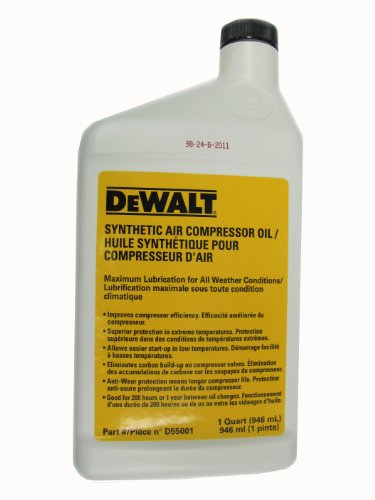
Compressor pumps endure intense thermal friction and mechanical pressure during regular shop cycles. Many workshop owners discover that pouring standard automotive motor oil into a reciprocating pump leads to valve carbonization, foaming, and premature piston ring wear. Determining what weight is air compressor oil depends largely on your operating environment and the mechanical requirements of your pump cylinder. Routine maintenance like draining water from the air compressor tank keeps the pneumatic system healthy, but selecting proper pump lubrication ensures internal parts avoid catastrophic metal-on-metal wear.
Most traditional reciprocating compressors call for an SAE 30 or SAE 20 non-detergent formulation, typically aligning with ISO 100 or ISO 68 viscosity standards. Pump design plays an important role, as the differences in compressor staging often influence operational heat and oil breakdown rates. Using an oil with the incorrect viscosity can cause hard starting in freezing temperatures or dangerous oil breakdown under continuous summer workloads. Understanding the balance between ambient temperatures, pump viscosity ratings, and additive packages helps extend equipment longevity across years of heavy pneumatic tool use.
| Award | Product | ACR Score About ACR ScoreThe ACR Score is our own rating from 0 to 10, based on performance, design and build, ease of use, and value. It reflects independent research and is never influenced by manufacturers, retailers, or affiliate commissions. Learn more › | |
|---|---|---|---|
| Best Overall |
DEWALT Compressor Oil, 1-Quart (D55001)
|
9.1/10 | Buy |
| Best Budget |
 Valvoline Daily Protection Non-Detergent 30 Oil 1
|
8.9/10 | Buy |
| Best Premium |
 Quincy Compressor 112543G100 Quincy Quin-Cip
|
8.9/10 | Buy |
 Air Compressor Oil
|
8.8/10 | Buy | |
| Best Value |
 Ingersoll Rand All Season Select Synthetic Air
|
8.6/10 | Buy |
 POWERMATE Px 100% Full Synthetic Air Compressor
|
8.4/10 | Buy | |
 Mobil - 100870 Rarus 427, Compressor, 1 qt, ISO100
|
8.3/10 | Buy | |
 Sta-Lube Compressor Oil SL22133-1 gal
|
8.3/10 | Buy | |
 Ingersoll Rand All Season Select Synthetic Air
|
8.3/10 | Buy | |
 Silentaire Compressor Oil
|
8.0/10 | Buy |
Understanding Compressor Oil Viscosity, Weight Ratings, and Pump Protection
Standard reciprocating air compressors most frequently specify SAE 30 non-detergent oil for normal operating temperatures, while SAE 20 is typical for sub-freezing conditions. These weight ratings correlate directly to the Society of Automotive Engineers viscosity scale, indicating how freely the lubricant flows through internal splash channels. In industrial environments, these weights correspond to International Organization for Standardization viscosity grades, specifically ISO 100 for SAE 30 and ISO 68 for SAE 20. Selecting the exact weight designated for your machine prevents boundary friction across wrist pins, connecting rods, and cast-iron cylinder walls.
Standard Weight Designations: SAE 30 Versus SAE 20
SAE 30 non-detergent oil functions as the universal baseline for most reciprocating pumps running in ambient conditions between 40 degrees Fahrenheit and 100 degrees Fahrenheit. Products like Quincy Quin-Cip SAE 30 and Campbell Hausfeld 30 weight oil exemplify this formulation, maintaining a durable hydrodynamic barrier under intense piston velocity. If the oil is too thin, dynamic compression loads squeeze the fluid film away from moving parts, causing metal-to-metal contact and rapid cylinder scoring. Conversely, excessively heavy fluid creates parasitic drag, preventing splash dippers on connecting rods from dispersing an adequate lubricating mist.
When ambient operating temperatures drop below 40 degrees Fahrenheit, SAE 30 mineral oil thickens significantly inside the crankcase sump. Under cold startup conditions, viscous oil places heavy resistance on the electric motor, often spiking inrush amperage and causing 15-amp branch circuit breakers to trip. Switching to an SAE 20 weight formulation during winter months provides the low-temperature fluidity needed for instant splash circulation. The lighter viscosity allows connecting rod dippers to slice cleanly through the sump without stalling the rotor during startup.
Decoding ISO Viscosity Grades in Compressor Systems
Industrial fluid manufacturers often label air compressor lubricants using ISO viscosity grades rather than automotive SAE designations. The ISO grading system measures kinematic viscosity in centistokes at a standardized temperature of 40 degrees Celsius, which equals 104 degrees Fahrenheit. Under this classification, ISO 100 corresponds to SAE 30 weight oil, offering a nominal viscosity range between 90 and 110 centistokes. Premium fluids such as Mobil Rarus 427 specify this exact ISO 100 rating, ensuring predictable film strength in continuous-duty workshop machinery.
In cooler workshops or specialized pump mechanisms, ISO 68 fluid provides the industrial equivalent of SAE 20 automotive weight oil. Machinery operating in extreme cold may even specify ISO 32 or ISO 46 fluids, though these ultra-light viscosities are more commonly found in rotary screw units rather than reciprocating pistons. Consulting the manufacturer manual clarifies whether the pump requires an ISO or SAE specification before you purchase replacement fluids. Using an ISO-rated product with matching kinematic viscosity ensures your splash lubrication system performs exactly as intended.
Why Non-Detergent Oil Is Mandatory for Air Compressors
A dangerous mistake made by workshop owners involves adding conventional automotive motor oil to an air compressor pump. Automotive engine oils contain detergent additives designed to suspend carbon soot and combustion byproducts so the engine filter can trap them. Because most reciprocating air compressor pumps lack an oil filter, detergent additives keep metallic particles circulating continuously between bearings and cylinder walls. This abrasive suspension acts like liquid sandpaper against precision-machined cast-iron sleeves and brass wrist pin bushings.
Detergent additives also react poorly with atmospheric moisture drawn into the crankcase during compression strokes. When high heat meets ambient shop humidity, detergent packages cause standard motor oil to foam vigorously inside the crankcase sump. Foaming oil creates compressible air bubbles within the lubricant film, which collapses under piston loading and exposes bare metal surfaces. Formulations like Valvoline Daily Protection Non-Detergent 30 Oil are specifically engineered to let moisture and heavy contaminants drop safely to the sump floor away from spinning components.
Furthermore, detergent additives accelerate carbon buildup on delicate reed valves and disc plates inside the compressor cylinder head. Operating temperatures inside a reciprocating compression chamber regularly exceed 300 degrees Fahrenheit, which bakes automotive detergent compounds into brittle crusts. These carbon crusts prevent reed valves from seating tightly against the valve plate, leading to severe pressure loss and excessive pump cycle times. Non-detergent oils burn cleanly without leaving destructive ash or carbon deposits across hot exhaust ports.
Temperature Swings and All-Season Synthetic Viscosity
Conventional mineral oils struggle when workshops experience drastic seasonal temperature fluctuations between winter freezes and summer heat waves. Standard petroleum-based SAE 30 oil becomes sluggish near freezing, while thinning excessively when ambient temperatures climb past 90 degrees Fahrenheit. Full synthetic formulations, such as Ingersoll Rand All Season Select and Powermate Px 100% Synthetic Oil, solve this dilemma by providing high viscosity index stability. Synthetic base stocks maintain consistent fluid resistance across wide thermal spectrums without degrading under continuous duty cycles.
Synthetic compressor lubricants frequently feature advanced cold-pour points, allowing electric motors to start reliably in sub-zero garage environments. Powermate Px synthetic oil, for example, is engineered with low-temperature fluidity that operates effectively in freezing conditions while maintaining a 460-degree Fahrenheit flashpoint. This elevated flashpoint prevents oil thermal breakdown, vapor ignition, and dangerous ring sticking during continuous shop tasks. Investing in a high-grade synthetic all-temperature lubricant eliminates the hassle of draining and replacing oil twice each year to match changing seasons.
Splash Lubrication Physics Inside Reciprocating Pumps
Most consumer and prosumer reciprocating air compressors rely on a simple splash lubrication system rather than pressurized oil pumps. As the crankshaft rotates inside the crankcase, a small metal dipper attached to the bottom of the connecting rod dips into the oil reservoir. This rapid dipping action whips the fluid into an airborne mist that coats the cylinder walls, crankshaft main bearings, and piston wrist pin. The viscosity of the oil directly dictates whether this mist forms properly during crank rotation.
If an operator uses oil that is too heavy, the connecting rod dipper cannot atomize the liquid into an effective suspension cloud. Instead, the thick oil creates excessive fluid resistance, generating unnecessary internal heat while starving upper cylinder walls of lubrication. Conversely, oil that is too light fails to cling to vertical cast-iron surfaces, running off before piston rings complete their downward stroke. Maintaining the recommended SAE 30 or ISO 100 viscosity ensures the splash cloud stays dense enough to protect moving parts throughout long operating runs.
Pump Architecture Demands Across Workshop Compressors
The mechanical configuration of your compressor pump influences the operating temperatures and shear forces the lubricating oil must withstand. When examining belt-driven versus direct-drive compressor configurations, belt-driven pumps generally operate at much lower rotational speeds, often between 800 and 1,200 RPM. These lower speeds reduce operating temperatures, allowing standard SAE 30 non-detergent petroleum oils to deliver exceptional protection over hundreds of running hours. Direct-drive pumps, by contrast, spin at full motor speeds exceeding 3,400 RPM, generating higher friction and requiring superior thermal stability.
Specialized studio and ultra-quiet compressors feature unique enclosed pump mechanisms that demand specific lubricant engineering. The Silentaire synthetic compressor oil demonstrates how compact, hermetically sealed pump units require specialized low-friction synthetic formulations to run quietly without overheating. Meanwhile, commercial two-stage cast-iron pumps compressing air up to 175 PSI generate extreme second-stage cylinder heat. These heavy-duty commercial machines depend on premium industrial fluids like Sta-Lube SAE 30 or Quincy Quin-Cip to resist oxidative thickening and valve fouling under continuous workshop duty.
Warning Signs of Viscosity Breakdown and Oil Contamination
Monitoring the visual condition and fluid level through the crankcase sight glass provides critical insight into pump health. Healthy air compressor oil appears clear or amber, flowing smoothly without milky discoloration or dark suspended particles. If the oil appears milky or cloudy, moisture condensation has emulsified within the sump, signaling that the pump is not running long enough to reach moisture-evaporating operating temperatures. Operating a pump with water-contaminated oil destroys film strength and leads to rapid bearing corrosion.
When sizing equipment for demanding pneumatic tools, continuous air consumption forces the compressor pump into high duty cycles that accelerate lubricant degradation. Oil that appears dark black or smells burnt has suffered severe thermal oxidation, losing its designed viscosity and lubricating capabilities. Running an oxidized lubricant causes cylinder lacquer, ring sticking, and elevated metallic wear that quickly destroys pump compression. Inspecting oil clarity weekly ensures you catch thermal degradation before irreversible cylinder bore damage occurs.
Another unmistakable symptom of improper oil viscosity is heavy oil carryover into downstream pneumatic airlines. If an operator installs an excessively thin lubricant, the oil slips past the compression rings and enters the discharge line, contaminating air hoses, regulators, and pneumatic tools. Oil carryover ruins delicate paint spraying applications and degrades internal seals in nail guns and impact wrenches. When excessive oil collects in your inline filter bowls, verify that the crankcase is not overfilled and that the oil viscosity matches factory recommendations.
Recommended Oil Change Intervals and Routine Maintenance
Establishing a consistent maintenance routine ensures your air compressor pump achieves its maximum design lifespan. For newly purchased compressors or newly installed replacement pumps, manufacturers typically mandate an initial break-in oil change after the first 20 to 50 operating hours. During initial break-in, microscopic metal particles shave off newly machined cylinder walls and piston rings as surfaces lap together. Draining the initial oil charge flushes these abrasive wear particles from the crankcase before they can score precision journal bearings.
Following the break-in cycle, conventional non-detergent petroleum oils generally require replacement every 100 to 250 operating hours, or at least once every three to six months. In intermittent home garage settings where compressors run only a few hours per month, an annual oil change remains the minimum recommended maintenance standard. High-performance synthetic lubricants extend service intervals significantly, often supporting extended continuous operation between changes. Always refer to your specific equipment manual, as commercial duty cycles and dusty shop environments require more frequent service.
Step-by-Step Procedure for Inspecting and Changing Pump Oil
Changing air compressor pump oil requires basic shop tools and careful attention to fluid levels. Before servicing the machine, disconnect the compressor from its electrical power source and depressurize the air storage tank completely. Allow the pump cylinders to cool to a warm, touchable temperature, which ensures the oil drains quickly while suspending particulate contaminants. Place an appropriate catch basin beneath the crankcase drain plug, then remove both the drain plug and the top oil fill cap to encourage smooth gravitational flow.
Once the old lubricant has drained completely into the catch basin, inspect the magnetic drain plug for excessive metallic debris or large shavings. Clean the plug threads thoroughly, apply fresh PTFE thread sealant if required, and thread the plug back into the crankcase until hand-tight before gently snugging it with a wrench. Use a clean funnel to pour fresh SAE 30 or ISO 100 non-detergent compressor oil into the fill port. Pour slowly to prevent air pockets from forming around internal splash components while filling.
Monitor the crankcase sight glass or dipstick continuously during the filling process to avoid overfilling the pump reservoir. The correct oil level rests precisely at the center red dot of the sight glass, or between the upper and lower hash marks on a traditional dipstick. Overfilling creates excessive crankcase pressure, leading to blown shaft seals, oil leakage, and heavy oil carryover into pneumatic lines. Underfilling, on the other hand, leaves connecting rod dippers dry and causes rapid bearing seizure within minutes of motor startup.
Practical Guidance for Long-Term Compressor Health
Maintaining the proper oil weight and fluid level represents one of the simplest and most cost-effective ways to protect your pneumatic investment. By choosing an SAE 30 non-detergent mineral oil or a high-grade all-season synthetic, you provide the precise hydrodynamic film needed to absorb punishing mechanical loads. Always avoid automotive motor oils containing detergent packages that foam under humidity and bake onto sensitive valve plates. Verifying clean oil clarity and maintaining recommended fill levels ensures your workshop compressor delivers steady pneumatic pressure across years of dependable service.
About the author
Clint DeBoer is an experienced tool-industry specialist with decades of involvement in technical media, hands-on product evaluation, and testing methodology. His focus on performance, practical usability, and data-driven comparisons makes his expertise highly relevant to professional air compressors, pneumatic tools, and workshop equipment.