
What Oil to Use in a Air Compressor: Practical Guide for 2026
Learn what oil to use in a air compressor for workshop pumps and air tools in October 2026. Understand non-detergent formulas, ISO viscosity, and proper maintenance.
 By Bob Beacham
Updated October 8, 2026
By Bob Beacham
Updated October 8, 2026
Piston pumps generate intense friction and thermal stress as they compress ambient air into a pressurized storage tank. Pouring the wrong lubricant into a crankcase can quickly coat cylinder walls in sludge, foul reed valves, and trigger premature mechanical failure. Determining exactly what oil to use in a air compressor requires understanding the clear distinction between standard motor oils and specialized non-detergent industrial lubricants. Taking time to select the right viscosity preserves internal bearings and protects your workshop setup under heavy daily duty cycles.
Many reciprocating pumps thrive on straight-weight non-detergent mineral oils or high-performance synthetic fluids engineered specifically for extreme compression temperatures. Consulting our comprehensive air compressor lubricant guide helps clarify how different pump designs react to specific base stocks and anti-foaming additives. Using the proper formulation ensures clean valve operation, prevents moisture emulsion, and keeps your pneumatic system operating smoothly without unexpected pressure drops or breaker-tripping motor strain.
| Award | Product | ACR Score About ACR ScoreThe ACR Score is our own rating from 0 to 10, based on performance, design and build, ease of use, and value. It reflects independent research and is never influenced by manufacturers, retailers, or affiliate commissions. Learn more › | |
|---|---|---|---|
| Best Overall |
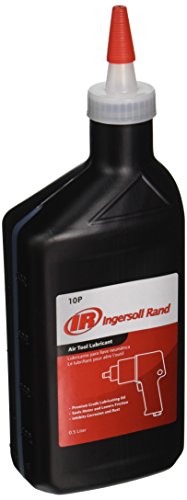
Ingersoll Rand 10P Air Tool Oil, 1 Pint
|
9.2/10 | Buy |
| Best Premium |
 Mag 1 1-Gallon Air Compressor Oil
|
9.2/10 | Buy |
| Best Budget |
 Triax Kompressor ISO 46 SAE 20 Full Synthetic Air
|
9.1/10 | Buy |
 Milton 1002 SAE 30W Compressor Oil, 1 Gallon
|
8.8/10 | Buy | |
 Campbell Hausfeld ST1253 Compressor Oil (16 oz)
|
8.6/10 | Buy | |
| Best Value |
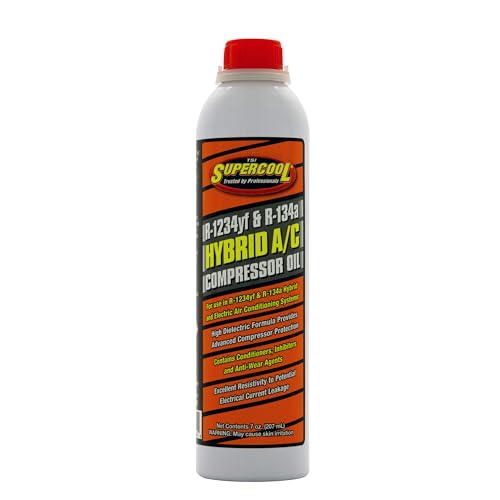 TSI Supercool 24940 Synthetic Hybrid A/C
|
8.6/10 | Buy |
 TRIAX Kompressor ISO 68 Full Synthetic Air
|
8.6/10 | Buy | |
 Ingersoll Rand All Season Select Lubricant, 1L
|
8.6/10 | Buy | |
 Milton 1002-32 ISO-100 Compressor Oil, 32 oz
|
8.4/10 | Buy | |
 3-IN-ONE Pneumatic Tool Oil, 4 oz
|
8.0/10 | Buy |
Ingersoll Rand 10P Air Tool Oil, 1 Pint
Formulated for pneumatic equipment upkeep, the Ingersoll Rand 10P delivers premium-grade lubrication in a compact one-pint container. It serves as a dependable fluid for mechanics and workshops focused on extending the service life of air-powered tools.
Pros
- Formulated specifically for pneumatic mechanisms
- Compact and easily portable 1-pint bottle
- Lightweight design under one pound
- Official Ingersoll Rand Edge Series lubricant
Cons
- One-pint volume may run out quickly in high-volume shops
- Single-purpose lubricant restricted to pneumatic tool use
Mag 1 1-Gallon Air Compressor Oil
Formulated for reliable workshop maintenance, Mag 1 Air Compressor Oil uses refined petroleum base stocks paired with anti-foam additives to maintain stable lubrication. The generous one-gallon volume makes it a practical choice for keeping reciprocating or stationary compressors running smoothly over time.
Pros
- Anti-foam additives maintain steady lubrication
- Refined petroleum stocks promote smooth operation
- Formula helps extend compressor service life
- Generous 1-gallon volume handles multiple refills
Cons
- Jug weighs 7.25 pounds and can be heavy to pour
- One-gallon size may exceed small top-off needs
Triax Kompressor ISO 46 SAE 20 Full Synthetic Air
Triax Kompressor ISO 46 SAE 20 is a commercial-grade, full synthetic non-detergent compressor oil engineered for oil-lubricated reciprocating, rotary screw, and vane pumps operating in temperatures from -49°F to over 140°F. It provides exceptional thermal protection and extended component life for garage mechanics and shop owners maintaining heavy-duty pneumatic systems.
Pros
- Extreme all-weather operating range from -49°F to 140°F+ prevents cold-start motor stalling and high-heat viscosity breakdown
- Non-detergent full synthetic formula protects internal bearings and provides up to 20,000 hours of service longevity
- Lowers operating pump temperatures by 30% and actively sheds condensation to prevent internal crankcase rust
- Compatible with oil-lubricated reciprocating, rotary screw, and rotary vane compressor pumps from major manufacturers
Cons
- Not suitable for oil-free or maintenance-free dual-piston compressor designs that do not use crankcase oil
- Explicitly prohibited for use in breathing air systems, oxygen compressors, or liquid natural gas (LNG) units
- Single-quart volume may require purchasing multiple bottles for larger stationary 60-gallon or 80-gallon shop pump crankcases
Milton 1002 SAE 30W Compressor Oil, 1 Gallon
Milton 1002 is a non-detergent ISO-100 SAE 30W conventional lubricant engineered specifically for reciprocating air compressors. The one-gallon capacity makes it a sensible option for regular workshop equipment upkeep.
Pros
- Non-detergent formula tailored for reciprocating compressors
- Standard ISO-100 SAE 30W viscosity rating
- Generous one-gallon volume covers multiple refills
Cons
- Conventional mineral formula instead of synthetic blend
- Heavy container can be awkward to pour directly
Campbell Hausfeld ST1253 Compressor Oil (16 oz)
Formulated for workshop and industrial setups, this 30-weight lubricant protects compressor pumps against rust, sludge, and component wear. The compact 16-ounce bottle makes routine top-offs and crankcase servicing straightforward.
Pros
- Formulated specifically for compressor pumps and motors
- 30-weight viscosity helps minimize component wear
- Inhibits rust, sludge, and internal corrosion
- Compact bottle enables controlled, mess-free pouring
Cons
- 16-ounce volume may require multiple bottles for large units
- Single 30-weight viscosity is not suitable for all models
TSI Supercool 24940 Synthetic Hybrid A/C
TSI Supercool 24940 is a specialized synthetic lubricant engineered for electric hybrid air conditioning compressors, featuring high dielectric resistivity to prevent electrical leakage. It provides essential anti-wear protection for automotive mechanics and DIYers servicing high-voltage automotive A/C systems.
Pros
- Engineered with high dielectric resistivity to safeguard high-voltage vehicle electrical systems against current leakage
- Proprietary blend of conditioners, inhibitors, and anti-wear additives helps extend internal compressor life
- Durable aluminum can protects the synthetic fluid from contamination and moisture prior to installation
- Convenient 7 oz container size supports precise measuring for routine maintenance top-offs and system recharges
Cons
- Specialized formulation is intended strictly for hybrid electric A/C compressors, not for standard shop air tools or pneumatic compressors
- Injecting lubricant into sealed automotive A/C lines requires compatible manifold gauges or dedicated oil injector tools
- Total volume of 7 ounces may require multiple cans depending on the specific vehicle manufacturer oil capacity specification
TRIAX Kompressor ISO 68 Full Synthetic Air
TRIAX Kompressor ISO 68 is a commercial-grade, full synthetic compressor lubricant engineered for oil-lubricated reciprocating, rotary screw, and vane pumps operating between -49°F and 140°F+. It is an excellent maintenance solution for auto mechanics, shop owners, and contractors seeking lower pump operating temperatures and up to 20,000 hours of service life.
Pros
- Extended 20,000-hour service life minimizes routine maintenance intervals on high-demand shop compressors
- All-season stability from -49°F to 140°F+ prevents cold-morning motor drag and high-heat viscosity breakdown
- Non-detergent formulation separates condensation cleanly to safeguard internal crankcase bearings
- Broad compatibility across major reciprocating, rotary screw, and rotary vane compressor manufacturers
Cons
- Not suitable for maintenance-free oil-free compressor designs or oxygen and Liquid Natural Gas (LNG) systems
- One-gallon container size exceeds the immediate refill capacity of small single-stage DIY splash-lube pumps
Ingersoll Rand All Season Select Lubricant, 1L
Engineered as an all-weather OEM fluid, this synthetic lubricant protects reciprocating compressors during continuous duty while resisting carbon buildup on critical valves. It is a solid pick for equipment owners who want fewer oil changes and reliable year-round operation.
Pros
- Maintains stable viscosity in hot and cold seasons
- Lasts four times longer than petroleum oil
- Keeps valves and rings free of carbon deposits
- Protects bearings under continuous duty cycles
Cons
- Formulated specifically for reciprocating compressor systems
- One-liter bottle requires buying multiples for large pumps
Milton 1002-32 ISO-100 Compressor Oil, 32 oz
Formulated specifically for oil-lubricated reciprocating compressors, this ISO-100 non-detergent lubricant shields pumps against wear and deposit buildup. It separates easily from moisture and remains fluid down to -15°F for dependable cold-weather starts.
Pros
- Protects internal components against wear and corrosion
- Non-detergent formula resists foaming and separates water
- Inhibits sludge and carbon deposit formation
- Maintains fluidity in temperatures down to -15°F
Cons
- Designed strictly for reciprocating pump mechanisms
- Conventional oil base rather than full synthetic
3-IN-ONE Pneumatic Tool Oil, 4 oz
Designed for automotive, marine, and workshop air tools, this lubricant dissolves sludge, gum, and calcium while repelling moisture. Its squeeze bottle and targeted twist spout make it easy to oil equipment ports without messy spills.
Pros
- Precision twist spout targets small tool ports easily
- Waterproof formula prevents rust under extreme moisture
- Effectively removes sludge, gum, and calcium buildup
- Squeeze bottle allows accurate, mess-free dispensing
Cons
- Small 4-ounce size requires frequent replenishment for high-volume use
Selecting the Correct Lubricant for Air Compressor Crankcases and Air Tools
Choosing the correct lubricant for an air compressor depends on whether you are servicing the cast-iron pump crankcase or oiling handheld pneumatic tools. Piston-driven compressor pumps require specialized non-detergent oils rated at specific ISO viscosity levels to protect moving bearings without creating valve-fouling carbon deposits. Automotive motor oils should never enter a compressor crankcase because their detergent additives suspend moisture and particulates, accelerating internal cylinder wear. Matching your pump mechanism to the proper synthetic or conventional fluid ensures sustained pressure delivery and prevents costly mechanical breakdowns across demanding workshop tasks.
Pump Crankcase Oil Versus Pneumatic Air Tool Lubricants
Pump crankcases and handheld air tools operate under completely different mechanical conditions, making lubricant interchangeability a costly mistake. Crankcase oil resides inside a sealed sump where it splashes over crankshaft journals, connecting rods, and cylinder walls under sustained high temperatures. Handheld air tool oils, such as Ingersoll Rand 10P Edge Series or 3-IN-ONE Professional Grade Pneumatic Tool Oil, are lightweight fluids designed to travel through high-speed rotary vanes and exhaust ports. Tool oils contain gum-dissolving solvents and moisture dispersants that break down when subjected to the extreme heat and compression loads of a pump cylinder.
Pouring air tool oil into a compressor pump crankcase creates an inadequate hydrodynamic film, leading to rapid metal-to-metal contact on cylinder sleeves. Conversely, adding thick compressor crankcase oil into an impact wrench or brad nailer gums up delicate rotary vanes and causes internal tool stalling. Specialized automotive fluids like TSI Supercool 24940 Hybrid A/C Compressor Oil represent an entirely separate category engineered specifically for vehicle air conditioning systems. Using dedicated compressor pump oils in the crankcase and specialized pneumatic tool oils at the tool inlet maintains proper mechanical clearances across your workshop.
Why Automotive Motor Oils Damage Reciprocating Compressor Pumps
Automotive motor oils are formulated with detergent additive packages designed to hold combustion byproducts, carbon soot, and condensation in suspension until reaching an oil filter. Air compressor pumps lack internal oil filters and rely on splash pins or slingers to lubricate internal crankcase components. When detergent oils circulate inside a compressor, those detergents carry airborne dust and condensed water directly across bearings and cylinder walls. This suspended moisture forms an abrasive, milky sludge that rapidly scours polished metal surfaces, degrades compression efficiency, and clogs vital oil channels.
Engine oils also generate excessive carbon crusting when subjected to the high discharge temperatures common in reciprocating piston assemblies. Compressor discharge valves run hot enough to bake detergent additives into hard carbon flakes that accumulate on reed valves and valve plates. Once carbon crust coats the valve seats, the compressor cannot seal effectively, causing extended recovery cycles, excessive operating heat, and continuous motor strain. Non-detergent compressor oils allow moisture and particulates to settle harmlessly at the bottom of the sump where they cannot damage moving piston rings.
Viscosity Standards: Demystifying ISO 46, ISO 68, and ISO 100 Grades
Compressor lubricants use the International Organization for Standardization (ISO) viscosity grading system rather than automotive multigrade classifications. An ISO 100 lubricant corresponds roughly to an SAE 30-weight oil, making it the industry standard for most reciprocating single-stage and two-stage compressors operating in moderate temperatures. Formulations like Milton 1002 High Performance Conventional Oil and Campbell Hausfeld ST1253 provide optimal 30-weight hydrodynamic film thickness to cushion wrist pins and crankshaft journals. This standard viscosity prevents premature ring wear while maintaining tight hydraulic seals around reciprocating piston rings under continuous shop duty.
Lighter viscosity grades serve specialized roles when compressors operate in unheated cold environments or rotary screw configurations. An ISO 46 lubricant correlates to an SAE 20-weight oil, offering reduced fluid resistance during cold-weather startups where heavier oils might trigger motor stalls. High-performance fluids like TRIAX Kompressor ISO 46 provide multi-viscosity performance across broad temperature ranges without shearing under heavy cylinder friction. When evaluating heavy cast-iron pumps or identifying two-stage compressor pumps, reviewing the manufacturer viscosity guideline prevents valve blow-by and maintains proper compression ratios.
Full Synthetic Formulations Versus Conventional Mineral Base Stocks
Conventional compressor lubricants utilize solvent-refined petroleum base stocks blended with anti-foaming and anti-oxidation additives. Products like Mag 1 Air Compressor Oil rely on highly refined mineral stocks that perform dependably in standard intermittent home garage environments. Mineral oils offer reliable thermal protection during moderate operating cycles, but they eventually oxidize and form varnish under continuous commercial workloads. Regular oil changes remain necessary when using conventional petroleum oils to clear accumulated condensation and prevent oxidation from degrading pump efficiency over long operating periods.
Full synthetic lubricants, such as Ingersoll Rand All Season Select Synthetic Lubricant, use engineered synthetic base stocks designed to withstand intense thermal spikes. Synthetic compressor fluids resist carbonization on high-temperature discharge valves, keeping reed assemblies clean and preventing output losses over extended run periods. Products like TRIAX Kompressor ISO 68 feature high load-bearing film strength that actively prevents metal-to-metal contact during demanding commercial applications. Synthetic formulations also maintain stable fluidity across wide temperature extremes, facilitating effortless cold-weather starts while resisting thermal breakdown during uninterrupted pneumatic sandblasting or painting sessions.
Proper Step-by-Step Procedure for Checking and Changing Pump Oil
Maintaining proper oil levels begins with routine visual checks through the crankcase sight glass or dipstick before turning on the machine. The oil level should consistently rest directly in the center of the sight-glass indicator or between the hash marks on the dipstick. Running a pump with insufficient oil starves connecting rod bearings and wrist pins, leading to severe cylinder scoring and catastrophic pump seizure. Overfilling the crankcase is equally hazardous because excess oil splashes against hot cylinder walls, leading to heavy oil aerosol carryover into downstream air lines.
Changing compressor pump oil requires depressurizing the tank completely and disconnecting electrical power before loosening any fittings. Warm the pump by running it for several minutes before servicing so suspended particulates drain freely with the warm fluid. Place a drain pan beneath the crankcase plug, remove the breather cap to vent the sump, and allow the old oil to drain completely. Once emptied, reinstall the drain plug securely with fresh thread sealant and refill the crankcase slowly using clean non-detergent oil until reaching the sight-glass center.
Recognizing Contaminated Oil and Mechanical Breakdown Symptoms
Observing the color and clarity of your compressor oil provides direct insight into the mechanical health of the pump assembly. Oil that appears milky or cloudy indicates significant moisture contamination caused by atmospheric humidity condensing inside the crankcase during short run cycles. When an air compressor runs only for brief intervals, the pump never reaches the internal operating temperature required to vaporize and vent moisture. Over time, water accumulation displaces lubricating oil on bearings, accelerating internal corrosion and causing severe damage that may require sourcing replacement air compressor pumps.
Dark, blackened oil accompanied by a sharp burnt odor signals severe thermal breakdown and advanced valve carbonization. If the oil appears frothy or exhibits heavy foam at the surface, the anti-foaming additives have degraded or an improper detergent oil was introduced. Foaming creates pockets of air within the fluid film, preventing continuous lubrication across bearing journals and causing rapid heat spikes. Flushing the crankcase with fresh non-detergent oil and inspecting the crankcase breather restores clean operating conditions before permanent bearing wear occurs.
Cold Weather Startup Challenges and Breaker-Tripping Prevention
Freezing workshop temperatures thicken compressor oil significantly, turning standard 30-weight mineral fluids into viscous, resistant fluids. When an electric motor attempts to spin a stiff pump crankcase against heavy cold oil, the motor draws massive inrush current to overcome static resistance. This electrical surge frequently trips standard 15-amp household circuit breakers or trips the thermal overload reset switch on the motor housing. Thick oil also slows splash lubrication to top-end wrist pins, creating several seconds of unlubricated friction during cold morning startups.
Switching to an all-season synthetic oil or an ISO 46 formulation resolves cold starting resistance by maintaining fluidity at lower temperatures. Synthetic formulations circulate promptly upon motor rotation, reducing startup torque demands and keeping electrical draw within safe branch circuit limits. Before starting a cold compressor in an unheated shop, opening the tank drain valve allows the motor to spin freely without head pressure. Once the pump runs smoothly for a minute and warms the lubricating oil, closing the valve allows normal compression cycles without tripping electrical breakers.
Recommended Oil Change Intervals and Duty Cycle Demands
Establishing a regular oil change schedule depends heavily on pump operating hours and ambient working conditions. New reciprocating air compressors require an initial oil change after the first twenty to fifty hours of operation to flush out factory machining metal shavings. Following that initial break-in period, conventional petroleum oils like Milton 1002 typically require replacement every three months or three hundred operating hours under normal workshop conditions. Compressors operating in dusty woodshops, body shops, or high-humidity garages require more frequent fluid changes to prevent abrasive particulate buildup.
Synthetic lubricants offer significantly extended service intervals, often lasting several thousand hours or an entire calendar year before replacement becomes necessary. High-demand pneumatic applications like continuous rotary sanding or paint spraying subject the pump to elevated duty cycles that accelerate oil degradation. Operating an air compressor past its rated duty cycle generates severe frictional heat that thins out lubricating oil and accelerates thermal oxidation. Monitoring pump run hours alongside visual sight-glass checks ensures you replace the oil before friction compromises cylinder integrity.
Protecting Downstream Pneumatic Lines and Air Tool Performance
Selecting the proper compressor oil protects downstream pneumatic tools, paint spray guns, and workshop air lines from damaging contamination. Low-viscosity or degraded oils slip past piston rings as vaporized aerosol, traveling directly through the discharge line into the receiver tank. Once oil vapor enters the air stream, it causes fisheyes in automotive paint finishes, degrades rubber air hoses, and clogs delicate tool valves. Using a high-grade non-detergent oil with strong thermal stability minimizes oil carryover by keeping the fluid inside the crankcase where it belongs.
Installing a dedicated inline coalescing filter and moisture separator near your air regulator creates an effective barrier for sensitive finishing equipment. Draining the air receiver tank daily purges accumulated condensation and minor oil traces through the bottom drain valve, preventing internal tank corrosion. Combining daily moisture purging with consistent crankcase oil inspection establishes a reliable maintenance routine that keeps your compressor pump producing steady CFM at 90 PSI for years of dependable shop operation.
About the author
Bob Beacham is an experienced tools and workshop writer with deep knowledge of power equipment, mechanical systems, and practical DIY applications. His coverage of air compressors, welding equipment, saws, and workshop tools helps translate technical specifications into useful guidance for homeowners and serious DIYers.