
What Oil to Use on Air Compressor: Practical Guide for 2026
Protect your pump and learn what oil to use on air compressor requirements with our breakdown of non-detergent fluids and ISO ratings for October 2026.
 By Kenny Koehler
Updated October 8, 2026
By Kenny Koehler
Updated October 8, 2026
Operating an oil-lubricated reciprocating air compressor without the right lubricant leads quickly to valve carbonization, piston ring wear, and pump seizure. Selecting What Oil To Use On Air Compressor requires understanding why standard motor oils fail inside high-temperature compression chambers. While automotive engines rely on detergent packages to hold soot in suspension, reciprocating pumps demand non-detergent lubricants that drop contaminants and moisture directly to the bottom of the crankcase. Understanding how pump staging impacts thermal stress, particularly in two-stage air compressor operation, ensures your machine maintains proper ring sealing across demanding duty cycles.
Using improper fluids also creates intense internal foaming, which robs connecting rod splash dippers of continuous surface lubrication. High-grade reciprocating pump oils maintain dynamic film strength under elevated cylinder temperatures while shedding condensed water during cool-down intervals. Air delivery consistency and reserve protection also connect to how effectively your tank manages run cycles, as detailed in our air compressor tank capacity guide. Matching proper viscosity ratings such as ISO 68, ISO 100, SAE 20, or SAE 30 to your workspace ambient temperature keeps your cast-iron pump running smoothly through every cycle.
| Award | Product | ACR Score About ACR ScoreThe ACR Score is our own rating from 0 to 10, based on performance, design and build, ease of use, and value. It reflects independent research and is never influenced by manufacturers, retailers, or affiliate commissions. Learn more › | |
|---|---|---|---|
| Best Overall |
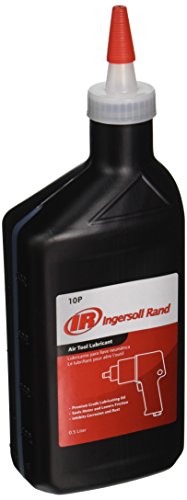
Ingersoll Rand 10P Edge Series Premium Air Tool
|
9.2/10 | Buy |
| Best Premium |
 Mag 1 Air Compressor Oil 1 Gallon (Pack of 1)
|
9.2/10 | Buy |
| Best Budget |
 TRIAX Kompressor ISO 46 SAE 20, Full Synthetic
|
9.1/10 | Buy |
 Milton 1002 High Performance Conventional Air
|
8.8/10 | Buy | |
 TRIAX Kompressor ISO 46 SAE 20, Full Synthetic
|
8.8/10 | Buy | |
 Campbell Hausfeld ST1253 Air Compressor Oil
|
8.6/10 | Buy | |
| Best Value |
 TRIAX Kompressor ISO 68, Full Synthetic
|
8.6/10 | Buy |
 Ingersoll Rand All Season Select Synthetic Air
|
8.6/10 | Buy | |
 Milton 1002-32 High Performance Conventional Air
|
8.4/10 | Buy | |
 3-IN-ONE Professional Grade Pneumatic Tool Oil
|
8.0/10 | Buy |
Essential Guidelines on What Oil to Use in an Air Compressor
Selecting the correct lubricant for an air compressor crankcase directly determines pump longevity, valve cleanliness, and overall compression efficiency. Many compressor owners mistakenly assume that standard automotive motor oil will work inside a reciprocating pump crankcase. In reality, compressor pumps operate under unique thermodynamic pressures that turn standard automotive additives into severe mechanical liabilities. Knowing precisely what oil to use on air compressor systems prevents premature pump failure and ensures consistent air delivery across demanding pneumatic tasks.
Non-Detergent Formulations Versus Standard Motor Oil
The primary rule for reciprocating air compressor crankcases is to use non-detergent oil. Automotive motor oils contain detergent additive packages designed to hold soot and carbon particles in suspension until the oil passes through an automotive filter. Reciprocating air compressor pumps do not have pressurized oil pumps or filters to trap suspended particles. In a splash-lubricated compressor crankcase, detergent additives keep metal shavings, dust, and moisture suspended in the oil bath, constantly circulating abrasive contaminants across connecting rod bearings and cylinder walls.
Detergent packages also break down rapidly under the intense thermal stress of air compression. When air is compressed rapidly, discharge valve temperatures often exceed three hundred degrees Fahrenheit. Automotive detergents break down under this extreme localized heat, leaving heavy carbon deposits on reed valves, valve plates, and piston crowns. These hard carbon accumulations prevent the reed valves from seating properly, which causes valve leakage, extended pump run times, and severe thermal degradation.
Dedicated compressor lubricants allow wear debris and condensed water droplets to drop harmlessly to the bottom of the crankcase sump, away from the splash dippers. Products like Milton 1002 High Performance Conventional Air Compressor Oil and Campbell Hausfeld ST1253 Air Compressor Oil are specifically formulated without detergents to prevent foaming and carbon buildup. Non-detergent formulations ensure that the mechanical splash dippers strike liquid oil rather than aerated froth, maintaining an unbroken protective fluid film across critical high-friction contact points.
Viscosity Grades: ISO 46, ISO 68, and ISO 100 Explained
Understanding industrial viscosity ratings is essential when matching lubricant to your pump operating environment. Compressor oils are typically categorized using International Organization for Standardization (ISO) viscosity grades, which reflect kinematic viscosity measured at forty degrees Celsius. In automotive terms, ISO 46 roughly corresponds to an SAE 20 weight oil, ISO 68 represents an intermediate SAE 20W-30 weight, and ISO 100 corresponds to a traditional SAE 30 weight oil. Single-stage and two-stage reciprocating piston pumps commonly specify an ISO 100 SAE 30W lubricant for standard workshop ambient temperatures between forty and one hundred degrees Fahrenheit.
Conventional 30 weight compressor oils, such as Campbell Hausfeld ST1253 or Milton 1002, deliver stable hydrodynamic lubrication when ambient garage temperatures remain mild. However, when workshop temperatures drop near freezing, a heavy ISO 100 mineral oil thickens significantly, creating immense drag against the pump crankshaft during cold motor startup. This mechanical resistance forces the electric motor to draw excessive inrush current, which can trip standard fifteen-amp or twenty-amp household circuit breakers before the pump reaches operating speed. Under sustained cold-weather conditions, shifting to a lower viscosity grade like ISO 68 or an all-season multi-viscosity formulation keeps starting resistance within safe electrical limits.
Advanced commercial lubricants, such as TRIAX Kompressor ISO 46 SAE 20 and TRIAX Kompressor ISO 68, use synthetic base oils engineered for all-season stability. These multi-viscosity industrial fluids are formulated to maintain fluid pumpability in extreme freezing environments down to sub-zero temperatures while maintaining high shear stability when cylinder temperatures surge under heavy loads. Choosing the appropriate viscosity grade therefore requires balancing your local climate extremes with the manufacturer recommendations found in your compressor pump documentation.
Synthetic Compressor Lubricants Versus Conventional Mineral Oils
Choosing between conventional mineral oil and full synthetic compressor lubricant depends on pump workload, duty cycle demands, and maintenance preferences. Petroleum-based conventional oils, like Mag 1 Air Compressor Oil or Milton 1002-32, provide reliable boundary lubrication for intermittent residential use and basic DIY tasks. They utilize refined mineral stocks enriched with rust inhibitors, anti-foam agents, and demulsifiers to protect cast-iron cylinders during typical homeowner maintenance cycles. However, mineral oils oxidize and degrade more rapidly under continuous industrial heat, generally requiring oil changes every two hundred to three hundred operating hours.
Full synthetic lubricants provide substantial performance advantages for high-demand garage setups and commercial production shops. Synthetic formulations feature uniform molecular structures that resist thermal breakdown, volatile vaporization, and oxidative thickening far better than petroleum stocks. Ingersoll Rand All Season Select Synthetic Air Compressor Lubricant is specifically formulated for reciprocating compressors subjected to continuous duty cycles. This factory OEM lubricant is formulated to hold viscosity through both cold winter starts and intense summer operating heat, significantly reducing carbon varnish on internal valves and extending service intervals up to four times longer than standard petroleum lubricants.
For workshop owners operating heavy equipment such as Ingersoll Rand workshop compressors, synthetic fluids reduce operating temperatures and minimize downtime. Synthetics also produce significantly lower oil carryover into the compressed air line, protecting downstream filtration systems, pneumatic hoses, and spray guns from aerosolized oil contamination. While synthetic fluids carry a slightly higher upfront investment, the extended drain intervals, reduced carbon deposits, and superior bearing protection offer substantial value for heavy-duty pneumatic systems.
Critical Difference Between Compressor Crankcase Oil and Air Tool Oil
A frequent and damaging error among workshop owners is confusing compressor pump crankcase oil with pneumatic air tool oil. While both fluids are classified as pneumatic lubricants, their chemical formulas and mechanical roles are completely different. Air compressor crankcase oil is a high-viscosity, non-detergent machine lubricant designed to withstand severe mechanical compression heat, high bearing pressures, and continuous splash agitation inside an enclosed metal sump. Pouring lightweight air tool oil into a compressor pump crankcase will cause rapid thermal breakdown, violent metal-to-metal contact, and catastrophic pump seizure within minutes.
Pneumatic air tool oils, such as Ingersoll Rand 10P Edge Series Premium Air Tool Oil and 3-IN-ONE Professional Grade Pneumatic Tool Oil, are very light lubricants engineered specifically for downstream air motors. These products are introduced directly into tool air inlets or through in-line lubricators to coat high-speed rotary vanes, pistons, and ratcheting mechanisms. Tool oils contain active solvent agents to dissolve sticky gum, sludge, and calcium deposits carried by moisture-laden air lines, along with specialized emulsifiers to strip away condensation inside the tool body.
Because pneumatic tool oils contain solvents and water-emulsifying chemicals, using them in a compressor pump crankcase would destroy the lubricant film needed by heavy connecting rods and wrist pins. Crankcase oil must separate water out completely, whereas tool oil is designed to bond with moisture so it exhausts harmlessly out of the tool port. Always store your pneumatic tool oils and crankcase compressor oils in distinctly marked containers to avoid accidental cross-contamination in the shop.
Rotary Screw and Vane Versus Reciprocating Piston Demands
Pump mechanism architecture also dictates lubricant selection. Reciprocating piston compressors rely on splash lubrication, where small metal dippers attached to the connecting rods strike the oil surface to splash droplets onto cylinder walls, wrist pins, and main bearings. In contrast, rotary screw and rotary vane compressors inject oil directly into the compression chamber under pressure to seal the precision clearances between interlocking helical rotors. The oil in a rotary screw unit absorbs the immense heat of continuous compression, lubricates the precision roller bearings, and seals the compression chamber simultaneously.
Rotary screw systems require specialized lubricants with exceptional demulsibility, anti-foaming properties, and rapid air release characteristics. High-performance multi-viscosity fluids like TRIAX Kompressor ISO 46 and TRIAX Kompressor ISO 68 are specifically formulated for rotary screw, rotary vane, and reciprocating systems operating in commercial settings. These synthetic fluids resist the severe mechanical shearing generated by high-speed helical screws while preventing sludge formation inside oil separators and intercoolers. When operating continuous-demand pneumatic tools, consulting an air compressor CFM sizing guide ensures your pump output matches tool demand without driving the machine into extreme thermal overload.
Using a standard conventional reciprocating oil in a continuous-duty rotary screw compressor can quickly destroy the oil separator filter and cause severe oil foaming. Foaming oil cannot form an effective hydraulic seal between rotating screw lobes, resulting in rapid pressure loss and severe thermal shutdowns. Always verify that any replacement fluid carries explicit manufacturer suitability for your specific pump configuration before adding it to the reservoir.
Step-by-Step Oil Inspection and Changing Procedure
Maintaining proper crankcase lubrication requires regular visual inspections and timely oil changes. Before checking the oil level, always shut off the power switch, unplug the compressor from the electrical outlet, and pull the ASME safety relief valve ring to ensure the air storage tank is completely depressurized. Allow the compressor to sit on a level surface for several minutes so the lubricant can drain down from internal cylinder walls into the bottom crankcase sump. Inspect the sight glass window located at the base of the pump, or remove the dipstick if your model uses one.
The oil level should sit squarely in the center of the sight glass, often indicated by a distinct red circle, or between the upper and lower marks on the dipstick. Overfilling the crankcase is just as damaging as underfilling, as excess oil causes the splash dippers to whip air into the fluid, generating foam and forcing excess oil past the piston rings into the compressed air supply. When performing an oil change, running the compressor for two to three minutes prior to draining helps warm the fluid, allowing suspended particles and thick oil to flow out freely through the bottom drain port.
Place a clean catch container beneath the crankcase drain plug, remove the fill plug or breather cap to promote smooth venting, and unthread the drain plug completely. Once all used oil has drained, clean the magnetic drain plug to remove fine metallic wear particles before reinstalling and tightening it securely. Pour fresh, non-detergent compressor oil into the top fill port using a narrow funnel until the level reaches the exact center of the sight glass. Reinstall the breather cap securely and wipe down the exterior pump casing before restarting the machine.
Moisture Emulsification and Sump Maintenance Intervals
One of the most common issues observed during sight glass inspections is milky or cloudy oil. This milky appearance indicates moisture emulsification, which occurs when atmospheric humidity condenses inside the crankcase during cool-down cycles. If a compressor is only run for brief thirty-second intervals to inflate a bicycle tire or top off car tires, the pump never reaches its normal operating temperature of one hundred eighty degrees Fahrenheit. Without sufficient operational heat, condensed water cannot vaporize and vent through the crankcase breather, causing the oil and water to churn into a thick emulsion that provides poor lubrication.
If your sight glass shows a frothy, milky mixture, the oil must be drained and replaced immediately to prevent bearing corrosion and cylinder pitting. For newly purchased compressors, manufacturers typically specify an initial break-in oil change after the first eight to ten hours of operational runtime to flush out manufacturing residues and initial wear particles. Following the break-in interval, conventional petroleum oils like Campbell Hausfeld ST1253 or Milton 1002 should generally be replaced every two hundred operating hours or every three to six months, whichever comes first.
High-grade synthetic lubricants, such as Ingersoll Rand All Season Select, can often operate for five hundred to one thousand hours under standard reciprocating duty cycles, provided the oil remains clean and free of water contamination. Regularly monitoring your oil level through the sight glass, draining tank condensation daily, and matching your lubricant choice to workshop operating temperatures ensures your air compressor delivers reliable pneumatic power for years of trouble-free service.
About the author
Kenny Koehler is a power-tool specialist with more than a decade of hands-on evaluation experience and a science-based approach to product testing. His expertise in repeatable testing, tool performance, impact wrenches, and professional equipment brings a practical, data-focused perspective to compressor and pneumatic-tool comparisons.