
Is Air Tool Oil the Same as Compressor Oil: Practical Guide for 2026
Learn why is air tool oil the same as compressor oil matters for pneumatic tool life and pump protection in our October 2026 workshop lubricant guide.
 By Glenda Taylor
Updated October 8, 2026
By Glenda Taylor
Updated October 8, 2026
Air compressor operators and pneumatic tool owners frequently encounter confusion when stocking lubricants for their workshop equipment. Pneumatic systems rely on clean, pressurized air to drive everything from impact wrenches to framing nailers, but maintaining performance across different types of tools that run on compressed air requires using the correct lubricants in the right locations. A common question among workshop mechanics and DIY enthusiasts is whether is air tool oil the same as compressor oil, especially when both bottles sit on the same garage shelf. While both fluids protect pneumatic hardware against premature mechanical wear, their chemical formulations, viscosities, and operating duties are completely different.
Compressor pumps generate intense heat and mechanical pressure inside an enclosed crankcase, requiring heavy, non-detergent oils that resist thermal breakdown. In contrast, pneumatic hand tools experience high-speed air velocity, rapid expansion cooling, and continuous exposure to line moisture, demanding lightweight lubricants that atomize smoothly without gumming up delicate internal vanes. Using the wrong fluid in either application can cause sluggish tool speeds, blown O-rings, or catastrophic pump motor failure. Understanding how these specialized lubricants function ensures your compressed air equipment operates reliably under demanding shop workloads.
| Award | Product | ACR Score About ACR ScoreThe ACR Score is our own rating from 0 to 10, based on performance, design and build, ease of use, and value. It reflects independent research and is never influenced by manufacturers, retailers, or affiliate commissions. Learn more › | |
|---|---|---|---|
| Best Overall |
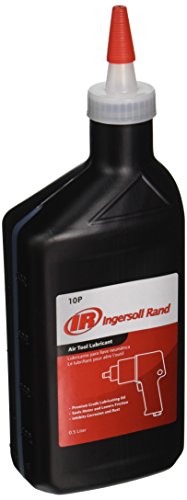
Ingersoll Rand 10P Air Tool Oil, 1 Pint
|
9.2/10 | Buy |
| Best Premium |
 Mag 1 1-Gallon Air Compressor Oil
|
9.2/10 | Buy |
| Best Value |
 Triax Kompressor ISO 46 SAE 20 Full Synthetic Air
|
9.1/10 | Buy |
 Milton 1001 High Performance Air Tool Oil
|
9.1/10 | Buy | |
| Best Budget |
 MASITE PCWJ 1/4-Inch NPT In-Line Oiler (2-Pack)
|
8.9/10 | Buy |
 Lucas Oil 10216 Air Tool Lubricant & Tool Box
|
8.8/10 | Buy | |
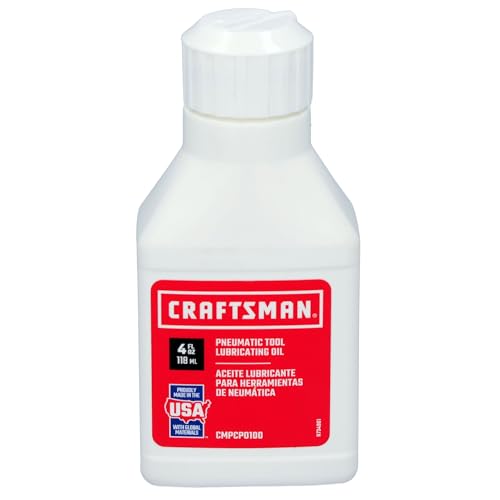 CRAFTSMAN CMPCPO100 Air Tool Oil, 4 oz
|
8.6/10 | Buy | |
 TRIAX Kompressor ISO 68 Full Synthetic Air
|
8.6/10 | Buy | |
 Ingersoll Rand All Season Select Lubricant, 1L
|
8.6/10 | Buy | |
 Milton 1001-4 High Performance Air Tool Oil
|
8.4/10 | Buy |
Ingersoll Rand 10P Air Tool Oil, 1 Pint
Formulated for pneumatic equipment upkeep, the Ingersoll Rand 10P delivers premium-grade lubrication in a compact one-pint container. It serves as a dependable fluid for mechanics and workshops focused on extending the service life of air-powered tools.
Pros
- Formulated specifically for pneumatic mechanisms
- Compact and easily portable 1-pint bottle
- Lightweight design under one pound
- Official Ingersoll Rand Edge Series lubricant
Cons
- One-pint volume may run out quickly in high-volume shops
- Single-purpose lubricant restricted to pneumatic tool use
Mag 1 1-Gallon Air Compressor Oil
Formulated for reliable workshop maintenance, Mag 1 Air Compressor Oil uses refined petroleum base stocks paired with anti-foam additives to maintain stable lubrication. The generous one-gallon volume makes it a practical choice for keeping reciprocating or stationary compressors running smoothly over time.
Pros
- Anti-foam additives maintain steady lubrication
- Refined petroleum stocks promote smooth operation
- Formula helps extend compressor service life
- Generous 1-gallon volume handles multiple refills
Cons
- Jug weighs 7.25 pounds and can be heavy to pour
- One-gallon size may exceed small top-off needs
Triax Kompressor ISO 46 SAE 20 Full Synthetic Air
Triax Kompressor ISO 46 SAE 20 is a commercial-grade, full synthetic non-detergent compressor oil engineered for oil-lubricated reciprocating, rotary screw, and vane pumps operating in temperatures from -49°F to over 140°F. It provides exceptional thermal protection and extended component life for garage mechanics and shop owners maintaining heavy-duty pneumatic systems.
Pros
- Extreme all-weather operating range from -49°F to 140°F+ prevents cold-start motor stalling and high-heat viscosity breakdown
- Non-detergent full synthetic formula protects internal bearings and provides up to 20,000 hours of service longevity
- Lowers operating pump temperatures by 30% and actively sheds condensation to prevent internal crankcase rust
- Compatible with oil-lubricated reciprocating, rotary screw, and rotary vane compressor pumps from major manufacturers
Cons
- Not suitable for oil-free or maintenance-free dual-piston compressor designs that do not use crankcase oil
- Explicitly prohibited for use in breathing air systems, oxygen compressors, or liquid natural gas (LNG) units
- Single-quart volume may require purchasing multiple bottles for larger stationary 60-gallon or 80-gallon shop pump crankcases
Milton 1001 High Performance Air Tool Oil
Milton 1001 is a conventional SAE 10W ISO-32 pneumatic tool lubricant in an economical 1-gallon jug designed for high-volume workshops and automated lubricators. It helps protect internal air tool vanes, seals, and cylinders from friction and moisture, making it a smart maintenance supply for mechanics, woodworkers, and contractors.
Pros
- Economical 1-gallon bulk size lowers maintenance costs for busy commercial garages and woodshops
- SAE 10W ISO-32 viscosity rating ensures smooth flow through automated inline lubricators and tool ports
- Specially formulated to lubricate internal air motor components without deteriorating sensitive rubber seals
- Manufactured in the United States with dependable consistency and quality control
Cons
- Large 1-gallon jug requires decanting into a smaller precision dropper bottle for daily bench use
- Formulated specifically for pneumatic air tools and lubricators, not for air compressor pump crankcases
- Does not include an integrated pour spout or dispensing pump on the bottle
MASITE PCWJ 1/4-Inch NPT In-Line Oiler (2-Pack)
Pneumatic tools require consistent lubrication to prevent internal wear, and these compact in-line lubricators automate oil delivery directly through standard 1/4-inch NPT connections. The transparent body lets operators quickly verify fluid levels without interrupting workflow.
Pros
- Transparent housing allows clear fluid level monitoring
- Compact 58mm profile fits into restricted spaces
- Universal 1/4-inch NPT threading fits standard air lines
- Solid brass fittings offer durable long-term service
Cons
- Small reservoir capacity requires frequent manual refills
- Direct inline connection adds rigid length to air tools
- Incompatible with larger diameter air lines without adapters
Lucas Oil 10216 Air Tool Lubricant & Tool Box
Lucas Oil 10216 Air Tool Lubricant is a 16-ounce pneumatic maintenance fluid formulated to protect internal tool mechanisms, displace moisture, and condition O-rings. It provides dependable, cost-effective care for DIYers, carpenters, and mechanics running air nailers, impact wrenches, and ratchets.
Pros
- Generous 16-ounce pint container offers a long-lasting supply for daily pneumatic tool maintenance
- Helps protect internal pneumatic tool vanes, bearings, and O-rings against line moisture and friction
- Versatile formula doubles as an effective general utility lubricant for shop hardware and sticky mechanisms
- Formulated by a reputable lubrication brand known for dependable automotive and workshop fluid products
Cons
- Requires manual application into air tool inlets before work sessions unless an inline lubricator is installed
- Not intended for use as an air compressor pump crankcase oil; formulated strictly for air tools and utility lubrication
- Standard pint bottle may require a separate needle-nose dropper for mess-free oiling of compact finish nailer inlets
CRAFTSMAN CMPCPO100 Air Tool Oil, 4 oz
Routine lubrication keeps pneumatic equipment running smoothly, and this CRAFTSMAN formula protects internal components while guarding against rust. The compact four-ounce bottle suits home mechanics and workshop hobbyists seeking hassle-free tool maintenance.
Pros
- Prevents rust formation inside pneumatic mechanisms
- Protects moving parts to prolong tool life
- Universal compatibility across all air tools
- Compact bottle size fits easily in toolboxes
Cons
- Small 4-ounce volume depletes quickly with frequent use
- Bottle capacity is undersized for high-volume commercial workshops
TRIAX Kompressor ISO 68 Full Synthetic Air
TRIAX Kompressor ISO 68 is a commercial-grade, full synthetic compressor lubricant engineered for oil-lubricated reciprocating, rotary screw, and vane pumps operating between -49°F and 140°F+. It is an excellent maintenance solution for auto mechanics, shop owners, and contractors seeking lower pump operating temperatures and up to 20,000 hours of service life.
Pros
- Extended 20,000-hour service life minimizes routine maintenance intervals on high-demand shop compressors
- All-season stability from -49°F to 140°F+ prevents cold-morning motor drag and high-heat viscosity breakdown
- Non-detergent formulation separates condensation cleanly to safeguard internal crankcase bearings
- Broad compatibility across major reciprocating, rotary screw, and rotary vane compressor manufacturers
Cons
- Not suitable for maintenance-free oil-free compressor designs or oxygen and Liquid Natural Gas (LNG) systems
- One-gallon container size exceeds the immediate refill capacity of small single-stage DIY splash-lube pumps
Ingersoll Rand All Season Select Lubricant, 1L
Engineered as an all-weather OEM fluid, this synthetic lubricant protects reciprocating compressors during continuous duty while resisting carbon buildup on critical valves. It is a solid pick for equipment owners who want fewer oil changes and reliable year-round operation.
Pros
- Maintains stable viscosity in hot and cold seasons
- Lasts four times longer than petroleum oil
- Keeps valves and rings free of carbon deposits
- Protects bearings under continuous duty cycles
Cons
- Formulated specifically for reciprocating compressor systems
- One-liter bottle requires buying multiples for large pumps
Milton 1001-4 High Performance Air Tool Oil
Milton 1001-4 High Performance Air Tool Oil is a dedicated SAE 10W, ISO 32 pneumatic lubricant engineered to reduce corrosion, prevent sludge deposits, and extend internal motor life. It is an affordable maintenance essential for DIYers, trim carpenters, and mechanics running air nailers, ratchets, and impact tools.
Pros
- Formulated specifically for pneumatic tools with SAE 10W and ISO 32 viscosity for proper atomization and valve clearance
- Helps protect against moisture-induced corrosion caused by compressed air lines
- Inhibits gummy sludge and varnish deposits that degrade air tool performance
- Convenient 4-ounce size is easy to store in portable nailer cases or mobile toolboxes
- Manufactured in the United States by an established pneumatic equipment brand
Cons
- Compact 4-ounce volume may deplete quickly in busy multi-bay automotive shops or high-production framing crews
- Standard bottle spout may require careful pouring or a needle applicator for deeply recessed pneumatic air inlets
- Formulated strictly for pneumatic air tool lubrication and cannot be used as compressor pump crankcase oil
The Differences Between Air Tool Oil and Compressor Oil
Pneumatic machinery requires specialized lubrication to maintain efficiency, prevent friction wear, and ensure dependable operation under load. The short answer to whether these fluids are interchangeable is an emphatic no, as air tool oil and compressor oil serve entirely different mechanical systems with incompatible physical requirements. Confusing the two products risks serious equipment damage, ranging from stalled pneumatic vanes to complete crankcase seizure on an expensive compressor pump. Exploring their mechanical roles, viscosity ratings, additive formulations, and maintenance protocols reveals why keeping both dedicated lubricants on hand is essential for any workshop.
Distinct Mechanical Roles: Sump Lubrication vs. Airflow Mist
Air compressor pumps and pneumatic handheld tools operate in fundamentally different environments. An oil-lubricated compressor pump features a sealed crankcase where pistons, connecting rods, and crankshaft bearings spin continuously in an oil bath. This oil must withstand extreme heat generated during air compression, often reaching temperatures well above normal ambient conditions. Its primary role is to seal piston rings against cylinder walls, lubricate crankshaft journals, and absorb mechanical friction without evaporating or forming carbon deposits on cylinder valves.
Handheld air tools operate under opposite thermodynamic conditions. As pressurized air enters an impact wrench, pneumatic ratchet, or die grinder, it expands rapidly across a miniature rotary motor or reciprocating piston. This rapid air expansion causes immediate cooling rather than heating, often carrying ambient moisture through the lines. Air tool oil is introduced directly into the air stream, where it must atomize instantly into a fine mist to coat rotating vanes, cylinder sleeves, and synthetic seals before venting through the exhaust port.
Viscosity Differences: Why Fluid Thickness Dictates Performance
Viscosity measures fluid resistance to flow, and the viscosity gap between these two oils is substantial. Air compressor pump oils are typically formulated at heavier weights, most commonly ISO 68 or ISO 100, which corresponds roughly to SAE 20 or SAE 30 non-detergent engine oil weights. Some modern synthetic formulas, such as TRIAX Kompressor ISO 46 or multi-viscosity blends, offer broader operating ranges while maintaining sufficient hydrodynamic film strength to support heavy crankshaft loads. This heavier body creates an effective liquid seal around compression rings, preventing pressurized air from leaking into the crankcase sump.
Air tool oils feature a much thinner formulation, generally rated at ISO 22 or ISO 32, equivalent to roughly SAE 5W or SAE 10W. Products such as Milton 1001 High Performance Air Tool Oil utilize an SAE 10W ISO 32 specification because thin oil flows rapidly into tight mechanical tolerances. If an oil is too viscous, it cannot penetrate between the delicate rotor slots and sliding composite vanes of high-RPM tools. Lighter viscosity also prevents high drag resistance, allowing air motors to spin freely and deliver their rated torque without wasting pneumatic energy.
Chemical Additives: Detergents, Demulsifiers, and Moisture Protection
The additive packages engineered into these lubricants reflect their specific operational challenges. Compressor pump oils are strictly non-detergent formulations designed to separate water rather than suspend it. Because air compression condenses atmospheric humidity inside the pump, compressor oils contain demulsifying agents that allow water droplets to drop to the bottom of the sump where they can be drained. Standard automotive detergents would suspend this moisture and dirt, turning the oil into an abrasive milky sludge that ruins bearings and plates high-temperature valves with carbon crust.
Pneumatic tool oils contain specialized rust inhibitors, emulsifiers, and elastomer conditioners. Because compressed air lines inherently carry condensation directly into the tool body, pneumatic oil must encapsulate micro-droplets of water to prevent corrosion on polished steel components. Furthermore, air tools contain delicate internal rubber O-rings, polyurethane gaskets, and composite vanes that dry out or degrade over time. Lubricants such as Lucas Oil 10216 Tool Box Buddy include seal conditioners that keep synthetic packings pliable while dissolving gummy residue left behind by old compressed air deposits.
What Happens When You Put Compressor Oil in an Air Tool?
Pouring compressor oil into the air inlet of a pneumatic tool creates immediate operational headaches. The high viscosity of pump oil prevents it from atomizing cleanly in the intake airflow, meaning the fluid pools inside the inlet screen instead of dispersing across rotating components. In rotary vane tools like die grinders and impact guns, heavy oil creates viscous drag that bogs down the motor, visibly reducing free speed and output torque. In cold garage environments, thick compressor oil can solidify enough to stick sliding vanes inside their rotor grooves, preventing the tool from starting at all.
When running air tools on portable compressors, line pressure drops and moisture buildup can accelerate internal friction if the pneumatic motor is not lubricated with a low-viscosity formula. Over time, heavy compressor oil will mix with incoming line moisture and atmospheric dust, forming a thick paste inside the tool motor housing. This gummy sludge restricts sensitive throttle valves, causes trigger pins to stick open or closed, and can degrade flexible rubber seals not formulated for heavy industrial lubricants. Cleaning out this gummy accumulation requires completely disassembling the pneumatic tool and soaking internal parts in solvent.
What Happens When You Put Air Tool Oil in a Compressor Pump?
The consequences of adding air tool oil to an air compressor pump crankcase are even more destructive. Because air tool lubricant is formulated at a very low ISO 22 or ISO 32 viscosity, it lacks the hydrodynamic film strength needed to protect reciprocating pump components. Under the extreme compression pressures generated by a cast-iron or aluminum pump cylinder, this thin fluid film collapses under load. The resulting metal-to-metal contact between connecting rod journals, wrist pins, and cylinder sleeves leads to rapid scoring, excessive vibration, and overheating.
Air tool oil also possesses a much lower flash point and poor resistance to high-temperature thermal shear compared to genuine compressor oil. When subjected to the elevated cylinder temperatures of an operating pump, lightweight tool oil will rapidly vaporize and burn against the discharge valve plates. This thermal breakdown produces dangerous carbon crust on reed valves, preventing them from sealing tightly and causing the compressor to lose CFM output. Continued operation with light tool oil will eventually burn off the crankcase fluid level, resulting in catastrophic rod seizure and broken crankshafts.
Can You Use Automotive Engine Oil as an Emergency Substitute?
Many operators wonder if automotive motor oil can serve as a universal substitute when specialized fluids are not on hand. Standard multi-grade automotive engine oils, such as 5W-30 or 10W-30, should never be introduced into a compressor pump crankcase. Automotive motor oils contain heavy concentrations of detergent additives designed to suspend combustion blow-by and carbon particles until the next oil filter change. In a compressor pump without an oil filter, these detergents whip incoming moisture into a permanent emulsion, preventing water separation and accelerating valve carbonization.
Automotive motor oils are equally unsuitable for handheld pneumatic tools. The heavy viscosity of typical multi-grade motor oils produces severe internal drag, causing pneumatic nailers to cycle sluggishly and impact wrenches to lose striking power. Furthermore, the detergent and zinc additives in motor oils can cause internal rubber seals and polyurethane O-rings to swell, soften, or crack prematurely. While non-detergent SAE 30 motor oil is occasionally specified as an emergency pump fluid by some manufacturers, dedicated compressor and tool oils provide far superior protection and longevity.
Specialized Air Tool Lubricants: Formulations and Features
Dedicated pneumatic tool lubricants are designed specifically to balance atomization, corrosion defense, and seal preservation. Formulas like Ingersoll Rand 10P Edge Series Premium Air Tool Oil offer high-grade lubrication tailored for heavy-duty pneumatic impact mechanisms and rotary motors. These fluids remain stable under rapid pressure drops and provide a microscopic protective film that clings to internal surfaces even after tool shutdown. This lingering barrier prevents rust from forming when tools sit in unheated storage boxes or humid service vans between jobs.
Practical packaging and specialized additives make dedicated products indispensable for daily maintenance. Bottles like CRAFTSMAN Air Tool Oil 4 Oz feature narrow applicator spouts that fit directly into standard 1/4-inch industrial couplers without messy spills. Multi-purpose formulations such as Lucas Oil 10216 Tool Box Buddy combine anti-rust defense with cleaning solvents that dissolve gum and varnish while working. For high-volume production facilities, bulk containers like Milton 1001 High Performance Air Tool Oil in gallon jugs ensure an affordable, continuous supply for automated lubricator reservoirs.
Dedicated Compressor Pump Oils: Conventional vs. Full Synthetic
Selecting the right oil for a compressor crankcase depends on pump design, ambient temperature, and duty cycle demands. Conventional mineral-based lubricants, such as Mag 1 Air Compressor Oil, rely on highly refined petroleum base stocks enriched with anti-foam agents to ensure smooth splash lubrication. These oils provide dependable protection for intermittent residential use and light workshop duty where operating hours accumulate slowly. They require regular monitoring and scheduled seasonal oil changes to prevent viscosity breakdown as ambient garage temperatures fluctuate.
Full synthetic compressor lubricants represent a significant upgrade for commercial shops and demanding applications. Formulations like Ingersoll Rand All Season Select Synthetic Air Compressor Lubricant maintain stable viscosity across extreme temperature swings, enabling smooth cold-weather starts without thinning out during continuous summer operation. Industrial-grade synthetic options such as TRIAX Kompressor ISO 46 and ISO 68 offer high load-bearing capacity and thermal stability, resisting carbon formation across extended operating periods. These advanced synthetic oils actively repel moisture, helping protect internal pump bearings against corrosion during extended shutdown periods.
Application Methods: Manual Inlet Oiling vs. In-Line Automatic Lubricators
Applying air tool oil properly is just as important as choosing the correct fluid specification. The most common method for handheld pneumatic tools is manual oiling, which involves placing three to five drops of tool oil directly into the tool air inlet fitting before each work session. After adding oil, reconnecting the air hose and cycling the tool for a few seconds distributes the lubricant across the internal motor components. A clean rag held loosely over the tool exhaust port during this initial cycle catches any excess atomized fluid, keeping your workspace clean.
For production environments or tools that run continuously, automatic in-line lubricators provide consistent protection without manual interruption. Compact accessories such as the Mini In-Line Air Compressor Oiler with 1/4-inch NPT threading install directly between the whip hose and the pneumatic tool. Built with transparent housings for quick visual level checks, these brass lubricators meter a controlled mist of oil into the air stream as compressed air flows through. Air delivery setups often incorporate dedicated feed lines, where selecting dedicated air compressor hoses specifically for lubricated air helps prevent oil residue from contaminating unlubricated paint spraying or tire inflation lines.
Compressor Pump Oil Maintenance and Inspection Procedures
Maintaining the oil level in a stationary or portable compressor pump requires regular visual inspections and scheduled drain intervals. Most oil-lubricated pumps feature a clear sight glass or a threaded dipstick on the lower crankcase body. The oil level should always sit squarely in the center of the sight glass red dot or between the dipstick hatch marks when the pump is turned off and resting on a level surface. Operating a pump with low oil risks severe bearing friction, while overfilling can cause oil foaming and excessive carryover into the compressed air tank.
Periodic oil changes are essential to remove microscopic metal wear particles and accumulated moisture condensation. Following the manufacturer break-in procedure, which typically recommends a complete oil change after the first several hours of initial pump operation, establishes a clean foundation for pump longevity. Subsequent oil changes should be completed according to manufacturer operating hour guidelines or whenever the oil appears milky or dark. Always depressurize the air tank completely, disconnect electrical power, and clean around the drain plug before draining hot oil to maintain a safe and tidy workshop.
Summary Takeaway for Pneumatic System Care
Maintaining a reliable compressed air system comes down to respecting the specific mechanical needs of each tool and component. Air compressor pump oil is engineered to handle extreme cylinder heat, seal compression rings, and protect heavy crankshaft bearings inside an enclosed crankcase. Air tool oil is formulated to flow at low temperatures, atomize cleanly in high-velocity airflow, prevent corrosion from line moisture, and preserve synthetic seals. Keeping both dedicated lubricants labeled and accessible in your workshop guarantees that both your compressor pump and your pneumatic hand tools deliver dependable performance for years to come.
About the author
Glenda Taylor has extensive experience in residential construction, remodeling, home improvement, and tool use. Her practical approach to equipment evaluation focuses on usability, performance, safety, and value—helping DIYers and workshop users make better-informed decisions about compressors and related tools.