
How to Remove Water From Air Compressor Tank: Practical Guide for 2026
Learn how to remove water from air compressor tank systems safely in October 2026 to prevent internal rust and protect pneumatic tools.
 By Kenny Koehler
Updated October 8, 2026
By Kenny Koehler
Updated October 8, 2026
Compressing atmospheric air concentrates ambient moisture inside steel receiver tanks, rapidly creating pools of corrosive condensate that degrade pneumatic equipment. Learning how to remove water from air compressor tank vessels is essential for preserving structural integrity, preventing air tool contamination, and stopping internal oxidation before pinhole leaks develop. When an air pump cycles, ambient water vapor cools and condenses against the colder metal walls of the storage tank, accumulating at the lowest physical point of the reservoir. Understanding proper moisture control through an established guide on how to drain moisture from air compressor systems ensures reliable workshop performance.
Neglecting this daily maintenance task allows water to displace usable air capacity, forcing electric motors to cycle more frequently and increasing electrical heat buildup. Water pooling inside receiver tanks can also migrate down delivery hoses, washing away critical lubrication from pneumatic ratchets, framing nailers, and impact wrenches. Upgrading from stiff factory needle petcocks to flexible braided extensions or electronic auto-drain assemblies makes regular moisture purging an effortless habit. Protecting your pneumatic investment starts with understanding the proper methods for tank drainage, moisture separation, and long-term receiver vessel maintenance.
| Award | Product | ACR Score About ACR ScoreThe ACR Score is our own rating from 0 to 10, based on performance, design and build, ease of use, and value. It reflects independent research and is never influenced by manufacturers, retailers, or affiliate commissions. Learn more › | |
|---|---|---|---|
| Best Overall |
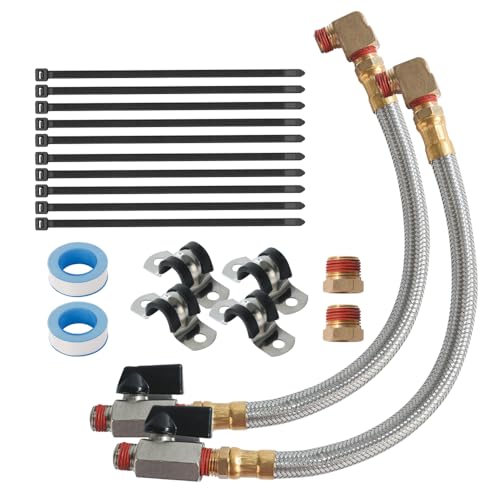
SUNROAD 2-Pack Extended Air Compressor Tank Drain
|
9.1/10 | Buy |
| Best Budget |
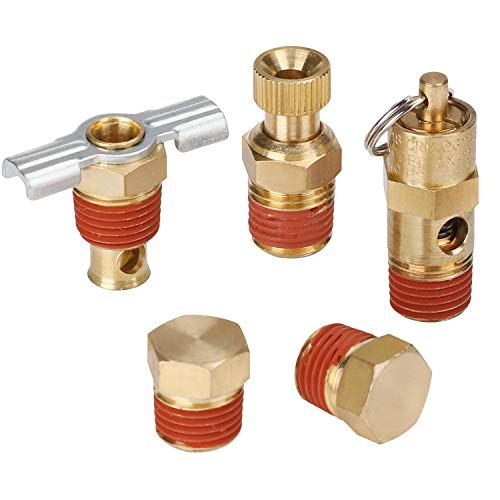 Hromee 5-Piece 1/4-Inch Drain Valve Kit
|
8.9/10 | Buy |
| Best Value |
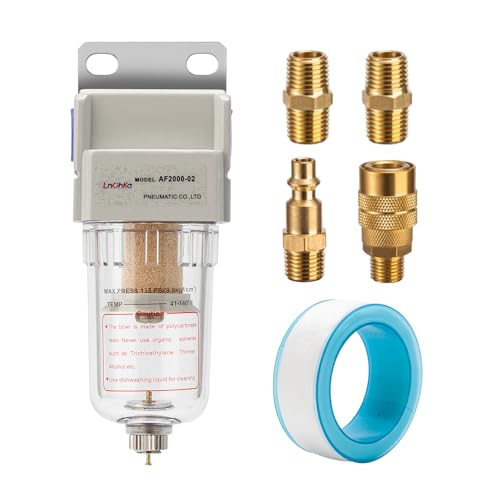 LNCHKA 1/4-Inch NPT Air Compressor Water Separator
|
8.9/10 | Buy |
| Best Premium |
 UNOX Automatic Electronic Air Compressor Drain
|
8.9/10 | Buy |
 CNZG PNEU 1/4-Inch NPT Air Compressor Water Trap
|
8.8/10 | Buy | |
 Hromee Automatic Air Compressor Tank Drain Valve
|
8.6/10 | Buy | |
 SUNROAD 10-Inch Compressor Tank Drain Kit
|
8.3/10 | Buy | |
 SUNROAD Automatic Electronic Air Compressor Tank
|
8.3/10 | Buy | |
 QWORK 1/2-Inch Electronic Drain Valve, 2-Pack
|
8.0/10 | Buy | |
 QWORK 10-Inch Tank Drain Valve Kit
|
7.8/10 | Buy |
SUNROAD 2-Pack Extended Air Compressor Tank Drain
The SUNROAD 2-Pack Extended Tank Drain Valve Kit relocates awkward tank drain ports using a 10-inch braided steel hose rated to 175 PSI and a smooth quarter-turn brass ball valve rated to 300 PSI. It provides DIYers, garage mechanics, and woodworkers with a clean, ergonomic way to purge tank condensation and help protect air receiver vessels from internal rust.
Pros
- Eliminates having to reach or crawl beneath bulky air tanks to turn stiff factory drain screws
- Rugged 10-inch braided steel hose handles up to 175 PSI working pressure and 200 degrees Fahrenheit
- Smooth quarter-turn chrome-plated brass ball valve provides reliable shutoff without leaking air
- Supplied with 3/8-inch adapter bushings, thread seal tape, and vibration-damping mounting clamps
Cons
- Hose working pressure is capped at 175 PSI, making it unsuitable for high-pressure industrial systems operating above that threshold
- Initial installation into tight bottom bungs on low-clearance tanks may require tipping the compressor
- Thread connections require careful wrapping with the included Teflon tape to ensure an airtight seal
Hromee 5-Piece 1/4-Inch Drain Valve Kit
This brass fitting assortment provides essential replacement valves and plugs for routine compressor tank maintenance. It pairs winged and knurled drain petcocks with a 140 PSI safety relief valve for dependable pneumatic management.
Pros
- Solid brass body provides corrosion and heat resistance
- Two petcock styles offer flexible moisture draining options
- Integrated safety valve handles up to 55 SCFM flow
- Stainless steel relief components resist rust over time
Cons
- Requires separate thread sealant for proper sealing
- Safety valve maximum pressure is capped at 140 PSI
- Winged drain handle has a 12-pound torque limit
LNCHKA 1/4-Inch NPT Air Compressor Water Separator
The LNCHKA 1/4-inch NPT air line filter is a compact moisture separator engineered to trap condensation and particulates using a durable 5-micron brass element. Supporting up to 145 PSI and an 18 SCFM flow rate, it is an effective, budget-friendly addition for DIYers and home garage mechanics looking to protect pneumatic tools from water damage.
Pros
- Durable 5-micron porous brass filter element resists corrosion better than paper or plastic cartridges
- Generous 18 SCFM flow capacity easily accommodates common DIY and small-shop pneumatic tools
- Includes brass quick-connect fittings, bracket, and Teflon tape for straightforward installation out of the box
- Transparent polycarbonate bowl provides effortless visual inspection of fluid buildup
Cons
- Polycarbonate bowl can be vulnerable to cracking if exposed to harsh synthetic solvents or chemical fumes
- Manual drain requires proactive monitoring and regular physical purging to prevent water re-entry into the line
- 1/4-inch NPT port size and 18 SCFM rating are not suitable for large multi-operator industrial airline networks
UNOX Automatic Electronic Air Compressor Drain
The UNOX Electronic Drain Valve is a heavy-duty brass timed solenoid assembly engineered to automatically purge tank condensation up to 232 PSI. Featuring adjustable cycle timers, an integrated strainer, and a 6-foot 110/120V power cord, it provides dependable moisture management for garage workshops and busy jobsite compressors.
Pros
- Automates moisture purging to help reduce internal tank corrosion and downstream water in pneumatic air lines
- Solid brass valve body is rated for demanding high-pressure workshop systems up to 232 PSI
- Flexible dual timer controls make it easy to tune purge frequency based on local ambient humidity
- Integrated strainer helps catch rust debris and oily sludge before it can jam the solenoid valve
- Includes both 1/2-inch and 1/4-inch NPT fitting options and a standard 120V grounded power cord
Cons
- Requires an accessible 110/120V electrical outlet located near the base of the compressor receiver tank
- High-pressure moisture discharge can produce a loud hiss that may startle users in quiet residential garages if not plumbed to a catch container
- Not intended for unheated sub-freezing storage environments below 32°F where standing moisture can freeze
CNZG PNEU 1/4-Inch NPT Air Compressor Water Trap
The CNZG PNEU 1/4-inch water trap air line filter (AF2000-02) provides essential inline moisture and debris separation with a 5-micron brass element rated for up to 145 PSI and 27 CFM airflow. It is a practical, budget-friendly add-on for DIYers, finish carpenters, and garage mechanics looking to protect pneumatic tools from water-related wear.
Pros
- 5-micron cleanable brass filter element separates fine line scale and condensed water
- Generous 27 CFM rated capacity easily supports most single-tool woodworking and automotive setups
- Includes mounting bracket hardware and two brass 1/4-inch fittings right in the package
- Compact 5.7-inch height fits easily into tight mobile rigs or compact workshop drops
Cons
- Manual drain requires user attention to regularly purge collected water from the bowl
- Maximum 145 PSI rating makes it unsuitable for high-pressure 175 to 200 PSI industrial shop lines
- Thread specifications list both PT and NPT, requiring proper application of PTFE thread seal tape during assembly
Hromee Automatic Air Compressor Tank Drain Valve
The Hromee Automatic Air Compressor Tank Drain Valve Kit automates moisture removal from pneumatic receiver tanks and filters using an adjustable electronic timer and durable braided steel hose. It is an ideal preventative upgrade for garage hobbyists, woodworkers, and shop owners looking to protect their air equipment from internal rust without manual draining.
Pros
- Fully adjustable cycle and duration timers match purge frequency to workshop humidity levels
- Extensive adapter collection fits common 1/4-inch, 3/8-inch, and 1/2-inch NPT tank drain ports
- Braided steel lead hose provides generous clearance to route moisture away from hard-to-reach petcocks
- Pre-wired 6-foot grounded 110V-120V plug eliminates the need for electrical hardwiring
- IP65 enclosure provides dependable protection against dust and workshop moisture
Cons
- Requires an accessible 110V-120V electrical outlet positioned near the compressor location
- Minimum operating ambient temperature of 32°F makes it unsuitable for unheated sub-freezing shops
- Audible pressurized purge bursts may startle users inside small, quiet residential garages
SUNROAD 10-Inch Compressor Tank Drain Kit
Draining moisture prevents compressor tank rust, and this SUNROAD kit simplifies routine maintenance with a flexible braided steel line and an accessible quarter-turn shutoff. It provides a practical upgrade for standard 1/4-inch and 3/8-inch drain ports operating under 175 PSI.
Pros
- Durable braided steel hose prevents kinks
- Corrosion-resistant chrome-plated brass valve
- Complete installation kit with clamps and tape
- Rubber-coated handle allows easy quarter-turn operation
Cons
- 10-inch hose may be short for large tanks
- Working pressure is limited to 175 PSI
- Requires manual operation after every compressor use
SUNROAD Automatic Electronic Air Compressor Tank
The SUNROAD Automatic Electronic Tank Drain Kit automates compressor moisture maintenance by purging water and oily sludge on an adjustable 0.5-50 minute cycle. Powered by standard 110V-120V current and equipped with an inline isolation ball valve and strainer, it is an essential upgrade for garage mechanics and woodworkers seeking to protect their pressure vessels from internal rust.
Pros
- Automates daily tank draining with easily adjustable cycle interval and purge duration dials
- Built-in ball valve and strainer allow quick isolation and screen cleanout without emptying the air system
- Supplied with a flexible braided stainless steel discharge tube and multiple brass plumbing adapters
- Plugs into standard 110V-120V household wall outlets with an IP65 rated timer enclosure
Cons
- Requires an accessible 110V-120V electrical outlet positioned near the bottom of the compressor tank
- Sudden discharge bursts create a sharp air hiss that can be startling in quiet, enclosed home garages
- Minimum operating ambient temperature of 32°F means condensation can freeze in unheated winter shops
QWORK 1/2-Inch Electronic Drain Valve, 2-Pack
Designed for automated moisture removal in compressed air lines, this dual-pack pairs an integrated ball valve filter with customizable purge cycles. It provides dependable condensation management for air storage tanks across broad temperature extremes.
Pros
- Integrated filter prevents debris from clogging the valve
- Adjustable cycle dials allow tailored condensation purging
- Manual review button enables instant operational checks
- Reliable functionality in extreme cold and hot environments
Cons
- Requires a dedicated 110V AC electrical power source
- Listing notes 50Hz operation instead of standard 60Hz supply
QWORK 10-Inch Tank Drain Valve Kit
This braided steel extension kit simplifies tank draining by relocating hard-to-reach compressor valves. Rated up to 175 PSI and packaged with an adapter, it offers a reliable setup for standard workshop compressors.
Pros
- Corrosion-resistant braided steel construction
- Pre-applied sealant speeds up installation
- Includes adapter for 3/8-inch ports
- Handles up to 175 PSI reliably
Cons
- Fixed 10-inch length restricts mounting flexibility
- Not rated for high-pressure industrial systems
Comprehensive Guide to Removing Air Compressor Tank Moisture
Every pneumatic system produces moisture as a natural consequence of compressing ambient air, making tank purging a mandatory service task rather than an optional chore. Knowing how to remove water from air compressor tank reservoirs safeguards internal steel walls against corrosion while preventing water from ruining paint finishes or damaging pneumatic tools. Whether you rely on factory petcocks, extended ball valve assemblies, or automated electronic drain systems, establishing a consistent purging routine keeps your equipment safe and reliable.
The Mechanical Physics of Tank Condensation
Ambient air contains water vapor that gets drawn directly into the pump cylinders through the intake air filter during normal operation. As the compressor piston compresses atmospheric air to high working pressures between 125 and 175 PSI, the air temperature rises significantly due to thermodynamic compression heat. Once this hot, pressurized air enters the steel receiver tank, it begins to cool toward ambient room temperature. Because cold air cannot hold as much moisture as hot air, the dew point is exceeded, causing water vapor to condense into liquid droplets against the inner tank walls.
Gravity naturally pulls this liquid condensation down to the lowest point of the storage reservoir, forming a pool of corrosive moisture at the tank floor. In humid operating environments, a standard workshop compressor running continuous cycles can generate several ounces of liquid water in a single afternoon. If the compressor uses splash-lubricated oil, fine oil mist can mix with this liquid condensation to create an acidic, milky sludge. Even with modern oil-free air compressor designs, pure water pooling inside untreated carbon steel tanks creates an ideal environment for rapid rust formation.
Structural Risks and Tool Damage from Standing Water
Allowing water to sit inside an air compressor tank creates severe mechanical and safety hazards that worsen over time. Water pooling against raw carbon steel causes internal oxidation that gradually thins the structural walls of the pressure vessel from the inside out. Because this corrosion happens internally, an operator cannot visually inspect the thinning metal without specialized borescopes or ultrasonic thickness gauges. Over several seasons of neglect, weakened tank floors can develop pinhole leaks or, in extreme cases, suffer catastrophic tank ruptures under high pressure.
Standing condensate also robs the compressor of usable air volume buffer, which degrades pneumatic performance during heavy tool demand. When liquid water occupies several gallons of internal space, the compressor must cycle cut-in and cut-out thresholds far more frequently to maintain pressure. This constant cycling increases wear on pressure switch contacts, motor windings, and reed valves while generating excessive motor heat. Furthermore, liquid water pulled into delivery hoses flushes factory grease from air tool cylinders, oxidizes delicate internal vanes, and ruins automotive paint spraying operations with severe surface blistering.
Step-by-Step Manual Tank Draining Procedure
Executing a proper manual tank drain requires following a specific sequence to purge water efficiently without creating safety hazards. First, turn off the compressor electrical switch and disconnect the power cord from the electrical outlet to prevent the motor from cycling automatically. Next, inspect the regulated line pressure gauge and discharge excess air through a blowgun or by lifting the safety relief valve ring until tank pressure drops to roughly 10 to 20 PSI. Draining the tank with moderate residual pressure helps push heavy sludge out of the bottom port without producing dangerous high-velocity debris.
Position a shallow catch pan or thick shop towel directly underneath the lowest point of the tank where the drain port is located. Carefully rotate the drain valve counterclockwise to begin the purge cycle, keeping hands and face clear of the escaping discharge stream. If your unit is a portable pancake or hot dog compressor, gently tilt the machine toward the drain valve port to encourage trapped moisture in tank recesses to flow outward. Allow the air stream to blow through the valve until the discharge transitions from rusty liquid spray to clean, dry air.
Once the tank is completely drained and air stops flowing, rotate the valve clockwise until it forms a tight mechanical seal. Avoid using heavy pliers on delicate brass petcock wings, as excessive torque can snap the threaded fitting or distort the internal rubber O-ring. Inspect the floor beneath the valve for any slow weeping or lingering hisses that might indicate debris trapped on the valve seat. Once verified clean, wipe down the compressor frame and reconnect electrical power only when the machine is ready for its next scheduled operation.
Upgrading to Extended Drain Assemblies for Easy Access
Many factory air compressors ship with diminutive thumb petcocks located directly beneath the tank shell, making daily drainage an awkward, knuckle-scraping ordeal. Because these recessed valves require kneeling on concrete floors and twisting stiff knurled knobs, many owners neglect daily maintenance entirely. Replacing factory petcocks with extended drain assemblies dramatically improves ergonomics and encourages regular maintenance. An extended drain kit typically consists of a quarter-inch NPT brass elbow, a flexible braided stainless steel hose, and an accessible quarter-turn brass ball valve mounted to the compressor leg or outer frame.
Flexible braided steel drain hoses, such as those measuring 10 inches with 1/4-inch NPT threads, are rated for working pressures up to 175 PSI and burst pressures well above 400 PSI. The braided stainless steel outer sheath protects the internal tube from kinks, abrasions, and engine vibration while routing the drain point to the front edge of the tank. Quarter-turn ball valves feature chrome-plated brass construction and rubber-wrapped lever handles that open fully with a simple 90-degree twist. Installing these assemblies with proper thread seal tape ensures a leak-free upgrade that transforms a difficult chore into a quick five-second task.
Automating Drainage with Electronic Solenoid Valves
Automated electronic drain valves provide a hands-off solution for busy workshops, industrial setups, and stationary garage compressors. These devices combine a heavy-duty brass solenoid valve with a solid-state electronic timer powered by a standard 110-volt or 120-volt electrical plug. The electronic timer features two adjustable dials: an interval timer (OFF state) adjustable from 30 seconds up to 45 or 50 minutes, and a discharge duration timer (ON state) adjustable from 0.5 to 10 seconds. When the timer triggers, the solenoid snaps open, allowing tank pressure to blast accumulated condensate out through an exhaust tube.
Reliable automatic drain systems incorporate IP65-rated water-resistant timer housings and built-in strainer ball valves to prevent clogging from scale and rust particles. The integrated ball valve strainer allows operators to isolate air pressure and clean the internal mesh screen without having to depressurize the main receiver vessel. Setting the timer to open for two to three seconds every thirty minutes ensures continuous moisture purging during heavy air tool operation. Incorporating an automatic drain protects downstream equipment automatically, ensuring that human forgetfulness never results in waterlogged air delivery systems.
Integrating Downstream Water Separators and Filter Traps
While purging the receiver tank removes bulk pooled liquid, it does not stop microscopic vapor from traveling downstream through workshop air lines. Air exiting the tank receiver remains saturated with humidity that continues to condense inside delivery hoses as the air cools further. Installing a 1/4-inch NPT in-line moisture separator directly after the tank regulator captures this residual water before it reaches pneumatic tools. Quality point-of-use filter traps utilize 5-micron sintered brass filter elements housed inside durable polycarbonate bowls, effectively stripping water droplets, pipe scale, and particulate matter from the air stream.
These in-line filters handle operating airflows around 18 to 27 CFM at working pressures up to 145 PSI, making them ideal companions for home workshops and automotive service bays. Transparent filter bowls allow operators to monitor water levels visually and discharge collected moisture using manual push drains or semi-automatic float valves. For critical applications such as automotive painting or plasma cutting, pairing a tank drain system with downstream water traps creates a dual-stage moisture barrier. This combination guarantees dry, clean air delivery, preventing costly finish defects and extending the operational lifespan of expensive pneumatic tools.
Drainage Scheduling and Operating Environments
Determining how frequently you should drain your compressor tank depends largely on duty cycle, ambient humidity, and workshop air demand. For professional production environments, body shops, and jobsite framing operations running continuous cycles, draining the tank at the end of every working shift is mandatory. In high-humidity coastal or summer conditions, purging the receiver twice daily or installing automated timed solenoid valves prevents rapid water pooling. Selecting the right maintenance cycle is just as vital as choosing the correct capacity, as detailed in our comprehensive air compressor tank sizing guide for workshop planning.
Occasional DIYers and weekend hobbyists who use compressors only for tire inflation or light brad nailing should still drain the tank after every single project session. Leaving pressurized air and standing water inside a cold garage over several weeks accelerates internal galvanic oxidation. When storing a compressor for extended periods across winter months, always depressurize the vessel completely and leave the drain valve cracked slightly open. This practice permits internal air circulation and prevents condensation from freezing into solid ice blocks that could crack the bottom drain port or distort the tank structure.
Troubleshooting Clogged, Stuck, or Leaking Drain Valves
Over extended periods of operation, tank drain valves frequently experience mechanical issues caused by rust flakes, metal scale, and dirty condensate. A common symptom is a drain port that fails to release moisture even when the petcock is opened under residual pressure. This blockage occurs when heavy rust sediment bridges the narrow internal orifice of the valve stem. To clear the blockage safely, depressurize the tank completely to zero PSI, remove the drain fitting with a wrench, and clear the port using a stiff wire probe before reinstalling.
Another frequent problem is continuous air leakage around the valve stem or discharge opening after the petcock has been fully tightened. Constant hissing indicates that abrasive rust particles have scored the internal rubber O-ring or wedged beneath the brass valve seat. Replacing worn factory petcocks with high-grade solid brass components or winged drain cocks rated up to 140 PSI restores airtight performance. Always clean the female tank threads thoroughly and apply fresh PTFE thread seal tape before threading new brass fittings into the receiver bung.
Vital Safety Precautions When Servicing Pressurized Tanks
Working around compressed air receivers requires strict adherence to workshop safety protocols to prevent personal injury and equipment damage. Never attempt to loosen or unthread a drain valve, bushing adapter, or pipe plug while the tank holds substantial air pressure. Opening a threaded fitting under 150 PSI can cause the brass part to eject violently like a projectile, stripping threads and causing severe impact injuries. Always verify that both tank pressure and line pressure gauges register zero PSI before applying wrenches to any receiver bung or manifold fitting.
Additionally, always wear certified safety glasses and hearing protection when purging moisture from pressurized vessels. Escaping air jets carry dirty liquid spray, rust particles, and metal debris at high velocity that can cause permanent eye damage or skin abrasions. Periodically test the brass ASME safety relief valve by gently pulling the stainless steel ring under light pressure to verify that internal springs and seats move freely. If an older tank shows external pitting, severe floor rusting, or weeping pinholes, decommission the vessel immediately rather than attempting to weld or patch the pressure vessel.
Maintaining a dry, rust-free air compressor tank is one of the simplest and most effective ways to ensure dependable pneumatic operation. By pairing proper manual purging techniques with accessible ball valve extensions or automated electronic drain kits, you protect your tools and eliminate safety risks. Regular moisture maintenance guarantees clean airflow, preserves structural receiver integrity, and maximizes the service life of your entire compressed air investment.
About the author
Kenny Koehler is a power-tool specialist with more than a decade of hands-on evaluation experience and a science-based approach to product testing. His expertise in repeatable testing, tool performance, impact wrenches, and professional equipment brings a practical, data-focused perspective to compressor and pneumatic-tool comparisons.