
Can I Use Air Tool Oil in My Compressor? What to Know in 2026
Can i use air tool oil in my compressor? Learn the key viscosity differences and pump lubrication risks for your setup in October 2026.
 By Tony Carrick
Updated October 8, 2026
By Tony Carrick
Updated October 8, 2026
Maintaining proper lubrication inside a reciprocating pump crankcase is essential for preventing friction, managing compression heat, and extending cylinder life. Many workshop owners reach for whatever bottle sits on the shelf when the pump oil sight glass drops low, wondering: can i use air tool oil in my compressor? While both fluids serve pneumatic systems, swapping them creates serious mechanical risks that can ruin your pump within hours. Air tool oil and compressor pump oil are engineered for entirely different thermal environments, pressure levels, and mechanical motions.
Using a thin pneumatic tool oil inside an air compressor pump can lead to rapid thermal breakdown, piston ring scuffing, and severe reed valve carbonization. Dedicated compressor pumps require non-detergent ISO 68 or ISO 100 lubricants that resist foaming and withstand the intense heat generated during compression strokes. Pneumatic tools, on the other hand, rely on low-viscosity oils designed to atomize cleanly through air lines and lubricate high-speed motor vanes. Understanding these crucial chemical and operational differences helps protect your pneumatic tools, prevents expensive pump rebuilds, and keeps your entire air delivery system running smoothly.
| Award | Product | ACR Score About ACR ScoreThe ACR Score is our own rating from 0 to 10, based on performance, design and build, ease of use, and value. It reflects independent research and is never influenced by manufacturers, retailers, or affiliate commissions. Learn more › | |
|---|---|---|---|
| Best Overall |
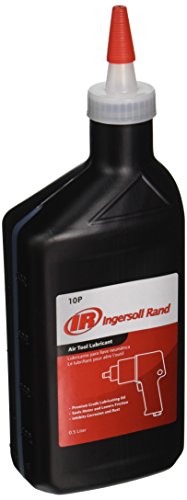
Ingersoll Rand 10P Air Tool Oil, 1 Pint
|
9.2/10 | Buy |
| Best Premium |
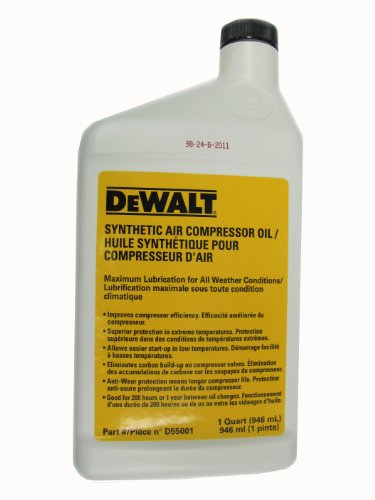 DeWalt D55001 1-Quart Compressor Oil
|
9.1/10 | Buy |
| Best Value |
 MASITE PCWJ 1/4-Inch NPT In-Line Oiler (2-Pack)
|
8.9/10 | Buy |
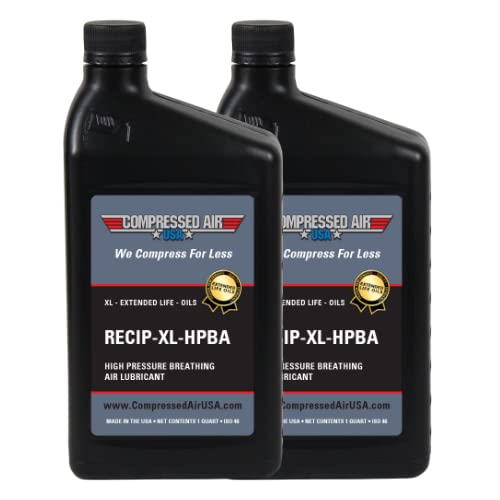 Compressed Air USA Breathing Safe Oil, 2 Quart
|
8.8/10 | Buy | |
| Best Budget |
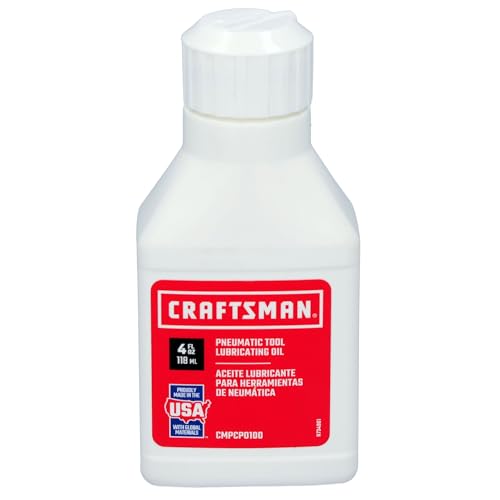 CRAFTSMAN CMPCPO100 Air Tool Oil, 4 oz
|
8.6/10 | Buy |
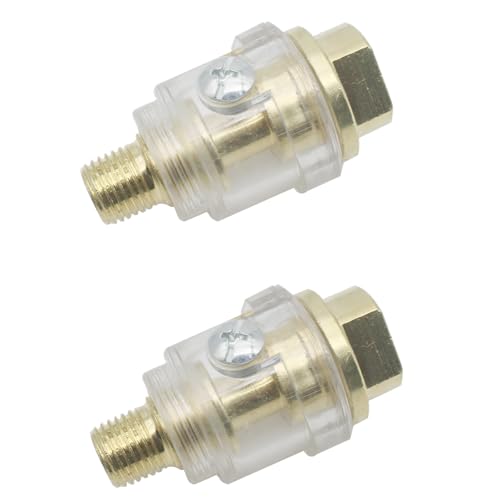 OZXNO 1/4" NPT Mini In-Line Oiler (2-Pack)
|
8.6/10 | Buy | |
 3-IN-ONE Pneumatic Tool Oil, 4 oz
|
8.0/10 | Buy |
Ingersoll Rand 10P Air Tool Oil, 1 Pint
Formulated for pneumatic equipment upkeep, the Ingersoll Rand 10P delivers premium-grade lubrication in a compact one-pint container. It serves as a dependable fluid for mechanics and workshops focused on extending the service life of air-powered tools.
Pros
- Formulated specifically for pneumatic mechanisms
- Compact and easily portable 1-pint bottle
- Lightweight design under one pound
- Official Ingersoll Rand Edge Series lubricant
Cons
- One-pint volume may run out quickly in high-volume shops
- Single-purpose lubricant restricted to pneumatic tool use
DeWalt D55001 1-Quart Compressor Oil
Formulated for regular air compressor maintenance, the DeWalt D55001 comes in a handy one-quart bottle to keep pump components operating smoothly. It is a solid choice for workshops and job sites running oil-lubricated compressors that require dedicated manufacturer-grade fluid.
Pros
- Convenient 1-quart size for routine maintenance
- OEM formulation from an established tool brand
- Compact bottle design stores easily
Cons
- Not applicable for oil-free compressor models
- May require multiple bottles for high-capacity industrial tanks
MASITE PCWJ 1/4-Inch NPT In-Line Oiler (2-Pack)
Pneumatic tools require consistent lubrication to prevent internal wear, and these compact in-line lubricators automate oil delivery directly through standard 1/4-inch NPT connections. The transparent body lets operators quickly verify fluid levels without interrupting workflow.
Pros
- Transparent housing allows clear fluid level monitoring
- Compact 58mm profile fits into restricted spaces
- Universal 1/4-inch NPT threading fits standard air lines
- Solid brass fittings offer durable long-term service
Cons
- Small reservoir capacity requires frequent manual refills
- Direct inline connection adds rigid length to air tools
- Incompatible with larger diameter air lines without adapters
Compressed Air USA Breathing Safe Oil, 2 Quart
Formulated for critical breathing air applications like SCUBA, firefighting, and medical systems, this ISO 100 oil delivers robust wear protection under extreme temperatures and pressures. Its non-toxic composition and high flash point ensure dependable safety for specialized reciprocating compressors.
Pros
- Safe formulation suitable for SCUBA and medical air systems
- High flash and auto-ignition points enhance operational safety
- Resists carbon and varnish buildup under extreme temperatures
- Non-toxic formula provides strong wear and rust protection
Cons
- Restricted to reciprocating units rather than rotary screw systems
- ISO 100 rating unsuitable for low-viscosity compressor setups
CRAFTSMAN CMPCPO100 Air Tool Oil, 4 oz
Routine lubrication keeps pneumatic equipment running smoothly, and this CRAFTSMAN formula protects internal components while guarding against rust. The compact four-ounce bottle suits home mechanics and workshop hobbyists seeking hassle-free tool maintenance.
Pros
- Prevents rust formation inside pneumatic mechanisms
- Protects moving parts to prolong tool life
- Universal compatibility across all air tools
- Compact bottle size fits easily in toolboxes
Cons
- Small 4-ounce volume depletes quickly with frequent use
- Bottle capacity is undersized for high-volume commercial workshops
OZXNO 1/4" NPT Mini In-Line Oiler (2-Pack)
Delivering continuous lubrication directly to pneumatic equipment, these compact oilers help protect internal components from premature wear. A clear reservoir allows quick visual oil checks right at the air inlet.
Pros
- Clear housing enables fast fluid monitoring
- Standard 1/4-inch NPT threads fit most air tools
- Compact footprint adds minimal bulk to setups
- Comes in a practical two-piece set
Cons
- Copper-plated iron instead of solid brass
- Compact oil reservoir requires regular refilling
3-IN-ONE Pneumatic Tool Oil, 4 oz
Designed for automotive, marine, and workshop air tools, this lubricant dissolves sludge, gum, and calcium while repelling moisture. Its squeeze bottle and targeted twist spout make it easy to oil equipment ports without messy spills.
Pros
- Precision twist spout targets small tool ports easily
- Waterproof formula prevents rust under extreme moisture
- Effectively removes sludge, gum, and calcium buildup
- Squeeze bottle allows accurate, mess-free dispensing
Cons
- Small 4-ounce size requires frequent replenishment for high-volume use
Understanding Compressor Pump Lubrication vs. Air Tool Oil
Pouring air tool oil into an air compressor crankcase is a common mistake that leads to severe mechanical damage. Air compressors generate extreme internal temperatures and mechanical pressures during reciprocating compression strokes. These operating conditions demand specialized fluid formulations that differ dramatically from the lubricants fed into pneumatic hand tools. Mixing up these products jeopardizes pump efficiency, accelerates component wear, and creates serious safety hazards.
The Direct Answer: Why Air Tool Oil Must Stay Out of Compressor Pumps
The direct answer to whether you can use air tool oil in a compressor pump is an emphatic no. Air tool oil is specifically formulated for light-duty, dynamic mist lubrication inside downstream pneumatic tools such as impact wrenches, nailers, and die grinders. It possesses a very low viscosity rating that cannot maintain a protective hydrodynamic oil wedge between high-friction pump components. If placed inside an oil-lubricated compressor crankcase, air tool oil shears rapidly under continuous mechanical load.
Reciprocating compressor pumps rely on splash lubrication or pressurized oil passages to coat the crankshaft, connecting rods, wrist pins, and cast-iron cylinder walls. Because air tool oil lacks the film strength needed for these heavy-duty mechanical loads, metal surfaces make direct contact. This direct friction causes rapid cylinder wall scoring, premature piston ring blow-by, and connecting rod journal galling. Within a very short operating window, the pump can overheat, seize, or suffer permanent compression loss.
Pneumatic tool oils often contain chemical solvents, emulsifiers, or rust inhibitors designed to strip away moisture and gummy deposits. Products such as 3-IN-ONE Professional Grade Pneumatic Tool Oil are specifically engineered to dissolve sludge and calcium buildup inside air motors. While that cleaning action is ideal for keeping rotary tool vanes spinning freely, those same dissolving agents attack internal compressor seals and promote aggressive fluid breakdown inside a hot crankcase. The resulting residue quickly clogs narrow oil passages and leaves moving pump components vulnerable to severe friction.
Viscosity Differences Between Compressor Oil and Air Tool Oil
Viscosity represents the single largest physical difference between air compressor crankcase lubricants and pneumatic tool oils. Compressor pumps typically require an ISO 68 or ISO 100 grade lubricant, which roughly correlates to an SAE 20 or SAE 30 non-detergent weight. Dedicated fluids like DEWALT Compressor Oil, 1-Quart (D55001) provide the substantial body needed to cushion heavy reciprocal strokes without thinning out excessively. This heavier body creates an airtight boundary seal between the piston rings and the honed cylinder sleeve.
In contrast, pneumatic tool lubricants such as Ingersoll Rand 10P Edge Series Premium Air Tool or CRAFTSMAN Air Tool Oil, Pneumatic Tool Oil feature an ISO 22 or ISO 32 viscosity rating. This thin formulation corresponds roughly to an SAE 10 weight oil. Manufacturers specify this lightweight oil so that tiny droplets can travel easily through air hoses and lubricate high-RPM air motors without creating viscous drag. If an air tool lubricant were as thick as crankcase oil, the tool vanes would stick and the trigger mechanism would become sluggish.
When an ISO 22 fluid is mistakenly introduced into a reciprocating pump requiring ISO 100 oil, the fluid loses almost all film thickness under normal operating heat. As temperatures rise past standard operating thresholds, the oil thins to the consistency of water. It splashes past the piston rings into the compression chamber, contaminating the discharged air and starving the lower crankcase bearings. This rapid migration leaves the crankshaft journals dry while spewing vaporized oil directly into your storage tank.
Detergents, Additives, and the Threat of Foaming
Chemical additive packages represent another vital distinction that makes air tool oil incompatible with air compressor crankcases. High-quality compressor lubricants are strictly non-detergent formulations engineered to let suspended contaminants settle to the bottom of the crankcase sump. Standard automotive motor oils and many general lubricants contain detergent packages designed to keep soot and particulate matter in continuous suspension. In an air compressor without an automotive-style spin-on oil filter, suspended particles continuously circulate through the rod bearings and scratch precision surfaces.
Pneumatic tool oils also incorporate specialized dispersants and moisture-handling chemicals that prevent condensation from causing internal tool corrosion. These additives react poorly to the continuous churning action of a reciprocating compressor connecting rod dipper. When subjected to rapid splash agitation, detergent and dispersant compounds cause the oil to froth and foam violently. A foamy lubricant consists mostly of entrained air bubbles rather than continuous liquid oil.
Once air compressor oil begins to foam, the pump loses its ability to lubricate critical wear surfaces. Air pockets enter the bearing interfaces instead of solid fluid films, causing metal-to-metal contact and rapid localized overheating. Meanwhile, the expanded foam volume pushes past the oil fill breather cap, making a greasy mess across the compressor pump housing. Oil level indicators become unreliable because frothy oil shows a falsely elevated reading in the sight glass while the pump suffers severe lubrication starvation.
Thermal Breakdown and the Serious Danger of Dieseling
The temperature difference between an operating pneumatic hand tool and an air compressor pump cylinder is dramatic. Air tools actually cool down during operation because compressed air expands rapidly through the tool motor, absorbing heat and dropping internal temperatures. Conversely, air compressor pump heads generate intense thermal energy as ambient air is squeezed into high-pressure storage. Single-stage and two-stage pump heads regularly experience internal compression temperatures exceeding several hundred degrees Fahrenheit.
Because compressor crankcase oils must endure extreme thermal exposure, they are blended with exceptionally high flash points and auto-ignition resistance. Industrial formulations such as Compressed Air USA Breathing Safe Lubricating Oil are specifically designed for high-temperature and high-pressure duty cycles with elevated auto-ignition thresholds to control carbon and varnish formation. These heavy-duty oils resist thermal oxidation and do not crack into flammable vapors under standard operating pressures. Using the correct high-flash-point lubricant preserves valve sealing and protects the integrity of the cylinder head.
Air tool oil has a much lower flash point and evaporates readily under high operating temperatures. When lightweight tool oil migrates past worn rings into the hot compression cylinder, the oil vapor mixes intimately with heated, oxygen-rich compressed air. Under high compression ratios, this air-fuel mixture can spontaneously ignite in a catastrophic phenomenon known as dieseling. Dieseling creates intense pressure spikes that can shatter reed valves, crack valve plates, blow out cylinder head gaskets, and rupture pump castings.
What to Do If Air Tool Oil Was Added to the Crankcase
If you realize that air tool oil was mistakenly poured into your compressor crankcase, do not run the machine. Running the unit for even a few minutes spreads thin fluid across the bearings and risks introducing oil vapor into the tank. If the machine has not been turned on yet, position a clean drain pan beneath the pump, remove the crankcase drain plug, and allow the improper oil to drain out completely. Let the pump sit until every drop of lightweight oil has dripped from the internal surfaces.
If the compressor was run with air tool oil inside, performing a thorough flushing procedure is necessary before resuming normal work. Drain the contaminated fluid completely, then refill the crankcase with proper non-detergent compressor oil up to the center of the sight glass. Run the compressor unpressurized with the tank drain valve open for roughly ten minutes to circulate the fresh fluid and wash away residual lightweight oil. Drain this flushing oil while the pump is warm to remove remaining contaminants, then refill the crankcase with fresh, dedicated compressor oil.
After completing this flush, inspect your discharge manifold and drain the air tank thoroughly to purge any atomized tool oil that migrated past the piston rings. Look for dark residue or burned oil smell around the cylinder head cooling fins and unloader valve port. If the pump shows signs of sticky reed valves or sluggish pressure buildup, the valve plate may require inspection and cleaning to remove carbon deposits left behind by burned oil. Taking these corrective steps promptly helps reverse potential damage before bearing failure occurs.
Can You Put Compressor Pump Oil into Air Tools?
Having established that air tool oil ruins compressor pumps, many operators wonder if the reverse substitution is acceptable. Using thick compressor oil inside a pneumatic nailer, impact wrench, or die grinder is also problematic, though far less dangerous. Compressor oil possesses a relatively high viscosity that is too thick for small pneumatic motors and tight sliding spool valves. Introducing heavy ISO 68 or ISO 100 oil into an air tool inlet creates hydraulic drag that reduces operating power.
High-RPM pneumatic tools rely on fine atomization to lubricate internal rotor vanes and cylinder walls without restricting rotation. When thick compressor oil coats these components, the motor spins noticeably slower, reducing tool torque and increasing air consumption. Over time, heavy oil accumulates inside the motor housing, mixing with incoming dust and airline moisture to form a thick, sticky sludge. This sludge prevents tool vanes from sliding freely out of their rotor slots, leading to intermittent power loss or complete tool stalling.
In cold workshop environments, the problem becomes even more pronounced as heavy oil thickens further. Pneumatic nailers and staplers lubricated with heavy compressor oil frequently experience sluggish trigger valves and driver blade reset failures. The piston driver fails to return quickly between cycles, causing skipped fasteners and damaged workpiece surfaces. While using compressor oil in an emergency for a single drop may not permanently destroy a tool, sticking to dedicated pneumatic tool oil ensures maximum tool speed and responsiveness.
In-Line Oilers and Downstream Lubrication Systems
Pneumatic tools require consistent, metered lubrication to prevent internal corrosion and extend seal life. Applying two to three drops of quality air tool oil directly into the tool male inlet plug before daily use is standard practice for intermittent tools like framing nailers. Continuous-run tools such as dual-action sanders, die grinders, and air ratchets consume lubricant rapidly and benefit significantly from automatic lubrication. Manual oiling on continuous tools often leads to cycles of over-lubrication followed by periods of damaging friction.
Automatic in-line lubricators solve this challenge by introducing a fine, controlled oil mist directly into the compressed airflow. Devices such as the Mini In-Line Air Compressor Oiler and the OZXNO 2 Pcs Automatic Mini install via standard 1/4-inch NPT threading right at the tool inlet. These compact units feature transparent housings that allow operators to monitor oil levels easily and ensure that air tool oil is delivered continuously while the tool operates. Regulating this delivery protects pneumatic vanes from scoring without flooding the exhaust ports.
Crucially, in-line oilers must always be mounted directly at the tool inlet or on a dedicated lubricated air line rather than at the compressor tank discharge. Installing an oiler at the compressor manifold contaminates your entire main air hose with oil mist. This permanently ruins the hose for applications requiring dry, oil-free air, such as HVLP spray painting, blow-gun dusting, and tire inflation. Keeping dedicated hoses for oiled tools preserves clean air delivery across the rest of your workshop system.
Choosing the Proper Lubricants for Your Compressor and Air Tools
Maintaining a well-equipped workshop requires stocking separate, purpose-built lubricants for your compressor pump and your pneumatic hand tools. For the air compressor pump crankcase, always check the manufacturer manual for recommended viscosity and certification standards. Most reciprocating piston compressors perform best with non-detergent ISO 68 or ISO 100 synthetic or mineral oils. Using a dedicated compressor oil ensures robust film strength, high thermal stability, and clean ring seating throughout years of demanding shop use.
For your pneumatic tool inventory, keep a bottle of premium pneumatic tool oil within reach at your tool bench. High-grade fluids like Ingersoll Rand 10P or Craftsman air tool oil protect metal surfaces against moisture while conditioning internal O-rings and rubber seals. These light oils evaporate cleanly without leaving gummy varnishes on delicate trigger valves or exhaust mufflers. Squeeze bottles featuring narrow dispensing spouts allow precise application without messy overfills that spray excess lubricant onto your workpieces.
Separating these two fluid categories prevents costly workshop mix-ups and keeps your entire pneumatic setup running at peak performance. Never compromise by substituting motor oil, hydraulic fluid, automatic transmission fluid, or air tool oil into your compressor pump crankcase. Respecting the fundamental differences between reciprocating pump mechanics and pneumatic tool air motors ensures reliable operation, prevents premature equipment retirement, and maintains safe operating pressures across your workspace.
About the author
Tony Carrick is an experienced product researcher and writer specializing in tools, home improvement, automotive maintenance, and consumer equipment. With extensive experience reviewing tools and tackling hands-on renovation projects, he brings a buyer-focused perspective to compressor performance, usability, and overall value.