
Is It Ok to Leave Air in Air Compressor? Storage Safety Guide for 2026
Is it ok to leave air in air compressor tanks? Learn the risks of corrosion, valve wear, and proper storage practices in this October 2026 guide.
 By Tom Scalisi
Updated October 8, 2026
By Tom Scalisi
Updated October 8, 2026
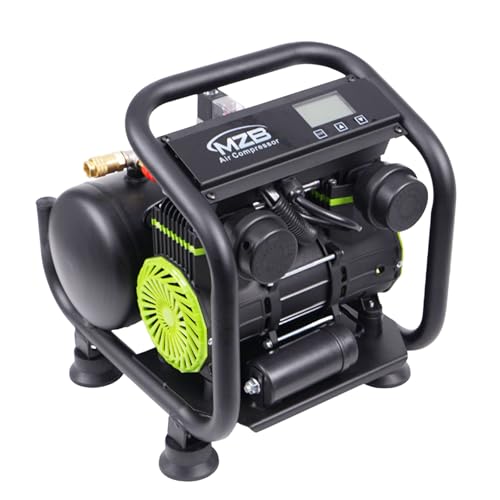
Finishing a long project in the garage often leaves pneumatic equipment pressurized and ready for the next task. Many workshop owners wonder is it ok to leave air in air compressor tanks overnight or throughout the workweek. While leaving pressurized air in the tank for a few hours rarely causes catastrophic failure, doing so on a regular basis creates significant mechanical and structural risks. Compressed air naturally deposits liquid condensation inside the receiver vessel, creating an environment where internal rust can silently develop.
Beyond the danger of internal tank corrosion, prolonged storage under pressure strains internal check valves, pressure switch diaphragms, and rubber manifold seals. Portable units like compact oil-free models and heavy workshop compressors experience steady wear when stored under full line pressure. Understanding the distinction between short operational pauses and extended storage is essential for protecting pneumatic tools and workshop safety. Routine depressurization and consistent tank draining remain the most reliable ways to preserve your equipment and ensure dependable airflow.
| Award | Product | ACR Score About ACR ScoreThe ACR Score is our own rating from 0 to 10, based on performance, design and build, ease of use, and value. It reflects independent research and is never influenced by manufacturers, retailers, or affiliate commissions. Learn more › | |
|---|---|---|---|
| Best Overall |
MZB MZB-900H-6 1.6-Gallon Air Compressor
|
9.2/10 | Buy |
| Best Premium |
 California Air Tools 2010A 2-Gallon Compressor
|
9.1/10 | Buy |
 California Air Tools CAT-4610S Ultra-Quiet 1.0 HP
|
9.1/10 | Buy | |
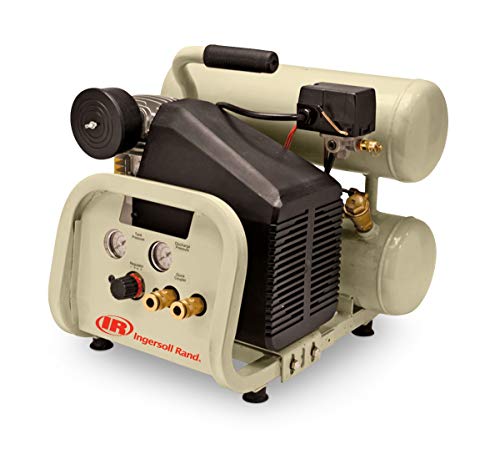 Ingersoll Rand 42672949 Twin-Stack Compressor
|
9.1/10 | Buy | |
| Best Budget |
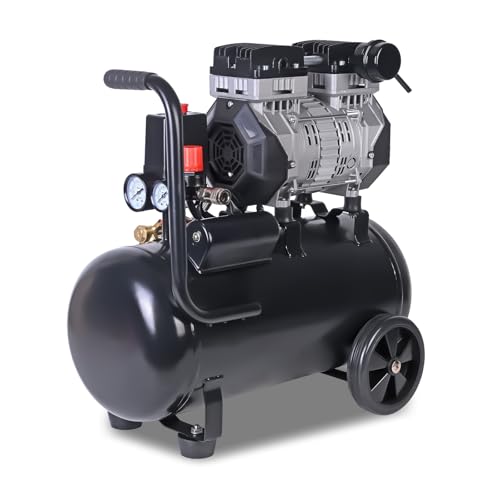 AAIN 6.3-Gallon 1.5HP Air Compressor
|
8.8/10 | Buy |
| Best Value |
 MZB MZB-1100H-50 13.2-Gallon Air Compressor
|
8.8/10 | Buy |
 CRAFTSMAN 1.5 HP Wall Mount Air Compressor
|
8.3/10 | Buy | |
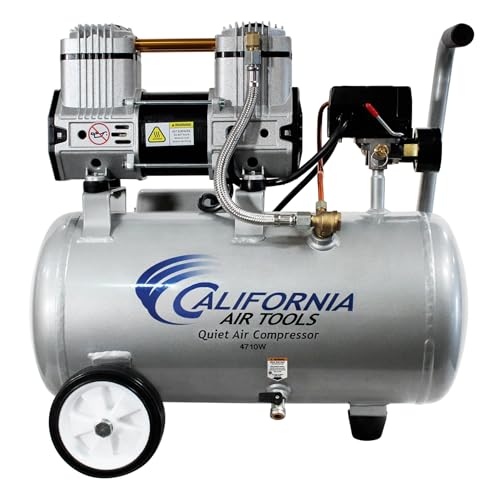 California Air Tools CAT-4710W 4.7-Gal Compressor
|
8.3/10 | Buy |
MZB MZB-900H-6 1.6-Gallon Air Compressor
Built for trim carpentry and light pneumatic tasks, this compact MZB unit pairs a 1.6-gallon steel tank with an oil-free pump. It produces up to 115 PSI while keeping operating sound around 70 decibels.
Pros
- Low-maintenance oil-free pump design
- Moderate 70 dB operating sound level
- Compact footprint is convenient to transport
- Sturdy steel air tank construction
Cons
- Small 1.6-gallon capacity limits continuous air tool runtimes
- Modest maximum output pressure of 115 PSI
California Air Tools 2010A 2-Gallon Compressor
Operating at just 60 decibels, this compact unit delivers reliable airflow with minimal noise disruption. Its rust-free aluminum tank and oil-free dual-piston pump make it well suited for indoor trim work and noise-sensitive spaces.
Pros
- Exceptionally quiet operation at only 60 decibels
- Lightweight rust-free aluminum tank design
- Low-maintenance oil-free dual-piston system
- Quick 14-second recovery time between cycles
Cons
- Modest 2-gallon tank limits continuous heavy tool use
- 120 PSI maximum pressure is below heavy-duty standards
- Air output is insufficient for sustained high-demand air tools
California Air Tools CAT-4610S Ultra-Quiet 1.0 HP
The California Air Tools CAT-4610S delivers a remarkably quiet 60 dB sound profile with 2.20 CFM at 90 PSI from an oil-free dual-piston pump and a 4.6-gallon steel twin tank. Drawing only 8.5 amps, it is an excellent pneumatic choice for trim carpenters, woodworkers, and garage hobbyists working in noise-sensitive spaces.
Pros
- Ultra-quiet 60 dB sound level allows normal conversation while the pump runs
- Low 8.5-amp electrical draw prevents nuisance circuit breaker trips on 110V household lines
- Oil-free dual-piston pump requires no crankcase oil changes and boasts a 3000-plus hour life cycle
- Durable 4.6-gallon steel twin-tank configuration delivers steady air storage for sequential fastening
Cons
- Rated 2.20 CFM @ 90 PSI is insufficient for continuous-demand pneumatic tools like sanders or paint sprayers
- Weighs 56.2 pounds without transport wheels, requiring a solid two-handed carry between work areas
Ingersoll Rand 42672949 Twin-Stack Compressor
Built for job sites and workshops needing reliable air delivery, this unit provides 3.2 CFM at 90 PSI with a 100 percent continuous duty rating. Dual quick disconnect couplers allow two operators to run tools simultaneously, though its 77 pound frame requires deliberate effort to transport.
Pros
- 100 percent continuous duty rating prevents downtime
- Dual couplers enable simultaneous two tool operation
- Long 2,000 hour oil change intervals
- User friendly front control panel design
Cons
- Heavy 77 pound weight limits easy mobility
- 79 dBA noise level remains loud indoors
- Extended warranty requires proprietary synthetic lubricant
AAIN 6.3-Gallon 1.5HP Air Compressor
Delivering up to 6 CFM at 116 PSI, this unit fills its 6.3-gallon tank in under three minutes while running at an unobtrusive 70 dB. Its oil-free motor makes it a low-maintenance setup for garage tire inflation and light pneumatic chores.
Pros
- Quiet operation rated at only 70 dB
- Fast tank fill time under three minutes
- Oil-free pump eliminates messy maintenance
- Solid airflow delivery up to 6 CFM
Cons
- Maximum working pressure capped at 116 PSI
- Heavy to move around at 46.3 pounds
- Limited to short-duty runs with air tools
MZB MZB-1100H-50 13.2-Gallon Air Compressor
Designed for indoor workshops and residential garages, this compressor keeps operating noise down to a manageable 70 decibels. Its 13.2-gallon steel tank and wheeled frame suit DIY woodworkers, painters, and mechanics needing reliable airflow without regular pump maintenance.
Pros
- Quiet 70dB sound level ideal for indoor spaces
- Maintenance-free oil-free pump design
- Large 13.2-gallon durable steel tank
- Wheels and handle make transport manageable
Cons
- Hefty 72-pound weight makes vehicle loading difficult
- 115 PSI maximum pressure is modest for heavy-duty pneumatic tools
CRAFTSMAN 1.5 HP Wall Mount Air Compressor
Designed for home garages and workshops, this 1.5 HP unit mounts to the wall to free up floor space while delivering up to 125 PSI for inflation and light pneumatic tasks. The built-in 30-foot retractable hose and oil-free motor offer low-maintenance convenience for daily utility jobs.
Pros
- Space-saving wall-mount setup with retractable hose
- Low-maintenance oil-free motor starts easily in cold weather
- Relatively quiet 73 dB operating sound level
- Fast 20-second tank recovery time
Cons
- Small 0.5-gallon tank limits sustained high-demand air tools
- Does not include inflation nozzles or accessory attachments
- Relatively heavy for frequent portable use at 21 pounds
California Air Tools CAT-4710W 4.7-Gal Compressor
Built for garage workshops and DIY tasks, this mobile unit features an oil-free dual-piston pump that fills its 4.7-gallon steel tank in 78 seconds. Its low 7.5-amp motor draw ensures smooth startups on standard household circuits without tripping breakers.
Pros
- Fast 78-second tank fill time from empty
- Low 7.5-amp draw prevents tripped breakers
- Low-maintenance oil-free pump operation
- Wheels and pull handle ease transport at 35 pounds
Cons
- Delivers only 2.2 CFM at 90 PSI for demanding tools
- Steel tank construction is heavier than aluminum alternatives
Mechanical Realities of Storing Pressurized Air in Compressor Tanks
Storing air in an air compressor tank might seem convenient, but the short answer to whether you should do it is generally no. Leaving a receiver tank pressurized for extended periods traps moisture, stresses mechanical seals, and accelerates internal rust. While a brief pause during a workday causes minimal harm, leaving air stored between weekend projects creates preventable hazards. Understanding how compressed air behaves inside the tank reveals why depressurizing your machine is a critical maintenance practice.
How Moisture Condensation Develops Inside the Tank
Atmospheric air contains invisible water vapor that enters the pump cylinder through the intake filter during every compression stroke. As the pump forces large volumes of air into a confined steel or aluminum vessel, the air temperature rises rapidly. Once that heated air sits inside the receiver vessel, it cools down toward ambient workshop temperatures. Because cool air cannot hold as much moisture as warm air, the water vapor condenses into liquid droplets that settle at the bottom of the tank.
The volume of accumulated water increases drastically in humid environments or during prolonged pneumatic tool use. High-output units like the AAIN Ultra Quiet 6.3 Gallon air compressor or the MZB 13.2 Gallon compressor move high volumes of air, which inevitably introduces substantial atmospheric water vapor. When you leave the tank pressurized, this pooled water remains trapped at the lowest point of the vessel. Over time, that standing water contaminates air hoses, damages sensitive pneumatic nailers, and compromises the integrity of the pressure vessel.
The Hidden Danger of Internal Steel Tank Corrosion
The primary threat of leaving air stored inside a compressor is internal corrosion that remains hidden from view. Most consumer and commercial air tanks, including models constructed from standard Q235B steel, feature protective exterior coatings while the interior metal remains vulnerable to untreated condensation. Liquid water pooling in the bottom of a steel tank reacts with oxygen under pressure, creating rapid iron oxidation. Because this rust develops from the inside out, an operator cannot visually detect wall thinning without specialized ultrasonic inspection equipment.
A rusted tank shell represents a serious structural hazard because the metal gradually loses the tensile strength required to contain high pressures. Tank failures do not usually result in gentle pinhole leaks; weakened steel under 115 to 135 PSI can rupture violently if structural degradation becomes severe. Corrosion-resistant alternatives, such as the aluminum tank featured on the California Air Tools 2010A 1.0 HP Ultra Quiet model, offer significant resistance to rust. Even with rust-free aluminum vessels, however, stagnant moisture still deteriorates brass drain fittings, gums up internal check valves, and fouls air tools downstream.
Continuous Stress on Pressure Switches, Regulators, and Valves
Keeping a compressor tank fully pressurized subjects internal mechanical assemblies to continuous tension. The pressure switch utilizes an internal rubber or synthetic diaphragm that flexes against a calibrated spring to register cut-in and cut-out thresholds. When stored under constant high pressure, this flexible diaphragm remains stretched for days or weeks at a time. Over time, this constant mechanical strain can cause material fatigue, leading to inaccurate pressure readings or failure of the switch to engage reliably.
The one-way check valve installed at the tank inlet also suffers under perpetual line pressure. This valve prevents compressed air from escaping back into the pump head while the motor is stationary. Constant backpressure against the rubber or PTFE seal can cause the seat to deform, resulting in slow pressure leaks into the unloader tube. Furthermore, air line regulators, pressure gauges, and quick-connect couplers experience continuous mechanical strain that degrades their internal O-rings, increasing the likelihood of frustrating air hisses across your manifold.
Operational Differences: Short Pauses Versus Long-Term Storage
A clear distinction exists between leaving air in the tank during an active workday and leaving it pressurized for weeks of inactivity. If you take a thirty-minute lunch break while framing a room or rotating tires, there is no need to depressurize your compressor. Modern tanks and valves are engineered to manage operational pressure cycles throughout normal daily use without premature failure. The brief presence of moisture during a single shift does not cause immediate structural deterioration.
The risks multiply when a compressor remains pressurized after the workday concludes. Leaving compressed air in the tank overnight, over a weekend, or during seasonal storage allows moisture to sit stagnant against unprotected steel surfaces. As ambient garage temperatures fluctuate between day and night, the tank expands and contracts slightly while pulling in additional condensation. Draining the air supply at the end of every working day eliminates this risk and resets the equipment for safe storage.
Oil-Free Versus Oil-Lubricated Compressor Considerations
Pump lubrication design influences the type of condensation and contamination that gathers inside the tank. Oil-free dual-piston compressors, such as the California Air Tools CAT-4610S Ultra Quiet or the CRAFTSMAN wall mount unit, utilize Teflon-coated piston rings that require no liquid crankcase lubricant. These systems deliver completely oil-free air, which is ideal for spray painting and clean finish carpentry. However, the water condensation they produce is uninhibited by oil film, meaning it acts aggressively on bare internal carbon steel surfaces when left stagnant.
In contrast, splash-lubricated compressors like the Ingersoll Rand 42672949 2 HP Portable Twin-Stack utilize synthetic lubricants such as All Season Select to protect pump components. While these oil-lubricated units offer long operational pump lifespans, trace amounts of aerosolized lubricant can bypass the piston rings and enter the receiver vessel. When mixed with standing condensation in an un-drained tank, this oil residue forms an acidic sludge at the bottom of the receiver. This corrosive slurry can clog drain ports and degrade air distribution lines if not expelled daily.
Safety Hazards Associated with Moving Pressurized Equipment
Transporting a compressor that contains stored air introduces avoidable safety hazards on the jobsite or in transit. Portable units with wheels and handles, such as the California Air Tools CAT-4710W 1.0 HP Quiet compressor, are designed for mobility between work areas. Moving a pressurized tank across uneven terrain or loading it into a vehicle increases the risk of accidental impact to delicate manifold gauges, brass safety relief valves, or drain petcocks. If a fitting snaps off under pressure, escaping air can turn loose parts into dangerous projectiles.
Road vibrations during transit in the back of a truck or service van can also stress pressurized tank fittings. A sudden jolt can crack brittle regulator housings or loosen quick-connect fittings that are under tension. Jobsite safety protocols routinely mandate that all pressure vessels be fully depressurized before transport or mechanical servicing. Taking two minutes to bleed off stored air before moving your machine protects both the operator and the compressor hardware.
Step-by-Step Procedure for Safely Depressurizing and Draining
Depressurizing an air compressor requires a controlled sequence to avoid startling loud noises and messy water spray. First, disconnect the compressor from its electrical power supply by switching off the power switch and unplugging the cord. Next, adjust the line regulator or use an attached blow gun to lower the overall tank pressure to roughly twenty or thirty PSI. Attempting to open the bottom drain valve at full pressure can discharge high-velocity moisture, debris, and rust particles across your workshop floor.
Once line pressure is reduced, place a shallow pan or shop towel beneath the tank drain valve located on the underside of the vessel. Slowly turn the drain valve to allow the pooled moisture and remaining compressed air to escape gradually. Tilt portable units slightly toward the drain opening to ensure that all liquid condensation exits the vessel completely. Once air stops hissing and all liquid has drained, leave the drain valve slightly cracked open during seasonal storage to allow the tank interior to dry thoroughly.
The Impact of Drain Valve Design on Maintenance Habits
The mechanical design of the tank drain valve heavily influences whether an operator consistently drains their equipment. Many budget-friendly compressors feature small threaded thumb petcocks located awkwardly beneath the belly of the tank. These petcocks can be stiff to turn, painful on bare fingers, and prone to cross-threading or seizing from road grit and internal rust. When a drain valve is difficult to access or operate, users frequently skip daily draining, inadvertently leaving air and water trapped inside the tank.
Upgrading to a quarter-turn brass ball valve dramatically simplifies the daily maintenance routine. A ball valve features an ergonomic lever handle that provides clear visual confirmation of whether the valve is open or closed. With a simple ninety-degree twist, operators can vent condensation in seconds without needing pliers or kneeling on damp shop floors. Choosing compressors with accessible drain valves or retrofitting quality brass hardware encourages regular purging and protects your long-term investment.
Environmental Temperature Swings and Freezing Risks
Storing a pressurized compressor in an unheated garage, outdoor shed, or mobile trailer creates extreme risks during winter months. As temperatures plunge below the freezing mark, the standing condensation inside the bottom of the receiver vessel freezes into solid ice. Because water expands as it crystallizes, ice formation can crack brass drain petcocks, distort internal weld seams, and fracture bottom tank fittings. A cracked drain valve prevents the unit from holding pressure and requires costly replacement parts.
Frozen condensation can also obstruct the internal port of the safety relief valve or block the unloader line. When an operator attempts to power on an icy compressor, the motor may struggle against trapped head pressure because the unloader mechanism cannot vent properly. This causes high electrical inrush current that repeatedly trips standard 15-amp household circuit breakers or overheats the motor windings. Draining all moisture at the end of each session prevents ice formation and ensures dependable cold-weather startup performance.
Long-Term Storage Best Practices and Safety Valve Verification
Preparing an air compressor for long-term storage requires more than simply flipping the power switch off. In addition to venting air and purging water, you should pull the ring on the ASME safety relief valve to verify that the internal spring moves freely and is not seized by corrosion. Inspect the rubber vibration isolator feet and frame mounts to ensure they remain secure. Storing the unit in a dry, climate-controlled space prevents atmospheric moisture from attacking both exterior metal components and internal pump bearings.
Leaving the tank drain valve open during storage prevents condensation from accumulating as ambient temperatures cycle through warm days and cool nights. Before restoring the machine to active duty, simply close the drain valve, inspect the electrical cord for damage, and verify that all quick-connect fittings are clean. Regular attention to these basic mechanical principles guarantees that your compressor will deliver clean, dry, pressurized air whenever your next woodworking, automotive, or home improvement project begins.
Purging your compressor at the end of each working day takes less than a minute, but it adds years to the operating life of your pneumatic equipment. Storing air in the tank offers virtually no practical benefit while exposing your machine to rust, valve fatigue, and freeze damage. By making depressurization and moisture draining a standard post-project habit, you maintain a safer workshop and ensure peak performance from every air tool in your collection. Consistent maintenance keeps your receiver tank structurally sound and ready for years of dependable service.
About the author
Tom Scalisi brings more than two decades of experience in construction, building maintenance, contracting, and hands-on tool use. His practical understanding of power tools, automotive work, repairs, and jobsite equipment helps readers evaluate compressors based on real workloads rather than specifications alone.