
Is It Ok to Leave Air in a Compressor? A Practical Guide for 2026
Learn whether is it ok to leave air in a compressor, how tank moisture affects steel tanks, and proper maintenance steps for October 2026.
 By Bob Beacham
Updated October 7, 2026
By Bob Beacham
Updated October 7, 2026
Packing up tools at the end of a long afternoon in the workshop often brings a familiar temptation to switch off the power switch and leave the air tank pressurized. You might look at the pressure gauge resting at 120 PSI and wonder if bleeding off all that stored energy is truly necessary. Many home mechanics and woodworkers ask whether is it ok to leave air in a compressor between weekend projects or overnight. While keeping air in the tank for a short lunch break creates zero mechanical harm, storing pressurized air for days or weeks introduces severe long-term risks to your pneumatic equipment.
Every time an air pump cycles, it pulls in ambient humidity alongside atmospheric air and compresses both into the storage vessel. This physical process forces water vapor to condense into liquid pooling at the bottom of the vessel, which attacks raw steel and accelerates internal tank corrosion. Beyond the obvious danger of hidden rust eating through structural tank walls, constant mechanical pressure degrades delicate rubber diaphragms, unloader valves, and manifold seals over time. Understanding how pressurized air and trapped moisture interact inside your system helps preserve pump efficiency, safeguard your workspace, and maximize the operational lifespan of your tools.
| Award | Product | ACR Score About ACR ScoreThe ACR Score is our own rating from 0 to 10, based on performance, design and build, ease of use, and value. It reflects independent research and is never influenced by manufacturers, retailers, or affiliate commissions. Learn more › | |
|---|---|---|---|
| Best Overall |
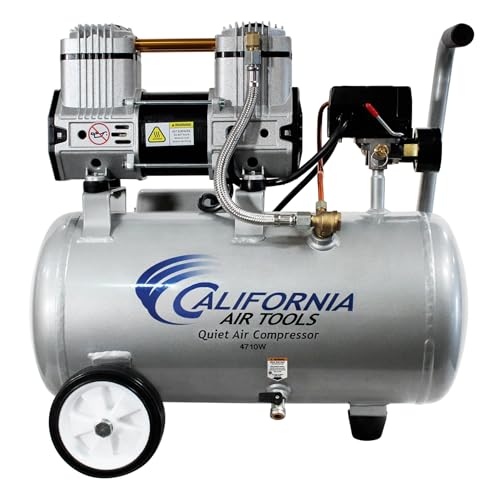
California Air Tools CAT-4710W 4.7-Gal Compressor
|
8.3/10 | Buy |
California Air Tools CAT-4710W 4.7-Gal Compressor
Built for garage workshops and DIY tasks, this mobile unit features an oil-free dual-piston pump that fills its 4.7-gallon steel tank in 78 seconds. Its low 7.5-amp motor draw ensures smooth startups on standard household circuits without tripping breakers.
Pros
- Fast 78-second tank fill time from empty
- Low 7.5-amp draw prevents tripped breakers
- Low-maintenance oil-free pump operation
- Wheels and pull handle ease transport at 35 pounds
Cons
- Delivers only 2.2 CFM at 90 PSI for demanding tools
- Steel tank construction is heavier than aluminum alternatives
Leaving Air in an Air Compressor: Risks, Mechanics, and Best Practices
Deciding whether to store pressurized air in a compressor tank comes down to understanding pneumatic physics. Pressurized air represents stored kinetic energy combined with concentrated atmospheric humidity. While a tank safely contains pressure during active work, treating a receiver as a long-term storage vessel creates mechanical, chemical, and safety issues that degrade your equipment.
Short-Term Pauses Versus Long-Term Storage
Leaving pressurized air in your compressor during active work is standard practice. If you step away for a quick break before assembling another workpiece, depressurizing the tank is unnecessary. The tank, manifold fittings, and pressure switch operate reliably under constant working pressure. Constantly dumping air every half hour would cause needless wear on drain valves and force the motor to cycle repeatedly.
Problems arise when brief pauses turn into overnight storage, several days of inactivity, or seasonal downtime. Pressurized air held static over multiple days allows moisture to settle against the bottom welds of the receiver. Unmonitored pressure in an empty garage also creates unnecessary hazards if an air hose cracks or a coupler releases. Knowing the difference between an operational pause and long-term storage protects your workshop investment.
As a practical rule, depressurize and drain the receiver whenever you wrap up your final project for the day. If the machine will not run again until tomorrow or next week, purge the stored air completely. Bleeding the tank empty takes less than two minutes and stops internal rust from forming while the equipment sits idle.
How Condensation Forms Inside a Compressed Air Vessel
Atmospheric air contains natural moisture in the form of relative humidity across every climate zone. When the electric motor drives a piston inside the pump cylinder, it draws in atmospheric air and squeezes it into a fraction of its volume. Because air holds less water vapor at high pressure, this mechanical compression reduces its moisture-holding capacity dramatically.
Friction and compression generate substantial heat, keeping water suspended as warm vapor while leaving the pump head. As that hot air enters the steel receiver, it cools rapidly against the larger surface area of the metal walls. This temperature drop causes condensation, turning airborne vapor into liquid droplets that run down the tank interior and pool at the bottom.
Every single compression cycle adds liquid water to the bottom of the receiver. In humid weather, a portable compressor can easily accumulate several ounces of standing water during a single afternoon of nailing or tire filling. Leaving the vessel pressurized keeps this acidic, oxygen-rich moisture pinned against the unfinished metal floor.
Internal Steel Tank Corrosion and Structural Fatigue
Most portable and workshop compressors feature welded carbon steel tanks due to their structural strength and impact resistance. Manufacturers apply durable powder coats to the exterior shell, but the inside of consumer tanks remains bare steel. Exposing raw steel to liquid water and pressurized oxygen creates ideal conditions for rapid oxidation, leading directly to rust.
Rust eats away structural metal from the inside out, weakening the wall thickness along the bottom basin. Because this degradation happens inside a sealed container, you cannot see the thinning metal without specialized inspection cameras. Over months of damp storage, deep pitting forms along weld seams where standing water sits undisturbed.
A corroded steel vessel holding over 100 PSI poses serious structural risks over time. Thinning metal eventually produces pinhole leaks that hiss continuously and ruin the unit’s ability to hold pressure. In extreme situations of neglected rust, weakened steel can suffer sudden rupture during pressurization, creating an immediate safety hazard.
Mechanical Strain on Gaskets, Check Valves, and Switches
Storing a compressor under full pressure places continuous mechanical load on stationary rubber and brass components. The one-way check valve at the tank inlet must hold back full reservoir pressure against its internal sealing disc. Prolonged static pressure can deform or harden elastomeric valve seats, causing air to leak backward through the unloader valve.
The pressure switch and regulator assembly also experience ongoing strain when air remains trapped in the vessel. Pressure switches rely on flexible diaphragms that trigger electrical contacts at designated cut-in and cut-out thresholds. Leaving those diaphragms stretched under high PSI for weeks causes premature fatigue, leading to inaccurate switching or failure to shut off.
Manifold couplers and threaded fittings experience steady tension across their internal O-rings and thread sealant. Microscopic gaps in thread tape or drying rubber seals eventually turn into audible air leaks. Discharging air after work relieves this hydraulic tension, extending component life and preventing pressure loss during future jobs.
Safety Hazards of Stored Pneumatic Energy in Workspaces
A fully charged air receiver functions like a mechanical battery holding substantial potential energy. Keeping that energy trapped in an unattended garage or shared workshop creates avoidable safety concerns. If a piece of lumber tips over or an object strikes the regulator knob, sudden fitting breakage can release high-pressure air instantly.
Air lines attached to pressurized receivers also present ongoing risks during storage. Rubber and hybrid polymer hoses degrade from ozone exposure, sharp edges, or accidental pinching under heavy equipment. If an unattended pressurized hose splits, the loose line can whip across the floor, damaging tools or striking bystanders.
Workshop fires introduce another serious hazard when pressurized equipment remains charged. High ambient heat causes compressed air inside a sealed receiver to expand rapidly, escalating internal pressure beyond standard operating limits. Discharging stored air before leaving the workspace removes this explosive hazard completely.
Ambient Temperature Fluctuations and Garage Condensation Cycles
Unheated garages experience noticeable day-to-night temperature swings during spring and fall. When daytime warmth heats the air inside a pressurized tank and nightfall brings cold air, the steel shell cools faster than the compressed core. This temperature difference drives a continuous cycle of condensation along the inner steel walls.
Each thermal shift pulls additional moisture out of the air mass, raining it into the water pool at the bottom. Because the vessel is sealed, this liquid cannot evaporate into the atmosphere. Instead, trapped water becomes concentrated with atmospheric contaminants and loose rust scale that clogs the lower drain opening.
Freezing winter temperatures create the additional danger of ice formation inside the tank. Water expands as it freezes, which can crack brass petcock valves, distort manifold pipes, and damage delicate drain mechanisms. Emptying the tank ensures that no standing water remains to freeze during cold winter nights.
Step-by-Step Procedure for Safely Draining Air and Moisture
Safely draining a compressor begins with switching off the main power switch and unplugging the unit from the electrical outlet. Never service or drain equipment while connected to electrical power, since the motor could restart if pressure drops below the cut-in mark. Wear safety glasses and hearing protection before opening any valves, as high-velocity air can kick up loose shop dirt.
Reduce the bulk pressure in the tank down to approximately twenty PSI using an air blow gun or by pulling the safety valve ring. Venting high pressure through the top manifold prevents an aggressive spray of rusty liquid across your workshop floor when you open the base. Once the pressure gauge drops to a safe level, locate the bottom drain valve.
Open the drain valve, which is usually a threaded thumb petcock or a quarter-turn brass ball valve. Tilt the compressor slightly toward the drain port so all pooled moisture and rust sediment escape completely. Leave the valve cracked open slightly during storage to allow fresh air circulation and prevent pressure buildup from ambient temperature swings.
Why Fast Recovery and Refill Times Make Daily Draining Effortless
Many tool owners avoid draining their tanks because they dislike waiting for the machine to rebuild pressure on the next project. Modern compressor engineering has eliminated this inconvenience through efficient motor assemblies and dual-piston pump configurations. Models like the California Air Tools CAT-4710W 1.0 HP Quiet prove that modern machines recover full working pressure without delay.
Equipped with a 1.0 HP motor and an oil-free dual-piston pump, the California Air Tools CAT-4710W 1.0 HP Quiet fills its 4.7-gallon steel tank from zero to full in just 78 seconds. Waiting barely over one minute for a full charge removes any practical reason to store pressurized air overnight. Its modest electrical demand of only 7.5 amps at 110 volts also prevents circuit breaker trips on standard household outlets.
Operating at an ultra-quiet 75 dB noise level, refilling the tank indoors or in an attached garage avoids disturbing the entire household. The pump provides 2.20 CFM at 90 PSI and 3.00 CFM at 40 PSI, supplying reliable air volume for finish nailers and tire inflation. Taking 78 seconds to pressurize a clean, dry steel tank is an easy habit that protects your equipment from rust damage.
Routine Maintenance Checklist to Extend Air Tank Lifespan
Establishing regular maintenance habits keeps pneumatic power tools safe, dry, and reliable over years of ownership. Beyond daily moisture draining, inspect the exterior tank shell periodically for blistered paint, rust stains, or dents. Any visible structural deterioration on a pressure vessel means the unit should be taken out of service, as pressurized tanks cannot be welded or patched safely.
Check the ASME safety relief valve monthly by pulling the manual brass ring while the tank holds moderate air pressure. The valve should release a sharp burst of air and snap closed firmly when released, confirming that the spring has not seized. Keep air intake filters clean, since clogged filter elements force the motor to run hotter and generate excess moisture in the pump line.
Inspect the drain valve port regularly to ensure rust sludge does not block the discharge opening. Upgrading a stiff thumb petcock to an accessible quarter-turn brass ball valve makes daily draining fast and effortless. Taking two minutes to purge moisture and store your compressor depressurized ensures dry airflow and a long, rust-free operational life.
About the author
Bob Beacham is an experienced tools and workshop writer with deep knowledge of power equipment, mechanical systems, and practical DIY applications. His coverage of air compressors, welding equipment, saws, and workshop tools helps translate technical specifications into useful guidance for homeowners and serious DIYers.