
What to Use for Air Compressor Oil: Practical Guide for 2026
Learn what to use for air compressor oil to protect pump valves, prevent carbon buildup, and maintain clean airflow for November 2026 projects.
 By Tony Carrick
Updated October 8, 2026

Operating a reciprocating or rotary air compressor under sustained workshop loads generates intense thermal stress across cylinder walls, piston rings, and valve plates. Selecting what to use for air compressor oil is critical for maintaining mechanical efficiency, preventing premature valve carbonization, and avoiding costly pump replacements. While many shop owners mistakenly reach for automotive engine oils, reciprocating pumps require dedicated non-detergent lubricants formulated specifically for pneumatic compression cycles. Reviewing our dedicated compressor lubrication guide helps clarify how non-detergent formulas manage heat without foaming or forming carbon varnish.
Compression systems face unique mechanical demands because moisture naturally condenses inside the crankcase and air reservoir during thermal cooling cycles. Using correct ISO viscosity grades and regular maintenance routines, including draining compressor tank moisture, ensures proper hydrodynamic lubrication and corrosion prevention across all internal components. Distinguishing between air compressor pump crankcase oil and lightweight pneumatic tool lubricant is also essential to prevent catastrophic pump failure. The following product selection features dedicated compressor lubricants and pneumatic maintenance essentials formulated to keep shop air delivery systems running smoothly.
| Award | Product | ACR Score About ACR ScoreThe ACR Score is our own rating from 0 to 10, based on performance, design and build, ease of use, and value. It reflects independent research and is never influenced by manufacturers, retailers, or affiliate commissions. Learn more › | |
|---|---|---|---|
| Best Overall |
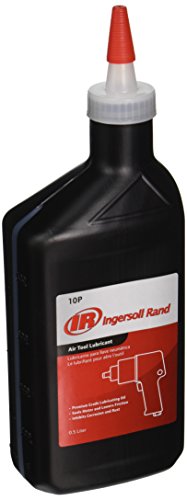
Ingersoll Rand 10P Air Tool Oil, 1 Pint
|
9.2/10 | Buy |
| Best Value |
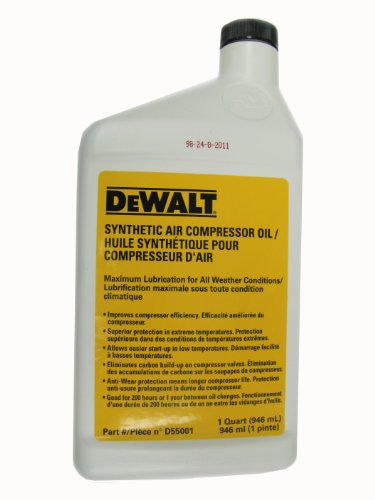 DeWalt D55001 1-Quart Compressor Oil |
9.1/10 | Buy |
| Best Premium |
 Compressed Air USA XL 8000-Hour Oil, 1 Gal |
8.9/10 | Buy |
| Best Budget |
 Lucas Oil 10216 Air Tool Lubricant & Tool Box |
8.8/10 | Buy |
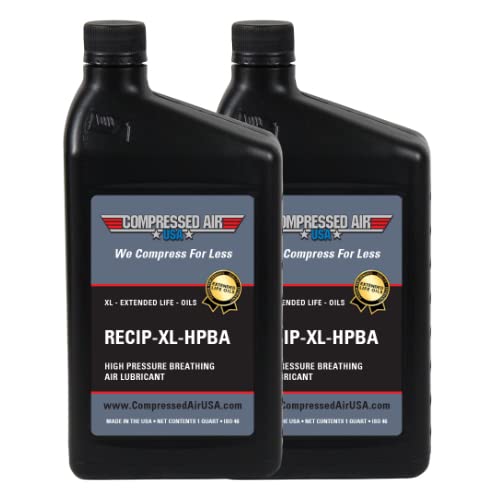 Compressed Air USA Breathing Safe Oil, 2 Quart |
8.8/10 | Buy | |
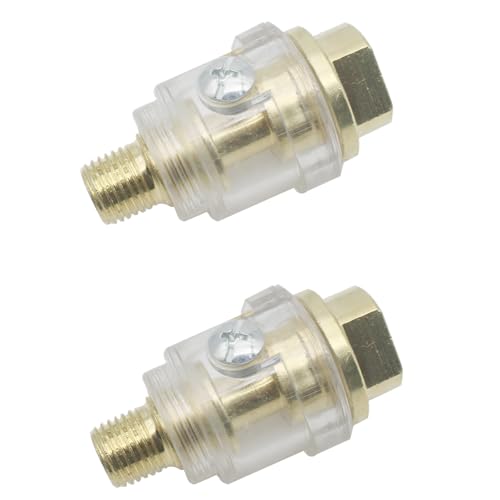 OZXNO 1/4" NPT Mini In-Line Oiler (2-Pack) |
8.6/10 | Buy | |
 Ingersoll Rand All Season Select Lubricant, 1L |
8.6/10 | Buy | |
 Mobil Rarus 427 ISO 100 Compressor Oil, 1 Qt |
8.3/10 | Buy | |
 Sta-Lube SL22133 SAE 30 Compressor Oil, 1 Gal |
8.3/10 | Buy | |
 Ingersoll Rand All Season Select Oil, 5L |
8.3/10 | Buy |
Ingersoll Rand 10P Air Tool Oil, 1 Pint
Formulated for pneumatic equipment upkeep, the Ingersoll Rand 10P delivers premium-grade lubrication in a compact one-pint container. It serves as a dependable fluid for mechanics and workshops focused on extending the service life of air-powered tools.
Pros
- Formulated specifically for pneumatic mechanisms
- Compact and easily portable 1-pint bottle
- Lightweight design under one pound
- Official Ingersoll Rand Edge Series lubricant
Cons
- One-pint volume may run out quickly in high-volume shops
- Single-purpose lubricant restricted to pneumatic tool use
DeWalt D55001 1-Quart Compressor Oil
Formulated for regular air compressor maintenance, the DeWalt D55001 comes in a handy one-quart bottle to keep pump components operating smoothly. It is a solid choice for workshops and job sites running oil-lubricated compressors that require dedicated manufacturer-grade fluid.
Pros
- Convenient 1-quart size for routine maintenance
- OEM formulation from an established tool brand
- Compact bottle design stores easily
Cons
- Not applicable for oil-free compressor models
- May require multiple bottles for high-capacity industrial tanks
Compressed Air USA XL 8000-Hour Oil, 1 Gal
Formulated for rotary screw compressors, this synthetic blend delivers up to 8,000 hours of service life at elevated discharge temperatures. It mixes directly with existing OEM or aftermarket lubricants, eliminating the need for a full system drain before topping off.
Pros
- Long 8,000-hour service life under normal discharge heat
- No drain or flush required for system top-offs
- Broad compatibility with OEM and aftermarket equivalents
- Protects against wear, varnish, and moisture buildup
- Non-toxic and non-hazardous formulation
Cons
- Synthetic blend rather than a pure synthetic base
- Designed specifically for rotary screw air compressors
- One-gallon container may require multiple bottles for large units
Lucas Oil 10216 Air Tool Lubricant & Tool Box
Lucas Oil 10216 Air Tool Lubricant is a 16-ounce pneumatic maintenance fluid formulated to protect internal tool mechanisms, displace moisture, and condition O-rings. It provides dependable, cost-effective care for DIYers, carpenters, and mechanics running air nailers, impact wrenches, and ratchets.
Pros
- Generous 16-ounce pint container offers a long-lasting supply for daily pneumatic tool maintenance
- Helps protect internal pneumatic tool vanes, bearings, and O-rings against line moisture and friction
- Versatile formula doubles as an effective general utility lubricant for shop hardware and sticky mechanisms
- Formulated by a reputable lubrication brand known for dependable automotive and workshop fluid products
Cons
- Requires manual application into air tool inlets before work sessions unless an inline lubricator is installed
- Not intended for use as an air compressor pump crankcase oil; formulated strictly for air tools and utility lubrication
- Standard pint bottle may require a separate needle-nose dropper for mess-free oiling of compact finish nailer inlets
Compressed Air USA Breathing Safe Oil, 2 Quart
Formulated for critical breathing air applications like SCUBA, firefighting, and medical systems, this ISO 100 oil delivers robust wear protection under extreme temperatures and pressures. Its non-toxic composition and high flash point ensure dependable safety for specialized reciprocating compressors.
Pros
- Safe formulation suitable for SCUBA and medical air systems
- High flash and auto-ignition points enhance operational safety
- Resists carbon and varnish buildup under extreme temperatures
- Non-toxic formula provides strong wear and rust protection
Cons
- Restricted to reciprocating units rather than rotary screw systems
- ISO 100 rating unsuitable for low-viscosity compressor setups
OZXNO 1/4" NPT Mini In-Line Oiler (2-Pack)
Delivering continuous lubrication directly to pneumatic equipment, these compact oilers help protect internal components from premature wear. A clear reservoir allows quick visual oil checks right at the air inlet.
Pros
- Clear housing enables fast fluid monitoring
- Standard 1/4-inch NPT threads fit most air tools
- Compact footprint adds minimal bulk to setups
- Comes in a practical two-piece set
Cons
- Copper-plated iron instead of solid brass
- Compact oil reservoir requires regular refilling
Ingersoll Rand All Season Select Lubricant, 1L
Engineered as an all-weather OEM fluid, this synthetic lubricant protects reciprocating compressors during continuous duty while resisting carbon buildup on critical valves. It is a solid pick for equipment owners who want fewer oil changes and reliable year-round operation.
Pros
- Maintains stable viscosity in hot and cold seasons
- Lasts four times longer than petroleum oil
- Keeps valves and rings free of carbon deposits
- Protects bearings under continuous duty cycles
Cons
- Formulated specifically for reciprocating compressor systems
- One-liter bottle requires buying multiples for large pumps
Mobil Rarus 427 ISO 100 Compressor Oil, 1 Qt
Mobil Rarus 427 provides an ISO 100 viscosity grade lubricant designed for compressor applications. Packaged in a 1-quart container and made in the United States, it suits routine automotive and shop maintenance jobs.
Pros
- Convenient 1-quart volume for routine top-offs
- Standard ISO 100 viscosity formulation
- Manufactured in the United States
- Lightweight and easy to store
Cons
- Limited 1-quart volume for large compressor reservoirs
- ISO 100 viscosity is not universally compatible with all compressors
Sta-Lube SL22133 SAE 30 Compressor Oil, 1 Gal
Formulated for reciprocating and rotary compressors, this professional SAE 30 lubricant cleans valve seat deposits while shielding internal parts from wear and corrosion. It is an ideal maintenance supply for workshops requiring dependable, large-volume fluid protection during active operation and prolonged shutdown.
Pros
- Protects equipment during both operation and shutdown
- Helps prevent deposit buildup on valve seats
- Compatible with reciprocating and rotary systems
- Formulated with anti-wear and anti-rust additives
Cons
- Single SAE 30 viscosity does not suit all compressor types
- One-gallon container can be cumbersome to pour without a pump
Ingersoll Rand All Season Select Oil, 5L
Formulated for year-round duty in reciprocating compressors, this OEM synthetic lubricant preserves viscosity through extreme cold and heat while minimizing valve carbon buildup. The 5-liter bottle provides sufficient capacity for complete fluid changes in continuous-duty shop equipment.
Pros
- Stable viscosity across winter cold and summer heat
- Lasts four times longer than petroleum oils
- Minimizes carbon buildup on valves and rings
- Genuine OEM factory-fill formulation
- Sized for full compressor oil changes
Cons
- Ten-pound jug can be awkward to pour directly
- Volume exceeds minor top-off needs
Essential Guide to Air Compressor Lubrication and Pump Oil Selection
Pneumatic air compressors rely on precise mechanical clearances within cast-iron cylinders, connecting rod bearings, and reciprocating pistons to compress atmospheric air efficiently. Determining what to use for air compressor oil requires understanding the severe thermodynamic conditions present inside a compression chamber. Unlike internal combustion engines that vent exhaust gases out a tailpipe, an air compressor traps ambient moisture, dust, and compression heat directly within its closed pump assembly. Selecting the proper lubricant ensures continuous heat dissipation, protects reed valves from carbon build-up, and prevents catastrophic cylinder scoring during demanding duty cycles.
The Critical Difference Between Pump Lubricant and Pneumatic Air Tool Oil
Many workshop operators make the costly mistake of assuming all pneumatic oils serve the exact same function. Pump crankcase oil and pneumatic air tool lubricant are formulated for entirely different mechanical environments and cannot be swapped. Crankcase oil, such as DEWALT Compressor Oil or Mobil Rarus 427, is a heavy-bodied fluid designed to lubricate reciprocating pistons and crankshaft bearings under continuous thermal stress. In contrast, specialized air tool lubricants like Ingersoll Rand 10P Edge Series or Lucas Oil 10216 are ultra-lightweight oils intended solely for pneumatic tool internals.
Air tools such as impact wrenches, framing nailers, and pneumatic ratchets require a light lubricant to coat spinning air motors and internal O-rings without causing viscous drag. These lightweight lubricants are introduced directly through the tool air inlet fitting or dispensed automatically using devices like the OZXNO automatic mini in-line oiler. If an operator places thin air tool lubricant inside a compressor crankcase, the oil will flash vaporize under compression heat and cause immediate bearing seizure. Conversely, pouring thick crankcase oil into a delicate pneumatic nailer will clog internal spool valves and gum up driver pins.
Why Automotive Motor Oil Causes Severe Compressor Pump Damage
A common temptation in residential garages is grabbing an open bottle of standard automotive engine oil to top off a low compressor crankcase. Standard multi-grade motor oils like 5W-30 or 10W-40 contain heavy chemical detergent packages formulated to suspend combustion soot in car engines. In an air compressor pump where no fuel combustion occurs, these detergent additives scavenge ambient humidity and form an emulsified milky sludge. This sludge clogs delicate splash oil passages, coats internal crankcase walls, and reduces hydrodynamic bearing protection.
Detergent motor oils also leave heavy carbon deposits on compressor valve plates and cylinder heads when exposed to discharge air temperatures. As the reciprocating piston compresses air, discharge temperatures frequently exceed two hundred degrees Fahrenheit, causing automotive detergents to bake into hard carbon varnish. This carbon crust prevents intake and exhaust reed valves from sealing completely, leading to severe CFM delivery loss and extended pump recovery times. For long pump life, manufacturers consistently mandate non-detergent industrial lubricants specifically formulated without automotive additive packages.
Understanding Viscosity Ratings: ISO 68, ISO 100, and SAE 30
Compressor pump lubricants are generally rated using either the industrial ISO viscosity scale or traditional automotive SAE weight classifications. The standard benchmark for reciprocating piston compressors operating in moderate shop environments is an ISO 100 or SAE 30 non-detergent oil. Products like Sta-Lube Compressor Oil SL22133 provide this balanced SAE 30 viscosity, delivering adequate film thickness across cast-iron cylinder walls while minimizing fluid resistance during startup. For colder workshops or seasonal winter operations, a lighter ISO 68 or SAE 20 oil may be specified to assist startup rotation.
Using oil with an incorrect viscosity rating directly impacts electric motor performance and electrical circuit stability. When oil is too thick in an unheated shop, the electric motor experiences excessive startup drag that spikes inrush amperage and trips 15-amp branch circuit breakers. Conversely, using an oil that is too thin in hot summer temperatures allows metal-to-metal contact across piston wrist pins and connecting rod journals under full compression load. Checking the manufacturer specification plate on the pump housing confirms whether an ISO 68 or ISO 100 rating provides proper hydrodynamic protection for your operating climate.
Mineral-Based Oils Versus Full Synthetic Compressor Lubricants
Standard mineral-based compressor lubricants are refined petroleum products that provide dependable lubrication for light-duty or intermittent workshop tasks. Formulations like Sta-Lube professional formula SAE 30 include targeted anti-wear additives and rust inhibitors that protect internal iron surfaces during idle periods. However, mineral oils have finite thermal stability and tend to oxidize, thicken, and break down after approximately two hundred to three hundred hours of operation. Operators using mineral oils must adhere to disciplined drain intervals to prevent acidic oxidation byproducts from etching pump bearings.
Full synthetic compressor lubricants, including Ingersoll Rand All Season Select Synthetic Air Compressor Lubricant, offer distinct advantages for high-duty-cycle environments. High-performance synthetic ester and polyalphaolefin base stocks resist thermal oxidation and maintain stable film viscosity across extreme temperature swings. Synthetic blends remain fluid during freezing winter mornings while resisting breakdown under continuous compression heat in unventilated compressor sheds. While synthetic formulations carry a higher upfront container cost, their extended service intervals and superior carbon resistance help prevent expensive downtime in professional shops running heavy-duty shop compressors.
Lubrication Demands: Rotary Screw Versus Reciprocating Piston Pumps
The mechanical mechanism of your air compressor determines the chemical formulation required from its lubricating fluid. Reciprocating piston compressors utilize splash or pressurized lubrication to coat pistons, wrist pins, and crankshaft journals, where oil remains confined to the crankcase sump. Rotary screw air compressors, by contrast, inject lubricating fluid directly into the compression chamber between intermeshing helical rotors to cool the air charge, seal internal rotor clearances, and lubricate roller bearings simultaneously.
Because rotary screw compressors continuously mix oil with compressed air, they require specialized fluids engineered for rapid air and water separation. Products such as CompressedAirUSA Premium 8000 Hour Rotary Screw Lubricating Oil utilize advanced synthetic base stocks formulated to resist emulsification and prevent varnish formation across downstream air-oil separators. Using standard reciprocating pump oil inside a rotary screw unit would quickly foul the separator element, choke airflow, and cause extreme thermal overheating. Always verify whether a lubricant is rated for reciprocating splash pumps or continuous-duty rotary screw compressors before adding fluid.
Specialty Compressors: High-Pressure Breathing Air and SCBA Quality
Standard industrial compressor oils are strictly engineered for mechanical power transmission and must never be used in breathing air systems. When compressors are used to fill SCBA bottles for firefighting, SCUBA tanks for diving, or cylinders for medical and paintball use, specialized breathing-grade lubricants are mandatory. Formulations like Compressed Air USA Breathing Safe Lubricating Oil provide an ISO 100 viscosity engineered specifically for multi-stage reciprocating breathing air compressors. These specialized fluids feature exceptionally high flash points and auto-ignition thresholds to minimize mechanical combustion risks under multi-thousand-PSI compression stages.
Breathing air lubricants are formulated to be non-toxic and non-hazardous while resisting volatile vapor carryover into downstream filtration stages. High-pressure reciprocating breathing pumps subject lubricating oil to extreme inter-stage pressures and scorching cylinder temperatures. Inferior petroleum oils in these environments would generate dangerous carbon monoxide byproducts and volatile hydrocarbon vapors that overwhelm chemical purification filters. Facilities operating high-pressure breathing compressors must follow stringent lubrication standards to protect end users and preserve breathing air purity certifications.
Inspection, Top-Off, and Complete Fluid Change Procedure
Maintaining proper crankcase fluid levels requires regular visual inspection before powering up the compressor motor. Most cast-iron splash-lubricated pumps feature a clear sight glass or a threaded dipstick located near the base of the crankcase. The oil level should rest precisely at the center red dot of the sight glass or between the hash marks on a dipstick when the unit is level and switched off. Operating a pump with low oil causes rapid friction damage to connecting rods, while overfilling forces excess fluid past piston rings and discharges oil mist into downstream airlines.
Performing a complete oil flush begins by running the compressor for ten to fifteen minutes to warm the fluid, allowing suspended contaminants to drain freely. Always disconnect electrical power and bleed all stored air pressure from the tank before servicing any pump fittings or drain plugs. Unthread the lower crankcase drain plug, catch the warm spent oil in an approved container, and allow the sump to drain completely. Reinstall the drain plug with fresh thread sealant if required, and refill through the top breather port using fresh compressor lubricant like DEWALT Compressor Oil until the sight glass indicates the correct fill line.
Troubleshooting Oil Failure Symptoms and Mechanical Pump Wear
Monitoring the physical appearance and behavior of your compressor oil provides early warning signs of mechanical wear or environmental issues. A cloudy or milky appearance in the crankcase sight glass indicates that atmospheric moisture is condensing inside the pump faster than operating temperatures can vaporize it. This condition is widespread in compressors that run brief, intermittent cycles in cold, damp workshops where the pump never reaches full operating temperature. Correcting milky oil requires completing a fresh fluid flush and allowing the pump to run longer compression cycles so internal heat naturally boils off moisture.
If crankcase oil turns dark black or smells burnt after minimal operating hours, the pump is likely experiencing severe thermal overheating. Excessive heat can stem from dirty cylinder cooling fins, restricted intake filters, or operating the machine well beyond its rated duty cycle limit. Foaming oil in the sight glass is another critical symptom, usually caused by using detergent motor oil or overfilling the crankcase sump. Persistent foaming aerates the oil film, reducing lubrication across wrist pin bearings and leading to premature pump knocking or catastrophic seizure.
Long-Term Compressor Maintenance and Noise Reduction Considerations
Proactive lubrication practices form the foundation of a reliable workshop air supply, but they work best alongside routine pneumatic maintenance. Operators working with oil-free air compressors never need to add crankcase oil because their pistons utilize self-lubricating PTFE seals, making them popular for residential garages seeking quiet air compressors. However, for cast-iron and aluminum oil-lubricated pumps, adhering to seasonal oil changes and replacing dirty paper intake filters ensures decades of dependable operation. Clean air filters prevent abrasive dust from entering the crankcase and scouring precision cylinder walls.
Pairing quality crankcase lubricant with proper downstream tool care completes an effective equipment maintenance program. Utilizing dedicated air tool oils through inline lubricators or daily manual drops protects impact wrenches and nailers without contaminating the primary air supply. By selecting non-detergent ISO-rated lubricants matched to your compressor type and operating conditions, you safeguard your pneumatic investment against unnecessary wear, carbon buildup, and costly mechanical failure.
About the author
Tony Carrick is an experienced product researcher and writer specializing in tools, home improvement, automotive maintenance, and consumer equipment. With extensive experience reviewing tools and tackling hands-on renovation projects, he brings a buyer-focused perspective to compressor performance, usability, and overall value.