
What Oil to Use in an Air Compressor: Practical Guide for 2026
Understand what oil to use in an air compressor choices, non-detergent formulas, and ISO viscosity ratings for your workshop pump in October 2026.
 By Tony Carrick
Updated October 8, 2026
By Tony Carrick
Updated October 8, 2026
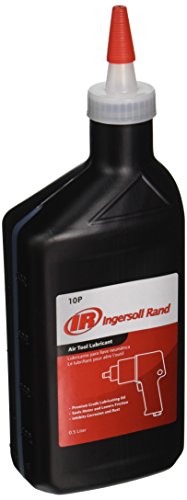
Operating an oil-lubricated compressor pump without the correct lubricant leads to rapid friction wear, valve overheating, and premature cylinder failure. Reciprocating cast-iron and aluminum pumps generate tremendous compression heat, demanding a specialized fluid capable of maintaining a protective film without breaking down. Knowing what oil to use in an air compressor protects internal wrist pins, connecting rods, and delicate reed valves from destructive carbon deposits. Buyers transitioning between oil-free versus oil-lubricated compressor designs often overlook how significantly lubricant choice impacts workshop noise and mechanical longevity.
Selecting the appropriate viscosity rating and oil formulation directly influences cold-weather startup reliability and overall operating efficiency. Standard automotive engine oils contain aggressive detergents that harm splash-lubricated sumps, making dedicated non-detergent or synthetic compressor lubricants essential. Operators must also avoid confusing pump crankcase fluids with inline tool lubricants, as using compressor oil in air tools can gum up delicate pneumatic motor vanes. Understanding factory specifications, ambient temperature conditions, and additive packages ensures your pneumatic system delivers consistent pressure across demanding shop projects.
| Award | Product | ACR Score About ACR ScoreThe ACR Score is our own rating from 0 to 10, based on performance, design and build, ease of use, and value. It reflects independent research and is never influenced by manufacturers, retailers, or affiliate commissions. Learn more › | |
|---|---|---|---|
| Best Overall |
Ingersoll Rand 10P Edge Series Premium Air Tool
|
9.2/10 | Buy |
| Best Premium |
 Mag 1 Air Compressor Oil 1 Gallon (Pack of 1)
|
9.2/10 | Buy |
| Best Budget |
 TRIAX Kompressor ISO 46 SAE 20, Full Synthetic
|
9.1/10 | Buy |
 Milton 1002 High Performance Conventional Air
|
8.8/10 | Buy | |
 Campbell Hausfeld ST1253 Air Compressor Oil
|
8.6/10 | Buy | |
| Best Value |
 Milton 1002-32S Premium Full Synthetic Air
|
8.6/10 | Buy |
 TRIAX Kompressor ISO 68, Full Synthetic
|
8.6/10 | Buy | |
 Ingersoll Rand All Season Select Synthetic Air
|
8.6/10 | Buy | |
 Milton 1002-32 High Performance Conventional Air
|
8.4/10 | Buy | |
 3-IN-ONE Professional Grade Pneumatic Tool Oil
|
8.0/10 | Buy |
Technical Guide to Air Compressor Lubrication and Pump Oil Selection
Selecting the proper lubricant for an air compressor crankcase requires balancing viscosity, base stock stability, and additive chemistry against the thermal demands of pneumatic compression. A reciprocating air pump operates under fundamentally different mechanical conditions than an internal combustion engine, lacking an oil filter and relying heavily on splash lubrication to coat cylinder walls. Choosing the wrong lubricant risks valve carbonization, seal degradation, and premature pump seizure. Understanding the specific functional requirements of your compressor pump ensures dependable pressure delivery, smoother running cycles, and extended equipment life.
The Fundamental Lubrication Requirements of Reciprocating Compressor Pumps
Reciprocating compressor pumps rely on a spinning crankshaft with counterweights or dippers that sling oil droplets across cylinder walls, piston rings, and connecting rod bearings. Because these splash-lubricated systems rarely feature forced-oil circulation pumps or replaceable spin-on oil filters, the lubricant must remain remarkably clean and chemically stable over hundreds of operating hours. As ambient air is drawn in and compressed to high pressures, intense heat is generated at the discharge valve plates. A dedicated compressor oil must withstand these continuous thermal spikes without thinning out or scorching into abrasive particulate matter.
Thermal stability represents the primary defense against valve failure in high-pressure air systems. When standard oils overheat, light petroleum fractions boil away while heavier compounds oxidize into sticky varnish and hard carbon crusts on the discharge reed valves. Once carbon crusts prevent the thin steel reeds from sealing tightly against the valve plate, compressed air leaks back into the cylinder bore on the intake stroke. This backpressure leakage traps heat inside the cylinder head, drastically increases recovery times, and eventually triggers motor thermal overloads. A dedicated compressor fluid maintains film strength to lubricate wrist pins without vaporizing under sustained mechanical loads.
Viscosity Grades Decoded: ISO 100, ISO 68, and ISO 46 Explained
Industrial lubricants follow the International Organization for Standardization viscosity classification system, commonly referred to as the ISO grade. For reciprocating piston compressors, ISO 100 represents the most common specification, roughly corresponding to an SAE 30-weight non-detergent motor oil at operating temperature. Formulations such as Milton 1002 High Performance Conventional Air Compressor Oil and Campbell Hausfeld ST1253 Air Compressor Oil utilize this 30-weight baseline to provide adequate film thickness in moderate to warm workshop environments. In unheated garages during summer months, an ISO 100 oil forms a robust hydraulic barrier that prevents metal-to-metal contact between the piston skirt and the cast-iron cylinder sleeve.
In cooler working conditions, heavier oils thicken dramatically, creating high hydraulic drag that can stall the electric motor during startup. When garage temperatures drop below freezing, an ISO 68 or ISO 46 lubricant, equivalent to an SAE 20-weight fluid, allows the crankshaft to spin freely without tripping a standard 15-amp branch circuit breaker. Industrial options like TRIAX Kompressor ISO 46 SAE 20 Full Synthetic feature advanced multi-viscosity properties that flow freely down to sub-zero temperatures while maintaining high-temperature film strength. Choosing the correct ISO viscosity requires matching your ambient room temperature with the pump manufacturer operating manual.
The Critical Danger of Detergent Motor Oils in Compressor Crankcases
Automotive engine oils are engineered with aggressive detergent and dispersant packages designed to suspend combustion blow-by, soot, and acid until the vehicle reaches its next oil filter change. In an air compressor pump, however, there is neither an internal combustion process nor an oil filter to trap suspended contaminants. When detergent motor oils are poured into a compressor crankcase, the chemical detergents hold moisture and microscopic metal particles in constant suspension throughout the fluid. This contaminated mixture circulates repeatedly across the bearings and cylinder walls, acting as an abrasive lapping compound that accelerates mechanical wear.
Detergent motor oils also contain metallic anti-wear additives, such as zinc and calcium compounds, which break down into powdery ash deposits under compression heat. As air is compressed above one hundred pounds per square inch, discharge temperatures inside the cylinder head can exceed three hundred degrees Fahrenheit. Under these temperatures, automotive detergent additives bake onto the valve plates, creating hard crystalline deposits that destroy valve sealing and reduce CFM output. Over time, these brittle ash deposits can flake off, fall into the cylinder, and score precision-machined piston ring grooves.
Non-detergent mineral oils, such as Milton 1002-32 High Performance Conventional Air Compressor Oil, function on an entirely different physical principle known as sedimentation. Instead of keeping contaminants suspended, a non-detergent formula allows condensed water and heavy wear debris to fall out of suspension and settle harmlessly at the bottom of the crankcase sump. The oil pickup and splash dippers draw clean oil from the upper layer, leaving particulate matter resting quietly below the crankshaft sweep. When the crankcase oil is drained during routine servicing, settled contaminants flush out cleanly through the bottom drain plug.
Full Synthetic versus Conventional Mineral Compressor Oils
Mineral-based compressor lubricants are refined from raw crude petroleum stocks and blended with anti-foaming and rust-inhibiting chemical additives. Products such as Mag 1 Air Compressor Oil provide dependable, cost-effective lubrication for standard hobbyist compressors subjected to light or intermittent duty cycles. Conventional oils perform admirably in stable, climate-controlled environments where operating temperatures remain moderate. However, mineral oils break down more rapidly when exposed to continuous duty cycles, requiring more frequent drainage and filter servicing to prevent sludge formation.
Full synthetic lubricants utilize engineered polyalphaolefin or synthetic ester base stocks that exhibit superior thermal stability and resistance to oxidation. Formulations like Ingersoll Rand All Season Select Synthetic Air Compressor Lubricant and Milton 1002-32S Premium Full Synthetic Air Compressor Oil are designed to operate for thousands of service hours without thermal breakdown. Synthetic fluids maintain a uniform molecular structure that resists shearing under extreme mechanical pressure and prevents carbon deposits from adhering to hot discharge valves. This resilience makes synthetic oil the preferred choice for commercial repair shops and continuous-duty framing crews.
Cold-weather starting reliability highlights another massive practical advantage of premium synthetic lubricants. Conventional mineral oils thicken into a molasses-like consistency when temperatures plunge below freezing, placing immense rotational resistance on the electric drive motor. A full synthetic compressor oil maintains fluid fluidity down to sub-zero temperatures, allowing the compressor to start smoothly without tripping thermal overload switches. For workshops operating in unconditioned spaces or contractors running jobsite compressors in winter, synthetic oil prevents nuisance electrical tripping and dry startup scuffing.
Compressor Pump Oil versus Pneumatic Air Tool Lubricant
One of the most frequent maintenance errors among DIYers is confusing crankcase pump oil with pneumatic air tool lubricant. Compressor pump oil is formulated with a higher viscosity to cushion heavy reciprocating pistons, manage crankcase condensation, and protect crankshaft bearings. In contrast, pneumatic air tool oils, such as Ingersoll Rand 10P Edge Series and 3-IN-ONE Professional Grade Pneumatic Tool Oil, are ultra-light fluids engineered specifically for high-speed rotary vanes and pneumatic o-rings. Pouring thick ISO 100 compressor oil into an impact wrench or framing nailer will gum up the internal shuttle valves, severely reducing tool speed and torque.
Air tool oils also incorporate specialized emulsifiers and moisture-dispersing agents designed to collect atmospheric water and blow it harmlessly through the tool exhaust. Because pneumatic tools expand compressed air rapidly, internal tool temperatures drop precipitously, often creating icy moisture droplets inside the motor chamber. A designated tool lubricant dissolves gum, cleans out varnish, and coats steel cylinder sleeves to prevent flash rusting during storage. Adding pneumatic tool oil into a compressor pump crankcase would result in disastrous foaming, rapid oil starvation, and severe bearing seizure.
Keeping these two fluid types clearly segregated in your workshop prevents accidental cross-contamination. Air tool oil belongs exclusively in an inline lubricator or applied as a few drops directly into the tool air inlet before daily operation. Compressor crankcase oil belongs strictly inside the pump reservoir, monitored via the external sight-glass or dipstick. Respecting this fundamental distinction preserves both the mechanical longevity of your stationary pump and the pneumatic performance of your air tool fleet.
Determining Oil Service Intervals and Monitoring Oil Levels
Monitoring the oil level in a reciprocating pump should become an automatic pre-flight check before powering on your workshop air system. Most modern cast-iron pumps feature a clear acrylic or glass sight-glass located near the base of the crankcase, marked with a central red target dot. The oil meniscus should rest precisely in the center of the sight-glass when the compressor sits on a level floor. Running a pump with the oil level below the sight-glass dot risks starving splash dippers, while overfilling causes excessive oil frothing, high crankcase pressure, and heavy oil carryover into the storage tank.
Routine oil change intervals depend on the base stock used, ambient workshop dust levels, and whether your compressor utilizes belt-drive versus direct-drive compressor configurations. Conventional mineral oils generally require changing every one hundred to two hundred operating hours, or at least twice a year in seasonal workshops. Premium synthetic lubricants can often extend this service window to several hundred hours, depending on manufacturer recommendations and operating environment severity. New compressors always require an initial break-in oil flush after the first ten to twenty hours of operation to purge manufacturing debris and wear shavings.
Visual inspection of the oil appearance provides vital clues regarding internal pump health. Clean compressor oil should look clear to light amber in color through the inspection window. If the lubricant turns a milky white or cloudy gray color, water condensation has emulsified within the sump, signaling that the pump is not running long enough to burn off moisture. If the oil turns dark brown or black, excessive heat or ring blow-by is breaking down the fluid, necessitating an immediate oil change and intake air filter inspection.
Step-by-Step Compressor Pump Oil Change and Flush Procedure
Executing an oil change on a reciprocating compressor pump requires only basic hand tools, an approved drain pan, and fresh non-detergent or synthetic lubricant. Begin by running the compressor for five to ten minutes under mild load to warm the crankcase oil, which suspends particulate debris and thins the fluid for faster draining. Once warm, disconnect the compressor from its electrical power source and release all air pressure through the tank drain valve to ensure complete system depressurization. Positioning an oil catch pan beneath the crankcase drain plug keeps your workshop floor clean and prevents spills.
Unthread the crankcase drain plug carefully, allowing the old lubricant to drain completely into the disposal container. Inspect the drain plug threads for metallic shavings or dark sludge accumulation that might indicate premature bearing or cylinder wall wear. After the sump has drained fully, reinstall the drain plug and snug it securely to prevent slow leaks, using fresh PTFE thread tape if specified by the manufacturer. Remove the oil fill breather cap on top of the pump housing to prepare the crankcase for fresh fluid.
Pour fresh compressor lubricant slowly through the fill port using a clean funnel, pausing periodically to let the fluid settle in the sump. Watch the oil sight-glass closely until the fluid level stabilizes precisely at the center of the target dot. Overfilling can force oil past the piston rings and into your air delivery lines, contaminating downstream paint guns or sanders. Replace the vented breather cap tightly, reconnect electrical power, and run the pump unloaded for two minutes to verify that the sight-glass level remains stable and that no oil seeps past the drain plug.
Preventing Moisture Emulsification and Valve Carbonization
Compressor pumps inhale ambient atmospheric humidity along with intake air, creating a natural tendency for moisture to condense inside the crankcase. When a compressor cycles only for short bursts, such as inflating a single car tire, the pump never reaches its optimal operating temperature of approximately one hundred eighty degrees Fahrenheit. Without sufficient heat, condensed water cannot boil off into vapor through the crankcase breather vent, leading to oil emulsification and rapid bearing corrosion. Ensuring the pump runs long enough during weekly shop tasks to reach operating temperature vaporizes condensation and preserves oil integrity.
Valve carbonization represents the other major operational hazard in unmaintained compressor pumps. When oil carryover enters the cylinder head, extreme compression heat bakes thin oil films onto the exhaust reed valves and valve seats. Over time, these carbon layers disrupt valve timing, trap extreme heat inside the cylinder head, and degrade airflow efficiency. Consulting an air tank sizing guide can help you balance tank buffer capacity against continuous tool demand, preventing rapid pump short-cycling that exacerbates both thermal stress and moisture buildup.
Choosing the correct lubricant for your air compressor pump comes down to understanding your specific equipment architecture, duty cycle intensity, and ambient climate. Pairing a dedicated ISO 100 non-detergent mineral oil or a high-performance all-season synthetic with consistent level monitoring keeps internal bearings, wrist pins, and delicate reed valves protected against excessive heat and wear. Respecting the clear distinction between pump crankcase oils and pneumatic tool lubricants ensures both your compressor and your air tools perform reliably across every workshop task.
About the author
Tony Carrick is an experienced product researcher and writer specializing in tools, home improvement, automotive maintenance, and consumer equipment. With extensive experience reviewing tools and tackling hands-on renovation projects, he brings a buyer-focused perspective to compressor performance, usability, and overall value.