
How to Add Oil to an Air Compressor: Practical Guide
How to add oil to air compressor safely: check the pump type, use the specified lubricant, and avoid overfilling. Updated for November 2026.
 By Tom Scalisi
Updated November 10, 2026

An oil-lubricated compressor needs the right lubricant at the right level, while an oil-free pump should not receive oil at all. That distinction matters: adding oil to the wrong opening or using a fluid not approved for the pump can cause trouble instead of helping maintenance.
If you’re learning how to add oil to air compressor equipment, start with the model’s owner manual and identify the pump’s oil fill, sight glass, and drain points before opening anything. The product information here includes compressor oils, air-tool lubricants, and small oiling accessories, but those products are not interchangeable. For related service questions, the site’s air compressor service information can help frame when maintenance or repair may be appropriate.
Oil type, viscosity, and fill level depend on the compressor manufacturer and pump design. Some listed lubricants are identified as non-detergent compressor oils for reciprocating pumps, while other products are meant for pneumatic tools or inline lubrication. This guide explains how to distinguish those uses, add pump oil cautiously, and recognize when a compressor should not be topped up.
| Award | Product | ACR Score About ACR ScoreThe ACR Score is our own rating from 0 to 10, based on performance, design and build, ease of use, and value. It reflects independent research and is never influenced by manufacturers, retailers, or affiliate commissions. Learn more › | |
|---|---|---|---|
| Best Overall |
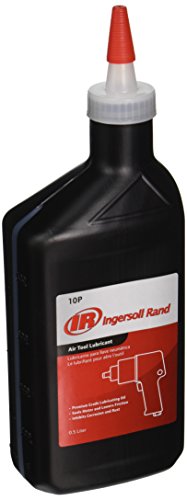
Ingersoll Rand 10P Air Tool Oil, 1 Pint
|
9.2/10 | Buy |
| Best Premium |
 Mag 1 1-Gallon Air Compressor Oil |
9.2/10 | Buy |
| Best Budget |
 Triax Kompressor ISO 46 SAE 20 Full Synthetic Air |
9.1/10 | Buy |
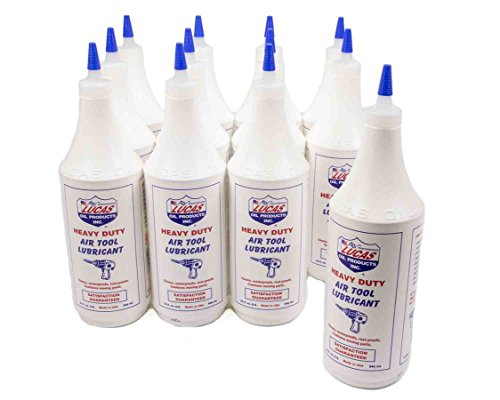 Lucas Oil Products 10200 Air Tool Lubricant |
9.1/10 | Buy | |
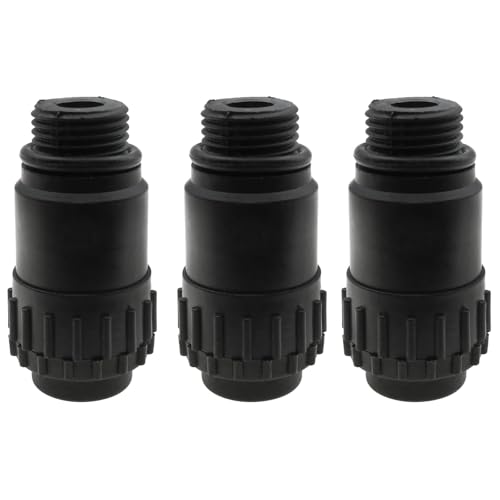 Sunnates 15.5mm Compressor Oil Plugs (3-Pack) |
8.8/10 | Buy | |
 Lucas Oil 10216 Air Tool Lubricant & Tool Box |
8.8/10 | Buy | |
 Milton 1002 SAE 30W Compressor Oil, 1 Gallon |
8.8/10 | Buy | |
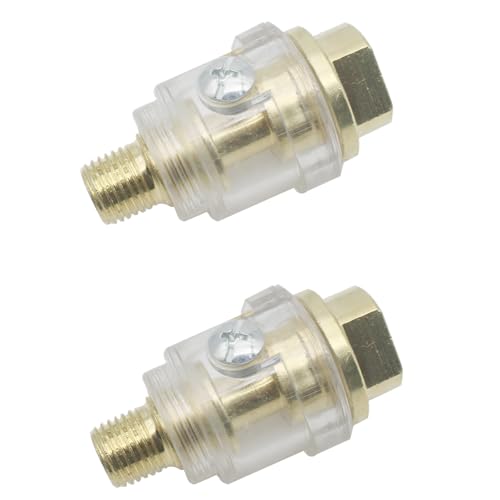 OZXNO 1/4" NPT Mini In-Line Oiler (2-Pack) |
8.6/10 | Buy | |
| Best Value |
 TRIAX Kompressor ISO 68 Full Synthetic Air |
8.6/10 | Buy |
 Milton 1002-32 ISO-100 Compressor Oil, 32 oz |
8.4/10 | Buy |
Ingersoll Rand 10P Air Tool Oil, 1 Pint
Formulated for pneumatic equipment upkeep, the Ingersoll Rand 10P delivers premium-grade lubrication in a compact one-pint container. It serves as a dependable fluid for mechanics and workshops focused on extending the service life of air-powered tools.
Pros
- Formulated specifically for pneumatic mechanisms
- Compact and easily portable 1-pint bottle
- Lightweight design under one pound
- Official Ingersoll Rand Edge Series lubricant
Cons
- One-pint volume may run out quickly in high-volume shops
- Single-purpose lubricant restricted to pneumatic tool use
Mag 1 1-Gallon Air Compressor Oil
Formulated for reliable workshop maintenance, Mag 1 Air Compressor Oil uses refined petroleum base stocks paired with anti-foam additives to maintain stable lubrication. The generous one-gallon volume makes it a practical choice for keeping reciprocating or stationary compressors running smoothly over time.
Pros
- Anti-foam additives maintain steady lubrication
- Refined petroleum stocks promote smooth operation
- Formula helps extend compressor service life
- Generous 1-gallon volume handles multiple refills
Cons
- Jug weighs 7.25 pounds and can be heavy to pour
- One-gallon size may exceed small top-off needs
Triax Kompressor ISO 46 SAE 20 Full Synthetic Air
Triax Kompressor ISO 46 SAE 20 is a commercial-grade, full synthetic non-detergent compressor oil engineered for oil-lubricated reciprocating, rotary screw, and vane pumps operating in temperatures from -49°F to over 140°F. It provides exceptional thermal protection and extended component life for garage mechanics and shop owners maintaining heavy-duty pneumatic systems.
Pros
- Extreme all-weather operating range from -49°F to 140°F+ prevents cold-start motor stalling and high-heat viscosity breakdown
- Non-detergent full synthetic formula protects internal bearings and provides up to 20,000 hours of service longevity
- Lowers operating pump temperatures by 30% and actively sheds condensation to prevent internal crankcase rust
- Compatible with oil-lubricated reciprocating, rotary screw, and rotary vane compressor pumps from major manufacturers
Cons
- Not suitable for oil-free or maintenance-free dual-piston compressor designs that do not use crankcase oil
- Explicitly prohibited for use in breathing air systems, oxygen compressors, or liquid natural gas (LNG) units
- Single-quart volume may require purchasing multiple bottles for larger stationary 60-gallon or 80-gallon shop pump crankcases
Sunnates 15.5mm Compressor Oil Plugs (3-Pack)
Designed for piston air compressors, this three-pack of Sunnates 15.5mm breather vent plugs offers an easy replacement for worn or leaking factory caps. The threaded plastic construction helps manage internal pressure while keeping oil contained.
Pros
- Includes three replacement plugs in one package
- Straightforward screw-in installation
- Helps release pressure while containing oil
- Standard 15.5mm thread fits common piston compressors
Cons
- Plastic construction rather than durable metal
- Only fits machines requiring 15.5mm thread ports
Lucas Oil 10216 Air Tool Lubricant & Tool Box
Lucas Oil 10216 Air Tool Lubricant is a 16-ounce pneumatic maintenance fluid formulated to protect internal tool mechanisms, displace moisture, and condition O-rings. It provides dependable, cost-effective care for DIYers, carpenters, and mechanics running air nailers, impact wrenches, and ratchets.
Pros
- Generous 16-ounce pint container offers a long-lasting supply for daily pneumatic tool maintenance
- Helps protect internal pneumatic tool vanes, bearings, and O-rings against line moisture and friction
- Versatile formula doubles as an effective general utility lubricant for shop hardware and sticky mechanisms
- Formulated by a reputable lubrication brand known for dependable automotive and workshop fluid products
Cons
- Requires manual application into air tool inlets before work sessions unless an inline lubricator is installed
- Not intended for use as an air compressor pump crankcase oil; formulated strictly for air tools and utility lubrication
- Standard pint bottle may require a separate needle-nose dropper for mess-free oiling of compact finish nailer inlets
Milton 1002 SAE 30W Compressor Oil, 1 Gallon
Milton 1002 is a non-detergent ISO-100 SAE 30W conventional lubricant engineered specifically for reciprocating air compressors. The one-gallon capacity makes it a sensible option for regular workshop equipment upkeep.
Pros
- Non-detergent formula tailored for reciprocating compressors
- Standard ISO-100 SAE 30W viscosity rating
- Generous one-gallon volume covers multiple refills
Cons
- Conventional mineral formula instead of synthetic blend
- Heavy container can be awkward to pour directly
OZXNO 1/4" NPT Mini In-Line Oiler (2-Pack)
Delivering continuous lubrication directly to pneumatic equipment, these compact oilers help protect internal components from premature wear. A clear reservoir allows quick visual oil checks right at the air inlet.
Pros
- Clear housing enables fast fluid monitoring
- Standard 1/4-inch NPT threads fit most air tools
- Compact footprint adds minimal bulk to setups
- Comes in a practical two-piece set
Cons
- Copper-plated iron instead of solid brass
- Compact oil reservoir requires regular refilling
TRIAX Kompressor ISO 68 Full Synthetic Air
TRIAX Kompressor ISO 68 is a commercial-grade, full synthetic compressor lubricant engineered for oil-lubricated reciprocating, rotary screw, and vane pumps operating between -49°F and 140°F+. It is an excellent maintenance solution for auto mechanics, shop owners, and contractors seeking lower pump operating temperatures and up to 20,000 hours of service life.
Pros
- Extended 20,000-hour service life minimizes routine maintenance intervals on high-demand shop compressors
- All-season stability from -49°F to 140°F+ prevents cold-morning motor drag and high-heat viscosity breakdown
- Non-detergent formulation separates condensation cleanly to safeguard internal crankcase bearings
- Broad compatibility across major reciprocating, rotary screw, and rotary vane compressor manufacturers
Cons
- Not suitable for maintenance-free oil-free compressor designs or oxygen and Liquid Natural Gas (LNG) systems
- One-gallon container size exceeds the immediate refill capacity of small single-stage DIY splash-lube pumps
Milton 1002-32 ISO-100 Compressor Oil, 32 oz
Formulated specifically for oil-lubricated reciprocating compressors, this ISO-100 non-detergent lubricant shields pumps against wear and deposit buildup. It separates easily from moisture and remains fluid down to -15°F for dependable cold-weather starts.
Pros
- Protects internal components against wear and corrosion
- Non-detergent formula resists foaming and separates water
- Inhibits sludge and carbon deposit formation
- Maintains fluidity in temperatures down to -15°F
Cons
- Designed strictly for reciprocating pump mechanisms
- Conventional oil base rather than full synthetic
How to Add Oil to an Air Compressor Without Guesswork
The safe approach is to confirm that the compressor has an oil-lubricated pump, use the lubricant and fill level specified for that model, and add oil only through the identified pump fill opening. Never assume that a bottle labeled for air tools belongs in the compressor crankcase. The product label and owner manual should agree on the intended application before you pour anything.
Identify the pump and the correct oil opening
First, check the model plate and owner manual for the pump type and lubrication requirements. An oil-free compressor does not need pump oil, and opening a cap that looks like a fill port may instead expose a breather or another component. On an oil-lubricated model, the manual may identify a fill cap, dipstick, sight glass, or another level indicator; designs vary, so do not rely on a generic picture or a cap’s appearance alone.
Separate pump oil from pneumatic tool oil. Compressor pump oil lubricates internal moving parts in an oil-lubricated pump, while air-tool oil is intended for tools connected to the air line or for a specified tool inlet. In the supplied listings, Ingersoll Rand 10P Edge Series Premium Air Tool and Lucas Oil 10216 Air Tool Lubricant & Tool Box Buddy are presented as air-tool lubricants, not as universal compressor crankcase oils.
The compressor oil listings have different stated applications and characteristics. Milton 1002 High Performance Conventional Air is identified as ISO-100 SAE 30W non-detergent lubricant for reciprocating compressors, and its product information says it is for oil-lubricated reciprocating models. Mag 1 Air Compressor Oil is described as a compressor oil with anti-foam agents, while the TRIAX Kompressor products are listed as non-detergent oils for multiple compressor designs. Those descriptions are useful context, but they do not override the exact lubricant recommendation in your own manual.
Prepare the compressor before opening the pump
Switch the compressor off, disconnect its power source, and let hot parts cool before servicing. Depressurize the tank completely according to the manufacturer’s instructions, and verify that stored air is released before handling fittings or maintenance openings. Wear suitable eye protection, work on a stable surface, and keep dirt away from the fill opening because debris entering the pump can contaminate the lubricant.
Locate the pump’s specified oil-level indicator before removing the fill cap. If the unit has a sight glass, position the compressor as the manual directs so the level reading is meaningful; an inclined tank or uneven floor can make a reading misleading. If the level is checked with a dipstick, follow the stated method rather than assuming it should be screwed in or left resting on the opening.
Inspect the existing oil before topping up. A low reading may call for a small addition, but oil that looks contaminated, unusually dark, or milky can indicate a maintenance or moisture concern that a simple top-up will not resolve. If the pump is leaking, the level keeps dropping, or the sight glass is damaged, stop and consult the manual or a qualified service provider rather than running the machine and hoping the problem clears.
Add small amounts and verify the level
Remove only the fill cap identified by the manufacturer. Pour the specified compressor oil slowly, using a clean funnel if appropriate, and pause to let the oil settle before checking the level again. Add a little at a time; the target is the manual’s marked range or stated quantity, not a completely full housing.
Do not estimate capacity from the size of the compressor, tank, or oil bottle. A larger air receiver does not necessarily mean a larger crankcase, and pump designs vary even among compressors with similar tank shapes. If the level indicator has minimum and maximum marks, keep the reading within that range and avoid filling above it.
Replace the fill cap or dipstick as directed and wipe away any spilled oil before restoring power. Check that the opening is secure and that no oil is pooled on hot surfaces or near electrical components. If the manual calls for an oil change rather than a top-up, follow its drain and refill procedure, including the specified oil type and amount; do not treat topping up as a substitute for scheduled service.
Before using the compressor, confirm that guards and service covers are back in place and that the work area is clear. Reconnect and operate the unit only as the manufacturer directs, then shut it down and recheck for leaks or an abnormal level change if the manual recommends a post-service inspection. Keep hands and clothing clear of moving parts, and never remove a cap while the pump is operating or hot.
Know which listed products suit the task
Product descriptions can help narrow a lubricant choice, but their intended use needs careful reading. Milton 1002 is presented as a non-detergent oil for reciprocating air compressors, and Milton 1002-32 High Performance Conventional Air is described as suitable for oil-lubricated reciprocating compressors. These are more directly relevant to that pump category than a bottle explicitly labeled for air tools, although the compressor manufacturer’s recommendation remains the deciding specification.
TRIAX Kompressor ISO 46 SAE 20 and TRIAX Kompressor ISO 68 are described as non-detergent oils for rotary, vane, screw, and reciprocating compressor applications. Their product information also states they are not for oxygen-air or liquid natural gas compressors. Because viscosity and pump design affect suitability, do not select between ISO 46 and ISO 68 by guesswork or climate alone; verify the compressor’s stated grade and allowed alternatives first.
Lucas Oil Products 10200 Air Tool Lubricant and Lucas Oil 10216 Air Tool Lubricant & Tool Box Buddy are identified as air-tool lubricants. The OZXNO mini inline oiler is a separate accessory for metering oil into an air-tool line, not a method for filling a compressor pump. An inline oiler can put lubricant into downstream air, which may be unsuitable for paint finishing or other work requiring clean air, so use one only where the tool and application permit it.
The 3 PCS Thread Oil Plug Connector External Thread is a replacement oil plug component, not lubricant. Its listing gives a 15.5 mm thread size and advises buyers to confirm size, so it should not be treated as universal. A replacement cap that does not match the compressor can leak or fail to seal; identify the original part and confirm the measurements and thread before ordering.
Recognize symptoms that need more than a top-up
A falling oil level can point to leakage, a loose fill cap, or another issue that needs investigation. Look for fresh oil around the pump and its service points, but do not dismantle the pump unless the manufacturer provides an appropriate procedure. If oil is reaching the air stream, tools, or work surface, stop using the compressor until the source and correct remedy are clear.
Milky-looking oil can be associated with moisture, while unusually dark or dirty oil may signal that service is due. Appearance alone cannot diagnose the pump, and the correct change interval depends on the compressor’s manual and operating conditions. Use the prescribed interval and inspection method rather than adopting a schedule from another brand or a general online recommendation.
Excess oil can be as problematic as too little. Overfilling may cause oil carryover or leakage, depending on pump design, so do not try to improve lubrication by exceeding the stated level. If the reading is above the maximum mark, follow the manufacturer’s instructions for correcting it before running the compressor.
A compressor that suddenly runs differently after maintenance deserves a cautious check. Stop it if you hear an unfamiliar mechanical noise, see a continuing oil leak, or notice smoke or an unusual smell. Do not adjust pressure switches, bypass safety devices, or continue operation to test whether the symptom disappears; refer to the manual or qualified service support.
Keep oil maintenance separate from air-system safety
Compressor oiling does not replace routine receiver and air-line maintenance. Follow the owner manual for draining tank condensation, checking fittings, and maintaining regulators or filters. Depressurize the tank completely before servicing connected components, and use suitable eye and hearing protection whenever operating air equipment.
Oil-lubricated pumps can send oil mist downstream, so an application that needs clean air may require filtration or a different compressor arrangement. Paint spraying and fine finishing are especially sensitive to contamination; an inline tool oiler is not a substitute for appropriate air treatment. Confirm the requirements of the tool and finish process instead of assuming that a regulator alone removes oil or moisture.
Pressure safety deserves its own attention. Do not exceed the compressor’s stated pressure limits or alter factory controls, and do not block or disable the safety relief valve. For a broader explanation of pressure-related precautions, see the air compressor pressure safety guide. Follow the manual for any relief-valve checks and keep servicing separate from operating a pressurized tank.
Oil changes also do not fix inadequate air delivery. A compressor that cannot keep up with a continuous tool may need a different air-supply setup, while an intermittent nailer can use air in short bursts with pauses between cycles. Check the compressor’s stated output and the tool’s air requirements instead of assuming fresh oil will increase CFM or solve pressure loss.
For a practical service decision, first verify whether the pump is oil-lubricated, then match the lubricant and level to the exact manual. Use small additions, stop at the specified range, and investigate recurring loss, contamination, or leaks instead of repeatedly topping up. That method keeps air-tool oils, compressor oils, and replacement plugs in their proper roles while reducing the risk of avoidable pump or air-quality problems.
About the author
Tom Scalisi brings more than two decades of experience in construction, building maintenance, contracting, and hands-on tool use. His practical understanding of power tools, automotive work, repairs, and jobsite equipment helps readers evaluate compressors based on real workloads rather than specifications alone.