
Gas vs Electric Air Compressor of 2026 Workshop Guide
Compare gas vs electric air compressor models for October 2026 to balance high CFM jobsite output against quiet garage convenience.
 By Tom Scalisi
Updated October 8, 2026
By Tom Scalisi
Updated October 8, 2026
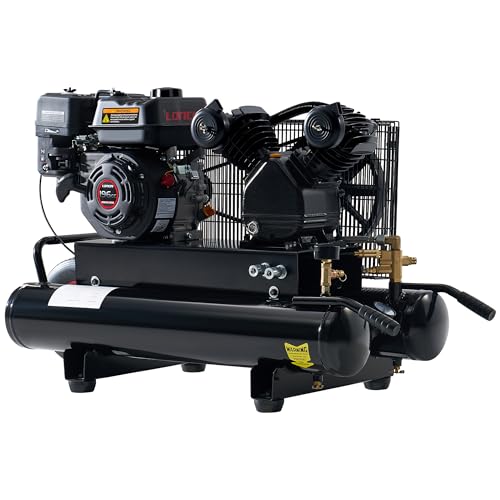
Tripped 15-amp breakers during chilly shop mornings often bring framing projects to a sudden halt, while remote jobsites leave crews completely stranded without utility power. Selecting the right setup between a gas vs electric air compressor comes down to where you work and how much continuous airflow your pneumatic tools require. An engine-driven rig delivers massive CFM delivery at 90 PSI for heavy framing crews, while a plug-in unit avoids toxic exhaust fumes and deafening motor racket inside closed spaces. Understanding how much CFM your air tools require prevents sudden pressure drops when running high-demand equipment.
Careful evaluation of pump designs, tank configurations, and motor ratings shows that mobility and duty cycle dictate your daily workflow. Gas models like pontoon or wheelbarrow units feature robust cast iron cylinders built for all-day framing or roofing without overheating. On the other hand, electric pancake and portable options offer low-maintenance oil-free pump operation, quick tank recovery, and clean storage for indoor trim or auto repair. Knowing what size air compressor works best for home use helps narrow down whether portable 120V convenience or standalone gas horsepower makes practical sense for your workshop.
| Award | Product | ACR Score About ACR ScoreThe ACR Score is our own rating from 0 to 10, based on performance, design and build, ease of use, and value. It reflects independent research and is never influenced by manufacturers, retailers, or affiliate commissions. Learn more › | |
|---|---|---|---|
| Best Overall |
Albott 6.5HP Gas Powered Air Compressor 8 Gallon
|
9.1/10 | Buy |
| Best Budget |
 Tire Inflator Portable Air Compressor
|
8.8/10 | Buy |
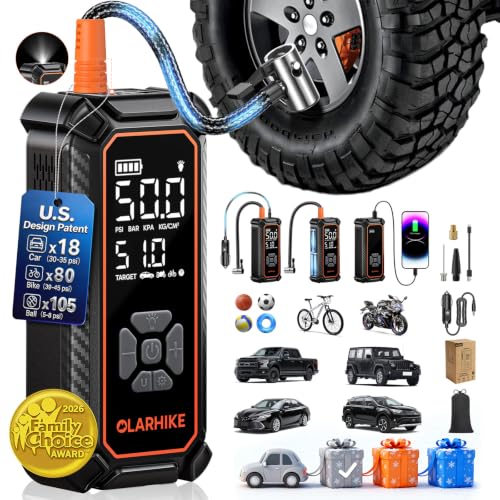 OlarHike Tire Inflator Portable Air
|
8.8/10 | Buy | |
| Best Premium |
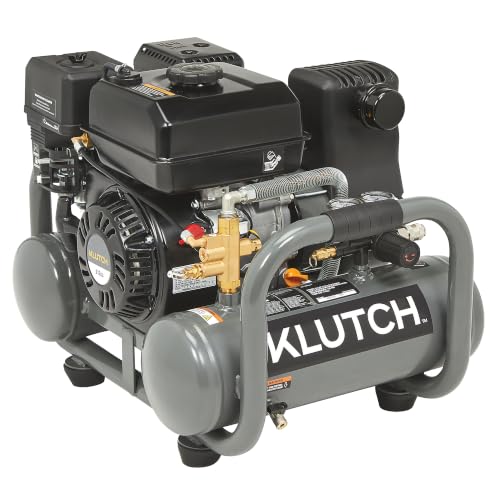 Klutch 4-Gallon Pontoon Air Compressor, 6.5 HP
|
8.6/10 | Buy |
 AstroAI AIRUN H Tire Inflator Portable Air
|
8.4/10 | Buy | |
| Best Value |
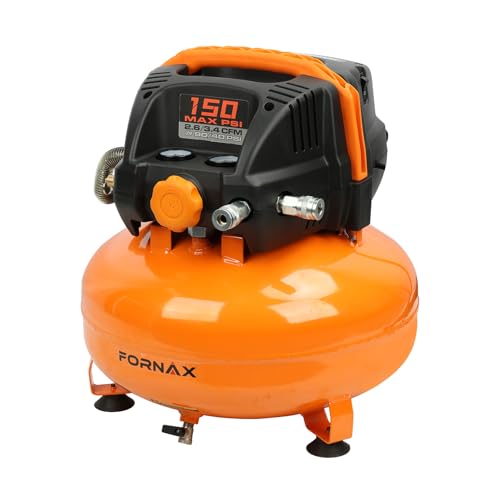 FORNAX Pancake Air Compressor with two couplers
|
8.4/10 | Buy |
 Metabo HPT Portable Pancake Air Compressor
|
8.3/10 | Buy | |
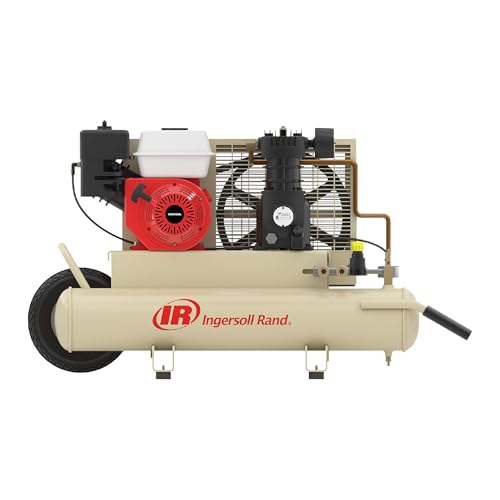 Ingersoll Rand SS3J5.5GH-WB 5.5 HP Gas Air
|
8.3/10 | Buy | |
 VEVOR 12V Air Compressor with 1.6 Gallon Tank
|
8.1/10 | Buy | |
 CRAFTSMAN 6 Gallon 150 PSI Oil-Free Pancake Air
|
8.1/10 | Buy |
Pneumatic Power Considerations and FAQs
Can you safely run a gas air compressor inside a garage?
No, gas-powered air compressors produce dangerous carbon monoxide exhaust and must operate exclusively outdoors in well-ventilated spaces. Running an internal combustion engine indoors poses severe health hazards and fire risks. For indoor garage mechanics or woodworkers, an electric model running on standard 120V household power provides safe, fume-free air delivery without ventilation worries.
Which option delivers higher CFM for continuous pneumatic tools?
Gas air compressors generally deliver significantly higher CFM ratings than standard 120V electric units. A typical 5.5 to 6.5 HP gas engine can produce over 5 to 9 CFM at 90 PSI, easily handling multiple framing nailers, spray guns, or continuous impacts. Most 120V electric pancake compressors top out around 2.6 to 4 CFM at 90 PSI due to 15-amp household circuit limitations.
Do gas air compressors require more maintenance than electric units?
Yes, gas compressors require engine upkeep including regular oil changes, spark plug checks, air filter cleanings, and fuel stabilization. Electric compressors, especially oil-free configurations, require virtually zero pump maintenance aside from daily tank condensation draining. If you choose an oil-lubricated machine, reviewing what type of oil to use in your compressor ensures long pump life.
Are electric air compressors quieter than gas models?
Yes, electric compressors are notably quieter and produce less vibration than gas-powered engines. While a gas engine operating on a jobsite often exceeds 85 to 95 dBA, many quiet electric models run below 70 dBA for comfortable basement or garage work. Electric power eliminates engine combustion noise, making daily projects much easier on your ears.
How does pump stage design affect gas versus electric air performance?
Single-stage pumps compress air to final pressure in one stroke, making them common on portable pancake and small gas units up to 135 to 155 PSI. Two-stage designs compress air twice to deliver higher pressures above 175 PSI for heavy industrial air demands. Comparing a two-stage vs single-stage compressor helps you decide if your tools demand higher continuous pressure output.
About the author
Tom Scalisi brings more than two decades of experience in construction, building maintenance, contracting, and hands-on tool use. His practical understanding of power tools, automotive work, repairs, and jobsite equipment helps readers evaluate compressors based on real workloads rather than specifications alone.