
Do You Need Teflon Tape for Air Compressor Fittings
Do you need teflon tape for air compressor fittings? Learn which threaded joints need sealant, where tape can cause problems, and how to check leaks in November 2026.
 By Bob Beacham
Updated November 9, 2026
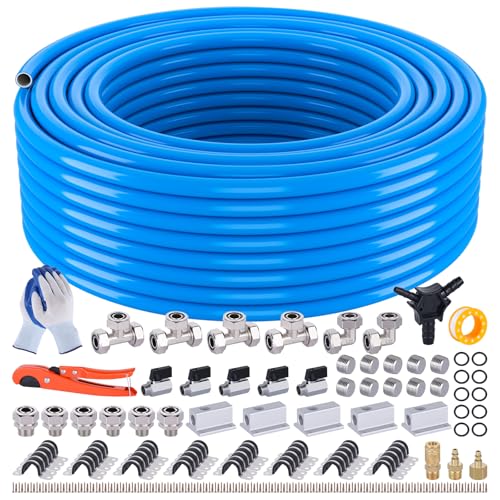

A small leak at a threaded joint can make a shop compressor cycle more often and leave less air available when you need it. Do you need teflon tape for air compressor fittings? Often, yes for tapered pipe threads, but not for every fitting in an air delivery system. The connection design matters: tape may help seal compatible male and female pipe threads, while an O-ring, gasket, or compression seat is intended to seal by a different method.
That distinction is useful when installing a wall-mounted air line, replacing a threaded adapter, or working with a kit that includes both tape and O-rings. The MOLAVIEE Shop Air Line Kit listing includes Teflon tape and O-rings, as well as HDPE-aluminum tubing and fittings, so installers should follow the instructions for each connection rather than treating every joint alike. For a broader look at equipment for a home shop, see our home mechanic compressor guide.
| Award | Product | ACR Score About ACR ScoreThe ACR Score is our own rating from 0 to 10, based on performance, design and build, ease of use, and value. It reflects independent research and is never influenced by manufacturers, retailers, or affiliate commissions. Learn more › | |
|---|---|---|---|
| Best Overall |
MOLAVIEE 3/4-Inch x 200-Ft Air Line Kit
|
8.4/10 | Buy |
MOLAVIEE 3/4-Inch x 200-Ft Air Line Kit
Designed for workshop air distribution, this 170-piece system utilizes triple-layer HDPE-aluminum tubing capable of handling up to 200 PSI. It includes dedicated cutting tools and mounting hardware for solder-free installation across walls, ceilings, or underground runs.
Pros
- Corrosion-resistant triple-layer HDPE and aluminum tubing
- Includes pipe cutter, bevel tool, and mounting clips
- No glue or soldering required for installation
- Approved for underground burial and overhead mounting
Cons
- Working pressure drops to 160 PSI at 140 degrees
- Requires 6 to 8 inches of turning bend radius
Using Teflon Tape on Air Compressor Fittings
PTFE thread-seal tape, often called Teflon tape, is generally used on compatible tapered pipe threads to fill the small spiral clearance between male and female threads. It is not a universal air-fitting sealant, and it should not be applied automatically to every joint in a compressed-air line. First identify the thread type and the sealing method specified by the fitting or piping manufacturer.
Why tapered pipe threads may need tape
Tapered pipe threads tighten as the male and female threads engage, creating pressure along the thread flanks. The threads themselves can still leave a helical path for air to escape, so a compatible sealant may be specified to fill that path. Tape can serve that purpose when the fitting manufacturer permits it and the tape is suitable for the application.
Air compressors make small leaks worth addressing because the pump may run more often to restore pressure, especially if a leak is present while the system sits unused. A leak can also make it harder to distinguish a fitting problem from a hose, regulator, drain, or tool connection leak. Tape is one possible part of a correct threaded connection, not a substitute for properly matched threads or sound fittings.
Thread standards matter. NPT tapered pipe threads are common in pneumatic equipment, but an air system may also use straight threads, metric threads, quick-connect plugs, compression fittings, or proprietary connections. A similar-looking thread is not necessarily interchangeable, and forcing mismatched parts together can damage threads or create a joint that leaks under pressure.
Identify the joint before reaching for tape
Look at how the fitting is designed to seal. A tapered threaded adapter may rely on thread sealant; a straight thread may seal against an O-ring, washer, gasket, or machined face instead. Push-to-connect tubing fittings typically seal around the tubing with an internal sealing element, while quick-connect couplers seal through their own internal components.
Do not wrap tape over an O-ring or place it on a surface designed to meet a gasket. Doing so can interfere with seating, distort the seal, or leave material where it does not belong. A joint that uses an O-ring should have the correct, undamaged O-ring in its intended position, and the maker’s assembly directions should take priority over a general rule about tape.
The product information for the MOLAVIEE Shop Air Line Kit lists O-rings and Teflon tape among the included parts, alongside several NPT plugs and fittings. That indicates the kit has connection types for which the included sealing items may be relevant, but the listing does not specify which exact joint uses tape and which uses an O-ring. Check the included instructions or ask the manufacturer if the connection method is unclear.
Applying tape without obstructing the air path
Start with clean, undamaged male threads and confirm the tape is rated for the service and compatible with the fitting materials. Keep the first thread or two clear so loose tape is less likely to extend into the passage as the fitting is tightened. Wrap the tape in the direction the fitting turns during assembly, which helps it stay in place instead of bunching up.
Use a neat, even wrap rather than a thick wad. Too much tape can make a fitting difficult to engage, encourage cross-threading, or create fragments that enter the air passage. The required amount depends on the tape and thread; follow the tape and fitting manufacturer’s instructions instead of relying on a fixed number of wraps for every connection.
Engage the threads by hand first and make sure they turn smoothly. Resistance right away, a visibly crooked fitting, or metal particles can indicate cross-threading or damaged threads; stop rather than forcing the parts together. Use the appropriate tool to tighten the fitting as directed, but avoid excessive force that may damage a fitting, block, or port.
Tape is not a remedy for a cracked fitting, worn threads, or incompatible components. Replace damaged parts with components specified for the system and its operating pressure. Do not exceed the pressure limit of any pipe, fitting, hose, or accessory, even if another part of the system is rated higher.
Connections that usually need a different sealing method
Quick-connect couplers are not sealed by wrapping tape around the plug where it enters the coupler. Their internal sealing elements and the threaded mounting connection are separate things: the coupler’s port may require a specified thread sealant, while the plug-to-coupler interface relies on the coupler’s design. Apply tape only to a threaded port when that port’s connection instructions call for it.
Compression fittings seal by compressing a ferrule or similar component around tubing, not by sealing the exposed thread with tape. Tape on those threads can interfere with assembly or conceal a mismatch without fixing the actual sealing surface. Likewise, a push-to-connect fitting generally seals at the tubing interface, so check tube preparation, insertion, and fitting instructions rather than adding tape to the tubing.
Some straight-thread fittings use an O-ring or sealing washer under a shoulder. Tape on those threads may prevent the shoulder from seating correctly or may give the impression that a damaged seal has been repaired. If the connection continues to leak, inspect the intended sealing surface and replace a worn seal with the specified part.
Thread sealant paste is another option for some threaded joints, but it is not automatically interchangeable with PTFE tape. Compatibility can depend on materials, pressure, temperature, and the manufacturer’s instructions. Do not combine tape and paste unless the fitting maker explicitly recommends that method.
Checking for leaks after assembly
Before assembly or service, switch off and isolate the compressor, then release stored pressure in accordance with the equipment instructions. Never loosen a pressurized fitting. Use suitable eye protection, and keep hands and face away from escaping air when the system is brought back into service.
After making the connection, restore pressure gradually by following the compressor and piping instructions. Listen for escaping air and use an appropriate leak-detection solution if permitted by the equipment manufacturer; bubbles can help identify a leak at a joint. Keep liquid away from electrical components and follow the solution’s directions, then clean or dry the area as instructed.
A hiss may come from somewhere other than the newly taped joint. Check nearby couplers, hose ends, regulator connections, drain valves, and accessories one at a time rather than tightening every fitting indiscriminately. A regulator or compressor that cycles while no air is being used can point to a leak, but it does not identify the leak’s location by itself.
If bubbles appear at a threaded joint, depressurize the system completely before taking it apart. Inspect both threads for damage, remove old tape or sealant without scratching the sealing surfaces, and reassemble using the prescribed method. Do not keep tightening a leaking joint under pressure, and do not use a pressure adjustment to mask a plumbing leak.
What the MOLAVIEE line kit information supports
The listed MOLAVIEE Shop Air Line Kit includes 3/4-inch, 200-foot HDPE-aluminum tubing, aluminum blocks, assorted fittings, O-rings, Teflon tape, a beveling tool, and a pipe cutter. Its description specifies a maximum working pressure of 200 PSI at 73°F and 160 PSI at 140°F. Those figures are product-description limits, not a reason to operate above the rating of any connected component.
The product description says the system uses a triple-layer HDPE-aluminum construction and is intended for workshop and garage air piping. It also describes installation as requiring no glue or soldering and includes tools for preparing the tubing. Those statements do not establish that every joint is assembled the same way, so follow the kit’s connection-specific directions for tubing, blocks, threaded adapters, and seals.
A shop piping kit is different from a compressor itself. It distributes compressed air from the compressor to work areas, but the compressor still needs to supply air appropriate for the connected tools and operating conditions. Teflon tape can help seal a suitable threaded junction; it cannot increase compressor output, correct a restrictive line, or make an undersized fitting safe.
For spray equipment, air quality and pressure control deserve separate attention from thread sealing. Moisture or oil in the air can affect a finish, while pressure losses through a line or regulator can affect tool operation. Our air compressor and paint spray gun guide covers the tool-matching context; use the spray gun maker’s air-quality and pressure requirements for the actual setup.
Common causes of repeat leaks
Cross-threading is a frequent reason a joint will not seal reliably. The fitting may begin at an angle, bind early, or show a gap that is uneven around the connection. Take it apart only after pressure is fully released, inspect for damage, and replace compromised parts rather than trying to compensate with extra tape.
Excess sealant can also create problems. Loose tape fragments may enter a passage, while a thick layer can keep threads from engaging as intended. A restrained, tidy application on the correct thread is preferable to adding layer after layer to a joint that should be inspected for a damaged thread or incorrect part.
Wrong thread type and wrong sealing method are easy to confuse because fittings can look similar. A fitting that tightens but leaks may be a straight-thread component being treated like a tapered pipe fitting, or two incompatible standards may have been paired. Check markings, part documentation, and thread specifications instead of forcing the parts to fit.
Temperature and pressure ratings matter in a complete system. The MOLAVIEE listing gives different maximum working pressures at two stated temperatures, illustrating why a rating should be read with its conditions rather than treated as universal. Use the lowest applicable rating among the compressor, pipe, hose, fittings, regulator, and accessories, and follow each manufacturer’s safety instructions.
Choosing the right response to a leaking fitting
For a confirmed tapered threaded joint that permits tape, clean and inspect the threads, apply compatible tape neatly, and reassemble as directed. For an O-ring, gasket, compression, or push-to-connect seal, address that sealing element or assembly method instead. If the fitting type cannot be identified, pause and consult the component documentation before pressurizing the line.
Do not use tape to compensate for an incorrectly sized port, a cracked block, a damaged coupler, or tubing that is not properly seated. Replacement parts should match the specified thread, material, pressure rating, and connection style. If the system repeatedly leaks or a component appears damaged, a qualified service provider or the manufacturer can help identify the correct replacement.
Routine inspection helps distinguish a one-time assembly issue from a developing system problem. Check for loose or damaged fittings during normal maintenance, but depressurize fully before servicing any connection. Follow the compressor and piping maker’s directions for pressure relief, and wear appropriate eye and hearing protection when operating air equipment.
The practical answer is conditional: use Teflon tape on compatible tapered pipe threads when the fitting instructions call for it, and keep it off seals designed to work through an O-ring, gasket, ferrule, or internal coupler mechanism. Identify the connection first, use only compatible materials, and verify the joint for leaks after safe re-pressurization. That approach avoids treating tape as a fix for the wrong fitting or a damaged part.
About the author
Bob Beacham is an experienced tools and workshop writer with deep knowledge of power equipment, mechanical systems, and practical DIY applications. His coverage of air compressors, welding equipment, saws, and workshop tools helps translate technical specifications into useful guidance for homeowners and serious DIYers.