
How to Check Air Compressor Oil Level: A Practical Guide
How to check air compressor oil level safely: learn where to look, how to read the level, and what to do before adding oil in November 2026.
 By Kenny Koehler
Updated November 10, 2026

Oil level checks are a small maintenance task, but the wrong approach can leave an oil-lubricated pump underfilled or lead you to add oil to a pump that does not use it. Before opening a fill port, identify the compressor’s pump type and the level-check method specified in its manual. This guide explains how to check air compressor oil level without assuming every pump uses the same sight glass, dipstick, or procedure.
Use the compressor maker’s instructions as the authority for the correct oil, level, and service interval. Product descriptions in this guide include several compressor and air-tool lubricants, but they don’t establish that every oil is suitable for every pump. If you also need to review safe operation and pressure-related precautions, see our air compressor pressure safety guide.
Products and oils covered
| Award | Product | ACR Score About ACR ScoreThe ACR Score is our own rating from 0 to 10, based on performance, design and build, ease of use, and value. It reflects independent research and is never influenced by manufacturers, retailers, or affiliate commissions. Learn more › | |
|---|---|---|---|
| Best Overall |
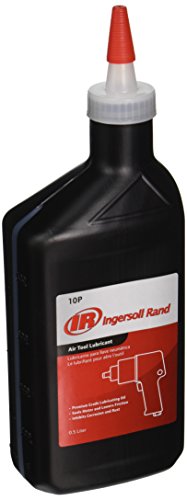
Ingersoll Rand 10P Air Tool Oil, 1 Pint
|
9.2/10 | Buy |
| Best Budget |
 Lucas Oil 10216 Air Tool Lubricant & Tool Box |
8.8/10 | Buy |
| Best Value |
 Campbell Hausfeld 16 oz Non-Detergent 30W ISO-100 |
8.8/10 | Buy |
| Best Premium |
 Milton 1002 SAE 30W Compressor Oil, 1 Gallon |
8.8/10 | Buy |
 Milton 1002-32 ISO-100 Compressor Oil, 32 oz |
8.4/10 | Buy | |
 Air Techniques AI-60051 Compressor Oil Pint |
8.3/10 | Buy | |
 MAG 1 Air Compressor Oil 16 oz |
7.8/10 | Buy |
Ingersoll Rand 10P Air Tool Oil, 1 Pint
Formulated for pneumatic equipment upkeep, the Ingersoll Rand 10P delivers premium-grade lubrication in a compact one-pint container. It serves as a dependable fluid for mechanics and workshops focused on extending the service life of air-powered tools.
Pros
- Formulated specifically for pneumatic mechanisms
- Compact and easily portable 1-pint bottle
- Lightweight design under one pound
- Official Ingersoll Rand Edge Series lubricant
Cons
- One-pint volume may run out quickly in high-volume shops
- Single-purpose lubricant restricted to pneumatic tool use
Lucas Oil 10216 Air Tool Lubricant & Tool Box
Lucas Oil 10216 Air Tool Lubricant is a 16-ounce pneumatic maintenance fluid formulated to protect internal tool mechanisms, displace moisture, and condition O-rings. It provides dependable, cost-effective care for DIYers, carpenters, and mechanics running air nailers, impact wrenches, and ratchets.
Pros
- Generous 16-ounce pint container offers a long-lasting supply for daily pneumatic tool maintenance
- Helps protect internal pneumatic tool vanes, bearings, and O-rings against line moisture and friction
- Versatile formula doubles as an effective general utility lubricant for shop hardware and sticky mechanisms
- Formulated by a reputable lubrication brand known for dependable automotive and workshop fluid products
Cons
- Requires manual application into air tool inlets before work sessions unless an inline lubricator is installed
- Not intended for use as an air compressor pump crankcase oil; formulated strictly for air tools and utility lubrication
- Standard pint bottle may require a separate needle-nose dropper for mess-free oiling of compact finish nailer inlets
Campbell Hausfeld 16 oz Non-Detergent 30W ISO-100
Campbell Hausfeld 30-weight ISO-100 non-detergent air compressor oil (model MATST125312AV) protects reciprocating pumps and air tools from premature wear and carbon buildup. Packaged in a 16-ounce bottle and made in the USA, it provides essential protection for garage mechanics and shop owners running oil-lubricated compressors.
Pros
- High-grade 30-weight ISO-100 non-detergent formulation resists valve carbon buildup
- Dual-purpose utility for both compressor crankcases and pneumatic tool maintenance
- Packaged in a convenient 16-ounce pour bottle that fits neatly on shop shelves
- Compatible with synthetic compressor oil lubrication systems
- Manufactured in the USA by a long-standing pneumatic equipment brand
Cons
- Not intended for modern oil-free compressor pumps that require zero crankcase lubrication
- Bottle lacks an elongated spout or funnel attachment for recessed oil fill ports
- 16-ounce volume may require multiple bottles for large commercial stationary pump oil changes
Milton 1002 SAE 30W Compressor Oil, 1 Gallon
Milton 1002 is a non-detergent ISO-100 SAE 30W conventional lubricant engineered specifically for reciprocating air compressors. The one-gallon capacity makes it a sensible option for regular workshop equipment upkeep.
Pros
- Non-detergent formula tailored for reciprocating compressors
- Standard ISO-100 SAE 30W viscosity rating
- Generous one-gallon volume covers multiple refills
Cons
- Conventional mineral formula instead of synthetic blend
- Heavy container can be awkward to pour directly
Milton 1002-32 ISO-100 Compressor Oil, 32 oz
Formulated specifically for oil-lubricated reciprocating compressors, this ISO-100 non-detergent lubricant shields pumps against wear and deposit buildup. It separates easily from moisture and remains fluid down to -15°F for dependable cold-weather starts.
Pros
- Protects internal components against wear and corrosion
- Non-detergent formula resists foaming and separates water
- Inhibits sludge and carbon deposit formation
- Maintains fluidity in temperatures down to -15°F
Cons
- Designed strictly for reciprocating pump mechanisms
- Conventional oil base rather than full synthetic
Air Techniques AI-60051 Compressor Oil Pint
Packaged in a single pint container, Air Techniques AI-60051 Compressor Oil supports routine maintenance for air compressors. The formula is designed for high operating efficiency and straightforward application.
Pros
- Formulated for high efficiency
- Simple and easy to use
- Convenient single-pint size
- Available individually per unit
MAG 1 Air Compressor Oil 16 oz
MAG 1 Air Compressor Oil is a specialized 16-ounce petroleum lubricant formulated with anti-foam agents and rust inhibitors to protect oil-lubricated compressor pumps under heavy operating conditions. It offers essential wear protection and thermal stability for home garage hobbyists, auto mechanics, and shop owners maintaining oil-lubricated pneumatic equipment.
Pros
- Formulated specifically for compressor pump crankcases rather than generic detergent automotive motor oils
- Anti-foam chemistry helps prevent oil foaming and maintains steady lubrication under rapid piston strokes
- Helps protect internal metal components against rust and oxidation caused by ambient moisture buildup
- Convenient 16-ounce bottle size fits easily into garage maintenance cabinets and tool chests
Cons
- Not suitable for maintenance-free oil-free air compressors
- A 16-ounce volume may require multiple bottles for larger stationary multi-stage shop compressors with high crankcase capacities
How to check the oil level without guessing
Oil level checks are straightforward when you use the pump maker’s designated indicator and avoid treating air-tool lubricant as compressor-pump oil. The safe sequence is to identify an oil-lubricated pump, shut it down, let it cool, make sure the unit is stable, and read the specified sight glass or dipstick. The exact reference mark and whether the dipstick should be threaded in or simply resting in place vary by model, so consult the manual rather than applying a universal rule.
First identify whether the pump uses oil
Not every electric air compressor has a serviceable oil reservoir. Oil-free pumps are designed to operate without routine pump-oil level checks, while oil-lubricated pumps require the specified lubricant to remain within the maker’s stated range. Check the compressor’s model label, owner’s manual, or pump documentation before removing a cap or pouring anything into an opening.
Do not infer pump type from the fact that an oil product appears in a compressor’s accessories or replacement-parts listing. The products covered here include oils for different purposes, including air-tool lubrication and compressor pumps. A lubricant’s presence in a product roundup does not confirm compatibility with your compressor, so verify the recommended oil type and specification for the pump itself.
If the manual describes an oil-free pump, don’t add oil to an intake, cylinder, or other opening unless the manufacturer specifically directs it. Adding oil to an unintended location can contaminate the air path or interfere with operation. If the pump style or service port is unclear, look up the exact model documentation or contact the manufacturer before proceeding.
Prepare the compressor for a reliable reading
Switch the compressor off and disconnect its power source before checking or servicing the pump. Let hot components cool, and place the unit on a stable, level surface so the oil settles in the position specified by the maker. Follow the manual’s instructions for stored air; completely depressurize the tank before servicing or transporting the compressor, and never loosen a pressurized fitting to reach an oil port.
Keep the fill area clean before opening it. Dust or debris around a cap can fall into the pump, so wipe the outside first and use clean equipment when the manual calls for a dipstick reading. Eye protection is appropriate around air equipment, and hearing protection should be used while operating it.
Some manufacturers specify checking the oil when the pump is cold, while others provide a particular operating or waiting condition. Follow that instruction rather than assuming a hot reading and a cold reading are interchangeable. Oil expands with temperature, and a tilted compressor can also make the level appear different from its true reading.
Read the sight glass or dipstick as directed
A sight glass lets you view the oil from outside the crankcase, but the correct level is determined by the reference marks or range supplied for that pump. Look directly at the indicator from a clear angle, with the compressor level. If the oil line is hard to distinguish, improve the lighting and clean the exterior rather than guessing from a reflection or residue.
A dipstick reading also depends on the manufacturer’s method. Some instructions call for inserting the stick without threading it in, while other designs may specify a different approach. Remove, wipe, reinsert, and read it only as the manual directs, since using the wrong method can make a normal level appear too high or too low.
Compare the reading with the marked range, not with a visual estimate based on the size of the crankcase. If the indicator is below the minimum mark, top up only with the oil specified for that pump, adding a small amount at a time and rechecking. Stop at the stated target; filling above the maximum can cause its own operating problems.
Add only the specified oil, in measured increments
Use the compressor manual to confirm oil grade, formulation, and any approved alternatives. The Campbell Hausfeld Air Compressor Oil listing describes a 16-ounce bottle of ISO-100 non-detergent oil, and the Milton compressor oils are also listed as conventional non-detergent compressor lubricants. Those descriptions are useful product details, not blanket approval for every compressor; check your pump requirements before choosing either product.
The Ingersoll Rand 10P Edge Series Premium Air Tool Oil and Lucas Oil 10216 Air Tool Lubricant are identified as air-tool oils, not automatically as pump-crankcase oils. Air tools and compressor pumps have distinct lubrication needs. Do not substitute a pneumatic tool lubricant for pump oil just because both products are sold for compressed-air equipment.
Keep the fill opening and cap clean, add oil in modest increments, and check the level after each addition. Avoid pouring directly from a container if you cannot control the amount or keep the opening clean. Refit the cap or plug as instructed, wipe away any spilled oil, and make sure the fill point is secure before returning the compressor to service.
If you discover the pump has been run below its required level, don’t assume topping it up resolves any resulting damage. Check the manual for service guidance and pay attention to unusual noise, leaks, or abnormal operation when the unit is returned to use. Stop operation and seek qualified service if the compressor shows concerning symptoms or the cause of oil loss is unclear.
What a low or changing reading can tell you
A low reading may reflect normal consumption, a leak, a missed check, or an incorrect measurement setup; the reading alone cannot identify the cause. Record the level and check it again under the same conditions and by the same method. A repeated drop deserves attention, especially if oil is visible around the pump, fill cap, drain point, or nearby surfaces.
Oil that looks unusually dirty, contaminated, or changed in appearance should be assessed against the manufacturer’s maintenance guidance. Color alone is not a universal replacement interval, and this article cannot establish a service schedule for every pump. Follow the model-specific oil-change instructions and use the specified product rather than extending service based on a visual guess.
Oil around the compressor does not necessarily mean the sight-glass reading is inaccurate, but it can point to a loose or damaged seal, a spill, or another source that needs inspection. Clean the area and identify whether fresh oil returns during operation, without touching moving or hot parts. If the leak continues or the source is inaccessible, have the unit inspected rather than tightening unknown fittings or dismantling the pump.
Keep pump oil separate from air-line moisture
Water collected in the receiver tank is condensation, not a substitute for pump oil and not an indication that the crankcase should be filled. Follow the compressor manufacturer’s draining instructions to manage tank moisture. Before servicing or moving the compressor, depressurize the tank completely as directed, and use suitable eye protection because stored air and moisture can discharge during maintenance.
Oil in an air line or at a tool outlet should not be treated as proof that the pump has the correct oil level. Some contamination may arise elsewhere in the air system, and the available product details do not diagnose its source. If clean air matters for a finish or tool, consult the compressor manual and appropriate filtration guidance rather than changing crankcase oil at random.
Regular checks are most useful when they are consistent. Note the date, operating condition, and observed level, then compare readings made in the same manner. This simple record can help distinguish a one-time reading error from a continuing loss that merits inspection.
Choose an oil product by its stated purpose
The product descriptions here span air-tool lubricant and compressor oil, so match the label to the component being lubricated. Campbell Hausfeld’s listed compressor oil is described as ISO-100 and non-detergent, while Milton lists conventional compressor-oil options in different package sizes. The MAG 1 listing describes an air compressor oil, but the data supplied does not state a grade; confirm its suitability against your pump’s manual before use.
Milton’s gallon-format product may make sense for someone who needs that quantity and whose compressor specification permits the listed lubricant. A smaller container can be easier to store for occasional service, but packaging size does not determine compatibility. Air Techniques AI-60051 is described as compressor oil, yet its supplied details do not establish a grade or model-specific fit.
These distinctions matter because a compressor pump may call for a particular viscosity or oil formulation, while an air tool typically receives lubricant through a different service point. Read the equipment documentation for each component. If the recommended specification is unavailable, ask the manufacturer rather than selecting by brand recognition or a broad product name.
For readers comparing equipment as well as maintenance supplies, the intended tool workload still matters. A portable compressor used for intermittent fastening has different operating demands from a setup intended for sustained air-tool use, and the supplied oil listings do not state CFM, duty-cycle, or pump-life data. Our portable compressor guide for air tools provides related context when evaluating the compressor itself.
Common checking errors to avoid
Checking the level while the compressor is tilted is an easy way to misread a sight glass or dipstick. So is comparing a cold reading with a hot reading when the manual specifies one particular condition. Use a stable, level position and the same manufacturer-defined method every time.
Adding oil until the reservoir looks full is another avoidable mistake. The required level is the maker’s mark or stated range, not the top of the fill opening. Overfilling can contribute to oil carryover or other operating issues, so add gradually and stop at the prescribed point.
Do not use motor oil, automotive oil, or an air-tool lubricant as a substitute unless the compressor manufacturer explicitly approves that product. Likewise, do not drain or replace oil simply because a particular interval sounds familiar. Service schedules and lubricant requirements vary by model and operating conditions.
Finally, don’t run a compressor with a missing fill cap, an unresolved leak, or an uncertain oil level merely to see what happens. Keep hands clear of moving parts, avoid hot surfaces, and never defeat pressure or electrical safety devices. If the manual does not clearly identify the oil port or measurement method, pause and get model-specific guidance.
A dependable check is model-specific
To check compressor pump oil correctly, confirm that the pump is oil-lubricated, prepare the unit as its manual requires, and read the designated sight glass or dipstick using the specified method. Add only the approved oil and stop at the marked range. If the level keeps falling, the pump leaks, or the right oil remains uncertain, resolve that issue before returning the compressor to regular service.
About the author
Kenny Koehler is a power-tool specialist with more than a decade of hands-on evaluation experience and a science-based approach to product testing. His expertise in repeatable testing, tool performance, impact wrenches, and professional equipment brings a practical, data-focused perspective to compressor and pneumatic-tool comparisons.