
Where to Buy Industral Air 1.5 Hp Air Compressors: Practical Guide for 2026
Review where to buy industral air 1.5 hp air compressors in November 2026, comparing retail outlets, CFM ratings, tank sizes, and motor reliability.
 By Tony Carrick
Updated October 8, 2026


Tripping a breaker or starving an air tool mid-cut reveals how critical motor efficiency and delivery volume are in a workshop environment. Sourcing a dependable pneumatic workhorse requires evaluating continuous air delivery, noise emissions, and tank recovery rather than relying solely on advertised peak power claims. If you are researching where to buy industral air 1.5 hp air compressors, identifying reputable distribution channels is just as important as verifying technical performance. Major online hardware outlets, direct manufacturer storefronts, and specialized industrial supply warehouses offer these compact machines for both residential garages and commercial job sites.
A continuous 1.5 horsepower motor hits a versatile sweet spot by producing ample air volume while remaining compatible with standard 120-volt electrical circuits. Before finalizing an order, buyers should cross-reference continuous CFM ratings at 90 PSI against the operating demands of their pneumatic nailers, paint sprayers, or impact wrenches. Consulting an air compressor horsepower guide helps verify whether a 1.5 HP motor provides adequate air volume for your specific pneumatic tools. Understanding shipping logistics, return policies, and warranty support will ensure you select a reliable platform and an air system built to last.
| Award | Product | ACR Score About ACR ScoreThe ACR Score is our own rating from 0 to 10, based on performance, design and build, ease of use, and value. It reflects independent research and is never influenced by manufacturers, retailers, or affiliate commissions. Learn more › | |
|---|---|---|---|
| Best Overall |
Albott 10-Gallon 1.8 HP Air Compressor
|
9.2/10 | Buy |
| Best Premium |
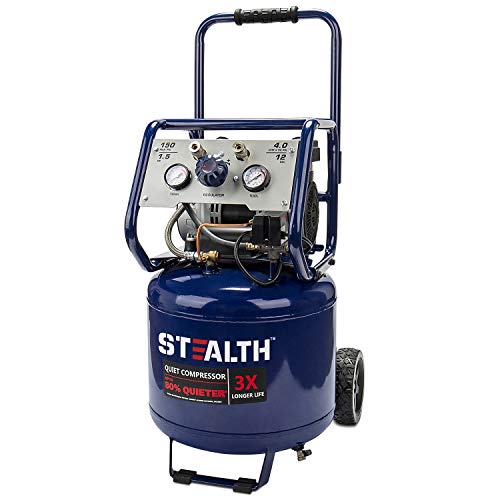 Stealth SAQ-11215 12-Gallon Air Compressor |
9.1/10 | Buy |
| Best Budget |
 VEVOR 6.3 Gallon Portable Air Compressor |
8.8/10 | Buy |
 Ironton 3-Gallon Oil-Free Pancake Air Compressor |
8.6/10 | Buy | |
 MZB MZB-900H-24 6.4-Gallon Air Compressor |
8.6/10 | Buy | |
 Metabo HPT 6-Gallon Pancake Air Compressor Review |
8.6/10 | Buy | |
 Stealth SAQ-11215 12-Gallon Air Compressor |
8.4/10 | Buy | |
| Best Value |
 CRAFTSMAN 12-Gallon Ultra-Quiet Oil-Free Air |
8.3/10 | Buy |
 Makita MAC320Q Quiet Series 1.5 HP 3-Gallon |
8.1/10 | Buy | |
 California Air Tools 20015HP 20-Gallon Quiet Air |
8.1/10 | Buy |
Albott 10-Gallon 1.8 HP Air Compressor
Built with an upright 10-gallon tank and a 1.8 HP motor, this Albott compressor delivers up to 115 PSI while saving workshop floor space. Its oil-free dual-piston pump and built-in wheels make it a low-maintenance option for garage projects and basic air tools.
Pros
- Compact vertical tank saves floor space
- Oil-free design requires minimal routine maintenance
- Equipped with wheels and handle for easier transport
- Dual fans provide active motor cooling
Cons
- Heavy at 80.5 pounds to lift manually
- Maximum pressure output capped at 115 PSI
Stealth SAQ-11215 12-Gallon Air Compressor
Operating at just 68 decibels, this 12-gallon compressor pairs an ultra-quiet 1.5 HP induction motor with reliable airflow for home garage mechanics. The rugged steel build and integrated rubber wheels make it easy to maneuver for auto work, inflation, and painting tasks.
Pros
- Quiet 68 decibel operation
- Low-maintenance oil-free motor
- Durable steel construction with rubber wheels
- Quick pressure recovery up to 150 PSI
Cons
- Short 6-foot power cord limits reach
- Bulky footprint takes up garage storage space
VEVOR 6.3 Gallon Portable Air Compressor
Delivering 3.35 CFM at 90 PSI with a 1450W 2 HP oil-free motor and 6.3-gallon steel tank, this VEVOR compressor offers dependable air delivery for pneumatic nailing, tire care, and garage repairs. Dual intake silencers and built-in thermal protection make it a low-maintenance, practical option for home workshops and DIY mechanics.
Pros
- Generous 3.35 CFM output at 90 PSI readily handles common intermittent garage and workshop pneumatic tools.
- Dual silencer assemblies help dampen intake sound and keep airborne dust out of the pump cylinders.
- Maintenance-free oil-free pump eliminates crankcase oil level checks and oil-contaminated air lines.
- Rugged Q235B steel pressure vessel features triple-layer rust and wear protection.
- Integrated dual cooling fans and thermal overload shutoff protect the electric motor from heat strain.
Cons
- Maximum working pressure tops out at 116 PSI, which is lower than typical 135 to 175 PSI jobsite compressors.
- At 43 pounds, manual transport across stairs or jobsites requires noticeable physical effort.
- Continuous high-demand tools such as rotary sanders or large sprayers will outpace the pump during extended use.
Ironton 3-Gallon Oil-Free Pancake Air Compressor
The Ironton 3-Gallon Oil-Free Pancake Air Compressor combines a 0.3 HP motor and 110 PSI max pressure with an ultra-portable 20.6-pound frame and fold-down handle. It is a practical, low-maintenance option for DIY homeowners and hobbyists handling light brad nailing, stapling, and tire inflation.
Pros
- Lightweight 20.6-pound build with a fold-down carry handle makes one-handed portability nearly effortless
- Wide pancake base delivers outstanding stability with a low center of gravity to prevent tipping
- Zero-maintenance oil-free pump means clean discharge air and no messy oil changes
- Protective shroud includes convenient molded wraps for both the power cord and air hose
- Large regulator knob and quick-connect coupler allow fast, intuitive line adjustments
Cons
- Modest 0.3 HP motor and 110 PSI ceiling cannot support continuous high-CFM air tools like sanders or sprayers
- 3-gallon capacity requires occasional recovery pauses during rapid fastener firing
- Bare-tool setup does not include an air hose, tire chuck, or pneumatic nailer out of the box
MZB MZB-900H-24 6.4-Gallon Air Compressor
Delivering 5.65 CFM at 115 psi, this 1.2 HP oil-free unit rapidly pressurizes its 6.4-gallon tank in about one minute while maintaining a low 70-decibel noise output. It serves well for home garages and workshops handling nail guns, air tools, and light painting.
Pros
- Quiet 70 dB operating volume
- Fast tank recovery under 65 seconds
- Generous 5.65 CFM output at 115 psi
- Low-maintenance oil-free motor design
- Integrated wheels assist mobility
Cons
- Steel construction adds significant carrying weight
- Tank capacity limits continuous heavy spraying sessions
- Corded operation requires standard electrical outlet
Metabo HPT 6-Gallon Pancake Air Compressor Review
The Metabo HPT EC711S is a portable 6-gallon pancake air compressor delivering 2.8 CFM at 90 PSI with a 165 PSI tank ceiling and an operating sound level of 73 dB. With its quick 46-second recovery cycle and dual quick couplers, it is an excellent choice for finish carpenters, punch-list contractors, and DIYers running pneumatic nailers.
Pros
- 73 dB operational sound rating is substantially quieter than standard job-site pancake units
- 165 PSI maximum pressure provides ample air storage with a swift 46-second recovery cycle
- Two 1/4-inch universal quick couplers support multi-tool setups right out of the box
- Sturdy steel roll cage protects gauges and the manifold assembly against knocks and drops
- Oil-free 1.0 HP motor ensures low maintenance and reliable cold-weather motor startup
Cons
- At 38.5 lbs, it is slightly heavier than ultra-compact 1-to-3-gallon trim compressors
- Airflow of 2.8 CFM at 90 PSI is designed for intermittent fastening, not continuous rotary tools or paint sprayers
- Bare-tool configuration means air hoses and pneumatic fastening tools must be purchased separately
Stealth SAQ-11215 12-Gallon Air Compressor
Designed for quiet garage use, this 12-gallon compressor delivers 4 CFM at 90 PSI while keeping sound levels at an unobtrusive 68 decibels. Its oil-free induction motor and wheeled steel construction offer reliable, low-maintenance pneumatic power.
Pros
- Exceptionally quiet 68 dB operating noise
- Maintenance-free oil-free motor design
- Solid airflow delivery of 4 CFM at 90 PSI
- Durable steel tank with sturdy transport wheels
Cons
- Heavy 95-pound weight makes lifting difficult
- Short 6-foot power cord limits placement options
CRAFTSMAN 12-Gallon Ultra-Quiet Oil-Free Air
Featuring a 12-gallon vertical steel tank, a 1.5 HP oil-free pump, and an advertised 45-second recovery time, this CRAFTSMAN compressor delivers up to 150 PSI of quiet pneumatic power. It is an ideal low-maintenance solution for DIY homeowners and garage hobbyists seeking compact, wheeled mobility for fastening and tire inflation.
Pros
- Space-saving 12-gallon vertical tank design stores ample air volume without cluttering shop walkways
- Oil-free 1.5 HP pump design requires zero crankcase oil maintenance and starts smoothly in chilly temperatures
- Fast advertised 45-second pressure recovery reduces waiting intervals between intermittent fastening bursts
- Integrated SPCC steel handle, rubber transport wheels, and manageable 40-pound dry weight support easy shop mobility
- Equipped with protective thermal overload and overheating safety mechanisms for dependable motor operation
Cons
- Manufacturer specifications omit continuous SCFM airflow delivery numbers at 90 PSI and explicit decibel ratings
- Not engineered for continuous high-consumption air tools like dual-action rotary sanders, paint blasters, or die grinders
- Structural steel receiver tank requires regular manual moisture draining after each work session to prevent internal rust
Makita MAC320Q Quiet Series 1.5 HP 3-Gallon
The Makita MAC320Q Quiet Series delivers dependable pneumatic compression at a quiet 60 dB rating, pairing a 1-1/2 HP motor with a low-RPM dual-piston oil-free pump. It is an ideal fit for finish carpenters, DIY woodworkers, and indoor garage hobbyists seeking clean, low-maintenance air power without loud jobsite noise.
Pros
- Exceptionally quiet 60 dB operating noise allows easy conversation and indoor trim work without hearing fatigue
- Low 1,750 RPM pump speed runs cooler and helps extend the working lifespan of the motor and pump assemblies
- Dual-piston oil-free pump design requires zero crankcase fluid maintenance and prevents oil discharge into air lines
- Heavy-duty full tubular roll-cage frame safeguards vital components against jobsite drops, bumps, and vehicle transport hazards
Cons
- Substantial net weight of nearly 57 pounds makes one-handed carrying demanding across large jobsites without integrated wheels
- A 3-gallon air reservoir is not intended for sustained high-demand pneumatic tools such as rotary sanders or spray guns
- Lacks integrated transport wheels, requiring manual lifting when moving across jobsite terrain or stairs
California Air Tools 20015HP 20-Gallon Quiet Air
The California Air Tools 20015HP delivers 3.80 CFM at 90 PSI with a 175 PSI maximum tank pressure and an ultra-quiet 70 dB sound profile from its low-RPM dual-piston pump. It is an ideal 20-gallon rolling workshop compressor for garage hobbyists, auto restorers, and woodworkers needing clean air without high noise levels.
Pros
- Remarkably quiet 70 dB acoustic output powered by a slow-turning 1750 RPM motor
- High 175 PSI pressure ceiling provides a substantial stored air buffer in a compact vertical footprint
- Oil-free two-stage pump design offers an extended 3000-plus hour life cycle with zero oil changes
- Low 12-amp electrical draw runs reliably on standard 110V household circuits
Cons
- Delivered 3.80 CFM at 90 PSI is limited for continuous-draw air tools such as rotary sanders or sandblasting equipment
- Heavier 113-pound dry weight requires using the transport wheels rather than manual lifting for vehicle transit
Comprehensive Sourcing and Technical Guide for 1.5 HP Air Compressors
Sourcing an industrial-grade 1.5 horsepower air compressor requires navigating multiple purchasing channels while evaluating essential mechanical performance indicators. A true 1.5 HP motor balances manageable electrical circuit draw with sufficient compressed air output for light fabrication, automotive maintenance, and carpentry. Understanding where to buy these units and how to evaluate continuous output ensures you invest in equipment tailored to your workspace requirements.
Sourcing Channels: Authorized Industrial Suppliers, Big-Box Retailers, and Online Outlets
Prospective buyers generally have three primary avenues for purchasing commercial and consumer pneumatic equipment. Specialized industrial supply distributors cater to commercial trade contractors, providing direct access to heavy-duty brands, technical documentation, and certified replacement parts. Nationwide home improvement retailers offer the practical benefit of physical inspection, immediate in-store pickup, and straightforward local return handling. Dedicated online equipment marketplaces and manufacturer storefronts present the widest variety of configurations, competitive pricing structures, and detailed customer feedback.
Fulfillment logistics represent a major distinction between purchasing channels that buyers must carefully consider. Compact units under fifty pounds typically ship via standard ground parcel delivery with minimal delivery complications. Larger vertical or horizontal compressors with substantial receiver tanks often require freight delivery with scheduled liftgate service. Verifying whether an online merchant is an authorized dealer is essential to ensure full manufacturer warranty protection and responsive post-purchase customer support.
Return policies also vary significantly across equipment retailers when handling pressurized pneumatic equipment. Some freight carriers and online sellers have strict return restrictions once a compressor has been pressurized or filled with oil. Confirming return terms, warranty processing procedures, and shipping damage policies before placing an order protects your investment from unexpected freight disputes.
Continuous Running Horsepower Versus Advertised Peak Surge Ratings
Differentiating between continuous running horsepower and peak surge ratings is vital when evaluating motor specifications. Marketing descriptions sometimes highlight peak horsepower, which merely reflects the momentary electrical surge drawn as the motor starts against empty cylinders. A true 1.5 running horsepower motor delivers continuous mechanical power throughout the entire compression cycle until the pressure switch reaches its cut-out point. Checking the motor data plate for true running amperage and rated wattage reveals the actual mechanical capability of the machine.
A genuine 1.5 HP electric motor typically draws between 12 and 14 running amps on standard 120-volt alternating current circuits. This power draw operates near the threshold of standard 15-amp household breakers, especially during initial startup when inrush current spikes. Positioning your compressor on a dedicated 20-amp branch circuit prevents nuisance breaker tripping during rapid cycling or cold-weather starts. High-efficiency induction motors maintain steady rotational torque without excessive motor winding heat, extending total component life.
Power supply quality directly impacts compressor motor longevity and reliable startup performance. Running a heavy motor on an undersized or excessively long extension cord creates severe voltage drop, causing the motor to hum, overheat, and trip thermal overloads. Equipment manufacturers strongly advise plugging the compressor directly into a grounded wall receptacle and using longer pneumatic air hoses to bridge the distance to your work area. A quality 3/8-inch air hose preserves full pneumatic pressure without stressing the electric motor.
Air Delivery Dynamics: Evaluating CFM at 90 PSI for Pneumatic Tools
Air delivery volume, measured in cubic feet per minute at specific pressure levels, represents the true measure of a compressor utility. A standard 1.5 HP motor commonly produces between 3.5 and 5.0 CFM at 40 PSI, decreasing to approximately 2.8 to 4.0 CFM at 90 PSI. Intermittent pneumatic tools such as brad nailers, finish staplers, and framing guns operate smoothly within this delivery range because they consume air in brief bursts. These low-demand tools allow the compressor ample recovery time between fastening cycles to restore receiver pressure.
Continuous air tools such as rotary sanders, paint sprayers, and grinders present a substantially heavier air consumption demand. If you are calculating airflow requirements for continuous tools, our guide on sizing an air compressor for pneumatic tools details how to match tool consumption to pump output. Running a tool that requires 6 CFM on a compressor producing only 3.8 CFM leads to continuous motor running and rapid line pressure drop. Selecting a compressor with at least twenty to thirty percent more CFM than your primary tool requires ensures smooth and uninterrupted operation.
Maximum operating pressure also plays an essential role in usable stored air capacity. Compressors operating with a maximum pressure of 150 to 175 PSI store considerably more air buffer within the same tank footprint than units limited to 110 PSI. This higher pressure threshold allows smaller tanks to run tools longer before the cut-in switch activates the motor. A higher pressure reserve proves particularly valuable when driving framing nails or operating pneumatic wrenches.
Tank Capacity and Geometry: Portable Tanks Versus Vertical Shop Receivers
Receiver tank volume and geometry determine workshop space requirements, mobility, and the recovery buffer available during operation. Compact 3-gallon to 6-gallon tanks, including pancake and roll-cage configurations, offer outstanding jobsite portability for trim carpenters and mobile mechanics. Their low center of gravity prevents tipping during transit, and their lighter overall weight enables easy single-operator lifting. However, compact tanks provide limited air storage, causing the motor to cycle frequently during continuous tasks.
Mid-sized to large tanks ranging from 10 to 20 gallons provide the air reserve needed for demanding workshop and garage applications. Vertical upright tanks optimize floor space by expanding upward rather than outward, making them ideal for crowded workshops. Equipped with sturdy rubber wheels and ergonomic push handles, wheeled upright compressors combine large receiver buffers with convenient shop mobility. Heavy-gauge Q235B structural steel construction ensures these pressure vessels withstand cyclical expansion stresses safely over years of service.
Choosing the appropriate tank configuration depends on whether your daily tasks prioritize transportability or stationary air reserve. Mobile trades benefit from compact pancake or twin-stack formats that fit easily in service truck beds or car trunks. Stationary garages and auto restoration bays gain far greater utility from 12-gallon or 20-gallon vertical tanks that minimize cycling frequency. Balancing tank storage against physical footprint ensures your compressor fits seamlessly into your workspace workflow.
Pump Engineering: Oil-Free Dual Pistons Versus Oil-Lubricated Durability
The mechanical configuration of the compressor pump determines routine maintenance requirements, air cleanliness, and operational lifespan. Modern 1.5 HP compressors frequently feature oil-free dual-piston pump mechanisms equipped with Teflon-coated piston rings and precision cylinders. These oil-free systems eliminate periodic oil level checks, crankcase oil changes, and potential oil spills during transport. Because they introduce no lubricating oil into the compression chamber, they deliver clean air suited for paint spraying and fine woodworking.
Traditional splash-lubricated cast-iron pumps remain favored in commercial environments where compressors run under rigorous, extended duty cycles. Our detailed oil-lubricated versus oil-free compressor comparison outlines how liquid lubrication manages thermal dissipation under heavy workloads. Cast-iron cylinders resist bore wear and dissipate heat efficiently during prolonged running periods. However, oil-lubricated models require consistent oil monitoring, periodic oil changes, and careful placement to prevent lubricant leaks during relocation.
Modern oil-free dual-piston designs have closed the durability gap through low-RPM motor engineering and balanced component layouts. Operating at approximately 1,750 RPM instead of standard 3,400 RPM speeds significantly reduces friction, operating temperatures, and mechanical fatigue. Many modern dual-piston units are rated for thousands of operating hours under regular workshop duty. For the majority of home workshops and mobile trades, the convenience of zero oil maintenance makes modern oil-free systems an exceptional choice.
Workspace Acoustics and the Impact of Low-RPM Quiet Technology
Operational noise levels represent one of the most critical factors influencing user comfort in garage workshops and indoor jobsites. Traditional high-speed direct-drive compressors generate harsh noise levels ranging between 78 and 85 decibels. In enclosed spaces, this loud mechanical clatter causes rapid ear fatigue, disrupts household members, and requires hearing protection during routine operations. High noise levels also limit when you can comfortably operate pneumatic tools in residential neighborhoods.
Quiet-series compressor technology has lowered operating sound levels to between 60 and 70 decibels on modern 1.5 HP units. Manufacturers achieve this quiet performance by pairing low-RPM four-pole induction motors with dual opposing cylinders that cancel out mechanical vibration. Dense intake silencer mufflers and rubber vibration dampening feet further absorb intake suction noise and cabinet resonance. A machine operating around 60 to 68 decibels allows normal conversation right beside the running unit without raising your voice.
Selecting an ultra-quiet compressor provides tangible productivity and lifestyle benefits for residential mechanics and craftsmen. You can run air tools in attached garages or basements without disturbing family activities upstairs. Low acoustic levels also create a calmer, more focused working environment where you can easily hear colleagues or audio entertainment. For enclosed workshops, quiet operation represents one of the most valuable upgrades available in modern pneumatic equipment.
Manifolds, Regulators, and Long-Term Moisture Management
A well-designed air compressor includes quality manifold components that ensure precise pressure control and effortless tool connections. Dual pressure gauges allow users to monitor internal receiver pressure and regulated working line pressure at a single glance. Precision regulator knobs with locking mechanisms prevent vibration from drifting your set operating pressure during intense tool use. Universal quick-connect couplers enable rapid tool changes, while dual-outlet manifolds permit running two pneumatic lines simultaneously.
Managing internal tank moisture is vital for preserving the structural integrity of your steel air receiver over time. Compressing ambient air naturally causes water vapor to condense and settle at the bottom of the storage tank. Units featuring accessible quarter-turn brass ball valves simplify daily moisture draining compared to stiff, recessed needle petcocks. Purging the tank after every work session expels accumulated water, preventing internal corrosion and keeping moisture out of your downstream pneumatic tools.
Essential safety hardware protects both the compressor equipment and the operator from dangerous mechanical malfunctions. Factory-installed ASME safety relief valves provide an automatic mechanical pop-off if the pressure switch fails to cut off the motor. Manually testing the pull ring on the relief valve ensures the internal spring mechanism moves freely without corrosion sticking. Integrated thermal overload protection resets safeguard motor windings against electrical damage if supply voltage drops unexpectedly.
Delivery Logistics, Freight Inspection, and Initial Pump Commissioning
Receiving your compressor shipment requires systematic inspection before signing delivery paperwork or discarding packaging containers. Carefully inspect the shipping box or wooden pallet for signs of drops, punctures, or external crushing that could indicate transit impact. Check the steel tank shell, welded mounting brackets, and regulator console to ensure no fittings were bent or cracked during handling. Documenting any freight damage immediately ensures prompt carrier claim resolution and replacement from your equipment distributor.
Performing a manufacturer-recommended break-in cycle is an essential step before subjecting a new compressor to full operating pressure. Most manufacturers suggest running the unit for fifteen to twenty minutes with the tank drain valve fully open and the motor running freely. This zero-pressure break-in period allows motor bearings, wrist pins, and piston rings to seat properly without heavy compression resistance. After completing this cycle, closing the drain valve allows the system to pressurize normally to factory cut-out pressure.
Applying a mild soapy water solution to all manifold fittings and pipe connections verifies zero air leakage under pressure. Undetected air leaks cause unnecessary pressure drops and force the motor to cycle frequently even when tools sit idle. Always depressurize the receiver completely and disconnect electrical power before tightening fittings or performing maintenance adjustments. Following standard pneumatic safety practices ensures your newly commissioned compressor provides safe, dependable operation across all your projects.
Strategic Selection Takeaways for Workshop and Jobsite Sourcing
Selecting the right 1.5 HP air compressor comes down to balancing air delivery volume, acoustic comfort, tank capacity, and authorized seller reliability. Specialized industrial suppliers provide commercial support, technical expertise, and certified parts backup for intensive trade applications. Online equipment outlets and direct manufacturer storefronts deliver exceptional convenience, extensive customer reviews, and competitive freight delivery options for garage enthusiasts. Verifying continuous CFM output at 90 PSI against your tool demands guarantees you avoid frustrating power shortages on active projects.
Investing in quiet dual-piston technology, accessible quarter-turn drain valves, and true running horsepower creates a durable and productive shop setup. Completing proper freight inspections, dedicated electrical circuit planning, and initial zero-pressure break-in cycles establishes a reliable foundation for long-term ownership. When matched to your specific pneumatic tools and sourced through reputable channels, a 1.5 HP compressor serves as an indispensable cornerstone of your workshop.
About the author
Tony Carrick is an experienced product researcher and writer specializing in tools, home improvement, automotive maintenance, and consumer equipment. With extensive experience reviewing tools and tackling hands-on renovation projects, he brings a buyer-focused perspective to compressor performance, usability, and overall value.