
What Oil Do You Use in an Air Compressor: Practical Guide for 2026
Learn what oil do you use in an air compressor to protect pump cylinders and valves in October 2026. Explore non-detergent oils and viscosities.
 By Kenny Koehler
Updated October 8, 2026
By Kenny Koehler
Updated October 8, 2026

Crankcase lubrication in an oil-lubricated compressor pump directly dictates how effectively internal pistons, wrist pins, and crankshaft bearings survive high friction under sustained compression heat. When workshop owners and mechanics set up a new cast-iron pump or perform scheduled pump maintenance, deciding what oil do you use in an air compressor becomes one of the most critical preventative decisions for equipment longevity. Selecting an incorrect lubricant can rapidly lead to severe valve carbonization, burned piston rings, or sludge accumulation that chokes oil passages. Managing lubrication correctly also works alongside routine moisture maintenance, because air compressor tank moisture accumulation can cause water to mix with oil if condensation vents are ignored.
Air compressor pumps generate extreme localized heat during compression without having an automotive internal combustion cycle or a continuous oil filter. Because of these distinct operating conditions, dedicated compressor oils must feature non-detergent formulas, anti-foaming agents, and rapid water-separation qualities. Understanding the exact kinematic viscosity rating, whether ISO 46, ISO 68, or ISO 100, ensures that the splash lubrication mechanism throws sufficient oil across cylinder walls in both cold winter starts and hot summer duty cycles. Taking time to review manufacturer specifications protects your pump investment against premature wear and costly mechanical seizures.
| Award | Product | ACR Score About ACR ScoreThe ACR Score is our own rating from 0 to 10, based on performance, design and build, ease of use, and value. It reflects independent research and is never influenced by manufacturers, retailers, or affiliate commissions. Learn more › | |
|---|---|---|---|
| Best Overall |
Mag 1 Air Compressor Oil 1 Gallon (Pack of 1)
|
9.2/10 | Buy |
| Best Budget |
 TRIAX Kompressor ISO 46 SAE 20, Full Synthetic
|
9.1/10 | Buy |
| Best Premium |
 TRIAX Kompressor ISO 100 SAE 30, Full Synthetic
|
9.1/10 | Buy |
| Best Value |
 Quincy Compressor 112543G100 Quincy Quin-Cip
|
8.9/10 | Buy |
 Milton 1002 High Performance Conventional Air
|
8.8/10 | Buy | |
 TRIAX Kompressor ISO 46 SAE 20, Full Synthetic
|
8.8/10 | Buy | |
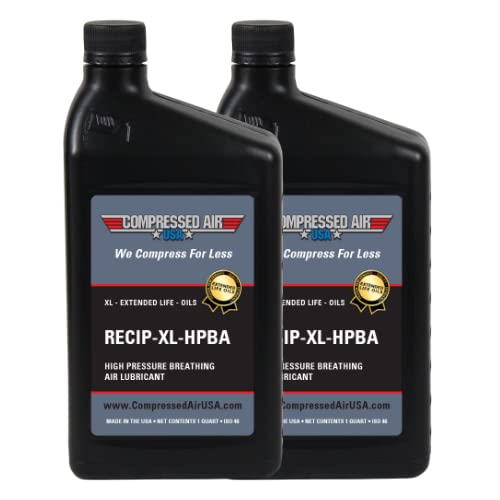 Compressed Air USA Breathing Safe Lubricating Oil
|
8.8/10 | Buy | |
 TRIAX Kompressor ISO 68, Full Synthetic
|
8.6/10 | Buy | |
 Milton 1002-32 High Performance Conventional Air
|
8.4/10 | Buy | |
 TRIAX Kompressor ISO 46 SAE 20, Full Synthetic
|
8.3/10 | Buy |
Selecting the Proper Lubricant for Air Compressor Pumps
Operating an oil-lubricated air compressor requires a clear understanding of crankcase chemistry, thermal loads, and mechanical splash dynamics. Many owners wonder whether standard automotive motor oil can substitute for specialized compressor fluid during routine top-offs. The direct answer is that oil-lubricated compressor pumps require non-detergent, compressor-specific oil matched to ambient temperatures and pump mechanical designs. Using an incorrect formulation risks rapid carbon accumulation on reed valves, oil breakdown under compression heat, and catastrophic pump failure.
Why Dedicated Compressor Oil Differs from Standard Motor Oil
Standard automotive engine oils are engineered specifically for internal combustion engines that experience fuel blow-by, soot, and chemical combustion byproducts. Because internal combustion engines circulate these contaminants, motor oils incorporate aggressive detergent additives like calcium and magnesium sulfonates. These detergents hold suspended soot and carbon particles in continuous circulation so an engine oil filter can trap them. Most reciprocating air compressors lack an oil filter and an oil pump, relying instead on mechanical dippers splashing oil from the bottom of the crankcase sump.
When detergent-rich motor oil enters an air compressor crankcase, the chemical detergents hold suspended moisture, fine wear particles, and carbon rather than allowing them to settle. Over time, these suspended particulates circulate continuously through wrist pins, cylinder walls, and main crankshaft bearings. The heat generated during air compression bakes these suspended contaminants into sticky varnish and hard carbon flakes across high-temperature discharge valves. Once carbon accumulates on thin metal reed valves, the valves fail to seal flat against the valve plate, causing severe pressure loss and excessive thermal buildup.
Dedicated air compressor lubricants, such as Milton 1002 or Mag 1 Air Compressor Oil, use non-detergent base stocks. Non-detergent chemistry allows wear metals and heavy moisture droplets to drop harmlessly to the bottom of the crankcase sump below the dipper line. Dedicated compressor lubricants also contain anti-foaming agents that prevent the whipping dippers from aerating the fluid pool. Aerated oil contains tiny air bubbles that collapse under load, which leads to direct metal contact and rapid bearing fatigue.
Viscosity Grades Explained: ISO 46, ISO 68, and ISO 100
Industrial lubricants follow the International Organization for Standardization viscosity grading system rather than standard automotive designations. An ISO viscosity rating measures kinematic viscosity in centistokes at 40 degrees Celsius. In contrast, automotive designations use Society of Automotive Engineers weight ratings that reflect high-temperature motor conditions. Understanding the direct correlation between ISO and SAE scales allows equipment operators to choose the proper weight for their ambient temperature range.
An ISO 46 oil roughly corresponds to an SAE 20 weight lubricant, providing light viscosity suited for cooler operating environments or high-speed rotary pumps. Products like TRIAX Kompressor ISO 46 SAE 20 demonstrate how lighter synthetic oils facilitate easy pump cranking during cold-weather starts in unheated garages. Heavy oil in freezing temperatures thickens significantly, creating high starting resistance that can overload electric motors and trip standard household breakers. Using an ISO 46 fluid in cold conditions ensures rapid fluid flow to splash surfaces within the first few revolutions.
For moderate workshop climates, ISO 68 fluid provides an intermediate viscosity equivalent to an SAE 20W-30 weight. An option like TRIAX Kompressor ISO 68 offers balanced thermal protection when ambient shop temperatures fluctuate throughout spring and autumn. An ISO 100 fluid corresponds to an SAE 30 weight non-detergent lubricant, representing the standard recommendation for cast-iron reciprocating pumps operating above 40 degrees Fahrenheit. Formulas like Quincy Quin-Cip SAE 30 and Milton 1002 ISO-100 rely on this thicker hydrodynamic film to maintain hydrostatic separation across connecting rod bearings under high compression pressures.
Synthetic versus Conventional Compressor Lubricants
Conventional compressor oils rely on highly refined mineral base stocks blended with anti-wear and anti-foaming additives. Formulations such as Mag 1 Air Compressor Oil or Milton 1002 conventional fluid provide dependable protection for intermittent workshop use and routine DIY tasks. Mineral oils separate moisture condensation effectively and provide strong barrier lubrication at an accessible investment level for home workshops. Conventional mineral lubricants tend to oxidize and break down when subjected to continuous industrial duty cycles that generate sustained operating temperatures above 200 degrees Fahrenheit.
Full synthetic compressor oils utilize chemically synthesized polyalphaolefin or ester base stocks that maintain uniform molecular chains. These synthetic base stocks resist thermal shearing and high-temperature oxidation far better than refined petroleum stocks. Manufacturer data for synthetic fluids highlights extended service intervals that can reach thousands of hours under clean operating conditions. Synthetic formulations also run noticeably cooler, pulling heat away from cast-iron cylinder heads and dissipating thermal energy efficiently through crankcase exterior fins.
Another significant advantage of synthetic fluid is all-season thermal stability across wide temperature extremes. A multi-viscosity synthetic fluid can maintain liquid mobility in sub-zero winter cold while preventing thermal thinning in extreme summer heat. If your workshop operates across seasonal weather changes, synthetic lubricants eliminate the hassle of performing seasonal oil viscosity swaps. Whether you run smaller workshop units or large single-phase versus commercial voltage compressors, synthetic lubricants provide an added buffer against thermal breakdown.
Matching Oil to Compressor Pump Architectures
Different compressor pump designs impose vastly different mechanical demands on lubricating fluids. Reciprocating piston compressors generate high mechanical friction along cylinder sleeves, wrist pins, and crankshaft throws. In these splash-lubricated pumps, mechanical dippers physically whip through the oil pool to throw lubricant upward. Reciprocating pumps depend heavily on oil that resists carbon buildup on discharge reed valves while preventing foam formation in the sump.
Rotary screw compressors operate on intermeshing helical rotors that compress air continuously along precision machined grooves. In an oil-flooded rotary screw system, the lubricant cools the compression chamber, seals rotor clearances to prevent air slip, and lubricates rotor bearings simultaneously. Rotary screw systems require oils with exceptional demulsibility to separate rapidly from air and condensed water within external oil separator tanks. Products like TRIAX Kompressor ISO 46 and TRIAX Kompressor ISO 100 are engineered to handle the severe shearing forces found inside continuous-duty rotary screw chambers.
Rotary vane compressors also present unique lubrication requirements as sliding vanes continuously extend and retract against the pump stator wall. The lubricating film must maintain exceptional hydrodynamic lubricity to prevent vane edge wear while resisting varnish that could cause vanes to stick in their slots. When operators calculate air volume demands while sizing compressors for pneumatic equipment, they must also ensure the pump technology matches the duty cycle and lubrication schedule of the intended tools.
Specialized Lubrication for Breathing Air and High-Pressure Applications
Standard industrial compressor lubricants are strictly prohibited in applications that generate breathable air or compressed medical gases. Industrial lubricants can off-gas toxic hydrocarbon vapors, volatile organic compounds, and dangerous carbon monoxide precursors into compressed air lines. When air is compressed for SCBA firefighting bottles, SCUBA diving tanks, or medical life-support systems, specialized non-toxic synthetic lubricants are mandatory. Regular workshop oils must never be used in life-support equipment under any circumstance.
Formulations like Compressed Air USA Breathing Safe Lubricating Oil are engineered specifically for multi-stage high-pressure breathing air compressors. This ISO 100 lubricant features elevated flash points and auto-ignition thresholds to prevent thermal breakdown under multi-stage pressures exceeding 3,000 PSI. The non-toxic formulation controls carbon and varnish formation across high-pressure valves while eliminating hazardous oil vapor carryover into downstream breathing filters. It provides essential protection for fire departments, dive shops, and commercial dive operators.
It is equally important to recognize environments where specific synthetic fluids must not be used. Many industrial compressor oils are explicitly rated by manufacturers as unsuitable for oxygen compression or liquid natural gas pipeline systems. Compressing pure oxygen with petroleum or standard synthetic lubricants creates an extreme fire and explosion hazard due to spontaneous ignition risks. Always consult equipment labeling and specific air-use certifications before introducing any lubricant into high-pressure breathing or chemical gas systems.
Sight Glass Inspection and Oil Change Procedures
Maintaining proper oil volume is just as important as choosing the correct fluid specification. Most modern oil-lubricated compressor pumps feature a transparent glass or acrylic sight window located on the lower side of the crankcase. The correct static oil level should rest precisely in the middle of the red indicator dot or between the upper and lower hash marks when the pump is resting level and turned off. Running a pump with the oil level below the sight glass starves connecting rod bearings and causes catastrophic seizure within minutes.
Overfilling an air compressor crankcase creates severe hydraulic resistance and excessive internal pressure. When the oil level is too high, splash dippers submerge completely into the pool, violently churning the fluid and forcing liquid oil past the piston compression rings. This problem, known as oil carryover, contaminates downstream air hoses, ruins paint spray finishes, and fouls sensitive pneumatic air tool mechanisms. If the oil level rises past the top of the sight glass, drain the excess fluid immediately before operating the pump.
Scheduled oil changes represent the single most cost-effective maintenance task for any workshop compressor owner. For a brand new cast-iron pump, manufacturers typically recommend an initial break-in fluid change after the first 20 to 50 operating hours. This initial drain flushes out microscopic machining burrs and break-in metal particles that shed during initial ring seating. After the break-in period, conventional mineral oils should be replaced every 300 to 500 operating hours or every six months, while premium synthetics can often extend service intervals significantly in clean environments.
To change compressor oil cleanly and completely, run the compressor for ten minutes to warm the fluid and suspend settled particulates. Depressurize the air tank fully and disconnect the power cord from the electrical outlet before servicing any mechanical fittings. Place a drain pan beneath the crankcase drain plug, remove the breather cap to vent vacuum, and unthread the drain fitting to allow old oil to exit fully. Once drained, reinstall the drain plug with fresh thread sealant and refill through the top breather port until the sight glass reaches exact center capacity.
Diagnosing Lubrication Failure, Foaming, and Oil Carryover
Visual inspection of the crankcase sight glass provides immediate diagnostic insight into internal pump health. Healthy compressor oil appears translucent amber, golden, or completely clear depending on whether it is mineral or synthetic. If the oil in the sight glass turns milky white or cloudy cream, water condensation has emulsified with the lubricant. This emulsification occurs when a compressor runs short cycles in humid garages without reaching full operating temperature, preventing condensed moisture from boiling out through the breather.
When oil becomes milky, its lubricating film strength degrades rapidly, accelerating corrosion across steel crankshaft journals and cast-iron cylinder walls. Emulsified oil must be drained immediately and replaced with fresh non-detergent fluid, followed by longer continuous run times to purge moisture. If the oil appears dark black with a strong acrid, burnt odor, the pump is overheating severely or has vastly exceeded its recommended service interval. Black oil indicates degraded base stocks, thermal shearing, and suspended carbon flakes that will quickly foul the valve plate.
Excessive foaming inside the crankcase indicates either an incorrect detergent oil blend, contaminated fluid, or an overfilled sump. Foam consists of entrained air bubbles that cushion splash contact but fail to provide hydraulic film protection between sliding metal surfaces. If rapid foaming occurs, drain the crankcase immediately and flush it with a dedicated non-detergent ISO 68 or ISO 100 compressor lubricant. Inspecting the crankcase breather tube is also vital, as a clogged or restricted breather creates internal crankcase pressure that pushes oil past shaft seals.
Practical Selection Summary for Workshop Compressors
Selecting the right lubricant for your air compressor pump comes down to respecting the engineering differences between compressor crankcases and automotive engines. Always choose a non-detergent formulation designed specifically for air compression duty, and verify that the kinematic viscosity matches your ambient seasonal temperatures. For cold workshops, ISO 46 SAE 20 fluids ensure smooth electrical startup without tripped breakers, while ISO 100 SAE 30 fluids deliver maximum hydrodynamic protection during demanding summer operations.
Check your oil sight glass before every major work session, and never allow the fluid level to drift below the center indicator dot. Maintain a regular fluid change schedule, flushing break-in oil early and swapping mineral fluids before oxidation sets in. By pairing high-quality compressor oil with daily tank moisture drainage and regular air intake filter cleaning, you ensure that your air compressor pump delivers dependable pressure and smooth operation for decades of workshop service.
About the author
Kenny Koehler is a power-tool specialist with more than a decade of hands-on evaluation experience and a science-based approach to product testing. His expertise in repeatable testing, tool performance, impact wrenches, and professional equipment brings a practical, data-focused perspective to compressor and pneumatic-tool comparisons.