
Can You Connect 2 Air Compressors Together: Practical Guide for 2026
Learn if can you connect 2 air compressors together to double your CFM safely. Explore plumbing, check valves, and wiring tips for October 2026.
 By Tom Scalisi
Updated October 8, 2026
By Tom Scalisi
Updated October 8, 2026

Continuous pneumatic tools like random orbital sanders, blast cabinets, and HVLP paint spray guns often demand far more sustained air volume than a single consumer-grade workshop pump can produce. When a small garage compressor struggles to keep up, line pressure plummets rapidly, forcing operators to pause work while the motor laboriously cycles back to its cut-off threshold. To overcome this limitation without investing in a costly, stationary 240-volt commercial system, many operators ask: can you connect 2 air compressors together? Tying two separate tanks and pumps into a single air delivery line is a practical, cost-effective way to double your available cubic feet per minute (CFM) output.
Accomplishing this setup successfully requires a firm grasp of pneumatic plumbing, electrical safety, and pressure control mechanics. Simply slapping a quick-connect tee fitting between two running machines can create severe back-pressure, damage unloader valves, or repeatedly trip household circuit breakers. By introducing dedicated one-way check valves, establishing a staged lead-lag pressure switch calibration, and isolating each motor onto an independent electrical branch circuit, you can build a reliable dual-compressor system. This guide walks through the exact plumbing architecture, electrical requirements, and mechanical safeguards necessary to double your workshop air volume safely.
| Award | Product | ACR Score About ACR ScoreThe ACR Score is our own rating from 0 to 10, based on performance, design and build, ease of use, and value. It reflects independent research and is never influenced by manufacturers, retailers, or affiliate commissions. Learn more › | |
|---|---|---|---|
| Best Overall |
FORNAX 2-Way Straight Air Manifold Air Splitter
|
9.2/10 | Buy |
| Best Premium |
 ALL-TOP Air Compressor Kit
|
9.2/10 | Buy |
 Stealth Air Compressor 2 Gallon
|
9.2/10 | Buy | |
| Best Value |
 WYNNsky 1/4 Inch NPT Air Accessory Kit - 20 Piece
|
9.1/10 | Buy |
 1/4-Inch Quick-Connect Air Compressor Accessory
|
8.8/10 | Buy | |
| Best Budget |
 YOTOO 15 Pieces Universal Air Coupler and Plug
|
8.3/10 | Buy |
 Asani 12V Air Compressor
|
8.1/10 | Buy | |
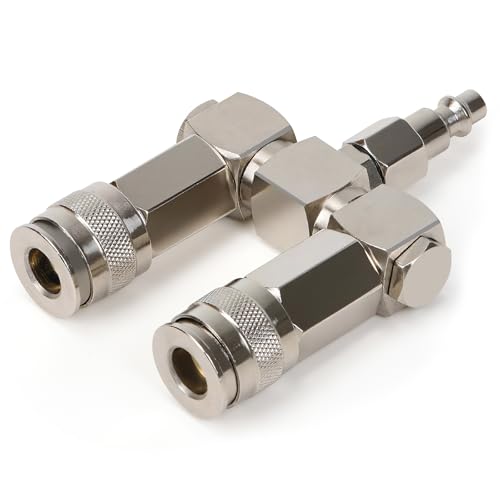 2-Way Air Hose Splitter, 1/4" NPT Air Compressor
|
7.8/10 | Buy | |
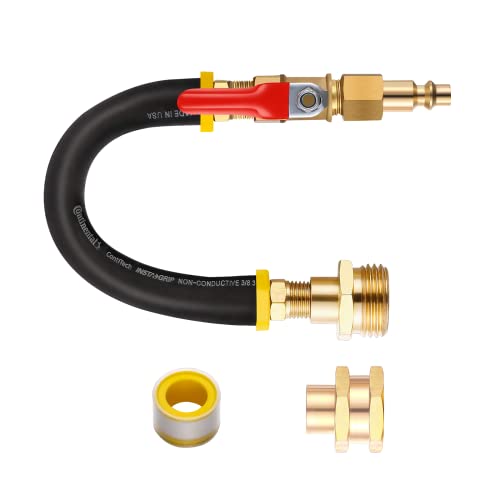 RV Winterizing kit & Sprinkler Blowout Adapter
|
7.8/10 | Buy |
Technical Principles, Plumbing Configurations, and Safety for Linked Air Compressors
Connecting two air compressors together is entirely possible and represents a popular workshop strategy for boosting airflow. By piping two separate receiver tanks and pump assemblies into a unified discharge line, you effectively combine their volume production to run air-demanding tools. However, joining pressurized pneumatic vessels introduces specific mechanical and fluid dynamics that require careful planning. Successful setups demand proper parallel plumbing, dedicated electrical circuits, and thoughtful pressure switch calibration to ensure dependable operation.
Parallel Versus Series Plumbing: The Physics of Combining Compressors
Pneumatic systems must always be linked in parallel rather than in series. In a parallel configuration, the discharge lines from both compressors feed into a single manifold or delivery line, adding their individual cubic feet per minute (CFM) ratings together. For example, pairing a smaller unit that delivers 2.8 CFM at 90 PSI with a secondary pump providing 4.0 CFM at 90 PSI yields approximately 6.8 CFM at that same working pressure. The maximum operating pressure of the combined system does not double; it remains limited by the lowest pressure setting of the two machines.
Attempting to connect two air compressors in series by feeding the discharge of the first unit directly into the intake of the second is extremely hazardous. Standard workshop compressors are engineered to compress ambient air starting at atmospheric pressure. Feeding high-pressure compressed air into a pump intake creates extreme mechanical resistance, overheats the cylinder, and rapidly destroys reed valves or gaskets. In worst-case scenarios, series compression can exceed the structural yield strength of the secondary pump head, leading to catastrophic equipment failure. Dual-compressor setups must therefore always utilize parallel manifold plumbing where both pumps discharge into a common line.
Preventing Reverse Flow with One-Way Check Valves
The single most vital safety component in a dual-compressor layout is an in-line one-way check valve installed on each compressor discharge line before the junction. Pressure levels between two separate tanks will never remain perfectly identical during active use. Without check valves, the compressor holding higher tank pressure will back-feed air straight into the discharge line of the secondary unit. This reverse flow places continuous back-pressure against the second pump’s pistons and unloader valve, creating severe operating problems.
Back-pressure can force compressed air to hiss continuously out of the secondary unit’s unloader port or prevent its motor from starting during a recovery cycle. Sturdy brass or stainless steel check valves prevent this issue by ensuring air travels strictly outward toward the shared delivery line. Standard pneumatic manifolds, such as the FORNAX 2-Way Straight Air Manifold Air Splitter or similar 1/4-inch NPT splitters, can serve as connection junctions once equipped with check valves. When installing these valves, verify that the directional flow arrows stamped on the valve bodies point directly toward the air tools.
Electrical Demands and Dedicated Branch Circuits
Plugging two air compressors into the same wall outlet or electrical branch circuit is one of the most common setup mistakes. Electric compressor motors draw substantial inrush current when they start, often pulling three to five times their continuous running amperage for a brief fraction of a second. A compact oil-free unit, such as the Stealth Air Compressor 2 Gallon running a 3/4 HP motor, consumes significant electrical capacity during heavy recovery phases. Starting two electric motors simultaneously on a standard 15-amp or 20-amp household circuit will almost certainly trip the magnetic circuit breaker.
A reliable dual-compressor installation requires connecting each machine to a physically separate electrical circuit. One compressor should plug into a dedicated 20-amp garage receptacle, while the second unit runs from a distinct circuit connected to a separate breaker in your electrical service panel. Operators should also avoid relying on long, undersized extension cords to supply power. High-resistance 16-gauge cords produce severe voltage drop, causing motor windings to overheat and triggering thermal overload switches during heavy use.
Pressure Switch Calibration and Lead-Lag Staging
Mechanical pressure switches cannot be calibrated to engage and disengage at the exact same millisecond. Minor differences in internal diaphragm tension, spring rates, and line friction guarantee that one switch will always trip before the other. Trying to force identical synchronization leads to rapid switch cycling and excessive wear on mechanical contact points. Instead, workshop operators use a lead-lag staging configuration, where one compressor acts as the primary supplier and the other provides supplemental air only during heavy demand.
To set up lead-lag staging, calibrate the primary compressor to cut in at a higher pressure, such as 100 PSI, with a cut-out threshold of 125 PSI. Set the secondary compressor to cut in slightly lower, around 85 or 90 PSI, while maintaining a cut-out setting close to the primary unit. When performing light-duty tasks like brad nailing or inflating tires, only the primary compressor cycles, saving electricity and reducing workshop noise. As soon as you operate air-hungry tools like rotary sanders or spray guns, pressure drops past the 90 PSI threshold, prompting the secondary unit to fire up and double your available CFM.
Air Distribution Plumbing, Manifolds, and Hose Sizing
Bridging two air compressors increases total volume output, but narrow downstream piping can create severe airflow bottlenecks. Forcing combined airflow through restrictive 1/4-inch inside diameter (ID) air hoses leads to substantial dynamic pressure drops over moderate distances. To take full advantage of dual pumps, combine the discharges into a larger 3/8-inch ID or 1/2-inch main delivery line. A larger hose diameter reduces internal wall friction, allowing sustained pressure to reach pneumatic tools without sluggish performance.
Selecting reliable quick-connect fittings and durable manifold blocks is equally important for maintaining stable airflow. Universal couplers, such as those included in the YOTOO 15 Pieces Universal Air Coupler and Plug set, allow smooth connection with standard industrial and automotive plug profiles. When configuring tight workshop connections, a swivel fitting like the 2-Way Air Hose Splitter, 1/4″ NPT Air Compressor connector helps minimize hose binding and reduces strain on pipe threads. Wrapping all male NPT threads with quality PTFE tape prevents annoying air leaks that would otherwise trigger unnecessary pump cycling while tools sit idle.
Moisture Management and Condensation Purging
Compressing ambient air naturally squeezes out airborne moisture, which collects as liquid water in the base of each steel receiver tank. When running dual compressors, total air volume doubles, which also doubles the moisture accumulation rate inside your workshop system. Allowing water to sit inside receiver tanks diminishes usable air reserve volume and accelerates corrosive internal tank rust. Unfiltered moisture traveling through air lines can also contaminate paint finishes, ruin woodworking surfaces, and strip internal lubrication from pneumatic tools.
Every receiver tank in a linked setup must have its bottom drain valve opened after every work session to exhaust pooled water. Swapping out stiff thumb petcocks for quarter-turn brass ball valves makes this daily routine much faster and more accessible. Placing an in-line water separator or particulate filter downstream of the common manifold block provides an extra barrier against airborne droplets. Diligent moisture maintenance preserves tank structural integrity and ensures clean, dry air flows to sensitive pneumatic equipment.
Off-Road Inflators and Specialized Air Blowout Setups
Off-road motorists often wonder whether 12-volt portable air compressors can be linked together using similar parallel plumbing techniques. Dual-cylinder portable inflators, such as the ALL-TOP Air Compressor Kit or the Asani 12V Air Compressor, are designed primarily for rapid tire inflation rather than continuous tank storage. While you can connect dual 12-volt pumps to a shared air line using a heavy-duty tee fitting, the direct-current electrical load is intense. Two 12-volt portable pumps running together can pull between 60 and 80 amps, requiring dedicated heavy-gauge battery clamp connections rather than factory vehicle accessory sockets.
Specialized maintenance tasks, like clearing irrigation lines or winterizing recreational vehicles, also benefit from controlled manifold plumbing. Using a dedicated adapter like the RV Winterizing kit & Sprinkler Blowout Adapter with shut-off valves lets you connect your compressor setup to standard plumbing threads safely. Starter sets such as the WYNNsky 1/4 Inch NPT Air Accessory Kit – 20 Piece or the 1/4-Inch Quick-Connect Air Compressor Accessory kit provide the tire gauges, blow guns, and fittings needed to put combined air volume to work. Always check that all downstream fittings and valves are rated to handle the full output pressure generated by your linked system.
Step-by-Step Assembly of a Dual Compressor Setup
Before assembling any pipe fittings, disconnect both air compressors from electrical wall receptacles to eliminate electrical shock hazards. Open the tank drain valves on both units completely to vent all residual pressure until the tank pressure gauges read zero PSI. Never loosen fittings, unthread plugs, or install manifolds while an air compressor contains pressurized air. Prepare your brass tee fitting, two in-line check valves, thread sealing tape, and high-flow quick couplers on a clean workbench.
Apply three to four wraps of PTFE thread sealing tape in a clockwise direction across all male 1/4-inch NPT pipe threads. Thread an in-line check valve into each compressor discharge port, ensuring the directional arrow points toward the tool outlet line. Connect the exit sides of both check valves to the dual inlet ports of your combining tee or manifold block using short jumper hoses or solid brass nipples. Secure your main regulated air delivery hose to the single outlet port of the tee fitting, and snug all threaded connections firmly using two wrenches.
Close both tank drain valves, connect each compressor to its own separate electrical branch circuit, and switch the power toggles to on. Allow both machines to run until they reach their factory cut-out thresholds while monitoring pump performance. Mist a soapy water solution across every threaded joint, watching closely for bubbling that would indicate an unsealed air leak. Once both motors shut off cleanly without continuous air bleeding through unloader valves, hook up a continuous-draw tool and verify smooth recovery cycling.
Diagnosing Common Dual-Compressor Operational Issues
A steady hissing sound escaping from one compressor’s unloader valve after both pumps have turned off is a classic diagnostic symptom in dual setups. This leak almost always indicates a missing, damaged, or reversed check valve on that compressor’s discharge line. When a check valve fails to seal, pressurized air from the secondary tank flows backward through the manifold and escapes out the unloader port. Inspecting the valve assembly, removing any trapped pipe scale, or replacing the damaged check valve stops this pressure bleed immediately.
Another frequent malfunction is motor stalling or a tripped circuit breaker when the secondary compressor tries to start during heavy air consumption. This issue typically happens when head pressure remains trapped above the pump pistons because the unloader valve failed to release residual line pressure. Without an unloader pressure drop, the electric motor must overcome full head pressure while spinning up from a complete standstill, causing an extreme amperage spike. Ensuring check valves seat properly and inspecting unloader tube connections allows the secondary motor to restart freely against zero head resistance.
Uneven pump runtime is another common concern that often confuses operators after setting up two linked compressors. In a lead-lag setup, the primary compressor naturally logs more running hours than the secondary unit because it handles all light-demand cycles alone. To balance mechanical wear over time, simply swap the lead and lag pressure switch settings between the two machines every few months. Alternating which compressor takes the lead role helps equalize pump wear and extends the overall service life of both machines.
Verification, Operational Safety, and Long-Term Value
Connecting two air compressors provides outstanding workshop flexibility, giving you portable power for remote jobs and heavy volume for intensive shop projects. Make it a routine habit to inspect the safety relief valves on both tanks by gently lifting the release ring while wearing safety glasses. Never modify or bypass factory pressure switches to exceed the maximum stamped PSI rating of either receiver tank. Keeping maximum pressure capped at safe operational thresholds protects both your equipment and your workspace.
Diligent maintenance remains essential for keeping a dual-compressor system operating smoothly and safely over years of service. Check pump oil levels regularly if using splash-lubricated pumps, clean intake air filters to prevent internal scoring, and drain moisture from both tanks after every session. By plumbing one-way check valves correctly, splitting electrical power across dedicated branch circuits, and setting a staged lead-lag pressure differential, you can double your air output without hassle. This straightforward arrangement gives your pneumatic nailers, sanders, and paint guns the steady, high-volume air supply they need to perform at their best.
About the author
Tom Scalisi brings more than two decades of experience in construction, building maintenance, contracting, and hands-on tool use. His practical understanding of power tools, automotive work, repairs, and jobsite equipment helps readers evaluate compressors based on real workloads rather than specifications alone.