
Air Compressor Valve Parts of 2026 for Leak-Free Setups
Replace worn air compressor valve parts to restore tank pressure and stop hissing leaks with top hardware updated for October 2026.
 By Kenny Koehler
Updated October 7, 2026
By Kenny Koehler
Updated October 7, 2026
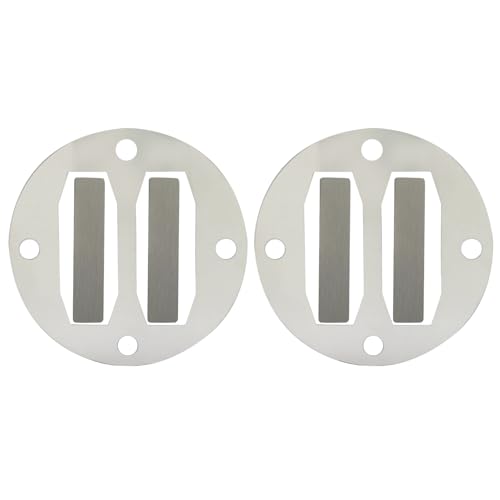
Hissing air leaks beneath the tank and sudden losses in pump efficiency can halt workshop projects in seconds. A cracked reed plate inside the cylinder head or a rusted tank drain petcock causes severe pressure drop, forcing your motor to cycle endlessly without ever reaching cutoff pressure. Sourcing reliable air compressor valve parts offers an immediate fix that restores factory CFM airflow and seals your pneumatic lines tight against costly air loss. Dependable hardware stops internal moisture damage and keeps air tools running smoothly during demanding garage jobs.
Careful analysis of pump head dimensions, 1/4-inch NPT threads, and corrosion-resistant materials highlights how small parts protect your entire setup. Installing rugged stainless steel reed valves and manual thumb-screw tank drains eliminates the frustration of leaking air tanks, blown factory gaskets, and underpowered pneumatic impacts. Keeping these replacement components in your toolbox ensures your system maintains solid working pressure PSI all season long.
| Award | Product | ACR Score About ACR ScoreThe ACR Score is our own rating from 0 to 10, based on performance, design and build, ease of use, and value. It reflects independent research and is never influenced by manufacturers, retailers, or affiliate commissions. Learn more › | |
|---|---|---|---|
| Best Overall |
Kyuionty 2 Sets Replacement Air Compressor Gasket
|
9.2/10 | Buy |
| Best Value |
 PROSOCOOL 1/4-Inch NPT Drain Valve Replacement
|
8.1/10 | Buy |
Kyuionty 2 Sets Replacement Air Compressor Gasket
The Kyuionty Air Compressor Gasket Kit provides two sets of stainless steel reed valves and aluminum gaskets designed to restore lost pump compression on Central Pneumatic and Craftsman compressors. It offers garage DIYers and mechanics an economical rebuild solution to revive slow-filling workshop air systems.
Pros
- Supplies two complete replacement sets with four stainless reeds and two aluminum gaskets
- Stainless steel construction provides improved rust resistance against moisture in the pump cylinder
- Direct match for popular Harbor Freight Central Pneumatic and Sears Craftsman part numbers
- Cost-effective solution for restoring lost compression and slow tank fill times
Cons
- Requires careful pump head teardown and complete scraping of old gasket residue
- Designed strictly for specific pump models and will not fit universal or larger multi-stage heads
- Omitting grease on the lower valve during assembly can lead to premature reed failure
PROSOCOOL 1/4-Inch NPT Drain Valve Replacement
This manual 1/4-inch NPT thumb screw drain valve directly replaces worn or leaking part numbers N286039, A17038, and A06891 on compatible Porter Cable air compressors. It provides a simple, tool-free way for garage DIYers, woodworkers, and mobile contractors to drain condensation and protect air tanks from internal corrosion.
Pros
- Direct replacement fit for factory part numbers N286039, A17038, and A06891
- Standard 1/4-inch NPT threading threads directly into compatible compressor drain ports
- Manual thumb screw enables quick end-of-day moisture drainage without reaching for wrenches
- Cost-effective fix for leaking, stripped, or rusted factory drain petcocks
Cons
- Requires manual operation after every compressor use rather than draining automatically
- Listing contains conflicting package details between the title description and item specifications regarding piece count
- Thumb screw design should be hand-tightened only to avoid bending or damaging the manual wings
Frequently Asked Questions
How do I know if my reed valves need replacement?
Slow tank fill times and air blowing back out through the intake filter indicate damaged reed valves. When a reed cracks, snaps, or warps from high heat, the pump loses compression on the upstroke. Replacing worn valve plates and aluminum gaskets restores normal cycle times and prevents motor overheating.
Can I use PTFE thread tape on a 1/4-inch NPT compressor drain valve?
Yes, applying two to three wraps of quality PTFE thread tape or liquid thread sealant ensures an airtight seal on tapered 1/4-inch NPT threads. The tapered design relies on sealant to fill microscopic thread imperfections under high tank pressure. Always thread the fitting by hand first to avoid cross-threading into the tank bung.
Why is regular moisture drainage essential for tank longevity?
Regular moisture drainage prevents internal tank corrosion and stops dirty water from entering your air hoses and pneumatic tools. Compressing ambient air creates condensation that settles at the tank base, eating away at bare steel. Opening a manual drain valve after every shop session purges accumulated water and keeps your storage vessel safe.
What is the benefit of stainless steel reed valves over standard factory parts?
Stainless steel reed valves offer superior fatigue resistance and resist rust caused by humid intake air. Stock reeds made from basic carbon steel often corrode or break under relentless cyclic bending. Installing stainless steel components provides a durable seal against the valve plate for long-lasting pump efficiency.
Which air compressor valve parts require the most frequent replacement in 2026?
Tank drain valves and intake reed valves represent the most frequently replaced components due to constant exposure to heat and water. Condensation causes manual drain valves to stick or weep air, while repetitive pump cycling wears down thin reed flappers. Inspecting these parts periodically prevents unexpected pressure loss in your air lines.
Should I apply grease when installing new compressor reed valve gaskets?
Yes, applying a small dab of assembly grease to the lower valve can help hold the reed in position during assembly and prevent early breakage. A light film keeps the component aligned while you torque down the cylinder head. Avoid excessive grease, which can foul the valve ports once the pump reaches operating temperature.
About the author
Kenny Koehler is a power-tool specialist with more than a decade of hands-on evaluation experience and a science-based approach to product testing. His expertise in repeatable testing, tool performance, impact wrenches, and professional equipment brings a practical, data-focused perspective to compressor and pneumatic-tool comparisons.